
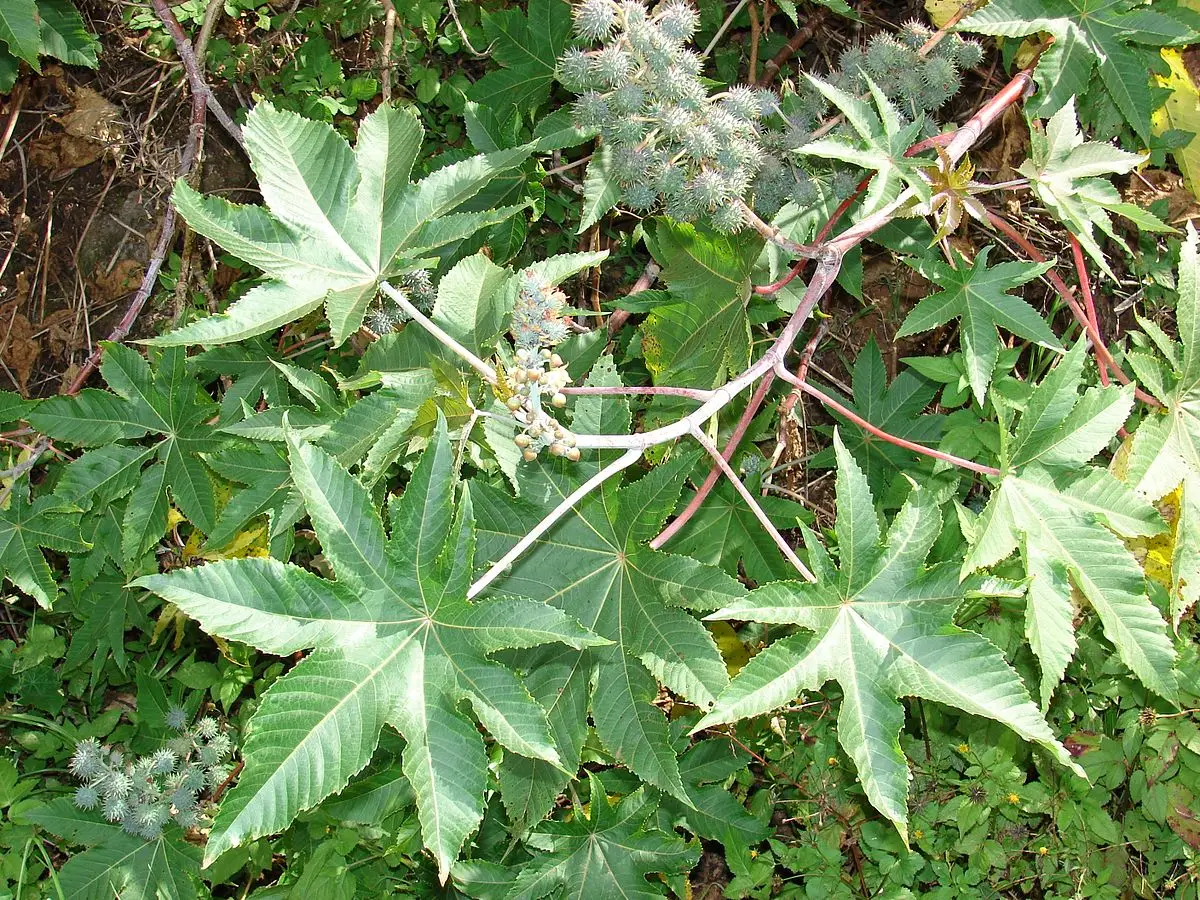
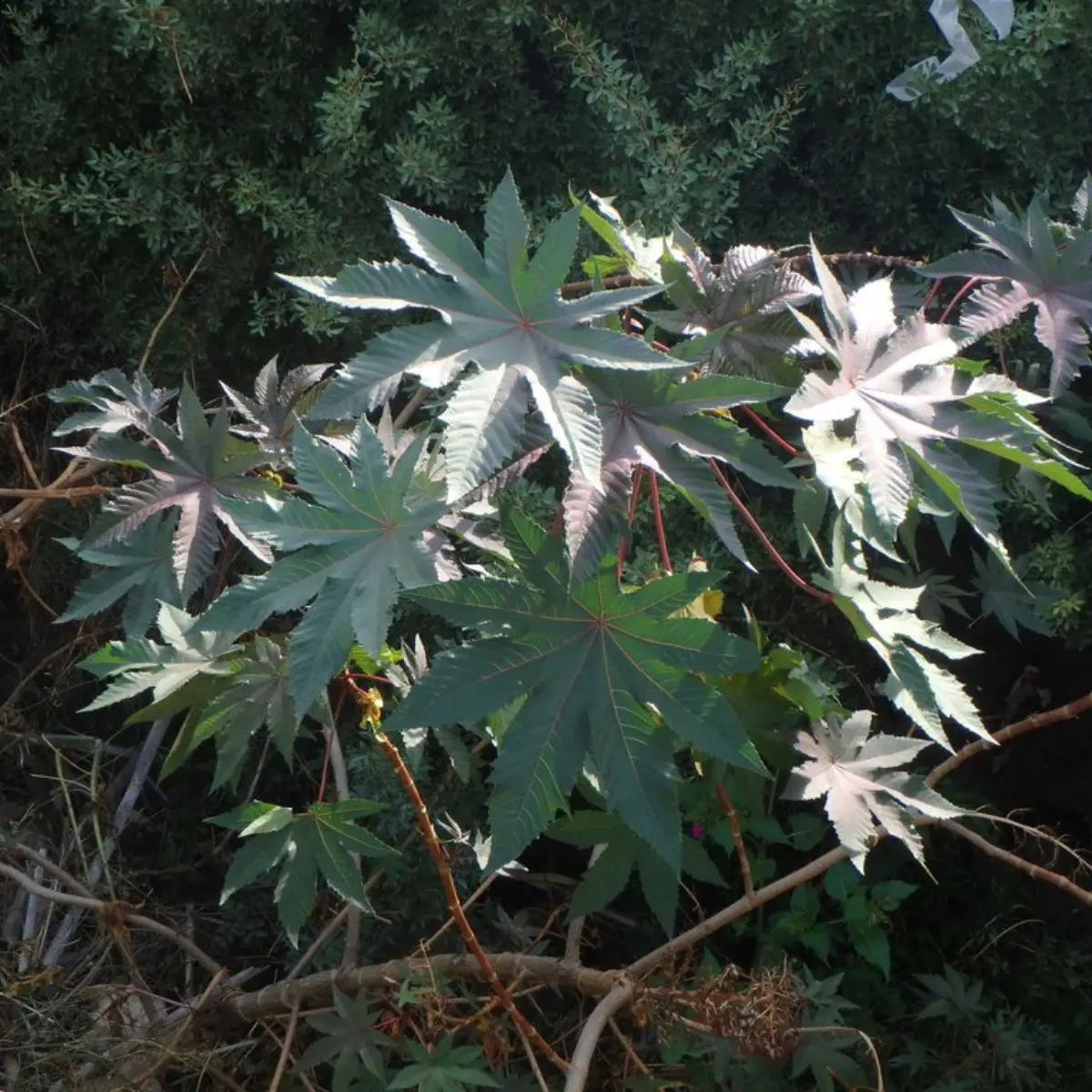
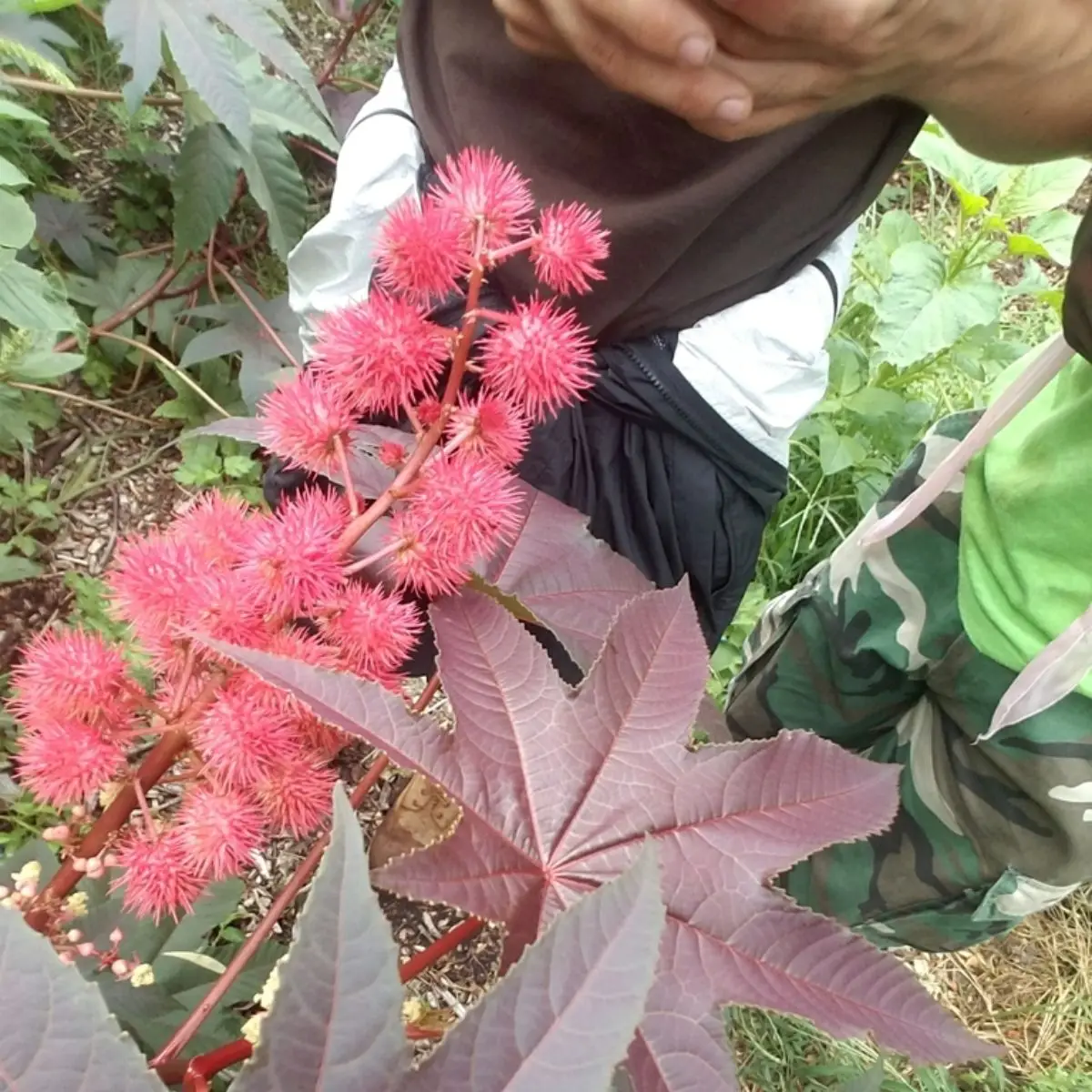
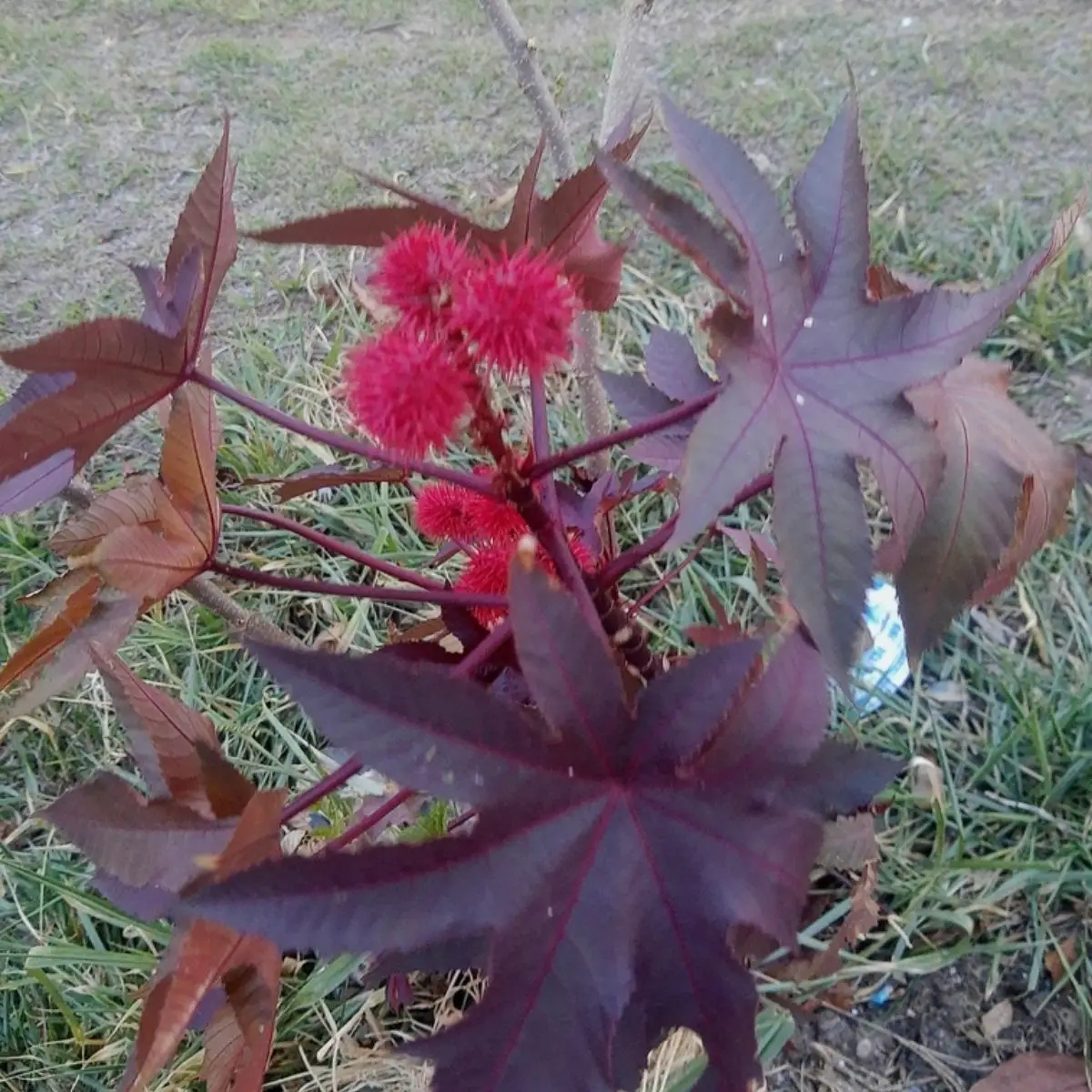
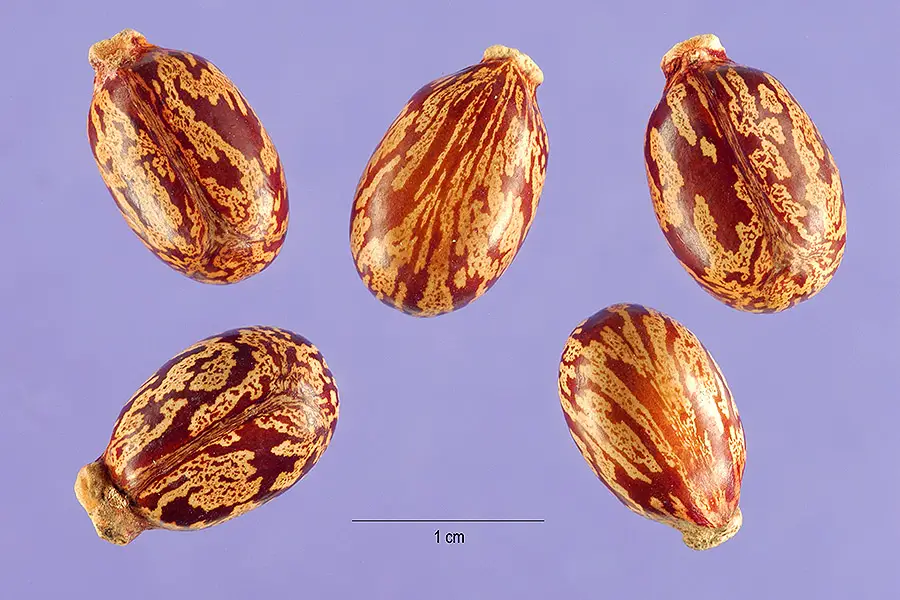
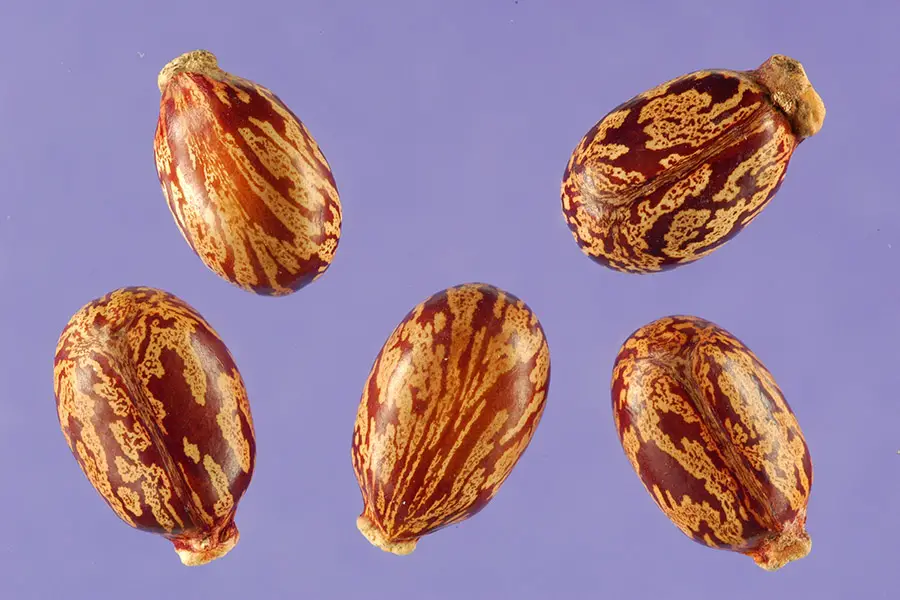
Grow the plant that Cleopatra loved and that luxury skincare brands harvest by the ton. Ricinus communis yields precious castor oil—nature’s most versatile moisturizer and healer—while delivering absolutely show-stopping foliage in shades of emerald, burgundy, and bronze. Giant palmate leaves, spiny crimson seed pods, and vigorous growth from seed in a single season. Easy to medium care; thrives in sun and well-drained soil. Florists demand it. Your skin w
Every great garden needs one plant that stops people mid-stride—Ricinus communis is that plant, and it’s far more than ornamental theater.
Native to tropical East Africa, the castor bean has traveled the ancient world for over 4,000 years. From Cleopatra’s vanity to Ayurvedic healers to modern cosmetic laboratories, this singular species has been harvested and celebrated across continents and centuries. Why? Because it holds liquid gold in every seed: castor oil, the most versatile botanical extract on Earth.
But here’s where the passion lives. Castor oil extracted from your own harvested seeds represents something increasingly rare—authenticity. The oil you press or extract is identical to what appears in premium skincare lines: rich in ricinoleic acid, that water-loving fatty acid that moisturizes at a cellular level. Use it on dry skin, sensitive skin, aging skin, hair, lashes, cuticles. It soothes inflammation, nourishes deeply, and feels luxurious without the guilt of synthetic fragrance or plastic packaging. Professional florists sell out of castor bean stems constantly; they covet the spiky seed pods for high-end arrangements that command premium prices. Grow it, and you have both a medicinal garden harvest and cut-flower material that other gardeners will envy. The oil also moves into cosmetics, massage oils, and natural wellness products—if you’re drawn to the maker economy, this plant is profitable and purposeful.
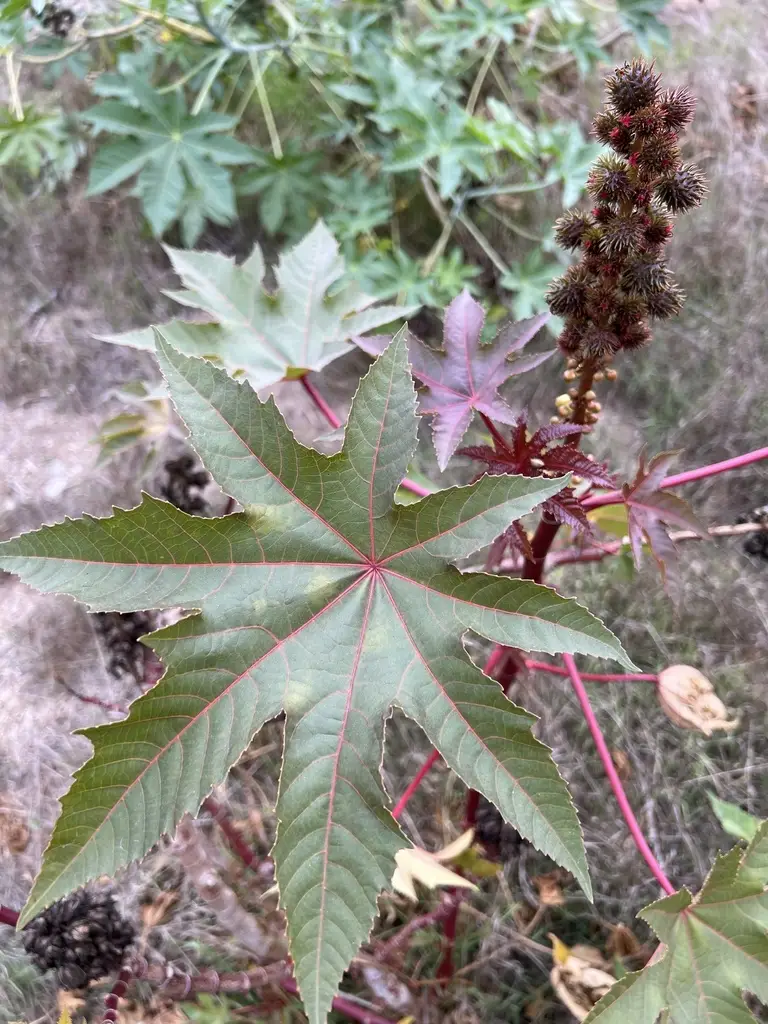
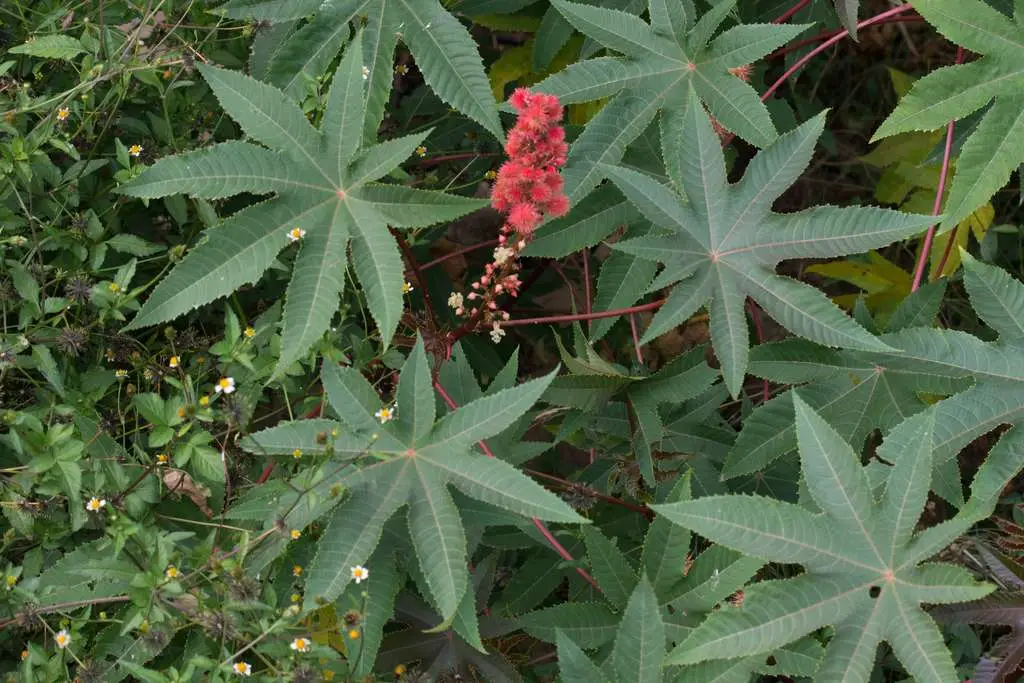
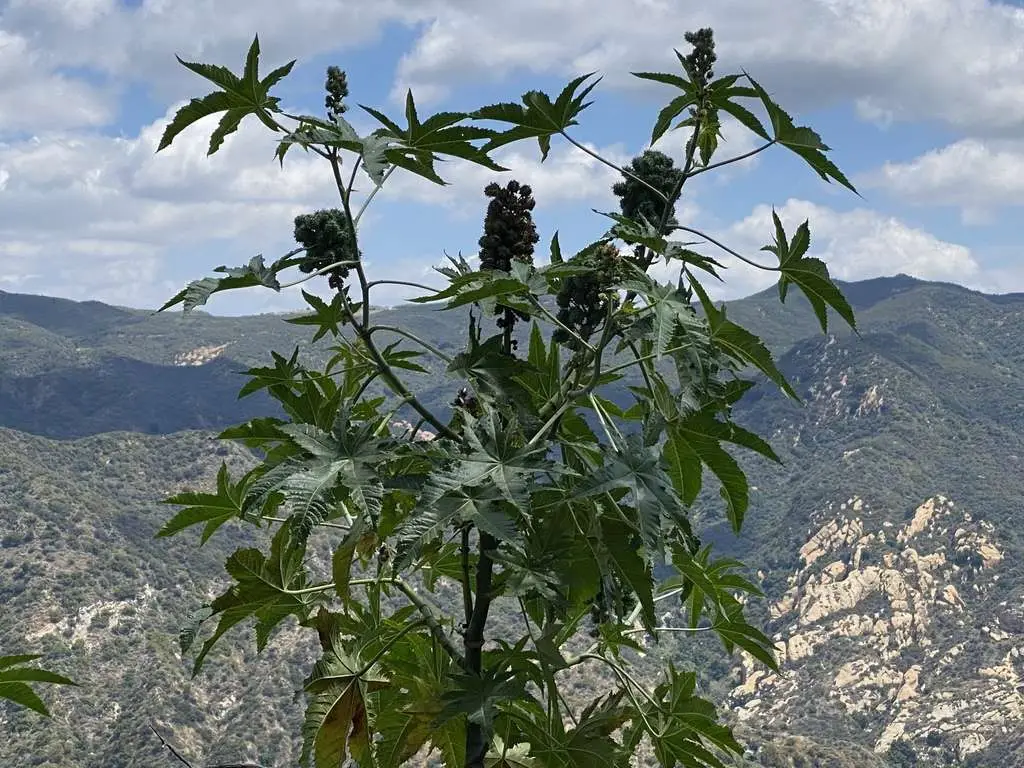
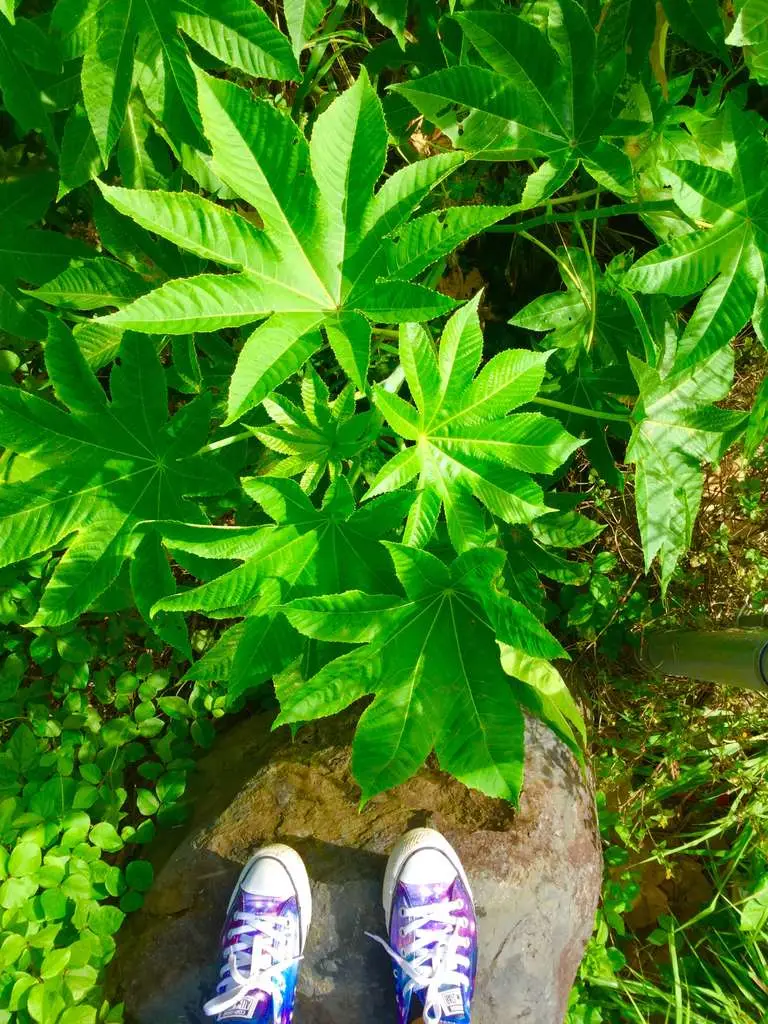
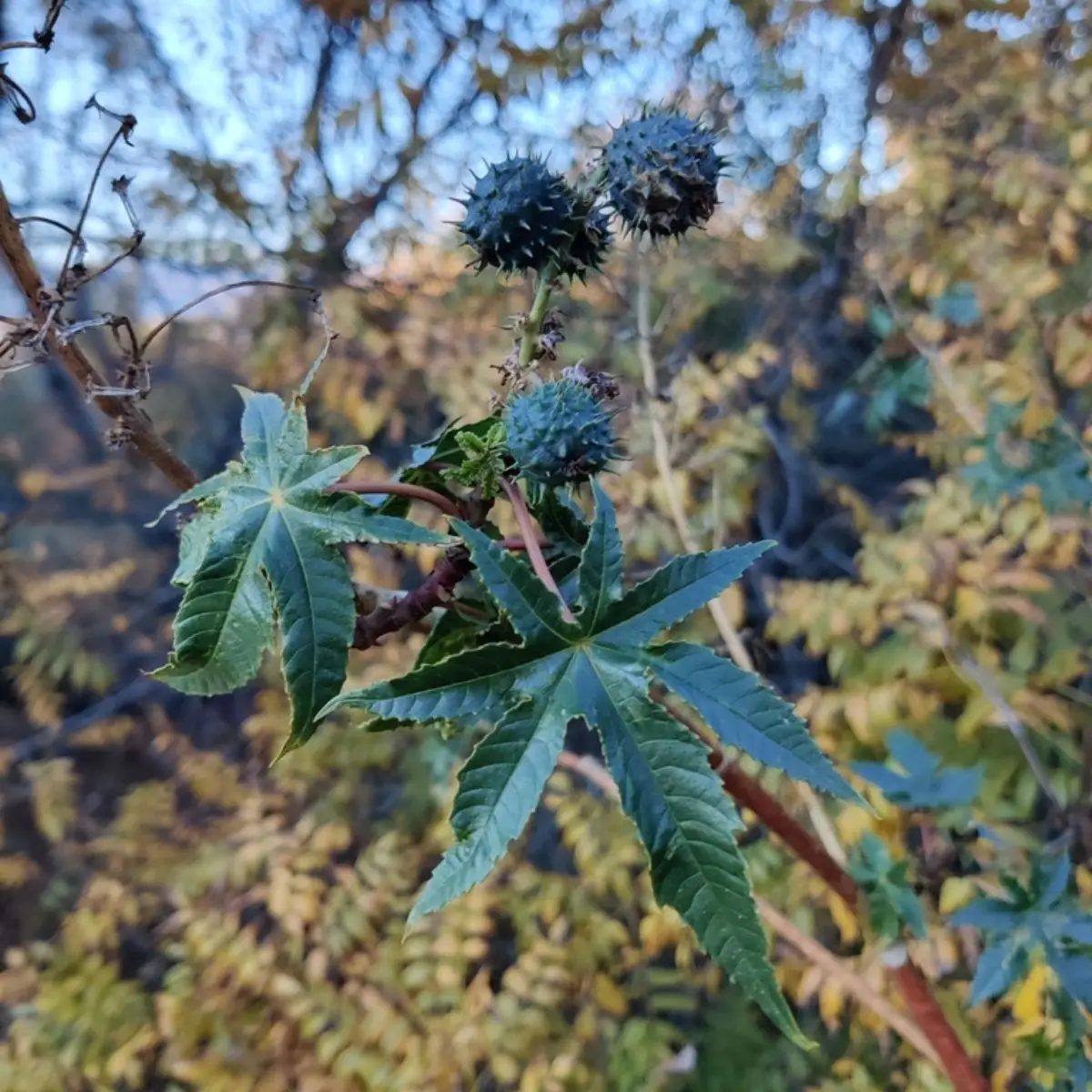
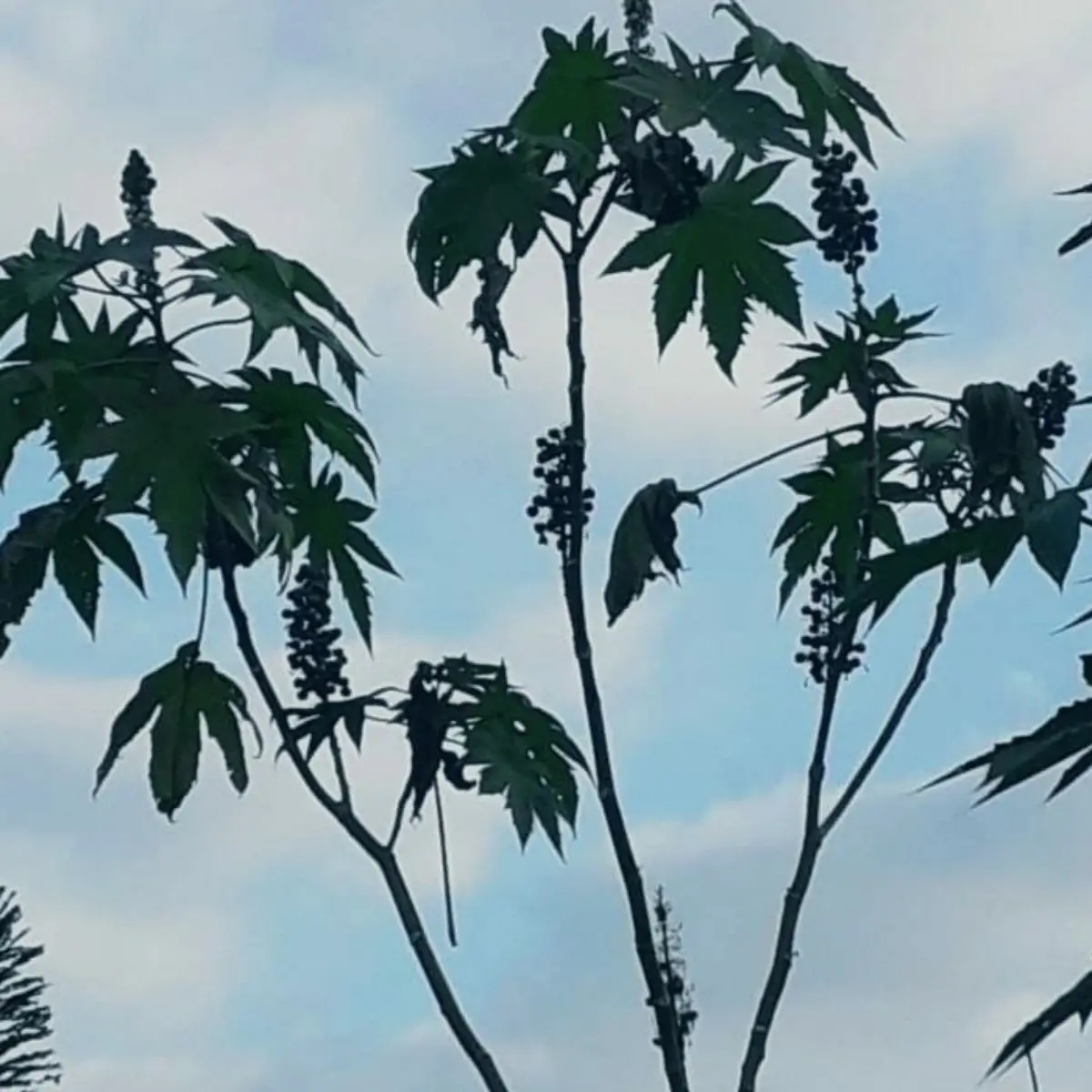
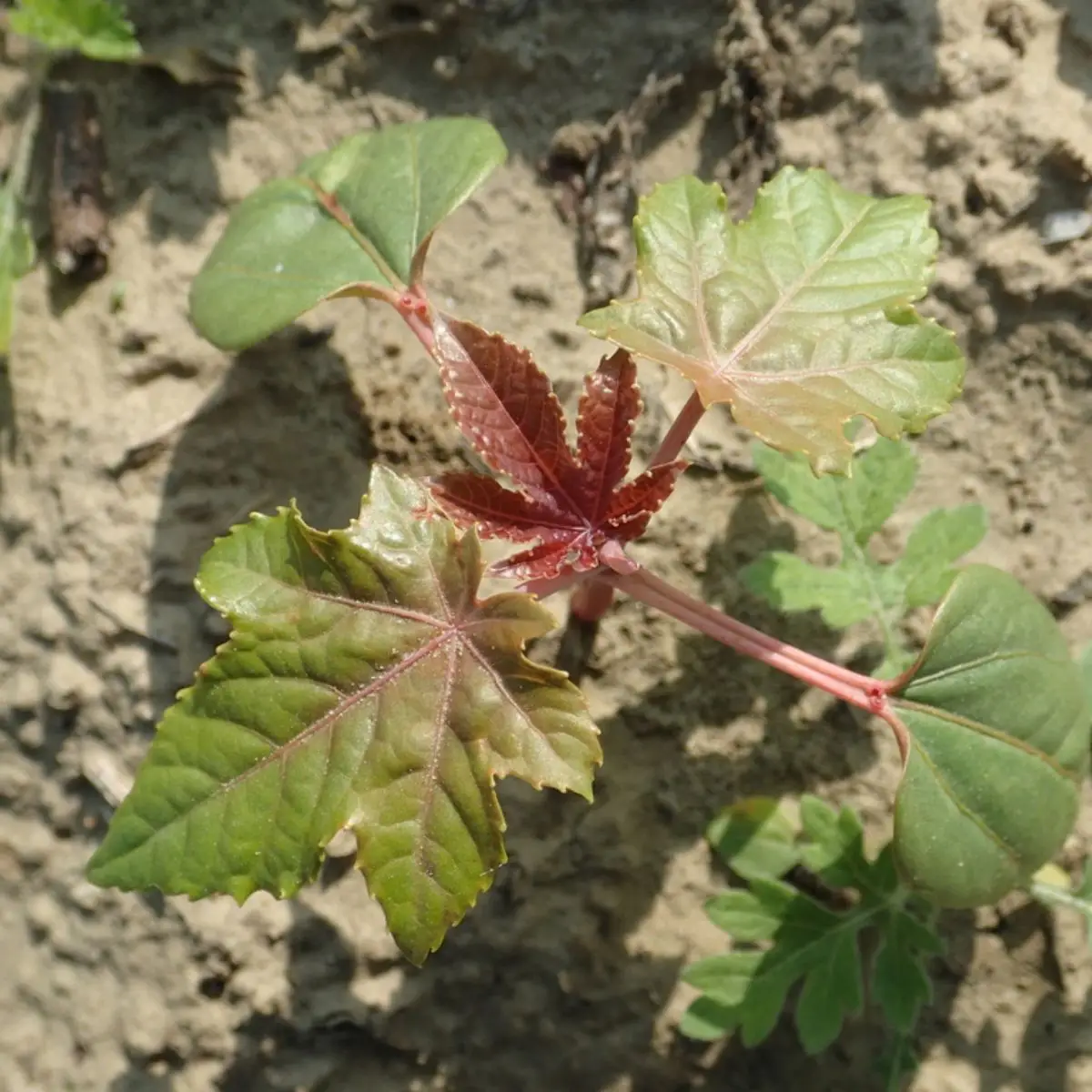
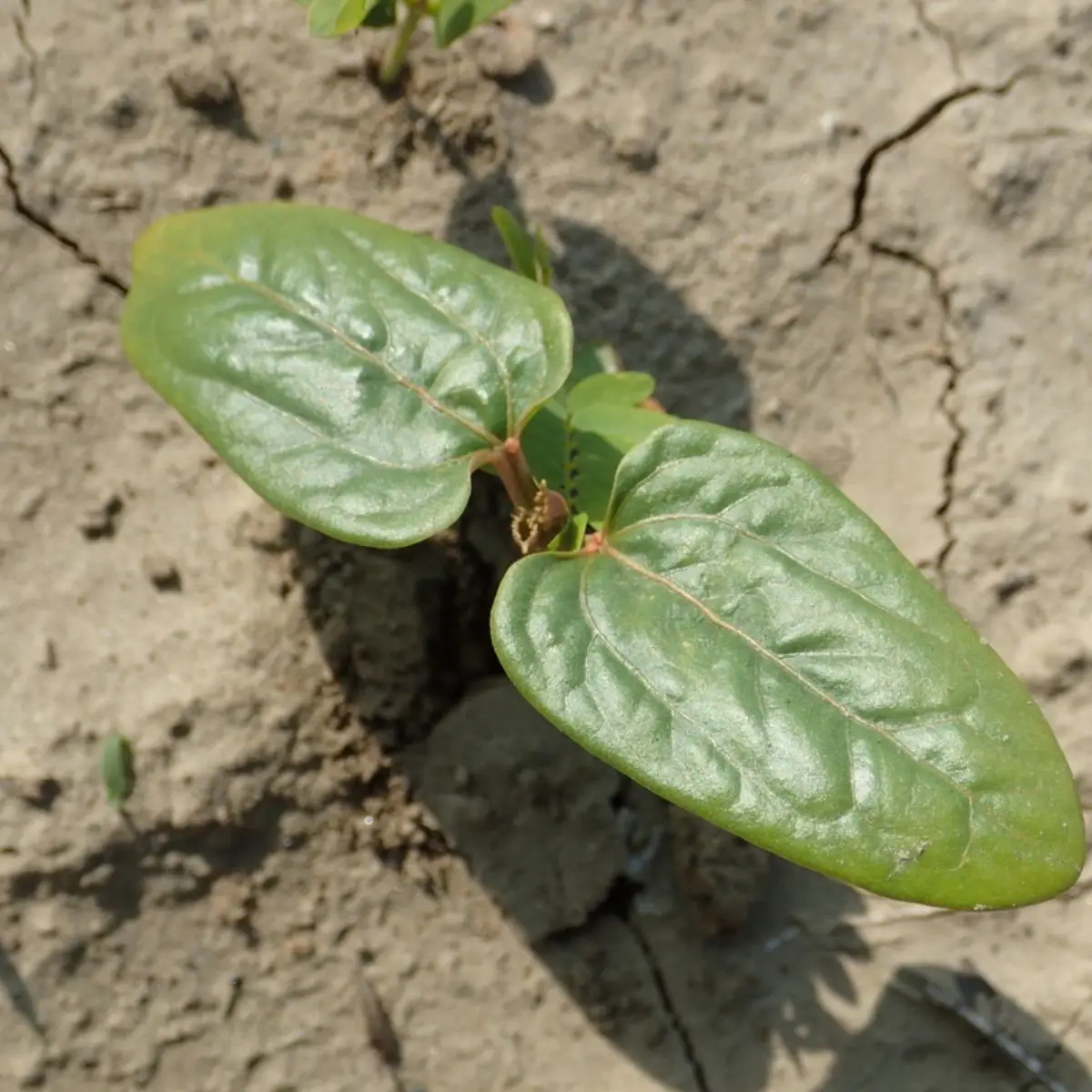
Growing Ricinus communis is delightfully simple. It’s a tender perennial that you treat as a warm-season annual in most climates—soak the seeds 24 hours, sow in rich, well-draining soil, and step back. It will shoot upward with astonishing speed, reaching 6 to 10 feet in a single growing season. It demands full sun and moderate water; once established, it tolerates drought beautifully. The foliage is the real show: enormous palmate leaves with 5 to 11 deeply lobed segments, glossy and dramatic, in cultivars ranging from fresh green to deep bronze-burgundy (‘Carmencita’ has wine-dark leaves that glow). Above this canopy rise tall flower spikes bearing male flowers at the base and female flowers (marked by crimson stigmas) at the top. These mature into spiny, jewel-toned capsules—lime green, hot pink, deep scarlet—each holding three precious seeds. Minimal pruning needed; pinch the growing tip if you want bushier branching and more seed pods. It thrives in containers too, making it perfect for seasonal cultivation anywhere.
When you grow Ricinus communis from seed, you’re not just planting a garden specimen—you’re joining a lineage of healers, beauty makers, and plant lovers who understand that the rarest luxury is what you cultivate with your own hands. This is the plant for growers who want beauty, purpose, and the incomparable satisfaction of harvesting your own medicine.
Only logged in customers who have purchased this product may leave a review.

Reviews
There are no reviews yet.