Description
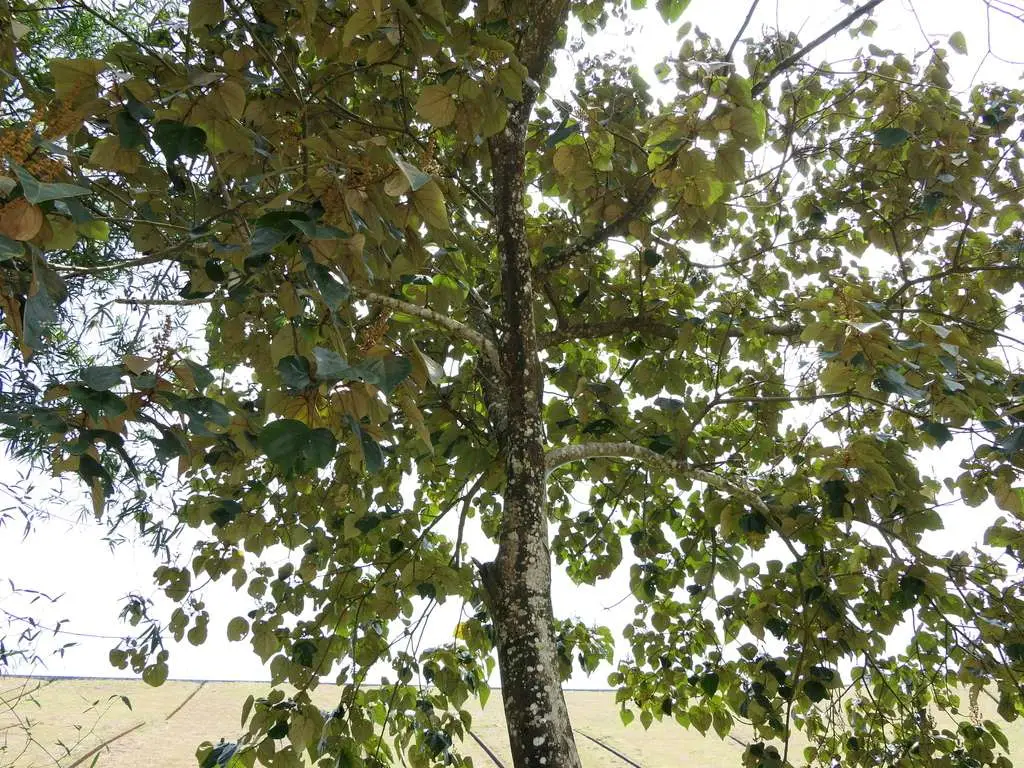
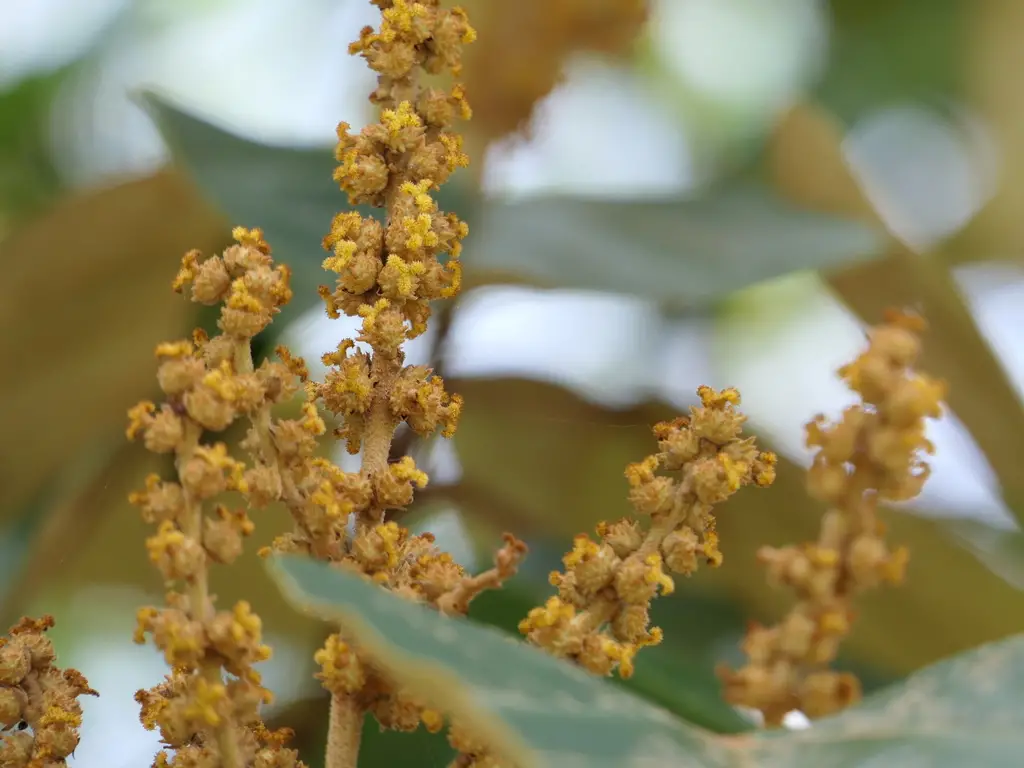
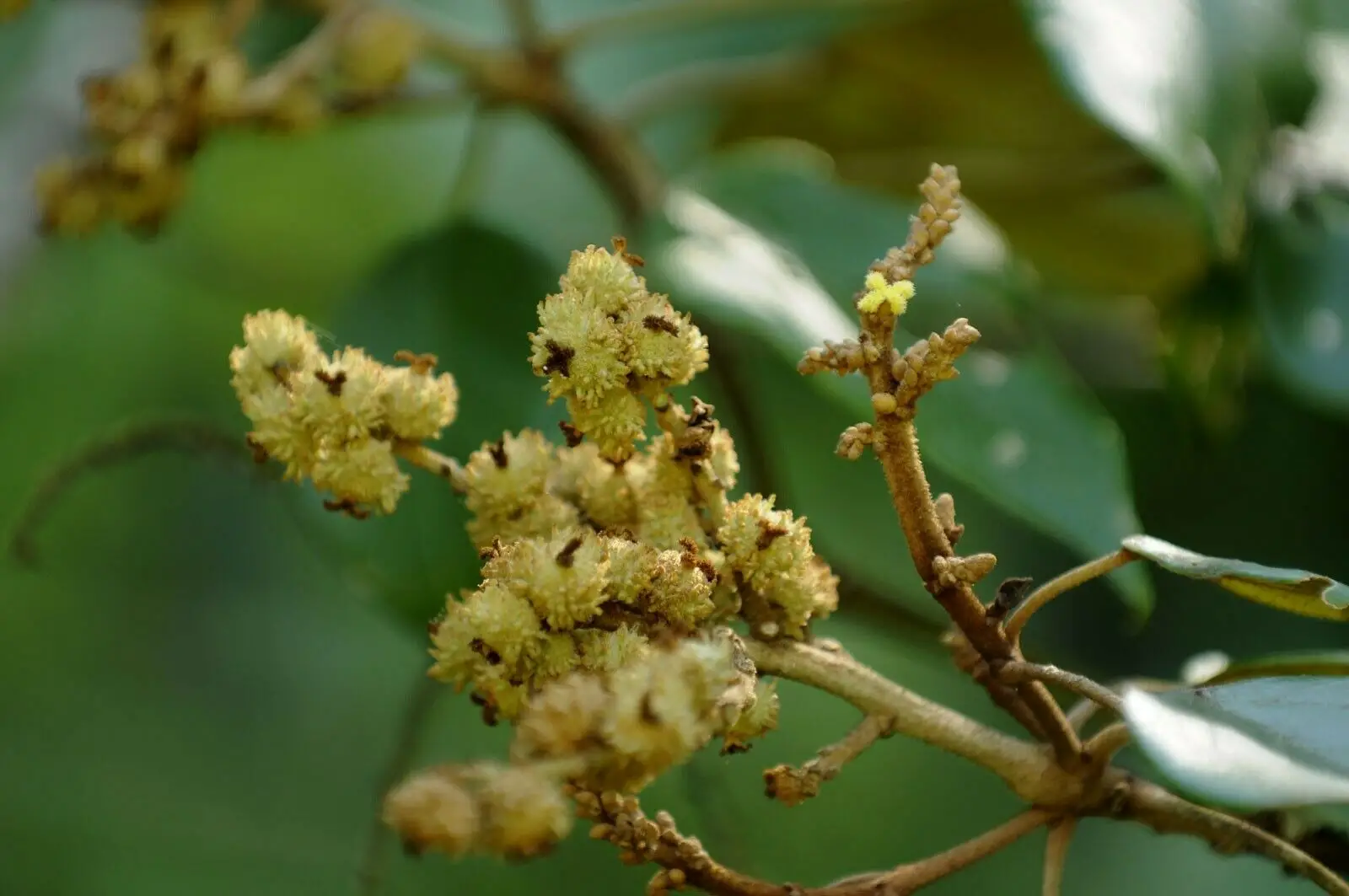
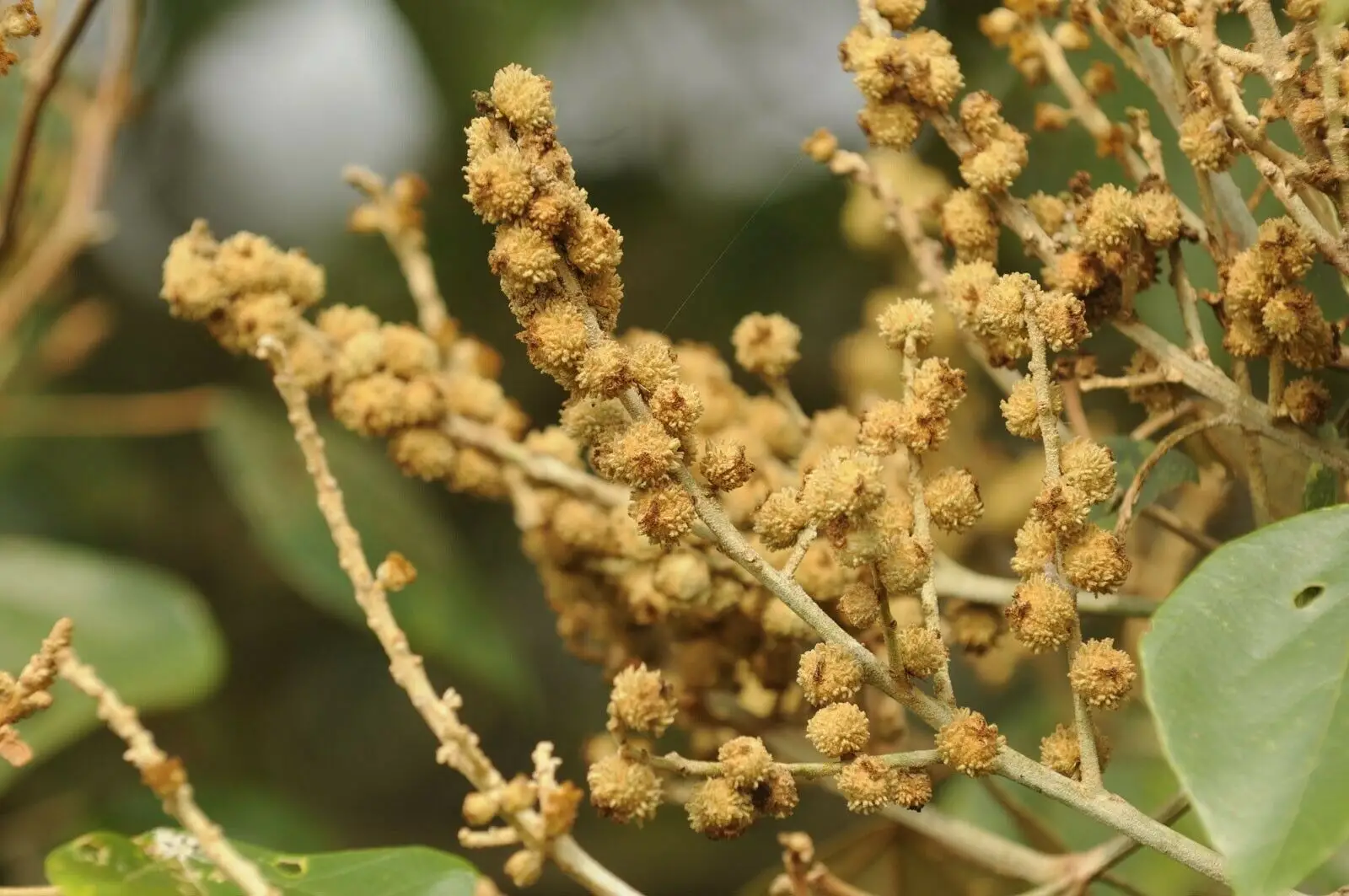
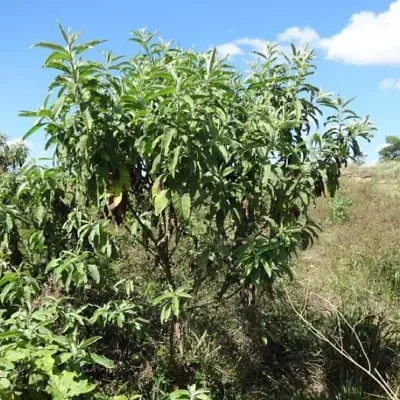
Mallotus tetracoccus, also known as the rusty kamala, is a species of flowering plant in the family Euphorbiaceae. It is a tree species found in parts of south Asia, typically occurring in the edges of tropical wet evergreen and semi-evergreen forests.
The leaves are used in sericulture. The plant is known for its medicinal properties in Ayurvedic and in folk/traditional medicine. Bark and gum of the tree is used for treating fractures and venereal diseases. Also used as firewood in some parts.
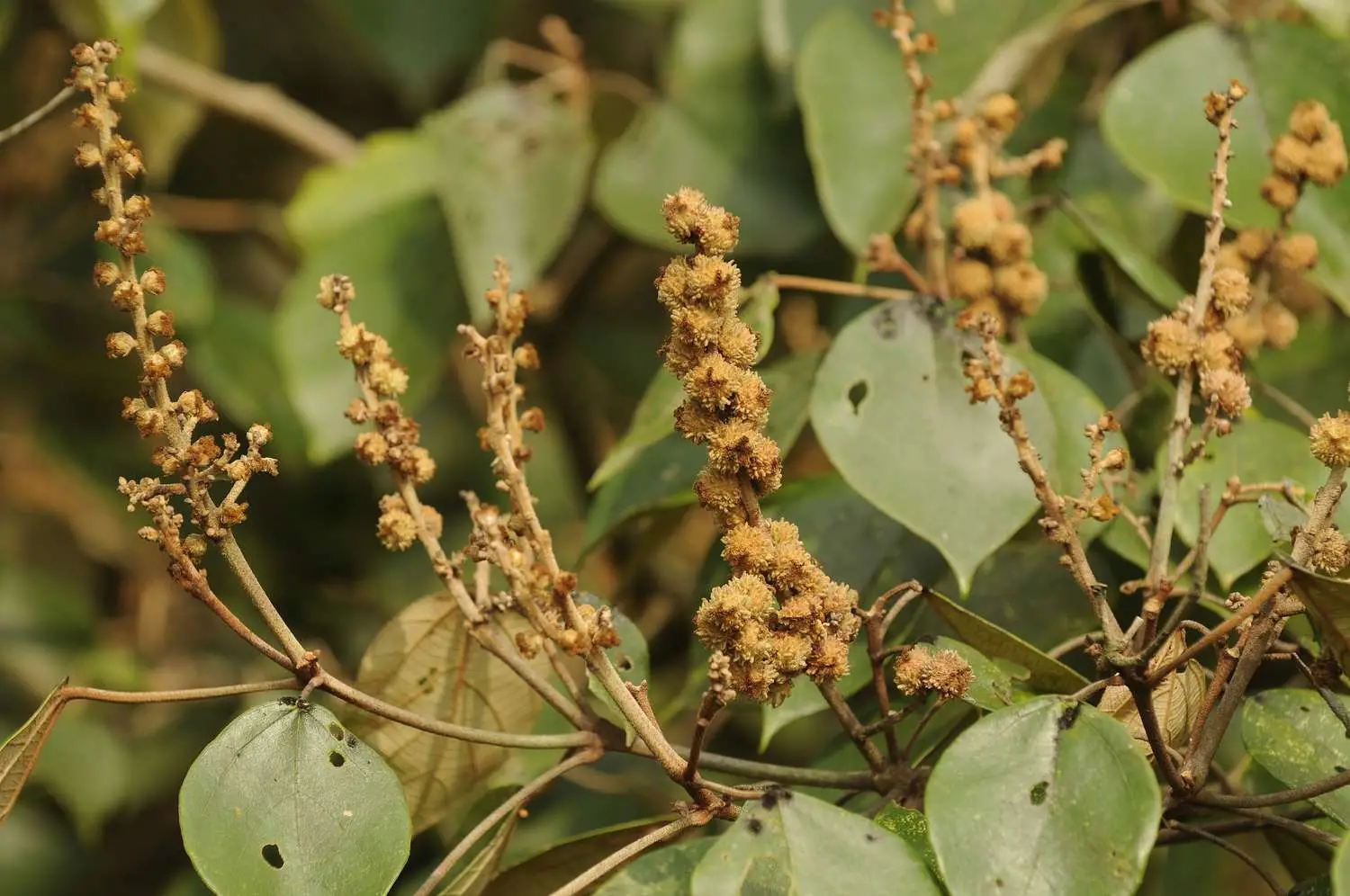
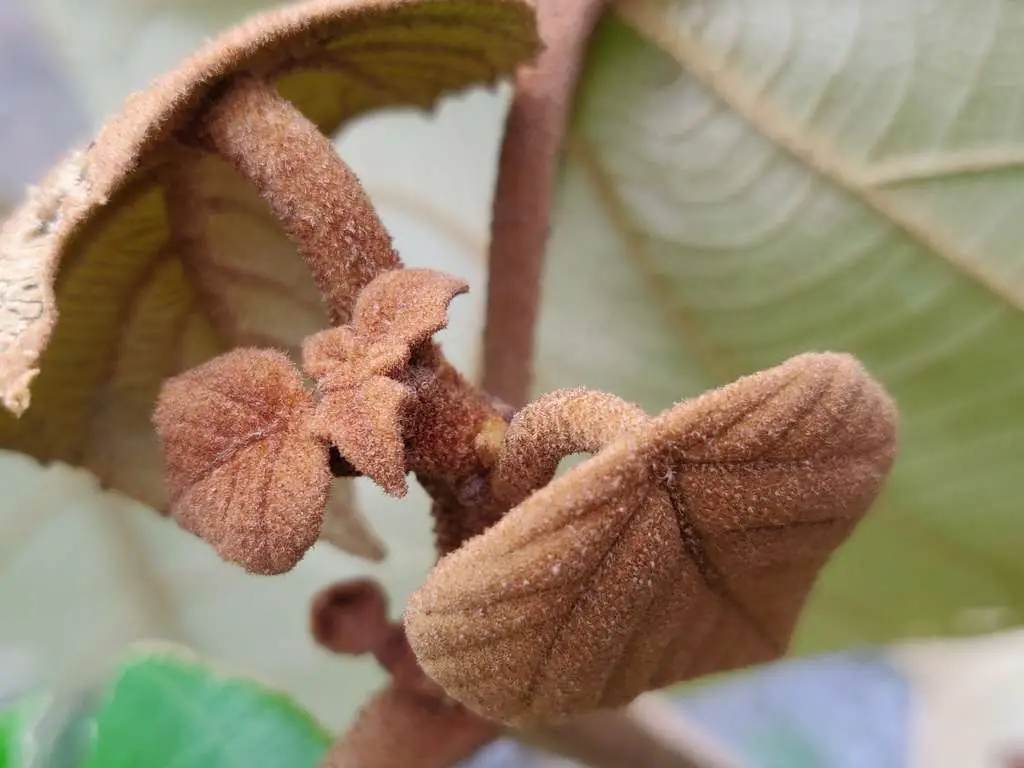
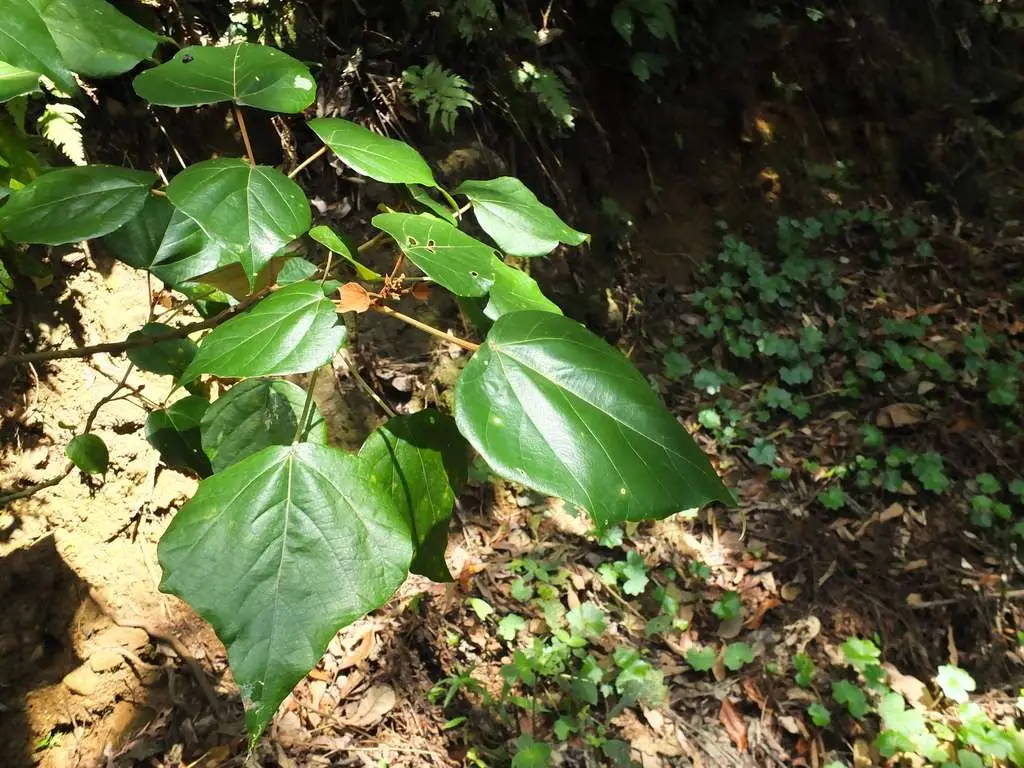
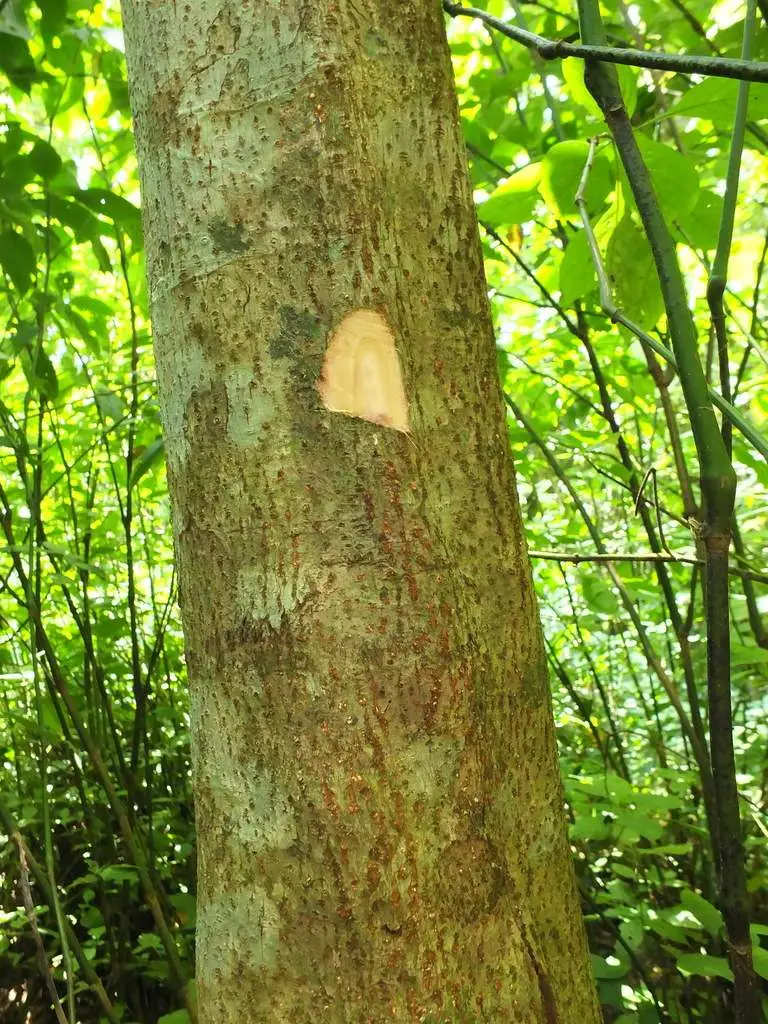
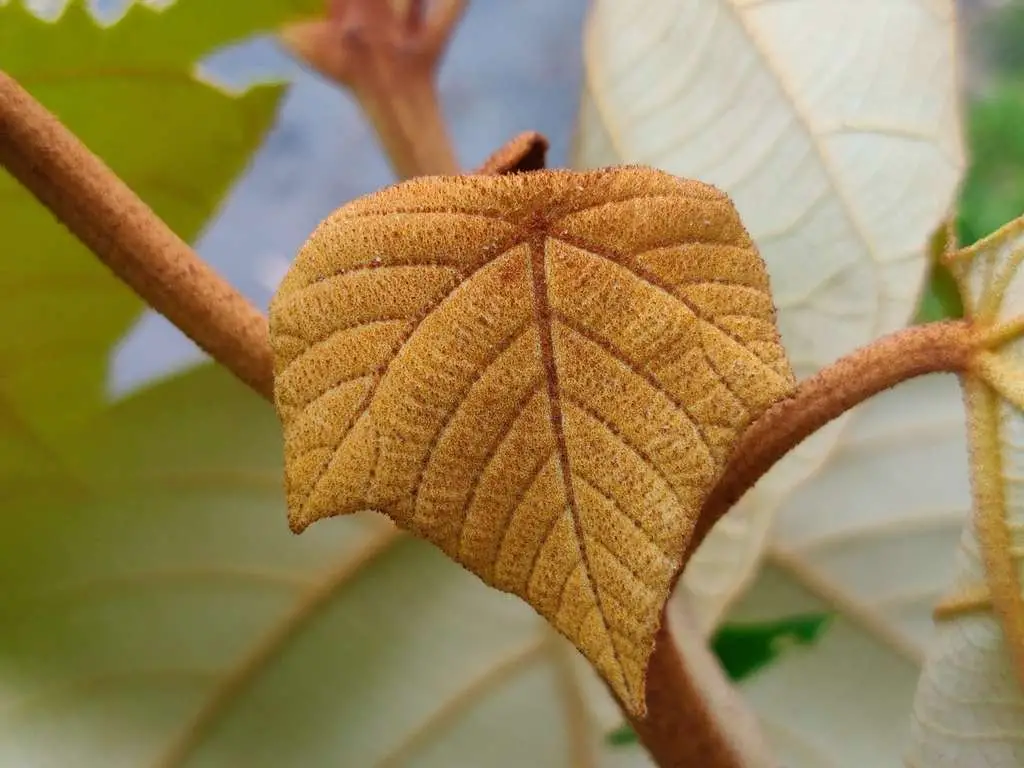
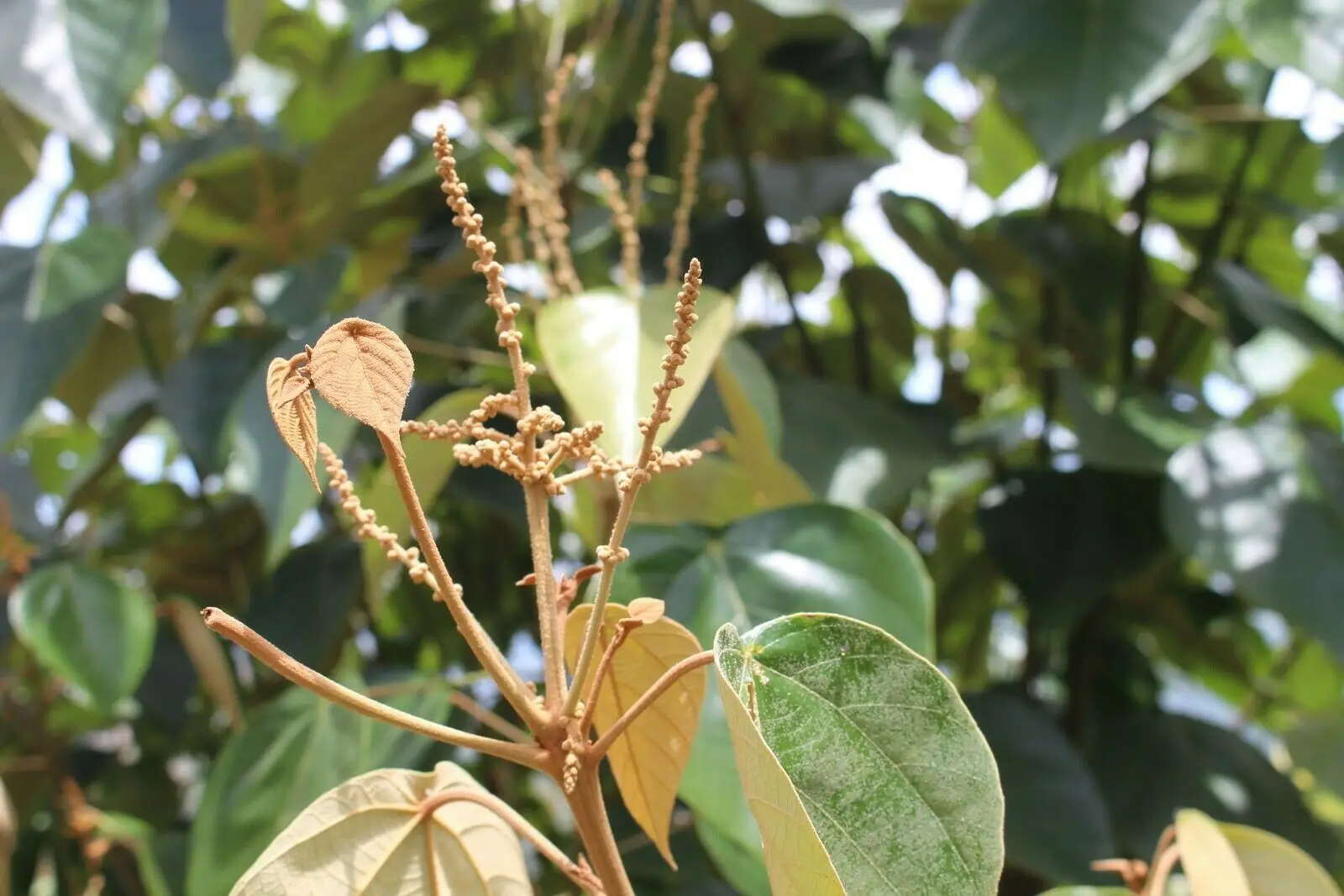
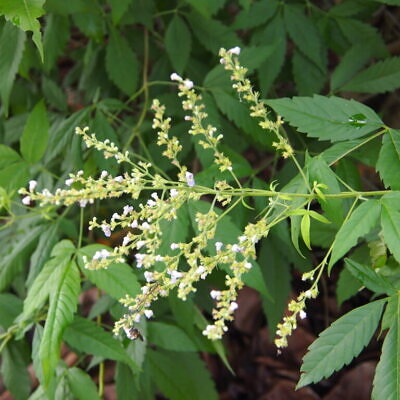
This is a distinctive mid-sized or mid-storey tree species growing up to around 15 m tall. The bark is 5–8 mm thick with a grey surface, smooth and fibrous. The tree gains its rusty or coppery-white appearance from the colours of the branchlets, young parts, and undersides of leaves. The branchlets and young parts are densely grey or tawny tomentose (hairy) and the young parts are covered by rusty lepidote scales. The underside of leaves is velvety white due to stellate hairs, contrasting with the bright green and glabrous upper surface. The thinly leathery leaves are simple, alternate, and spirally arranged on the twigs. The lamina is 8–25 cm long x 6.5–20 cm broad, and variable in shape from young saplings to large trees, ranging from more or less circular to deltoid or broadly egg-shaped. The leaf apex is acuminate, and the base truncate, nearly heart-shaped or round. The leaves are peltate (prominently in young plants, more narrowly in adult trees). The leaf margin is entire or glandular dentate (toothed or lobed). The leaves are usually prominently 3-5 ribbed from base, with lateral nerves 6-8 pairs, the tertiary nerves running nearly horizontal. The stipules are lateral and fall off, while the leaf also has a long petiole (4.5–10 cm) which is stout and swollen at the base, stellate tomentose along the length, and with two glands at the top.
Germination Guide
🌍 Indian Subcontinent to China (SW Yunnan) and Indo-China
Difficult
Pioneer species of tropical wet evergreen forests, seeds dispersed by birds
Germination
Substrate moisture
💧 Medium
Sowing depth
Lightly covered
Growing Tips
Fresh seeds recommended; pioneer species preferring light gaps; higher light regimes promote better growth
Only logged in customers who have purchased this product may leave a review.

Reviews
There are no reviews yet.