Description
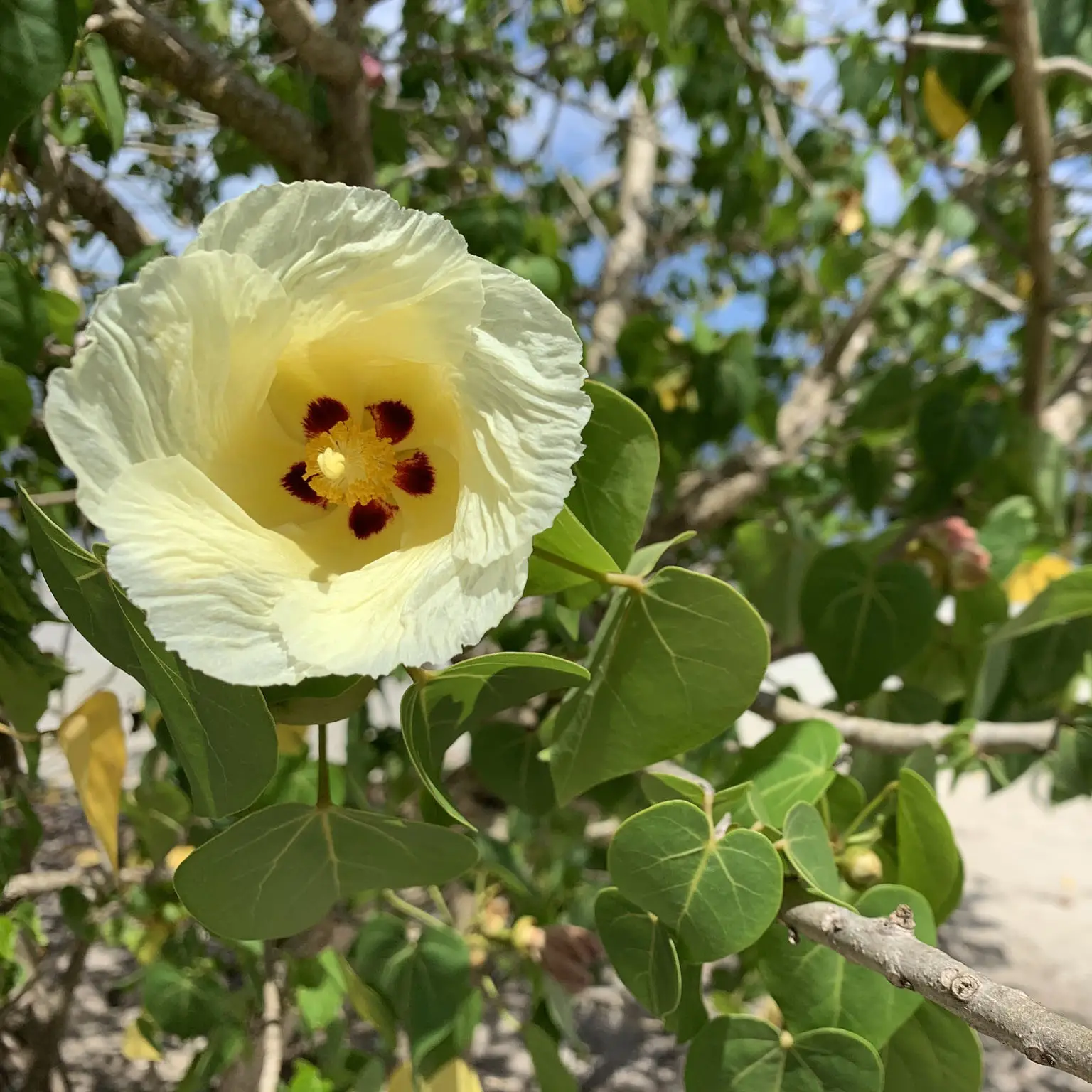
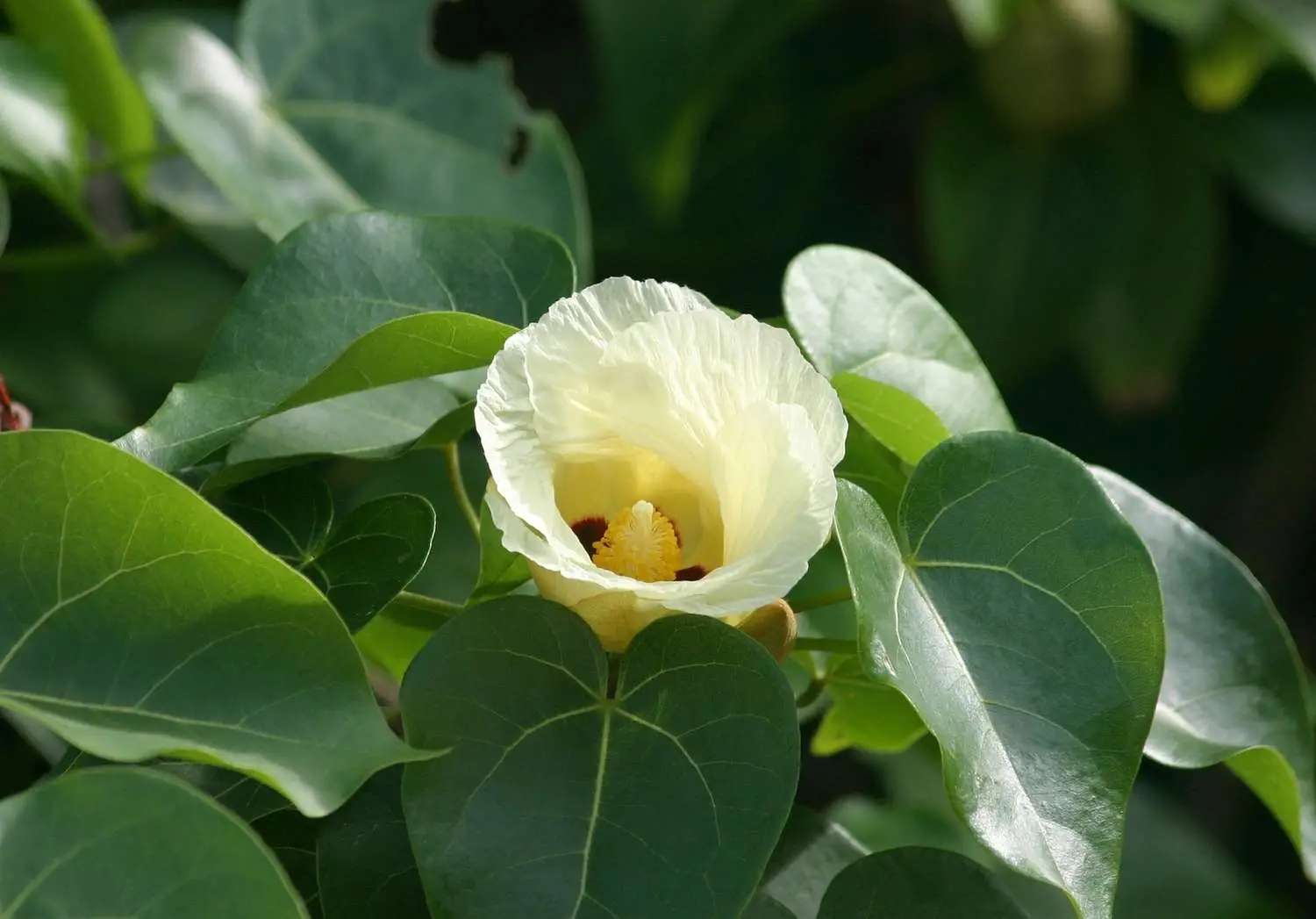
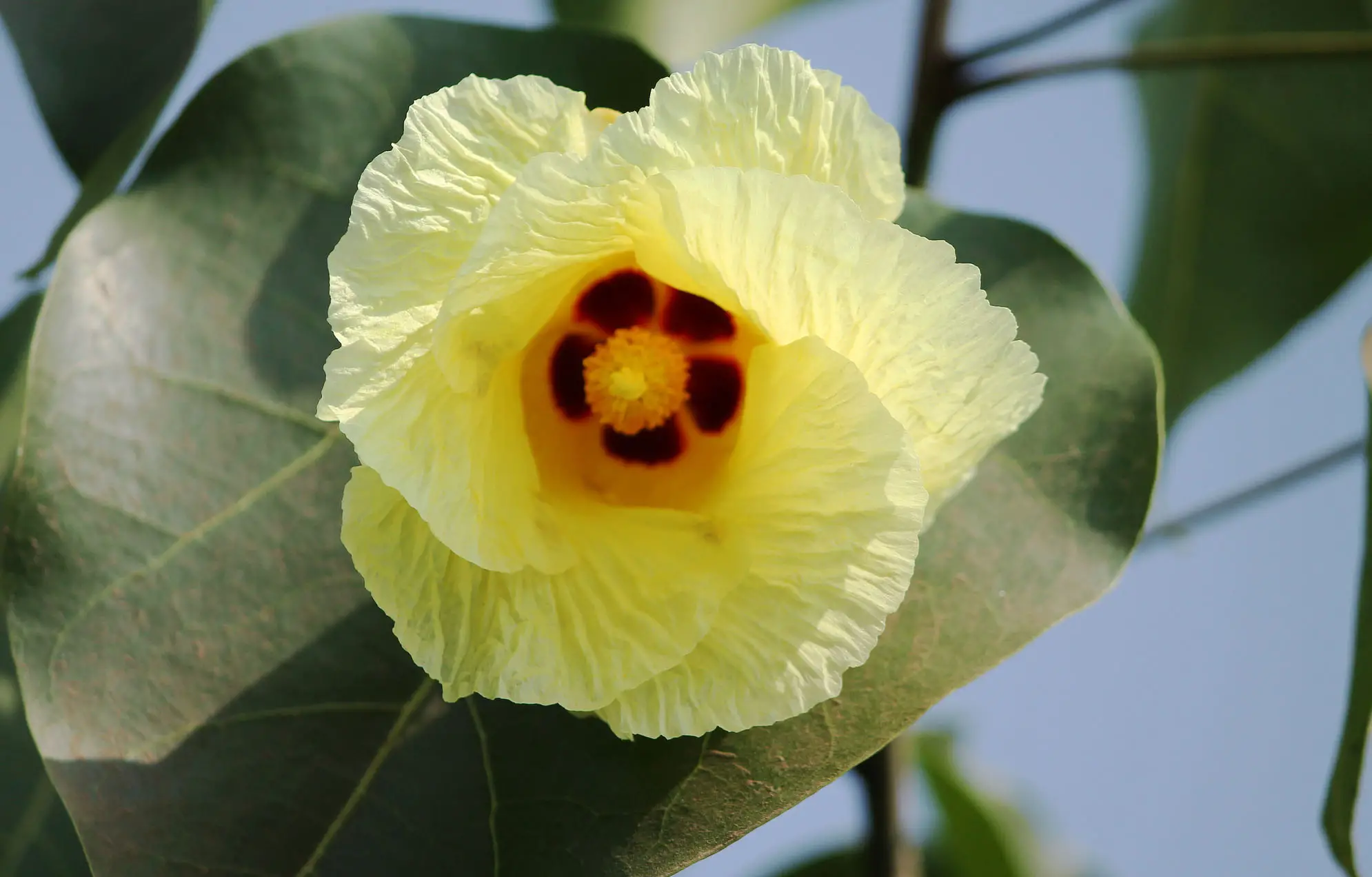
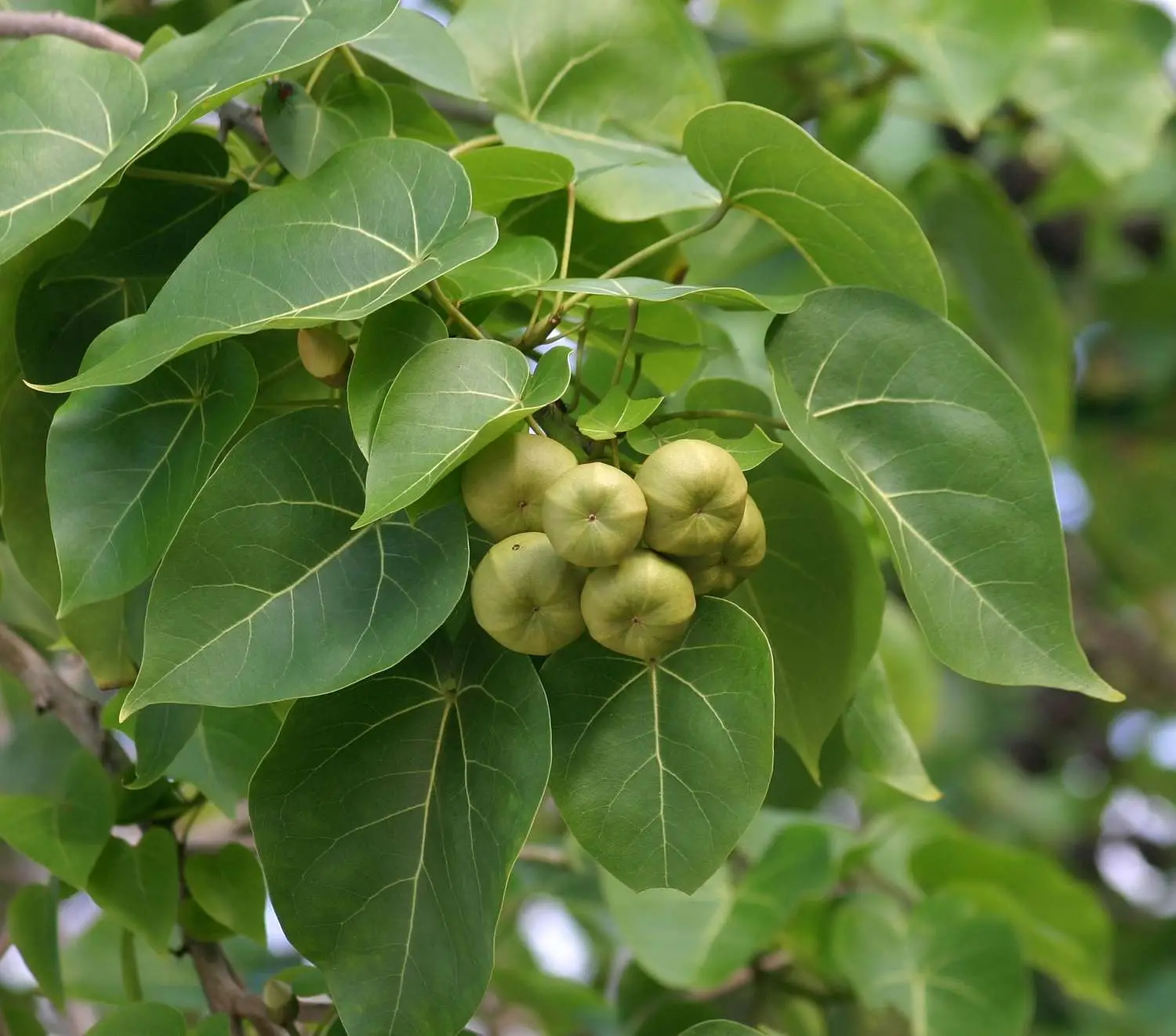
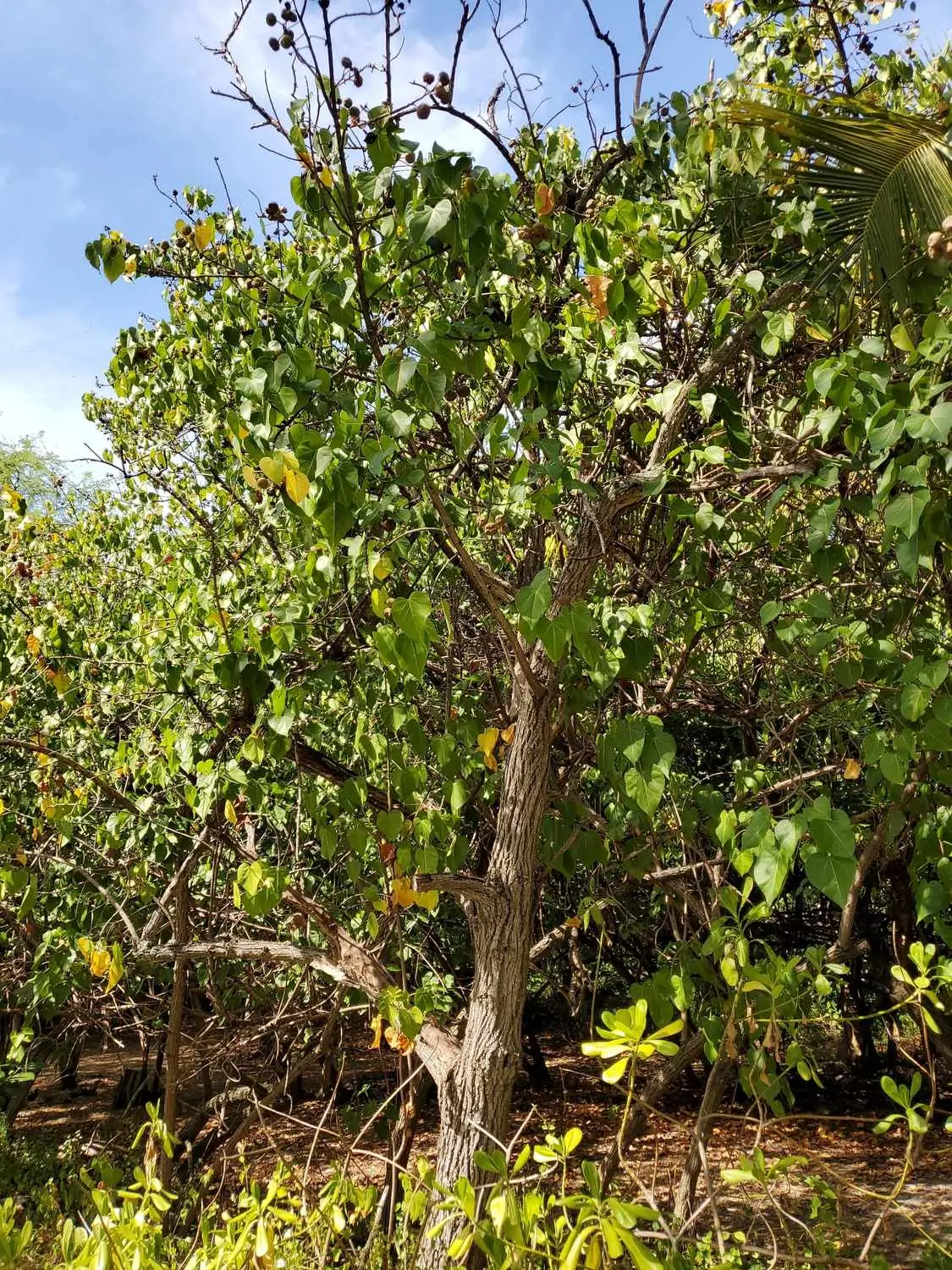
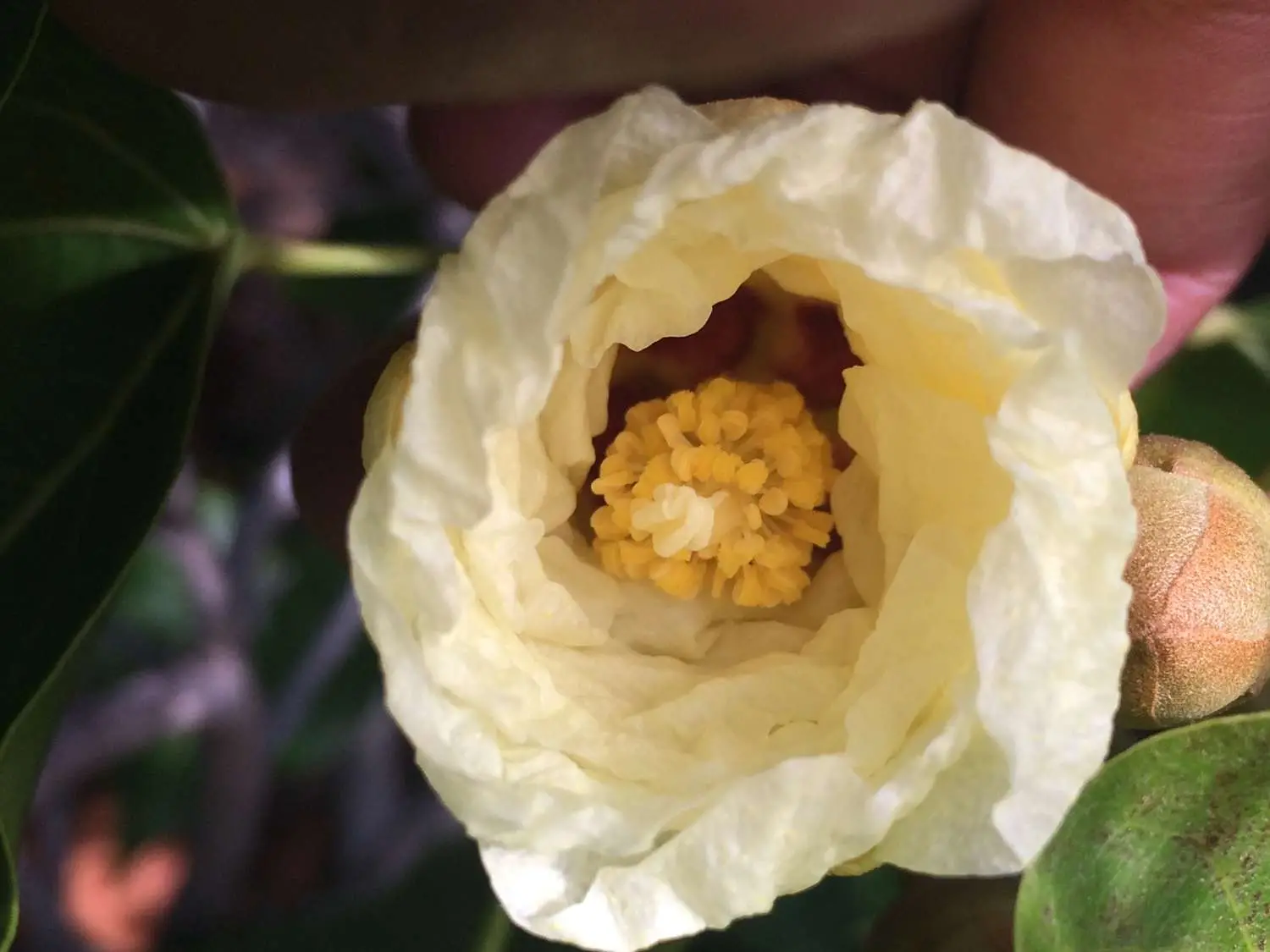
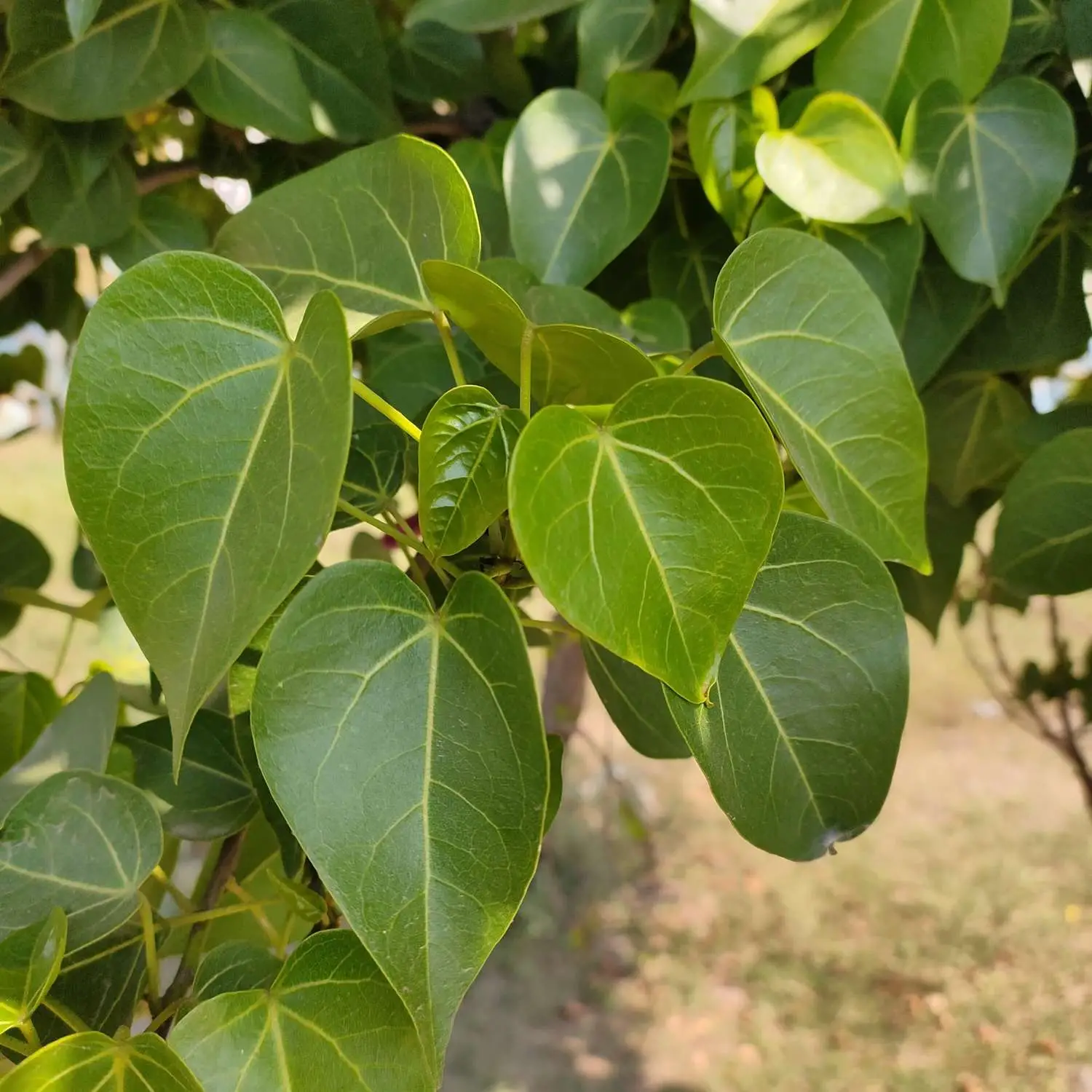
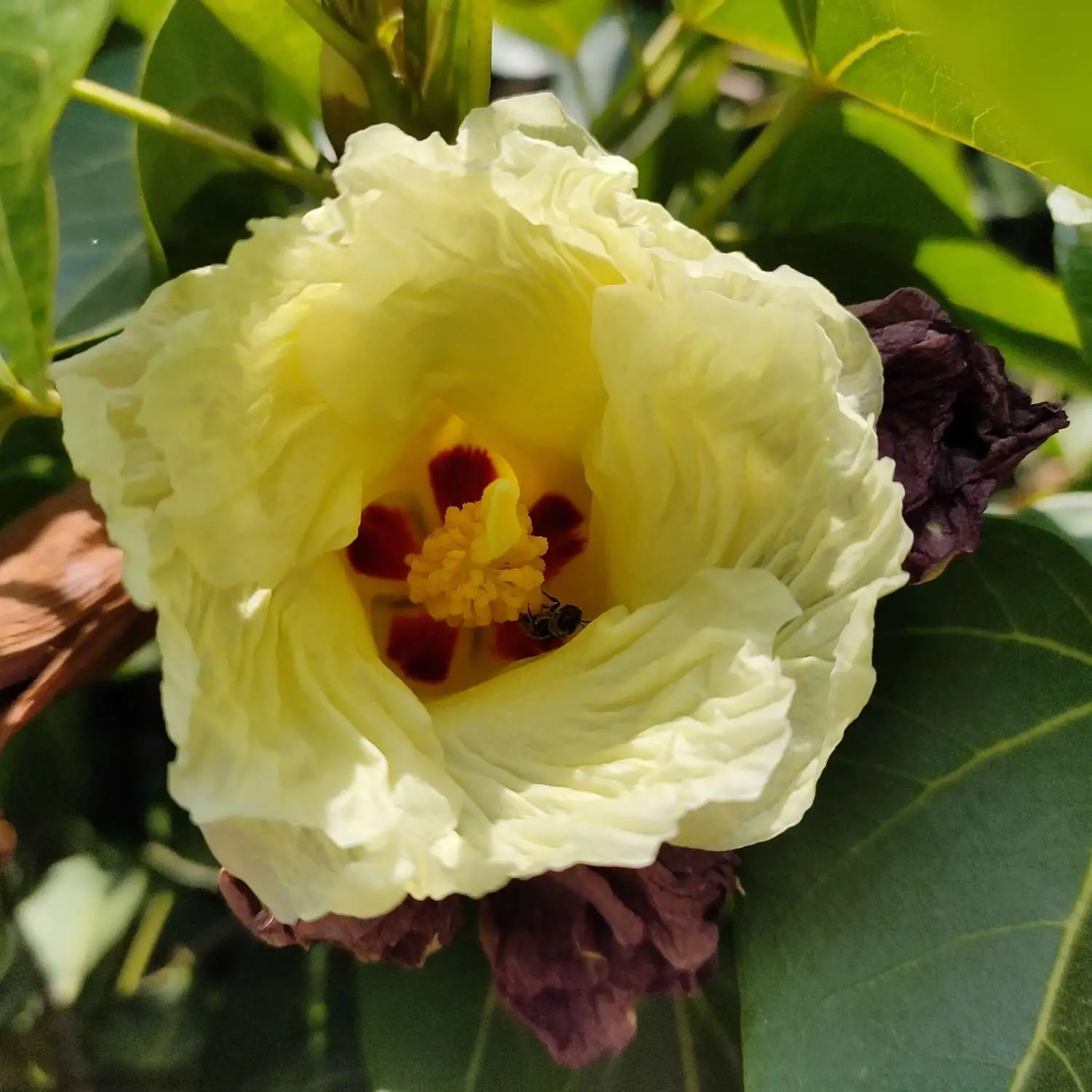
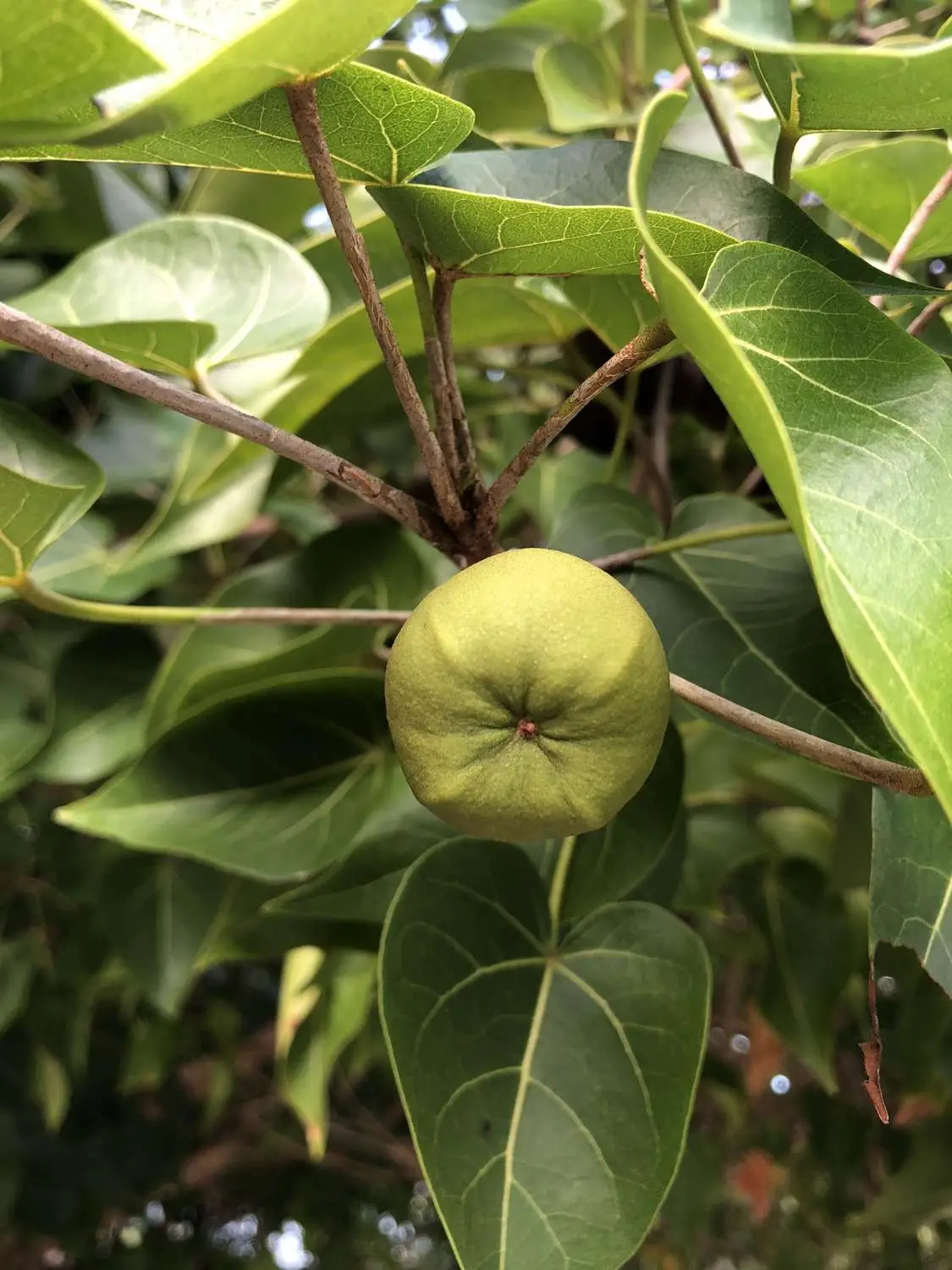
Thespesia populnea is a fast-growing evergreen tree that reaches 6 to 10 meters in height, known for its broad, heart-shaped leaves and large, hibiscus-like yellow flowers with a dark maroon center. Native to tropical coastal regions, it thrives in sandy or saline soils and tolerates strong winds and salt spray, making it ideal for coastal landscaping and erosion control. The wood is durable and used in carving and construction, while the tree also provides shade and ornamental value. It prefers full sun and warm, humid climates.
Germination Guide
🌍 Tropical Asia, coastal regions of Indian and Pacific Oceans
Moderate
Thespesia populnea is a fast-growing tropical tree native to coastal regions of Asia and the Pacific Islands. It is known for its beautiful yellow flowers and valuable timber. The species has hard seeds that typically require scarification to improve germination rates.
Germination
Germination time
Expect germination in
8 – 70 days
Temperature
Min 20°C
Ideal 25°C
Max 30°C
Substrate moisture
💧 Medium
Seed Pre-treatment
-
💧
Soaking — 24 hours
Soak seeds in water for 24 hours before planting to enhance germination
-
🔨
Mechanical scarification
Scarification with knife or sandpaper, or concentrated sulfuric acid for 20-60 minutes
-
📋
Additional notes
Hard seed coat requires scarification for improved germination
Substrate & Container
Recommended substrate
well-draining potting soil or sterile seed compost
Recommended container
pots deep enough to accommodate taproot
Growing Tips
Direct sowing often fails; use scarification and soaking pretreatment. Germination can be variable (8-70 days). Keep soil moist during germination phase. Seedlings ready for planting out in 12-16 weeks. Does not tolerate shade.
Only logged in customers who have purchased this product may leave a review.

Reviews
There are no reviews yet.