Description
Imagine harvesting flowers that have healed skin and spirit for over five centuries.
Crossandra infundibuliformis—the Firecracker Flower—is no ordinary ornamental. This Southeast Asian native arrived in temple gardens of Tamil Nadu as a flower of purity and spiritual fire, woven into sacred garlands honoring the divine. The plant itself whispers history: in Kerala’s healing traditions, crushed petals became poultices for inflamed skin; in Ayurvedic practice, the flower appeared in herbal manuscripts dating to the 1500s as a remedy for dermatitis and ocular health. When British botanists surveyed colonial gardens in the 1800s, they documented what local healers already knew—this flower mattered.
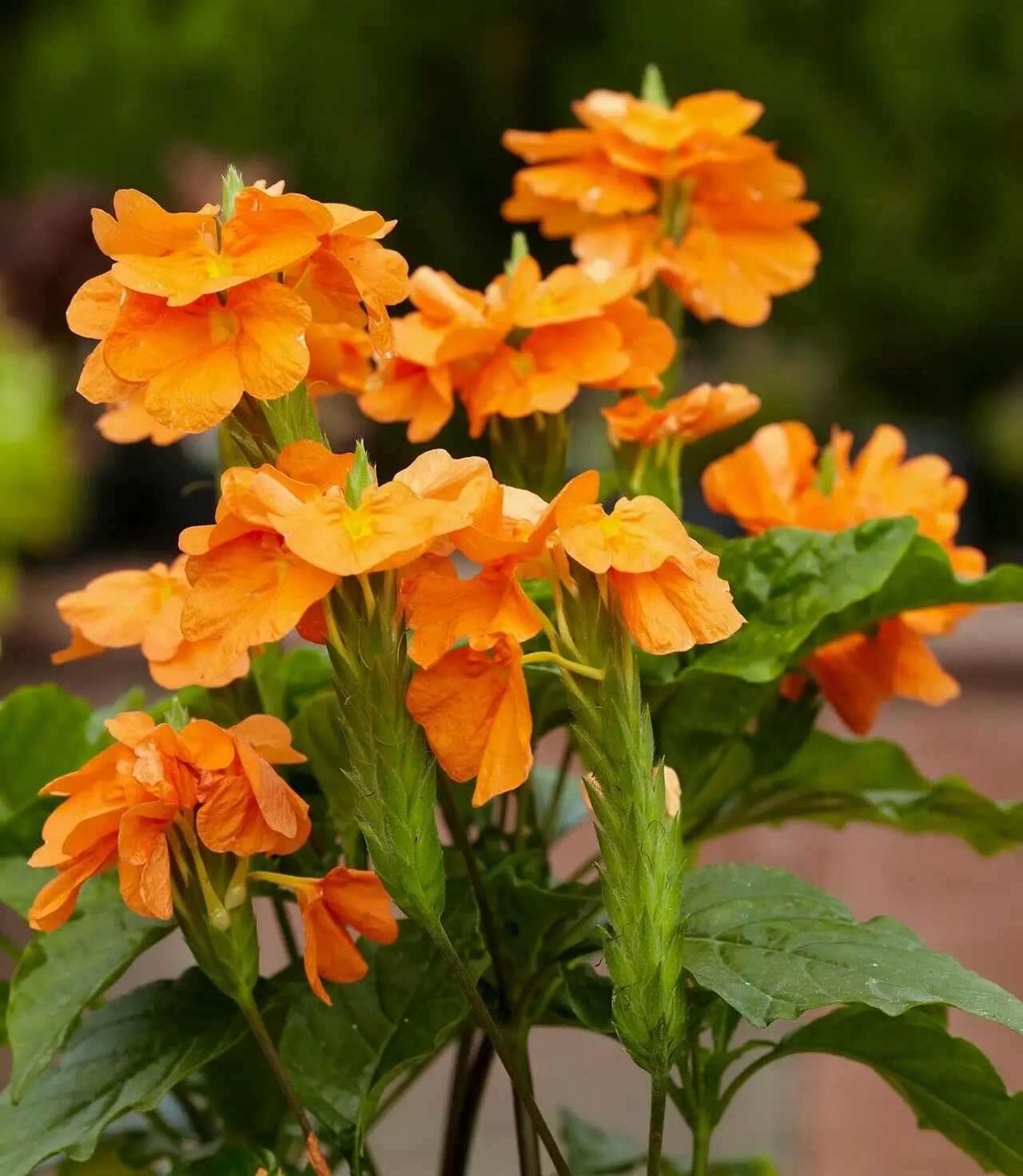
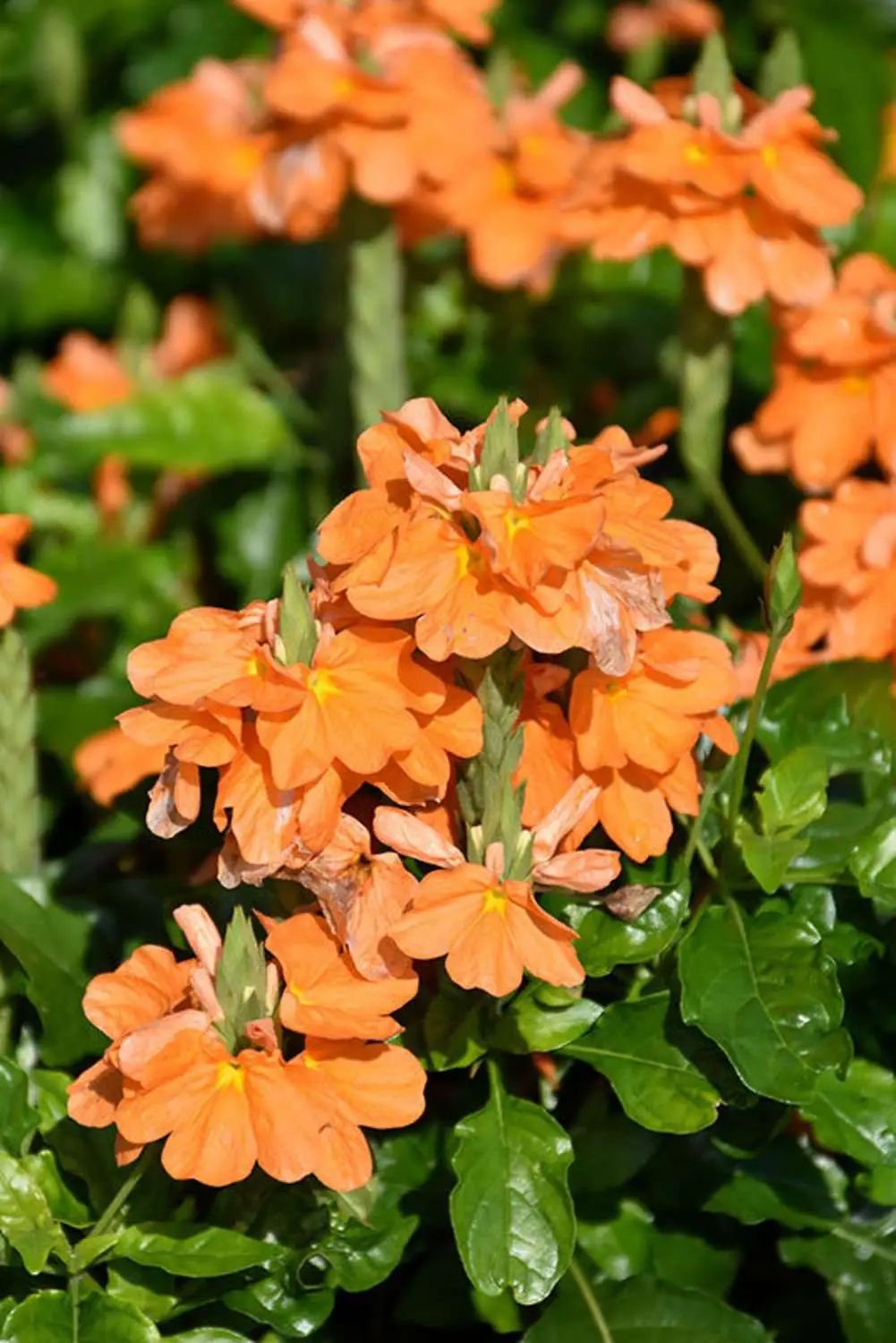
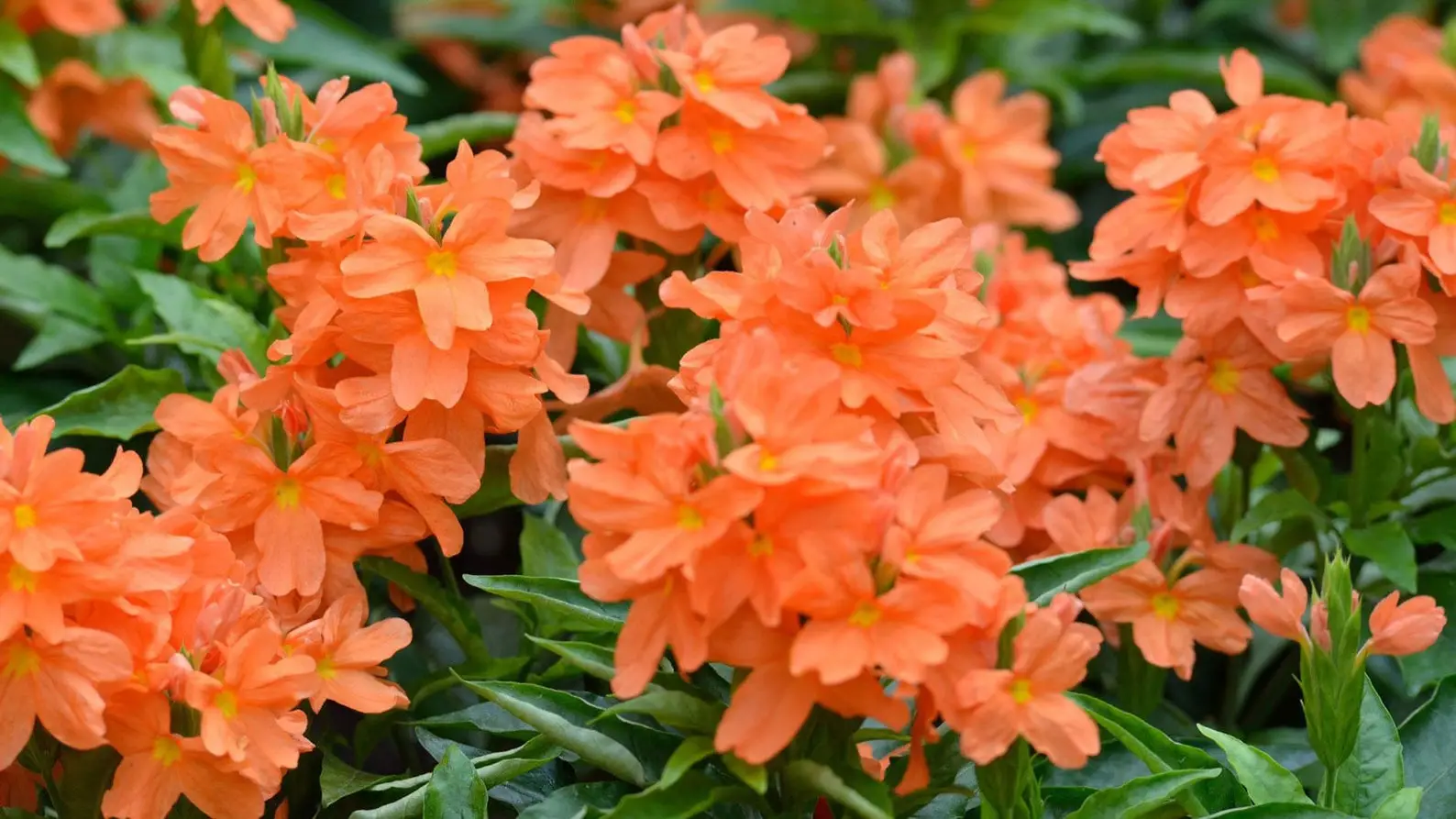
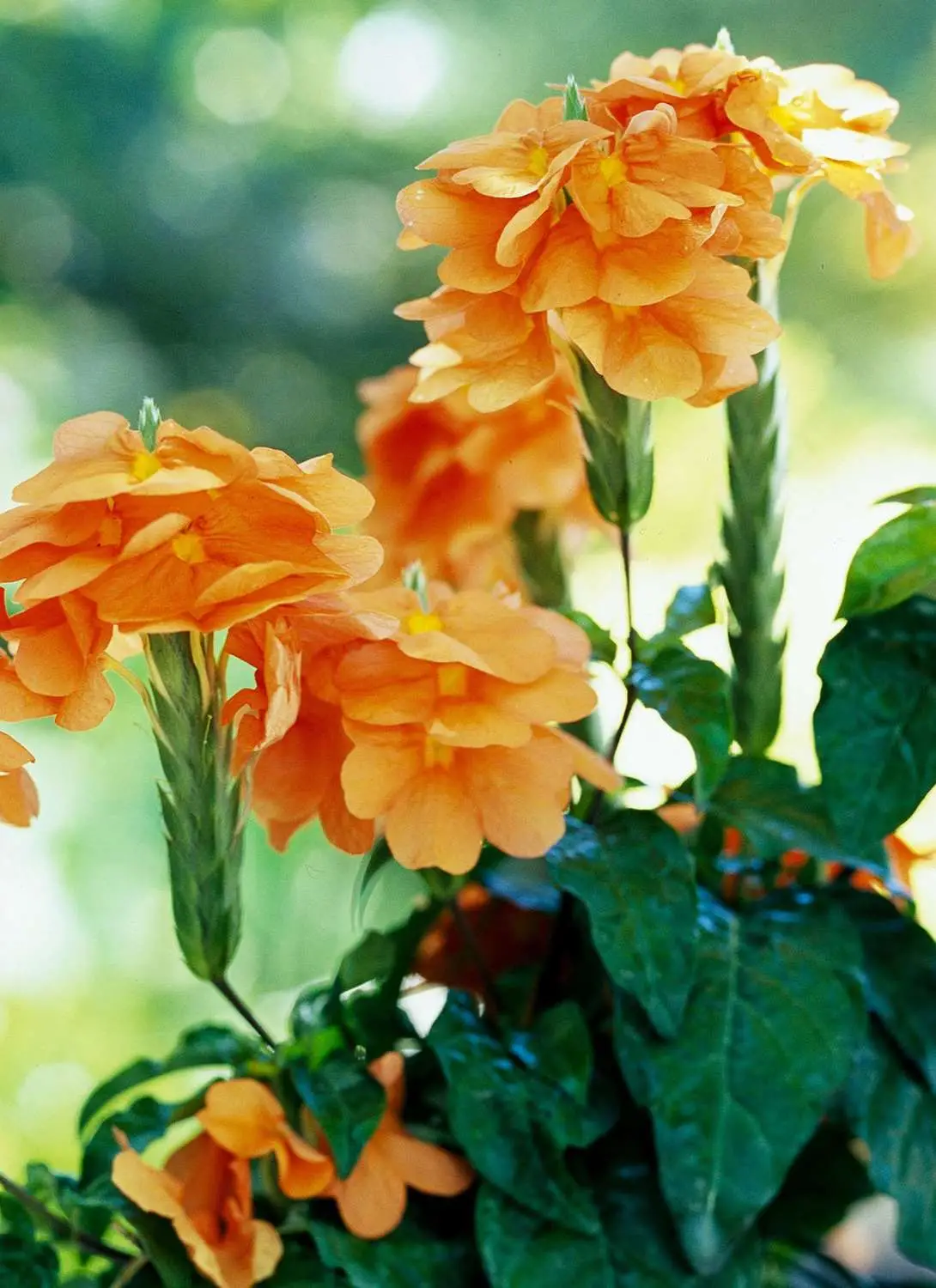
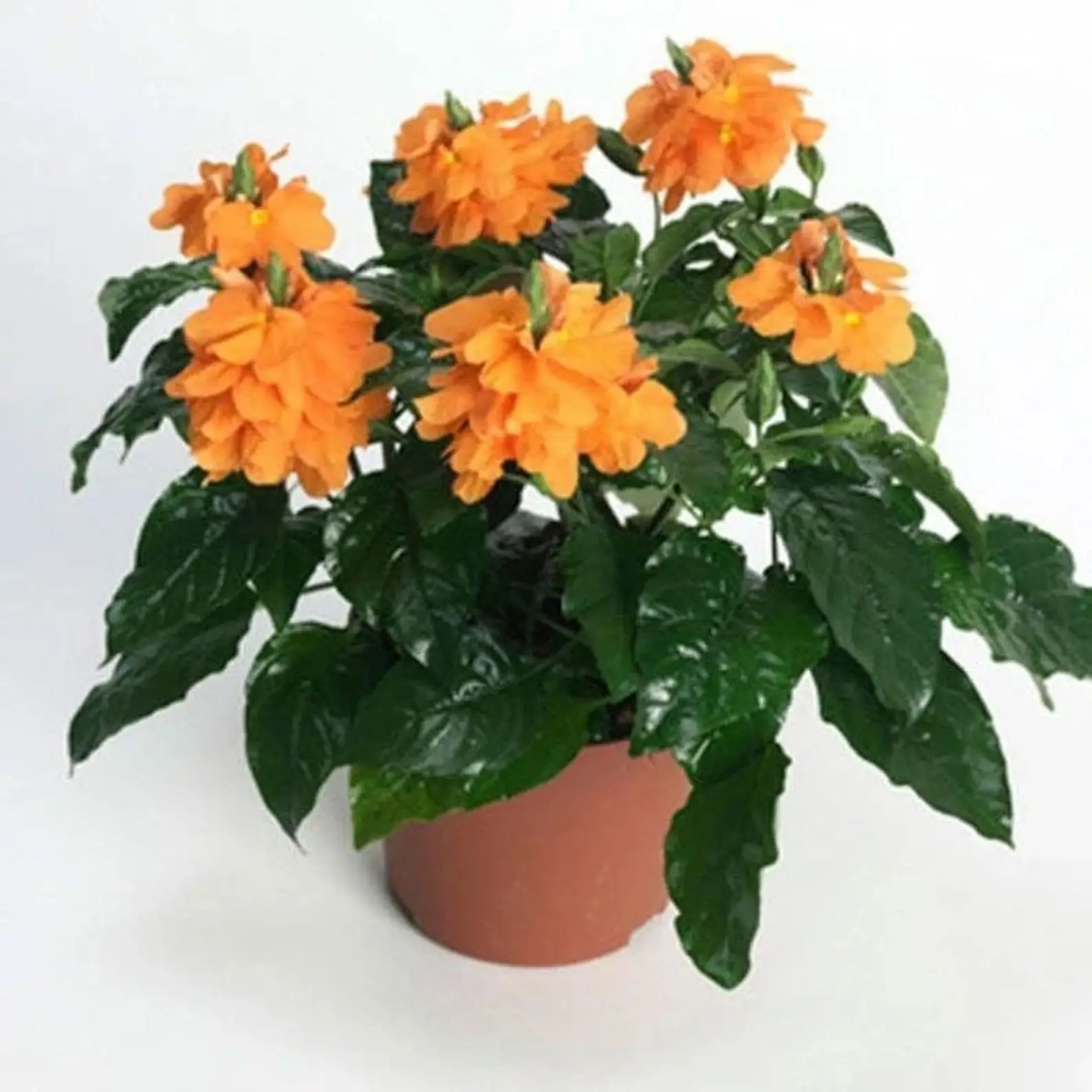
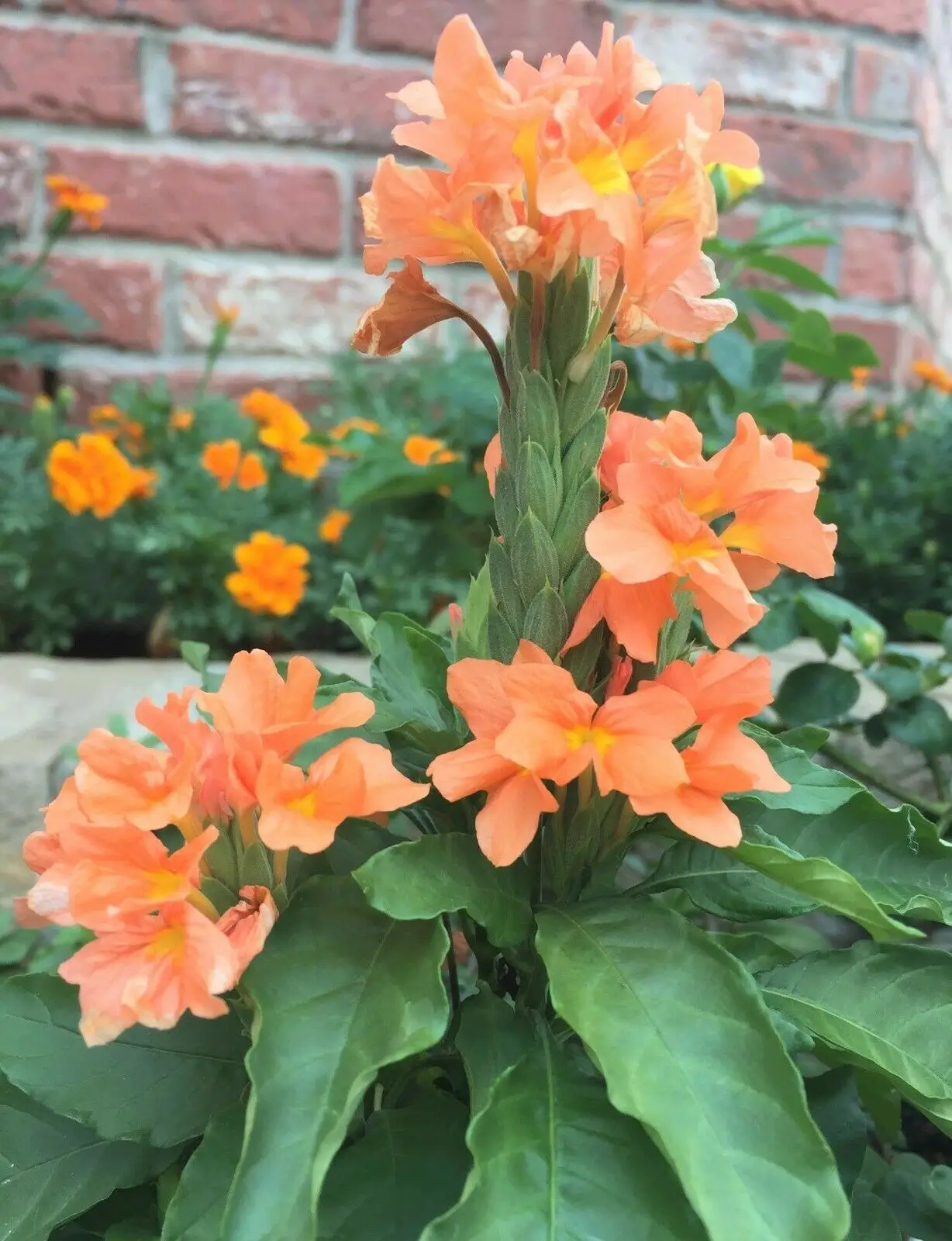
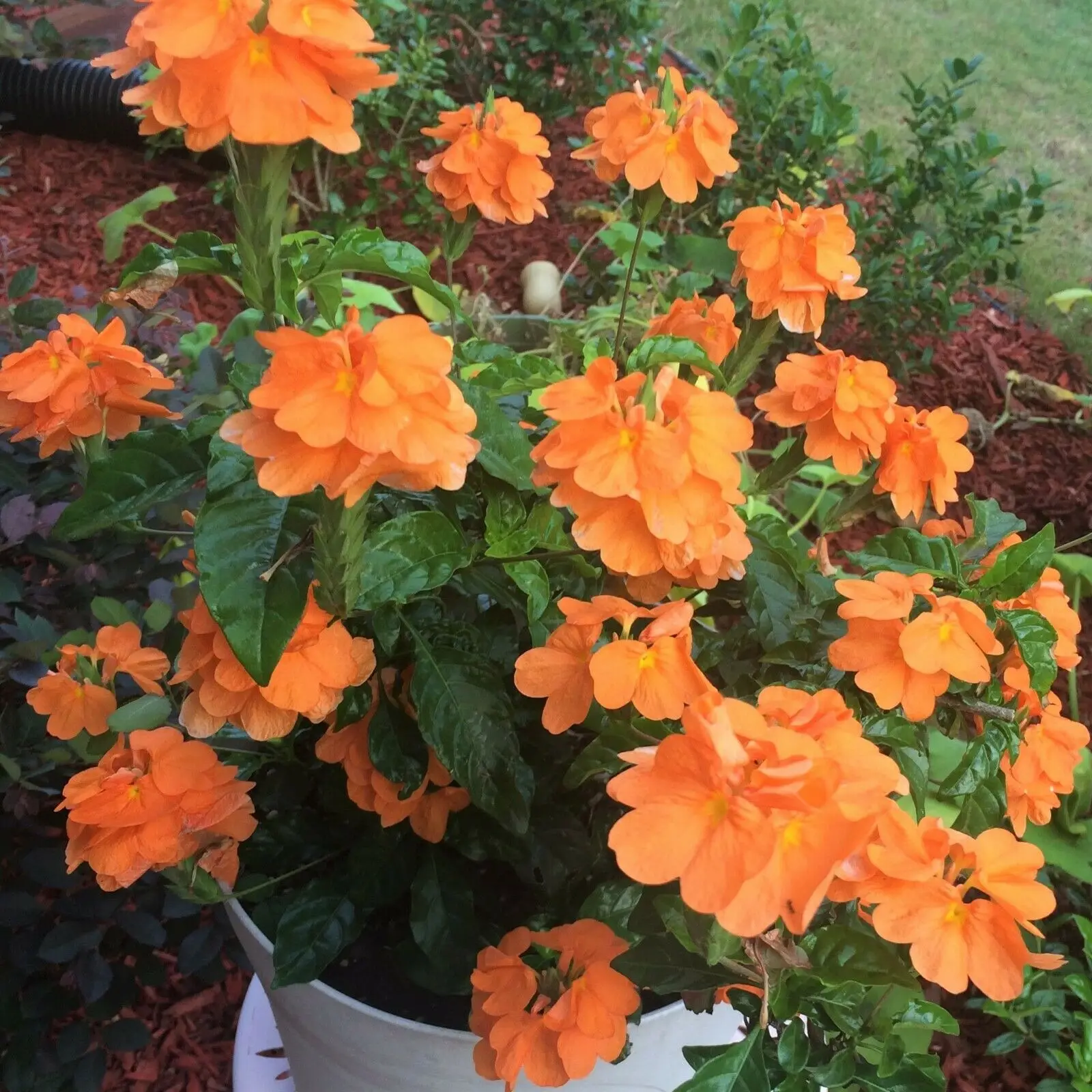
But the medicinal magic isn’t the only reason to fall in love. The flowers themselves are architectural marvels: asymmetrical, overlapping petals in vivid orange, salmon, coral, or even turquoise, each bloom featuring a striking yellow eye spot. They cluster densely along upright stems, creating a fan-shaped explosion of color that seems to defy the plant’s modest 30-90 cm stature. And the foliage—deep green, glossy, oval leaves with pronounced whitish veins—frames those flowers like living jewelry. Deadhead spent blooms and you’ll trigger waves of new flowers from spring through late autumn, sometimes year-round in tropical warmth.
Here’s where tradition meets practicality: Crossandra infundibuliformis is surprisingly forgiving. It thrives in bright, indirect light—not full sun, which can bleach the delicate petals. Keep the soil consistently moist but never waterlogged; in containers with well-draining potting mix amended with peat or organic matter, the plant settles into contentment. Warm temperatures (18-26°C minimum; it struggles below 10°C) and moderate to high humidity mirror its native tropical habitat and reward you with abundant blooms. In temperate zones, grow it as a vibrant houseplant near a sunny window, or shift it outdoors during warm months. Water with warmth—cold water shocks the roots. Fertilize monthly during spring and summer with a balanced formula. The plant is non-toxic to humans, pets, and horses, making it safe for any home.
Then there’s the theatrical finale: those famous “firecracker” seed pods. After flowering, papery capsules form and dry. When humidity rises or rain arrives, they suddenly split open—exploding—scattering seeds dramatically across soil below. It’s nature’s fireworks, and indoors you can control it by cutting stems before pods mature. Outdoors, let them fire; you’ll watch new seedlings emerge, completing the cycle that healers understood centuries ago.
Grow this from seed and you’re not just planting a flower. You’re cultivating a living bridge to centuries of South Asian wisdom, a beacon for hungry pollinators, and a daily reminder that the most potent beauty often comes with purpose. This is the flower that was worthy of temple garlands and healer’s hands. Make it part of your story.


Reviews
There are no reviews yet.