Description
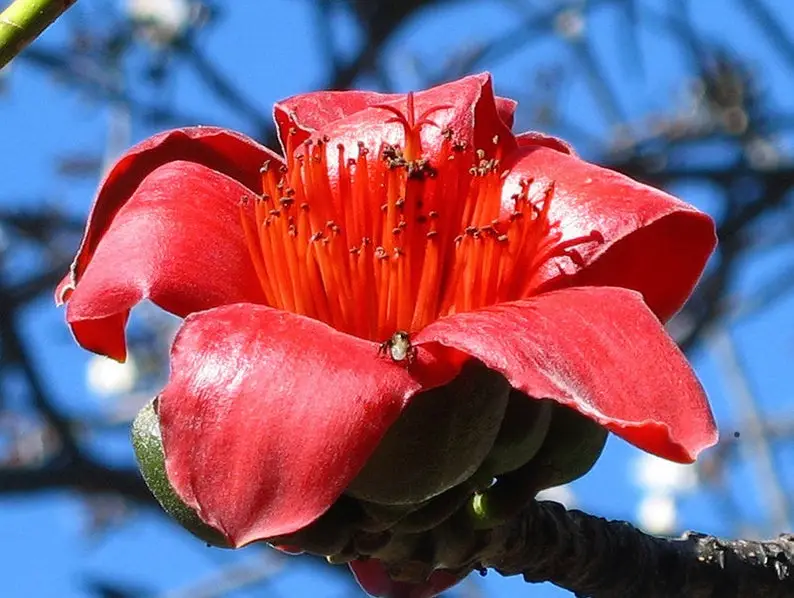
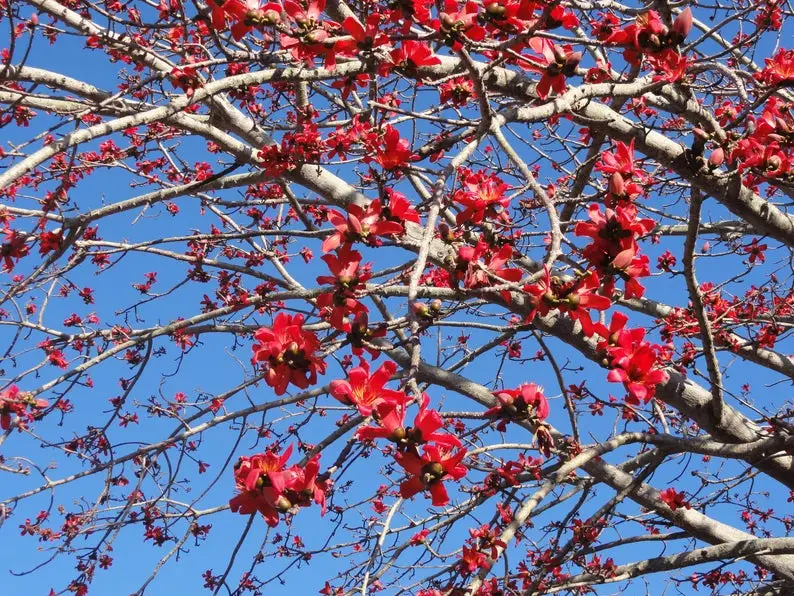
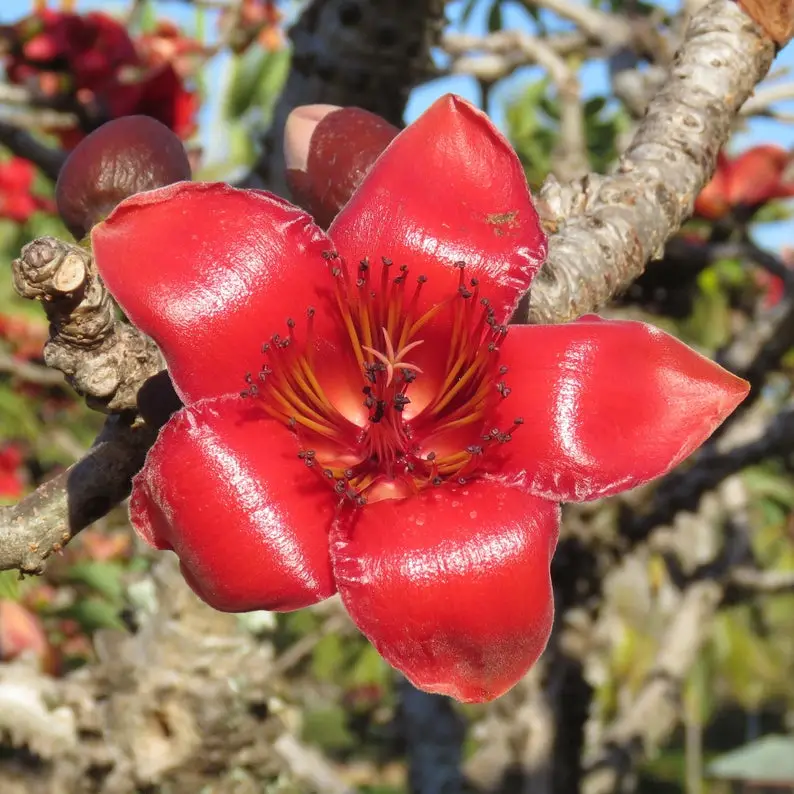
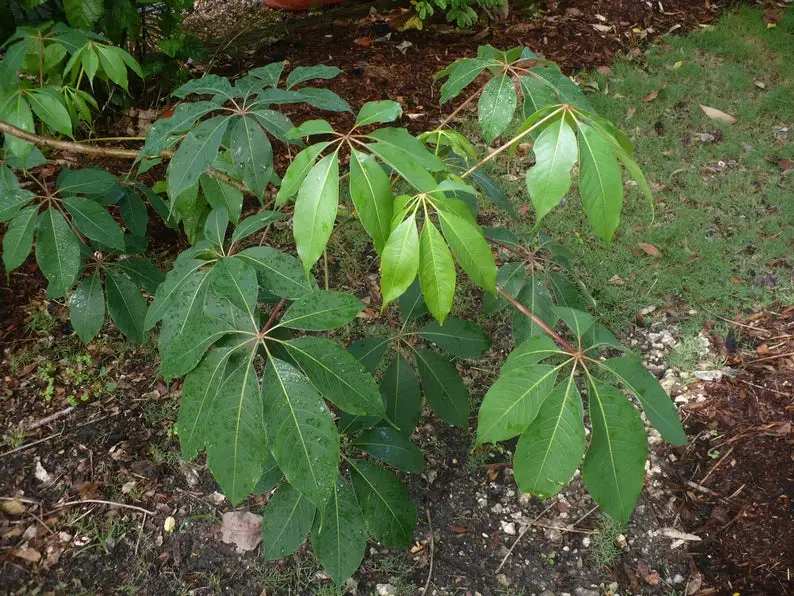
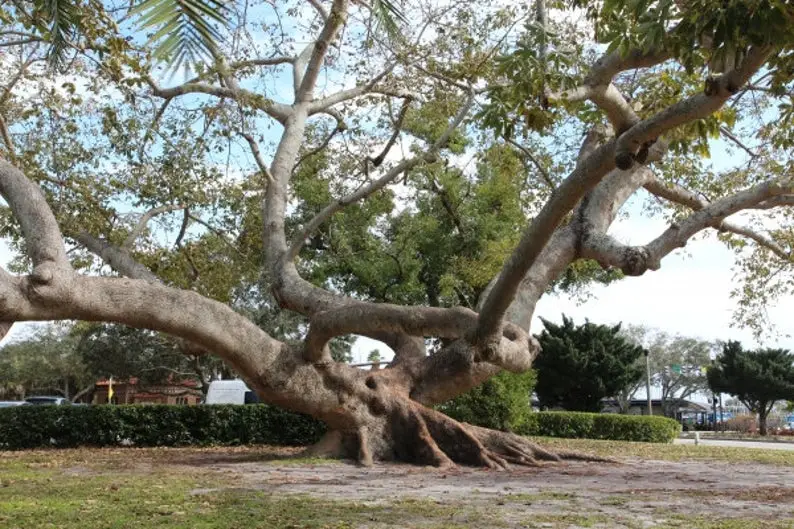
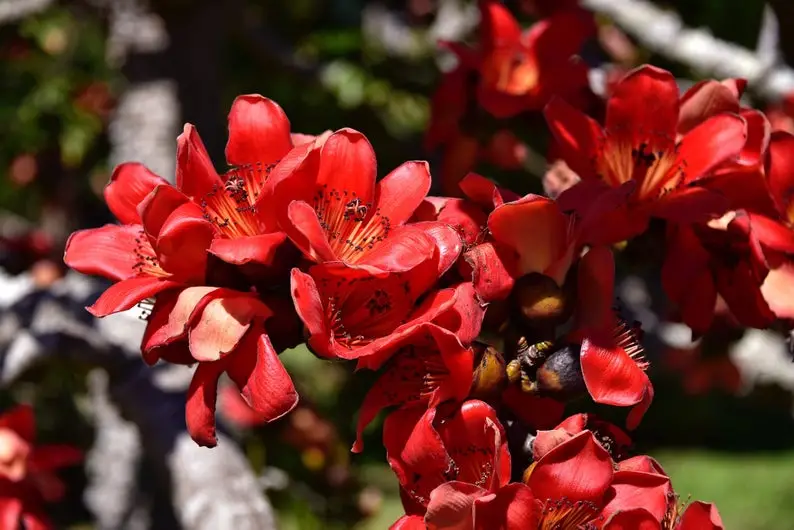
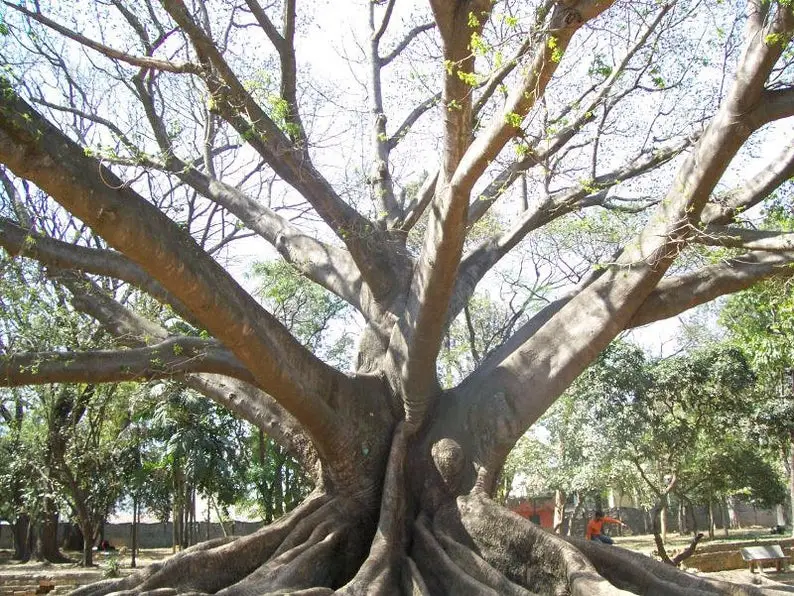
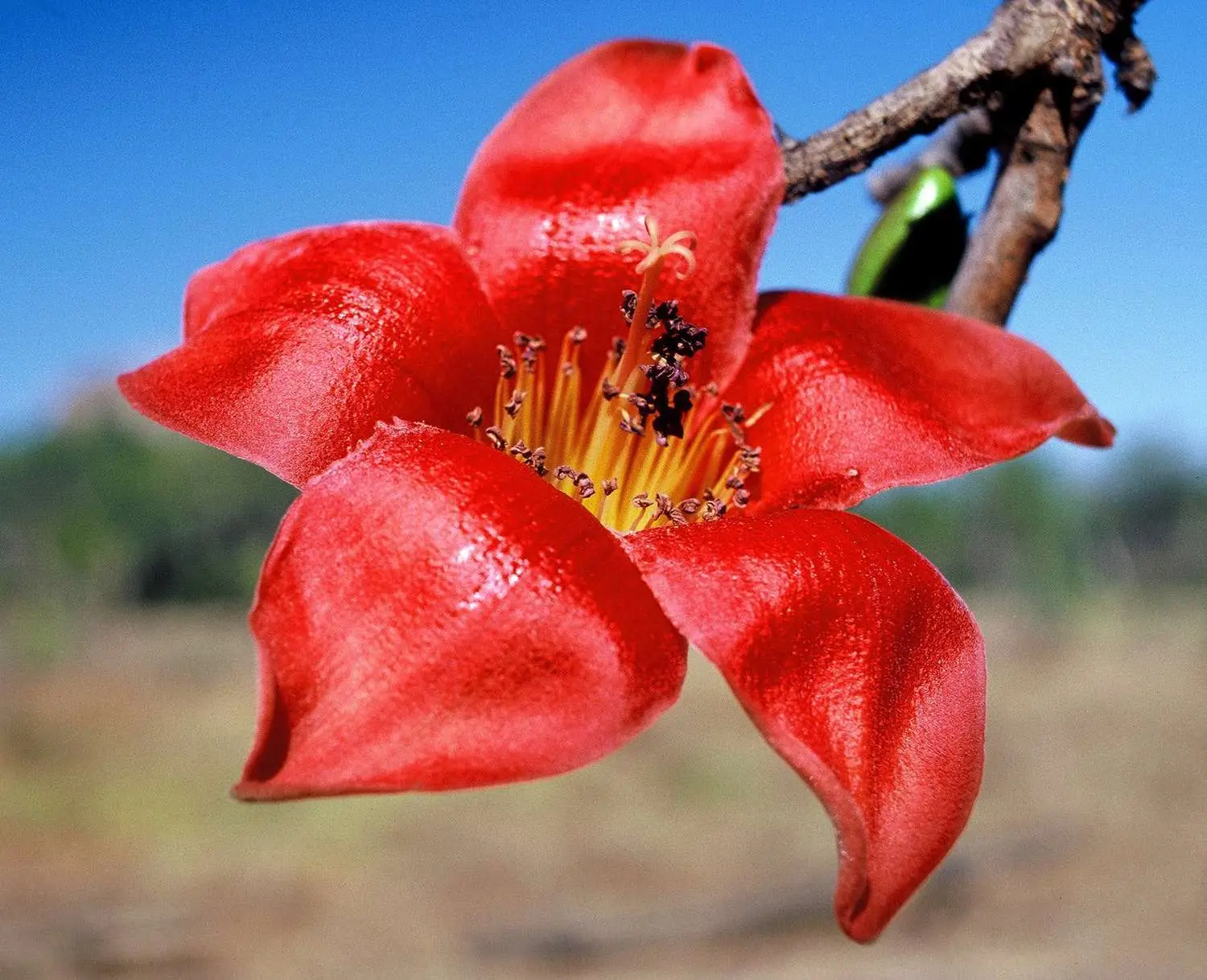
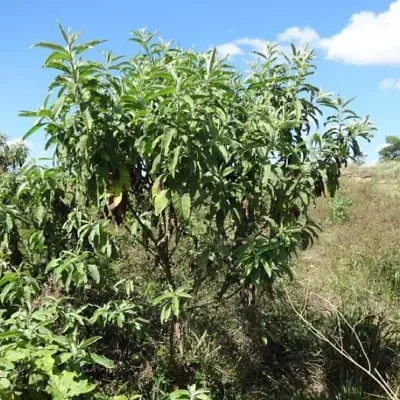
Bombax is a genus of mainly tropical trees in the mallow family. They are native to western Africa, the Indian subcontinent, Southeast Asia, and the subtropical regions of East Asia and northern Australia. It is distinguished from the genus Ceiba, which has whiter flowers.
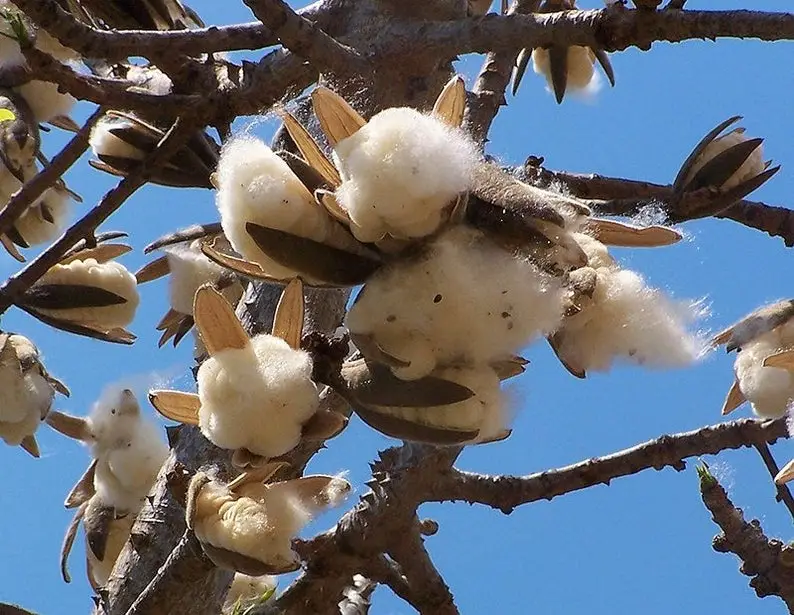
Common names for the genus include silk cotton tree, simal, red cotton tree, kapok, and simply bombax. Currently four species are recognised, although many plants have been placed in the genus that were later moved.[2]
The genus is best known for the species Bombax ceiba, which is widely cultivated throughout tropical and sub-tropical regions of the world. It is native to southern and eastern Asia and northern Australia.
Bombax species are used as food plants by the larvae of some Lepidoptera species including the leaf-miner Bucculatrix crateracma which feeds exclusively on Bombax ceiba.
The tree appears on the flag of Equatorial Guinea.
Germination Guide
🌍 Tropical and Subtropical Asia to Northern Australia
Easy
Bombax ceiba, commonly known as red silk-cotton tree or kapok tree, is a large fast-growing deciduous tree native to tropical and subtropical regions of Asia. Seeds are propagated artificially through seed collection and direct sowing with minimal pre-treatment requirements.
Germination
Germination time
Expect germination in
10 – 25 days
Temperature
Min 24°C
Ideal 26°C
Max 29°C
Substrate moisture
💧💧 High
Sowing depth
Lightly covered
Seed Pre-treatment
-
💧
Soaking — 24 hours
Soaking in warm water for 24 hours is beneficial to enhance viability and soften the seed coat
-
📋
Additional notes
Fresh seeds have high germination rates without pre-treatment; pre-soaking of 24 hours improves viability for dried seeds
Substrate & Container
Recommended substrate
sandy loam mix, well-draining seedbed
Recommended container
seedbeds or trays
Growing Tips
Sow in sunny position; keep consistently moist at 75-85°F (24-29°C); sprouting occurs in 10-25 days; transplant 5cm tall seedlings to individual containers and plant out after 12 months; avoid waterlogging to prevent root rot
Only logged in customers who have purchased this product may leave a review.

Reviews
There are no reviews yet.