Description
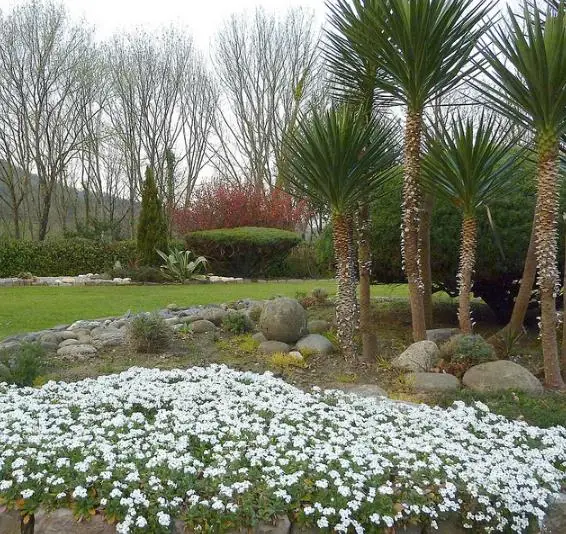
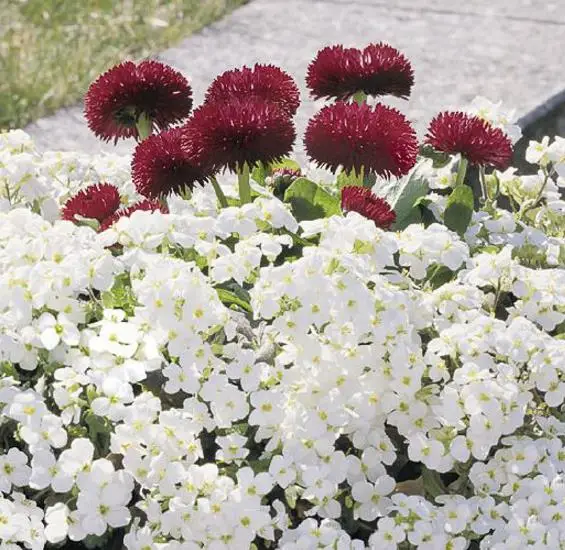
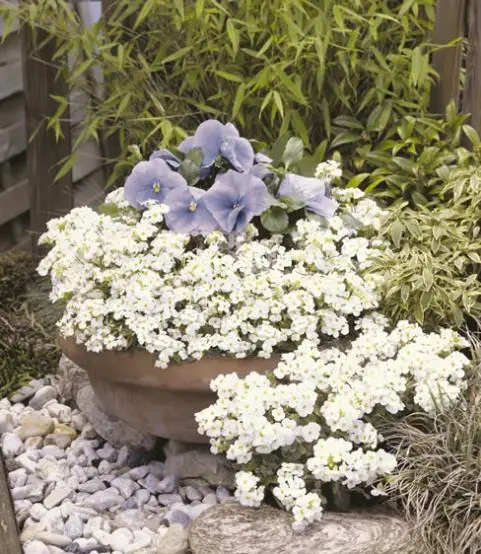
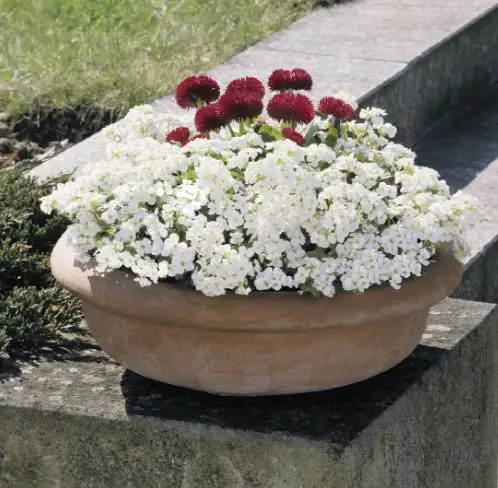
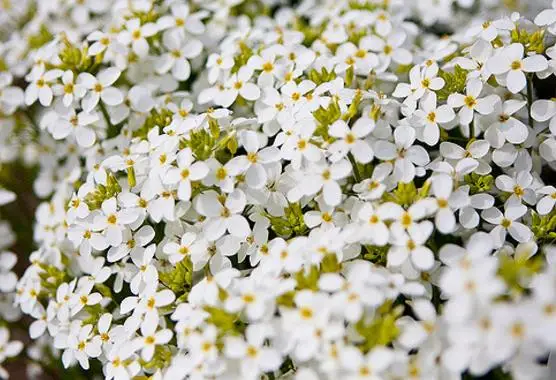
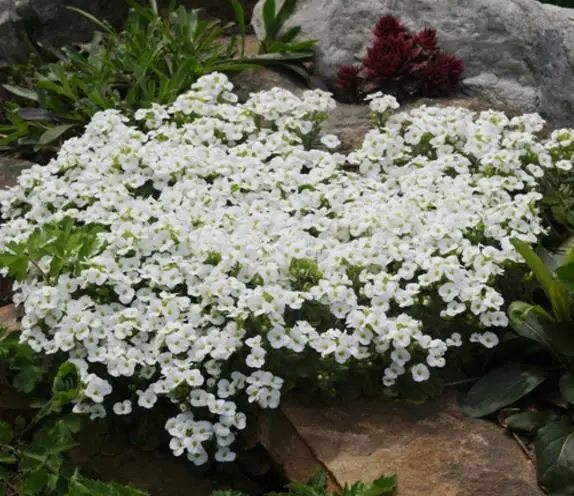
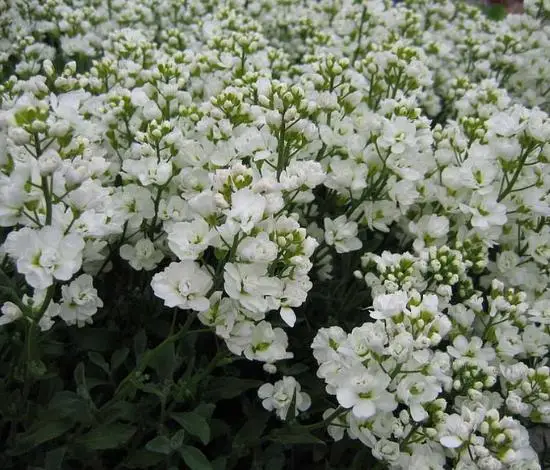
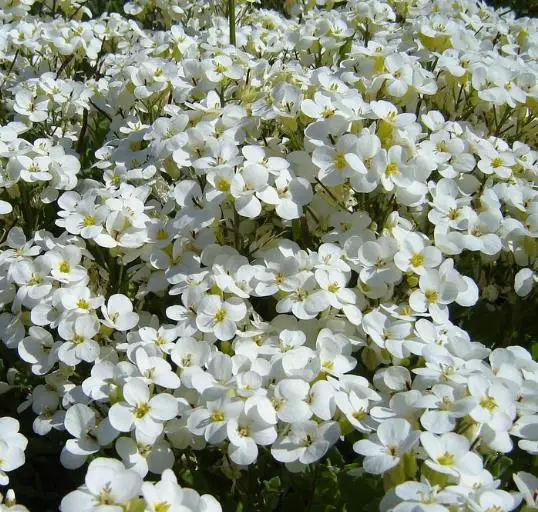
Arabis caucasica ‘Snowfix’ is a charming, low-growing evergreen perennial that forms neat mats of silvery-green foliage, making it ideal as groundcover, for edging paths, or tumbling gracefully over walls. In spring, it bursts into masses of pure white flowers, creating a striking display that brightens borders, rock gardens, and containers. Compact and easy to maintain, ‘Snowfix’ is drought-tolerant once established and thrives in sunny, well-drained positions, bringing long-lasting beauty and resilience to the garden.
Germination Guide
🌍 Crimea, Turkey, Iran, Caucasus, Mediterranean, and southeastern Europe
Easy
Arabis caucasica 'Snowfix' is a hardy, evergreen perennial in the Brassicaceae family, native to alpine regions of Europe and western Asia. This cultivar produces bright white flowers and forms attractive mounded carpets of gray-green foliage. Seeds require light and benefit from cold stratification to achieve optimal germination rates, typically emerging within 7-25 days at moderate temperatures.
Germination
Germination time
Expect germination in
7 – 25 days
Temperature
Min 15°C
Ideal 21°C
Max 24°C
Substrate moisture
💧💧 High
Substrate & Container
Recommended substrate
Well-drained, light, porous seed-starting mix free of pathogens. Use fine seed-starting mix or 50% sand + 50% compost.
Recommended container
Transparent plastic container with cover or humidity dome for consistent moisture maintenance
Growing Tips
Seeds require light; do not cover with soil. Press seeds lightly into substrate surface contact. Maintain humidity with transparent cover or dome, opening briefly daily for air exchange to prevent mold. After cold stratification, allow seeds to warm to room temperature before sowing. Use grow lights for 12-16 hours daily if natural light is insufficient. Once seedlings develop 2-3 true leaves, transplant to individual pots. Harden off plants over 4-8 weeks before transplanting to garden. Species prefers afternoon shade in hot climates. Provide well-drained substrate and avoid overwatering to prevent root rot. Once established, plants are drought-tolerant and require minimal maintenance.
Only logged in customers who have purchased this product may leave a review.


Reviews
There are no reviews yet.