
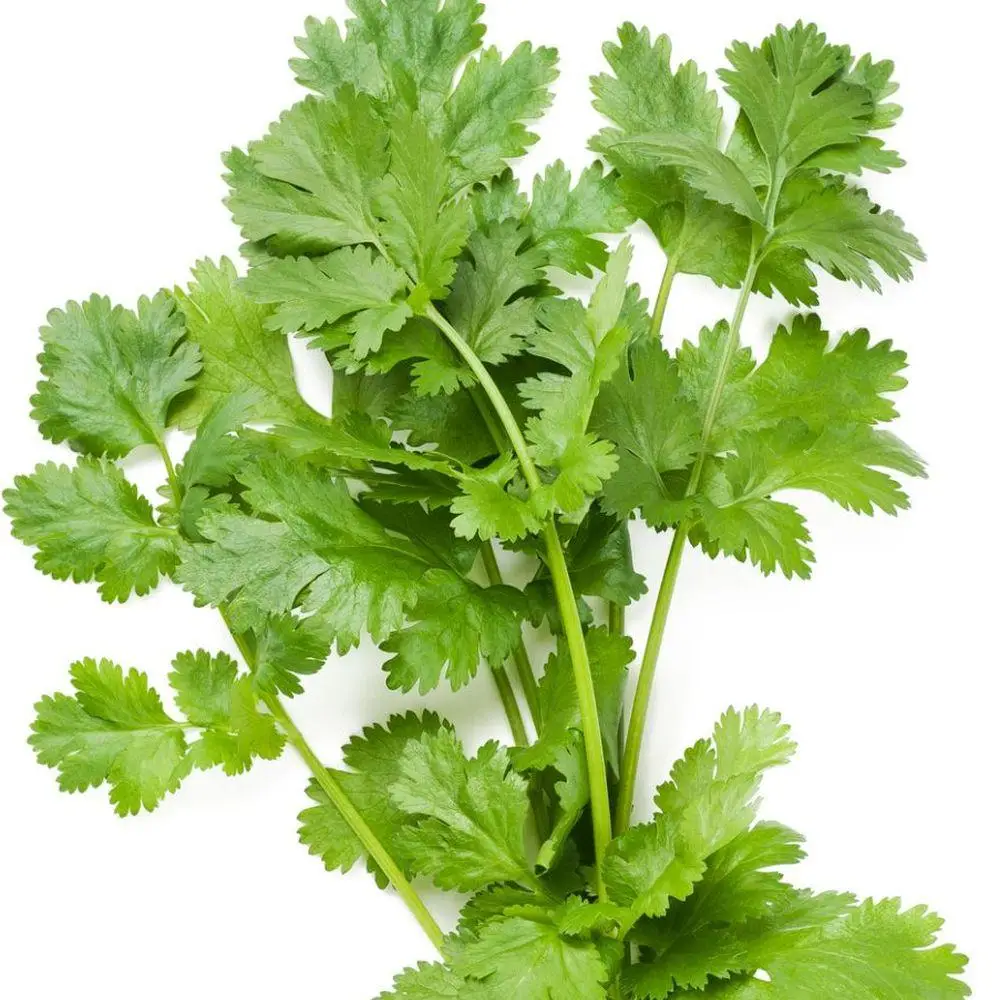
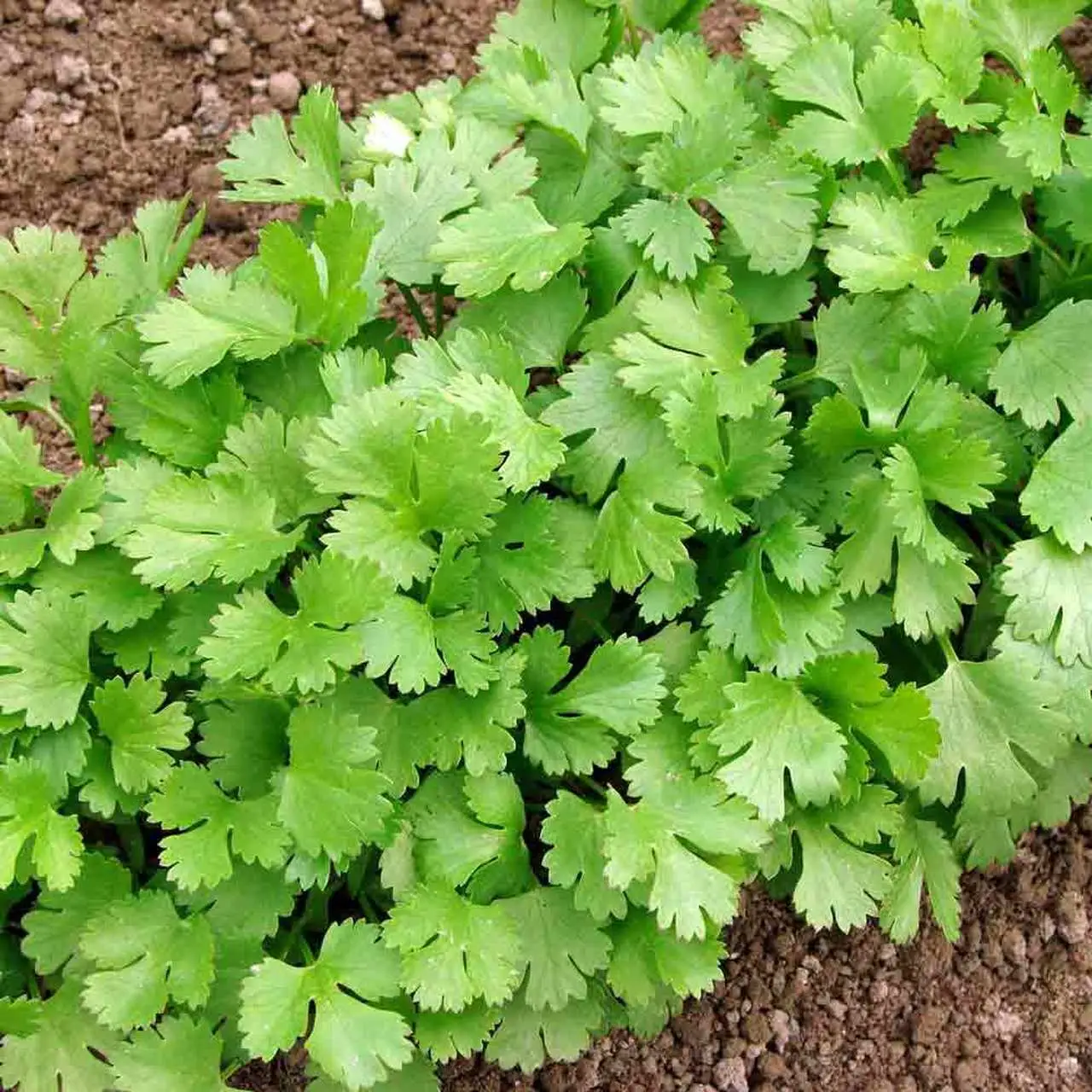
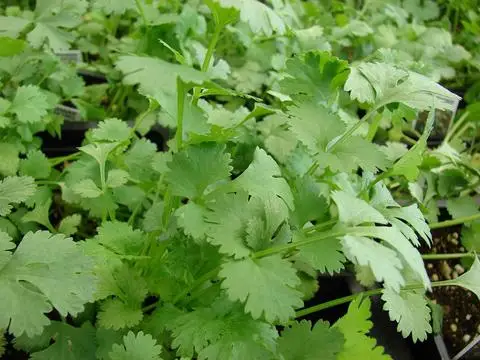

One plant, two treasures. Grow Coriandrum sativum for silky cilantro leaves bursting with citrus brightness, then let it flower into delicate white blooms that mature into aromatic coriander seeds—a kitchen staple for curries, spice blends, and healing teas. Hardy, fast-growing, and endlessly rewarding from leaf to seed. Direct sow and harvest in as little as 4 weeks.
€1.92
One of the world’s most versatile herbs—Coriandrum sativum rewards you twice: first as tender, peppery cilantro leaves, then as golden, lemony-citrus seeds that become your spice pantry staple.
Origin & Heritage
This heirloom has been cultivated for over 8,000 years, from ancient Mediterranean gardens to Egyptian temples and Sanskrit texts. Its name derives from the Greek word for “gnat,” a playful nod to its pungent aroma when young. Spanish conquistadors carried it to the Americas in the 16th century, where it became foundational to Latin, Indian, Thai, and Middle Eastern cuisines. Today it’s the International Herb Association’s Herb of the Year—and for good reason.
The Dual Gift: Culinary & Medicinal Power
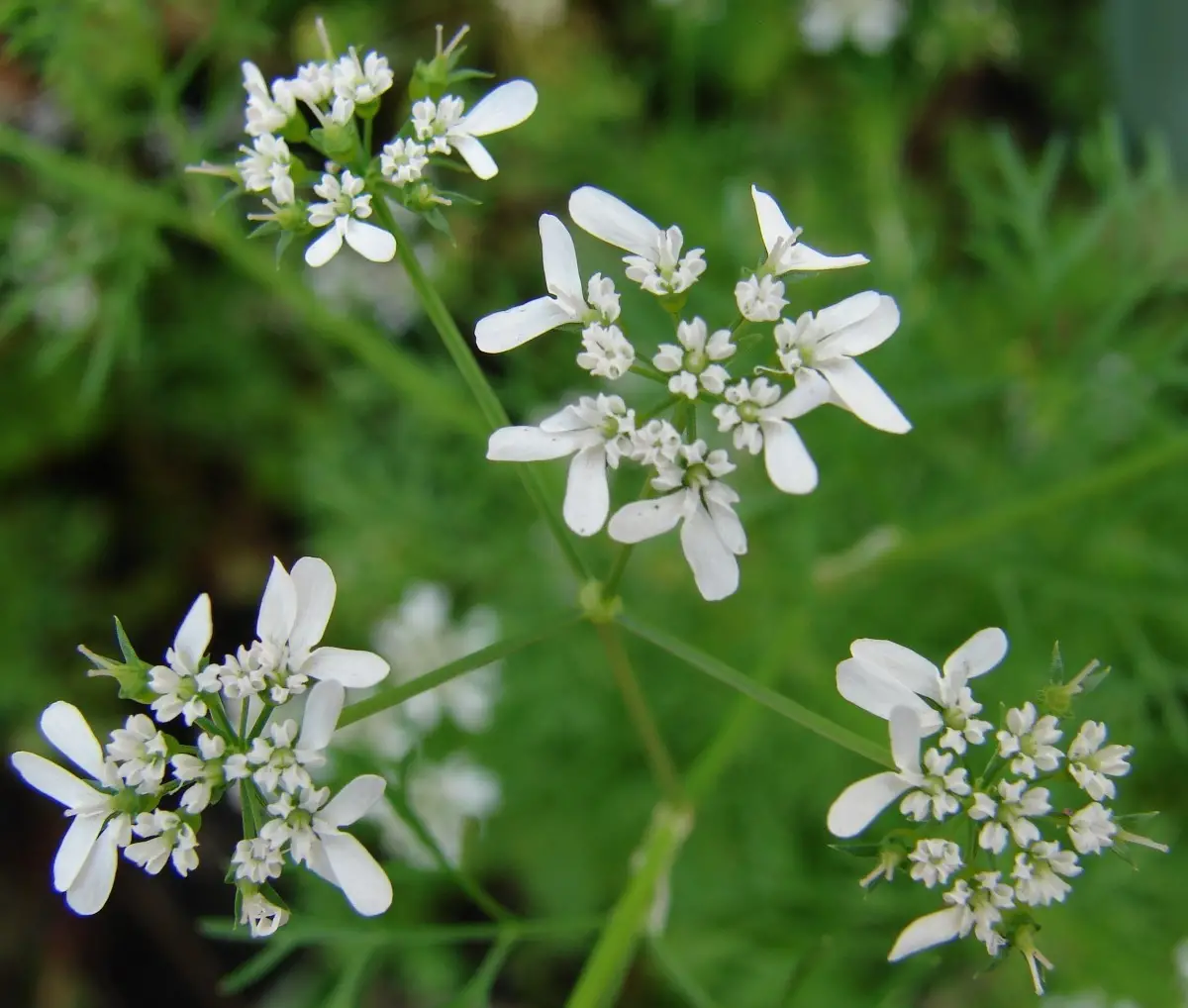
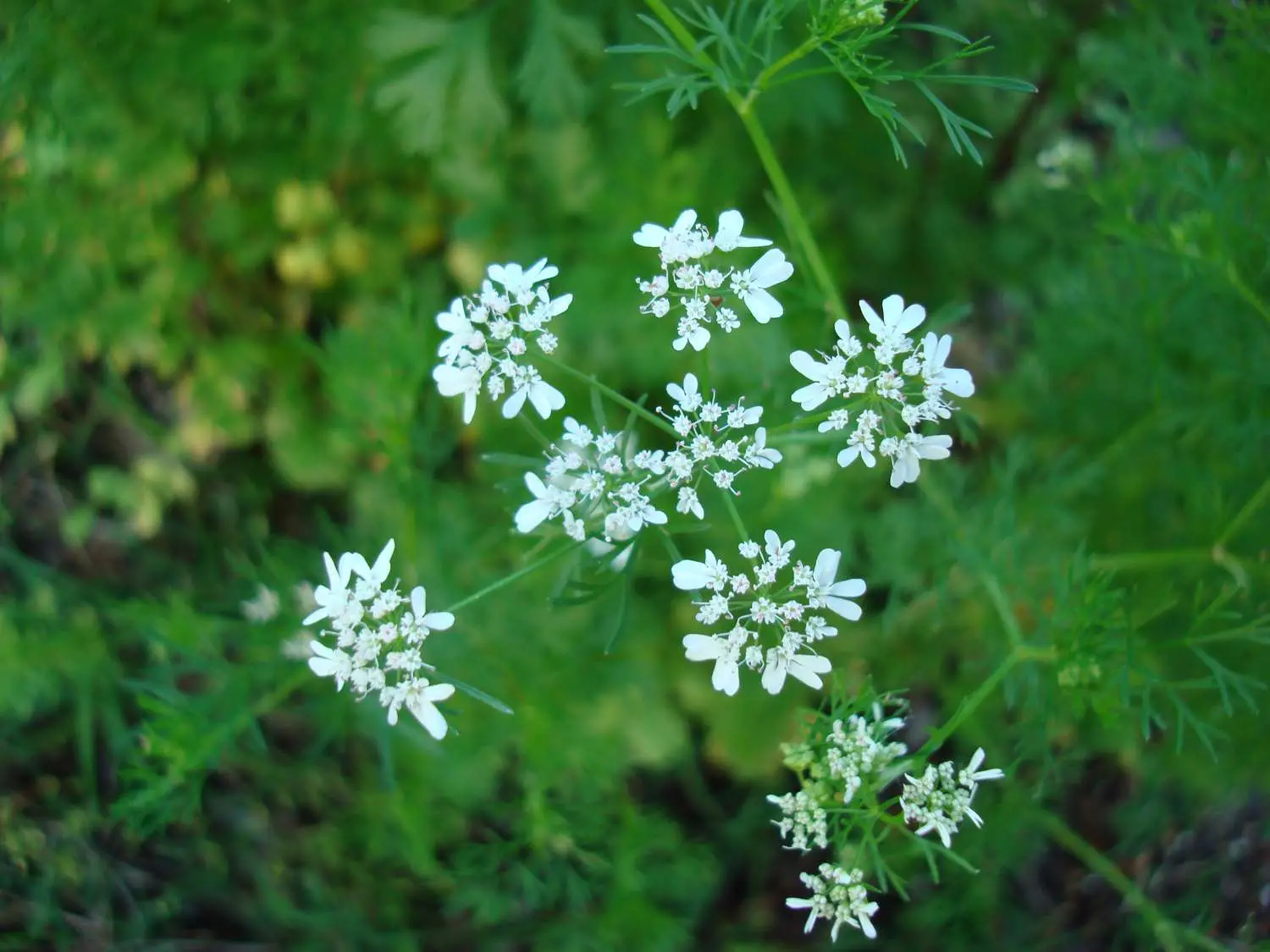
This is where Coriandrum sativum truly shines. The fresh leaves—bright green, feathery, and alive with citrus notes—are the foundation of salsas, chutneys, curries, and Southeast Asian soups. But don’t stop there. Allow the plant to bolt (yes, really), and watch it transform into towering 2-3 foot stems crowned with delicate white or pale pink umbel flowers. These flowers mature into the dried seeds you’ve tasted in Indian garam masala, Scandinavian breads, and healing teas.
The seeds are where the real magic lives. Rich in linalool and other essential oils, coriander seeds have been treasured for millennia as a digestive aid—soothing bloating, gas, and indigestion with remarkable gentleness. Traditional healers across India, Pakistan, and the Middle East used this plant to calm gastrointestinal discomfort, support respiratory health, and even regulate blood sugar. Modern research confirms what grandmothers always knew: coriander seeds contain potent antioxidants and anti-inflammatory compounds that support heart health, digestion, and overall wellness. You can grind them fresh for curry pastes, steep them for warming digestive tea, or add whole seeds to pickles and roasted vegetables. Every ground seed releases its full citrus-nutty aroma—incomparably richer and more complex than store-bought powder.
How to Grow It
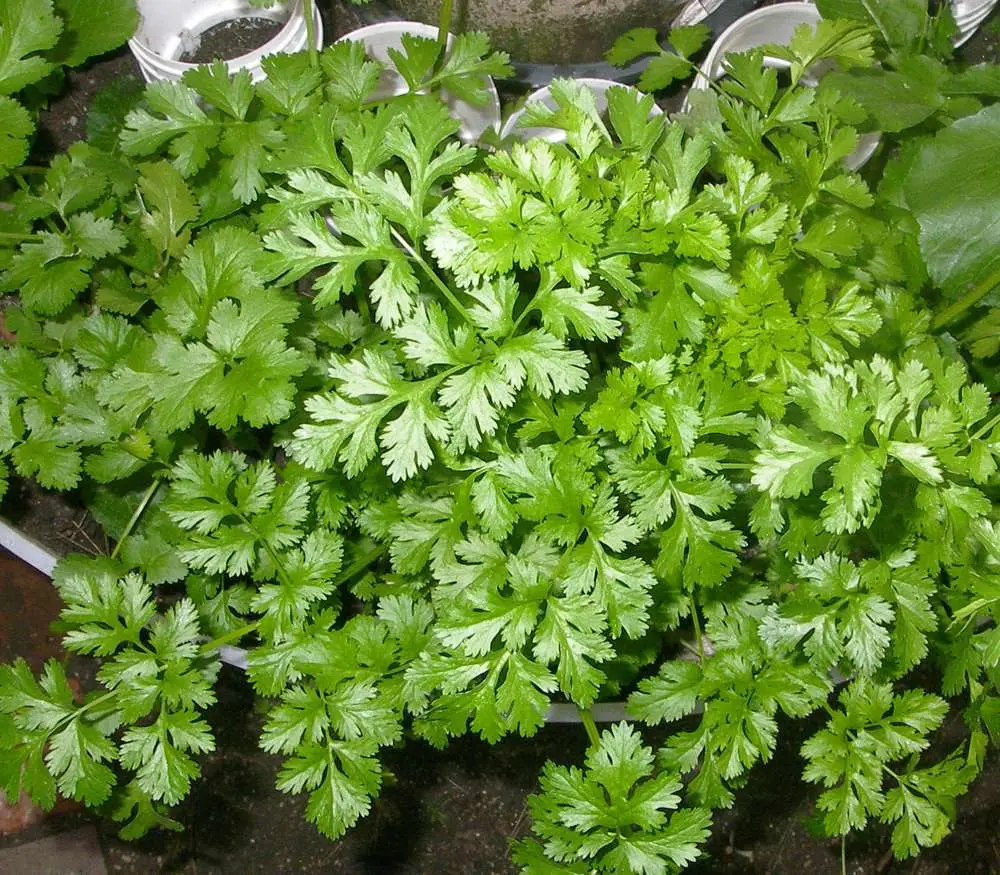
Coriandrum sativum is honest about what it wants: cool weather, good light, and well-draining soil. This is an easy-to-medium herb. Direct sow seeds (lightly scarify them first to speed germination) in spring or fall, spacing them 1-2 inches apart in full sun or partial shade. Soil should be loamy and well-draining with a pH around 6.2-6.8. Water regularly but avoid waterlogging—cilantro hates wet feet. The plant grows 12-18 inches tall for leaf harvest and will reach 2-3 feet when flowering.
For continuous cilantro harvests, snip outer leaves frequently and sow fresh seeds every 2-3 weeks. If you want seeds, let the plant mature fully: it reaches seed-ready stage in 90-105 days from sowing. Unlike many herbs, cilantro can be grown in containers (ensure good drainage) and adapts well from spring through fall in most zones. It thrives in USDA Hardiness Zones 2a-11b.
The Delicious Twist
You don’t have to choose. Grow some plants just for tender leaves, and leave a few to go to seed. Harvest fresh cilantro in as little as 4 weeks, then—when the plant bolts—enjoy those delicate white flowers (they’re edible and attract pollinators). Let the green seed pods mature to light brown, cut the stem, and hang it to dry in a warm, airy spot. Within a week or two, rub the dried pods between your palms and release the fragrant brown seeds. Store in an airtight jar and you’ll have fresh, potent coriander for the entire year ahead.
Close: The Seed Matters
When you grow from seed, you’re not just planting—you’re reclaiming a 8,000-year-old lineage of flavor and healing. This heirloom variety connects you to Mediterranean merchants, Indian spice traders, and home cooks who understood that the best ingredients come from soil you’ve touched. Your cilantro leaves will brighten tonight’s dinner. Your coriander seeds will warm next winter’s tea. Plant it. Grow it. Keep it.
Only logged in customers who have purchased this product may leave a review.


Reviews
There are no reviews yet.