
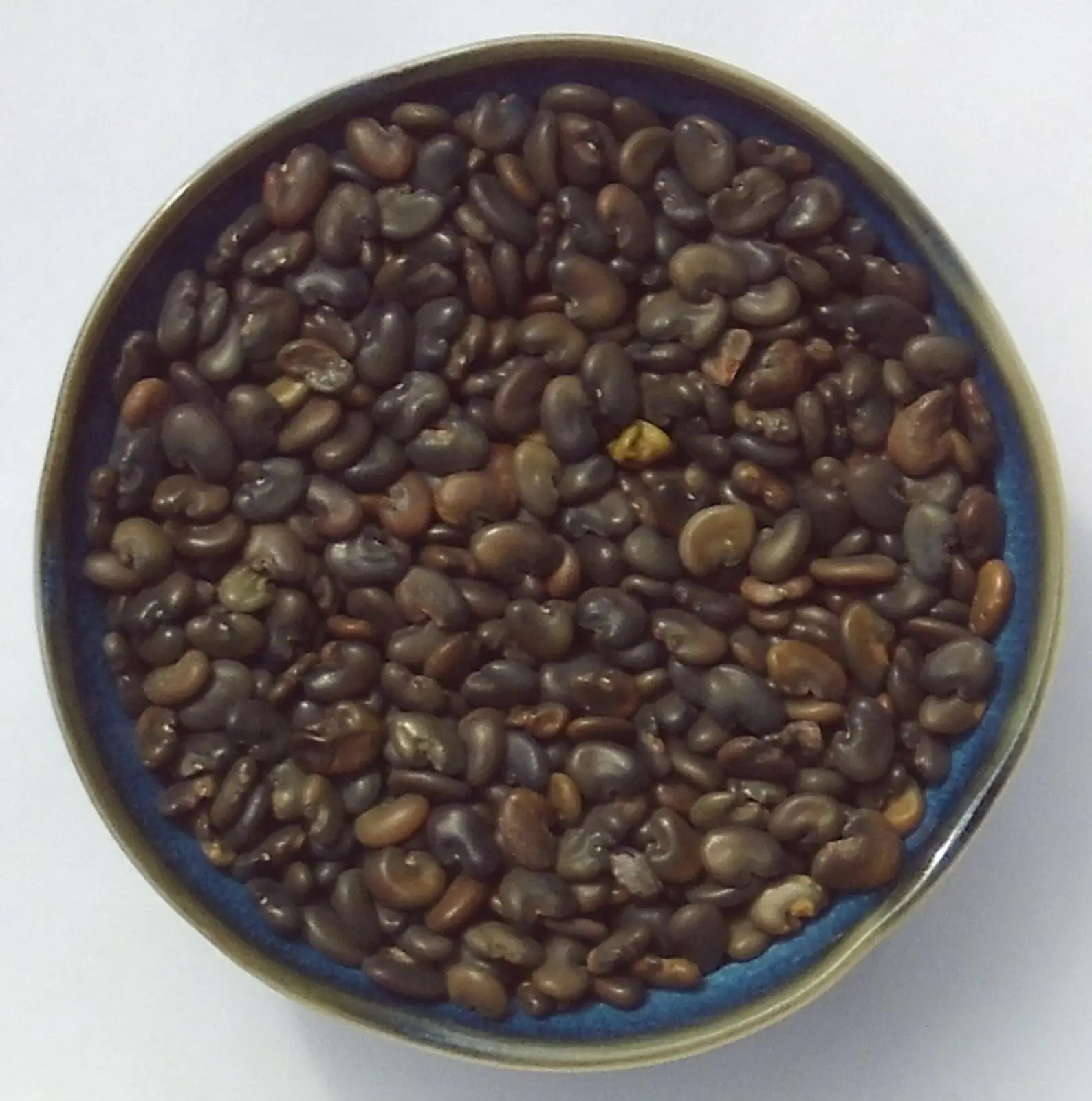
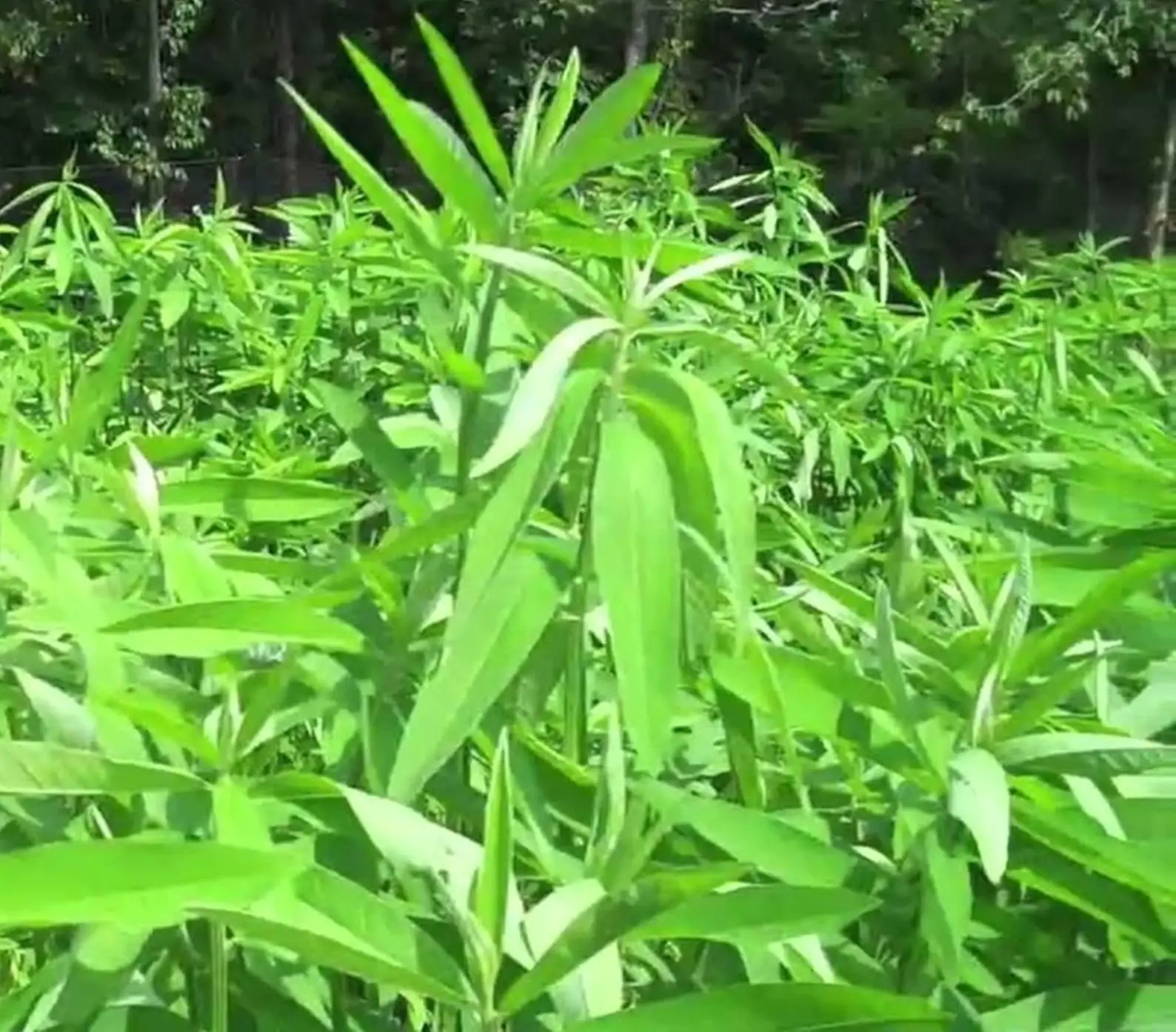
Transform exhausted soil into fertile ground. Crotalaria juncea is a fast-growing legume that fixes atmospheric nitrogen and rebuilds depleted earth in just 70–120 days. Plant it once, plow it under, and watch your next crop thrive. Bonus: stunning yellow flowers that magnetize pollinators. Easy to grow from seed in warm climates.
€1.92
One plant. One season. Complete soil resurrection.
Crotalaria juncea—known as Sunn Hemp—is the most powerful green manure crop the sustainable gardener and farmer can sow. This is the legume that regenerates dead soil, fixes nitrogen directly from the air, and does the work of chemical fertilizers while you sleep. It has been cultivated since 400 BCE in India, and modern agriculture has finally rediscovered why: it works.
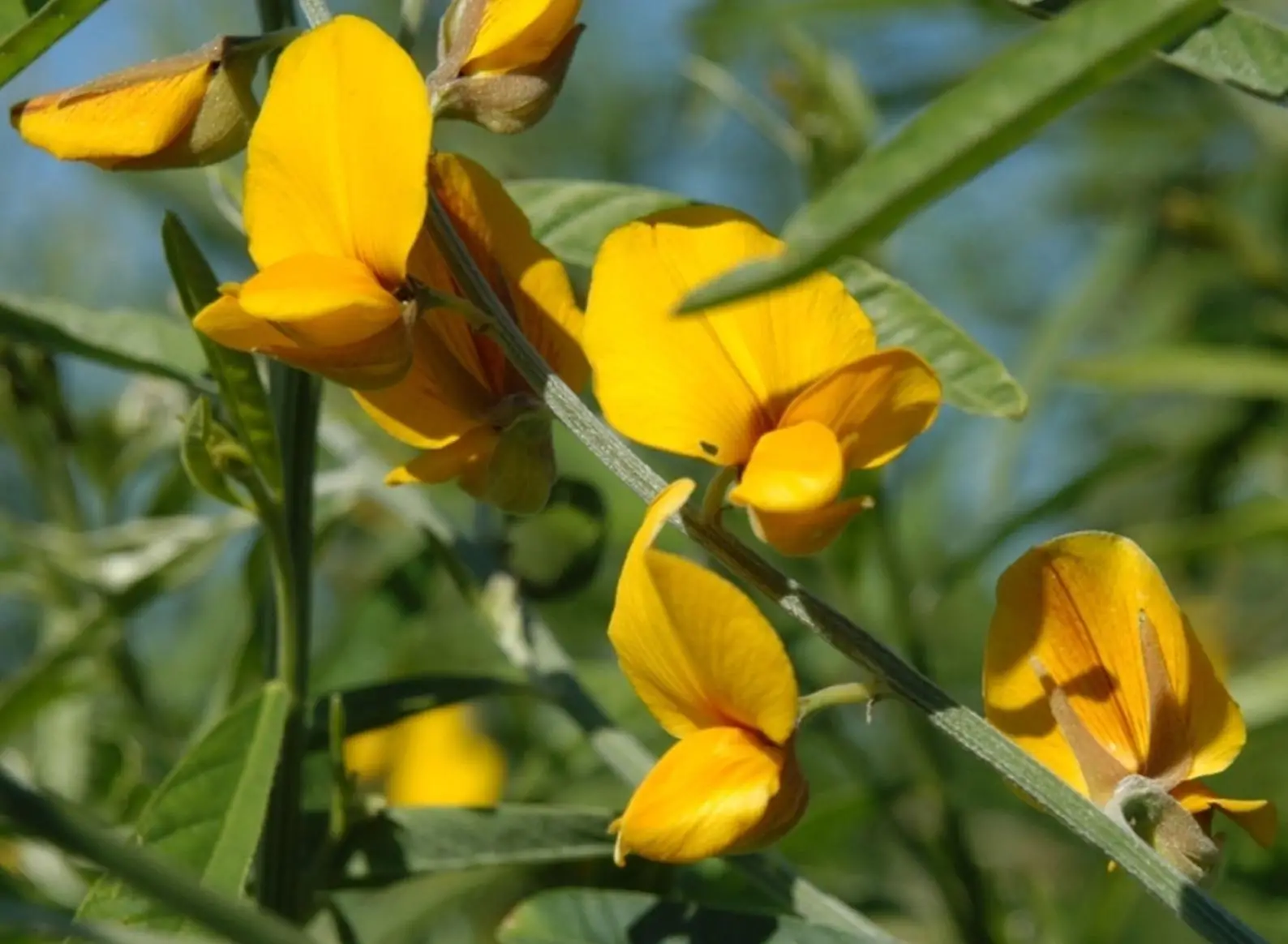
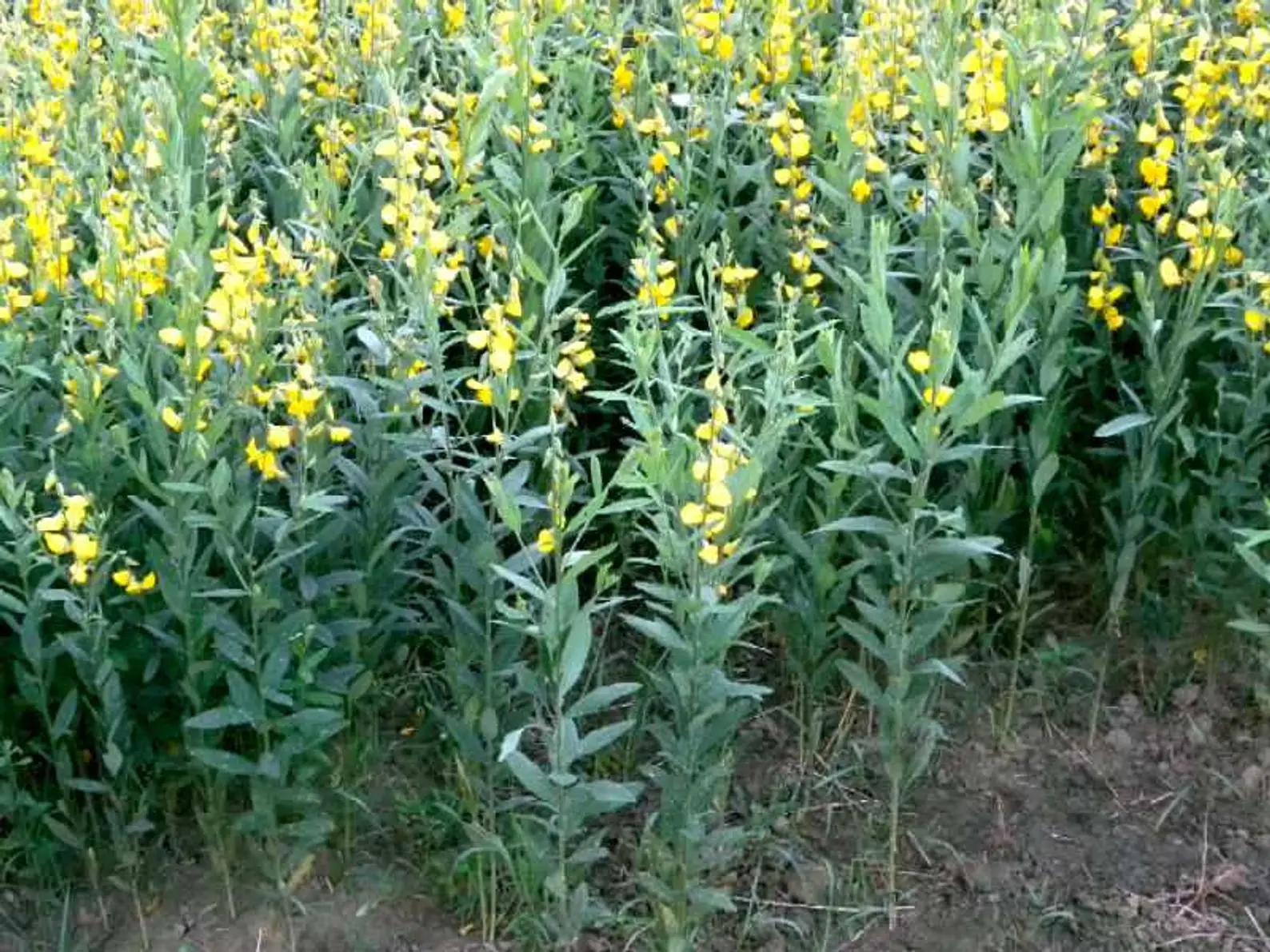
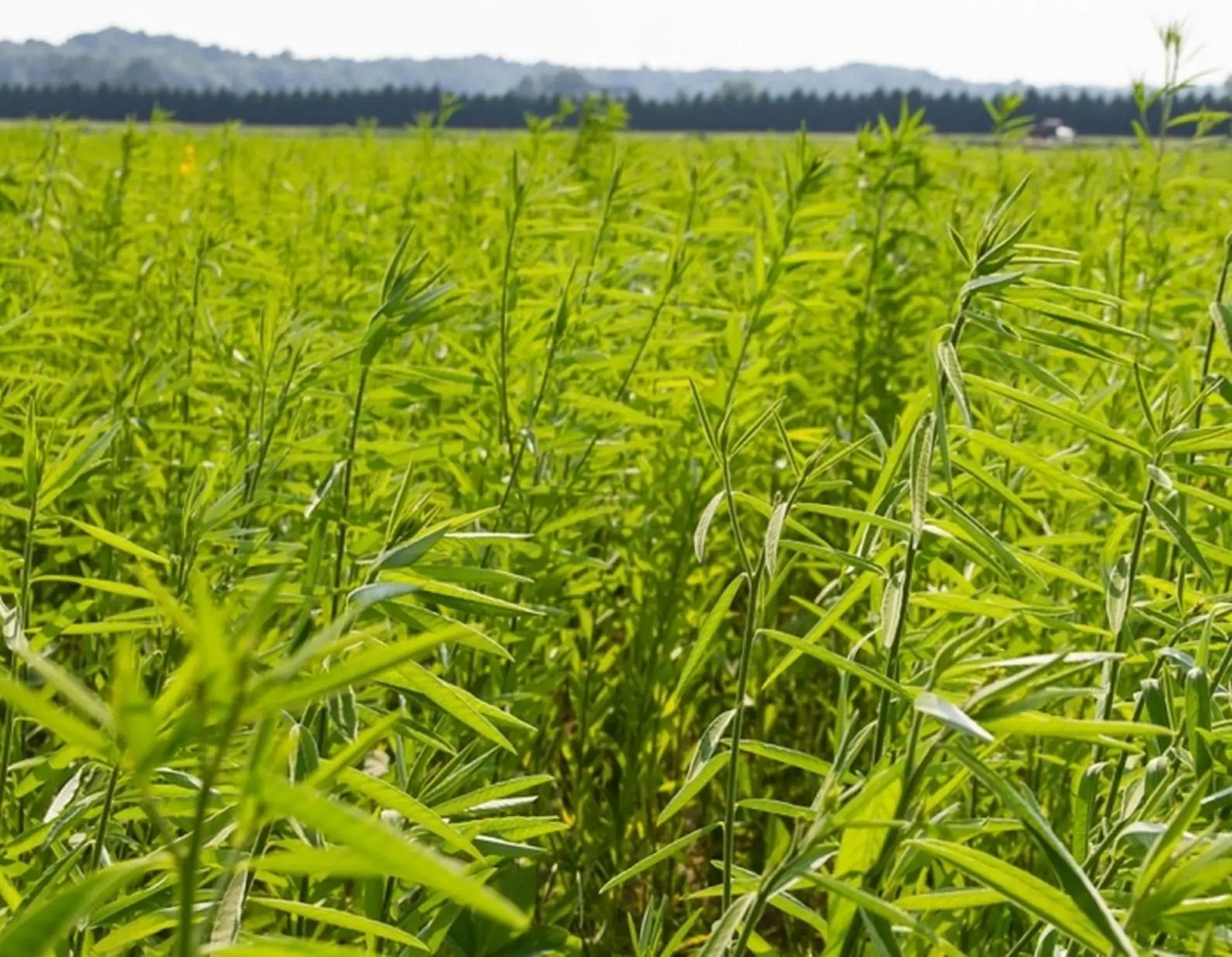
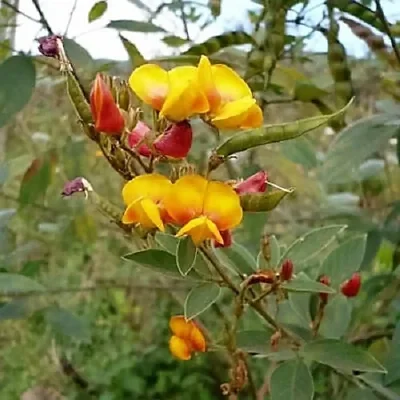
Originally from tropical South Asia, this remarkable species has spread across the world—from India to Brazil, Bangladesh, and beyond—because it solves a universal problem: soil degradation. The scientific literature calls it “the fastest growing and most important species of the Crotalaria genus.” There is a reason. Crotalaria juncea thrives where other plants falter, reaching 1–2 meters in height with remarkable speed, its slender upright stems crowned with heart-shaped leaves and dense clusters of bright golden-yellow flowers that glow in full sun. The flowers are a visual gift—but they are also a promise of what’s happening underground.
This is where Crotalaria juncea becomes indispensable: nitrogen fixation. Unlike synthetic fertilizers, this legume enters into a symbiotic relationship with soil-dwelling bacteria that colonize its roots. Together, they convert atmospheric nitrogen—abundant, free nitrogen from the air itself—into a form that plants can use. When you incorporate Crotalaria juncea into your soil after flowering but before seed set (the optimal stage), you are not just adding organic matter—you are inoculating your earth with nitrogen that will feed your vegetables, fruits, and cereals for seasons to come. One source notes that “nitrogen content is greatest at the onset of floral initiation to mid bloom.” Plant it. Let it flower. Plow it under. Your soil becomes a living bank of fertility. This is regenerative agriculture made simple. Additionally, Crotalaria juncea is a naturally poor host for root-knot nematodes and produces allelopathic compounds that suppress plant-parasitic pests—meaning it cleans your soil while it feeds it. It also suppresses weeds through the shade of its dense canopy, reducing the need for chemical herbicides. For farmers and gardeners committed to organic growing, this plant is non-negotiable.
Growing Crotalaria juncea requires nothing more than sun, warmth, and patience. This is a crop that welcomes beginners. Sow seeds directly into well-drained soil during warm season—after the last frost. It tolerates a wide range of soil types, from sand to clay, though it prefers neutral to slightly acidic earth rich in organic matter. Full sun (6–8 hours daily) is essential. Water moderately in the early weeks, then step back: once established, it is remarkably drought-tolerant. Temperatures between 20–30°C (68–86°F) are ideal. There is no need for heavy feeding—the nitrogen fixation does the work. The plant matures in 70–120 days, depending on conditions and cultivar. For maximum nitrogen content, cut it at early flowering, or let it grow longer for fiber. Either way, you win.
Imagine walking through your garden or field in autumn, seeing those golden-yellow blooms heavy with promise, knowing that beneath the soil your earth is being reborn. This is what Crotalaria juncea offers: a visible, tangible act of restoration. You are not waiting for the next commercial package of fertilizer. You are partnering with nature to heal the land. Grow this from seed. Watch it transform.
Only logged in customers who have purchased this product may leave a review.

Reviews
There are no reviews yet.