Description
Ideal temperature for germination: between 22 and 25ºc
Sowing depth: 0.5 cm
Spacing: 50 cm
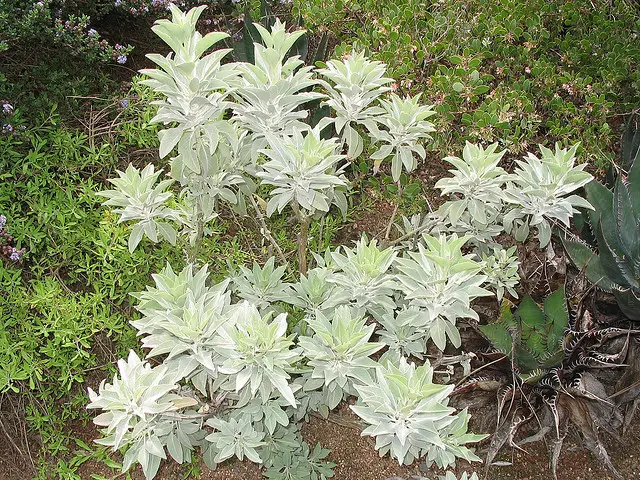
Height: 1.20 to 1.50 m
Perennial
Demanding species in very well-drained soil
Variety widely used in commercial apiaries, producing honey of excellent quality.
White sage is considered one of the most sacred plants among the indigenous peoples of North America.
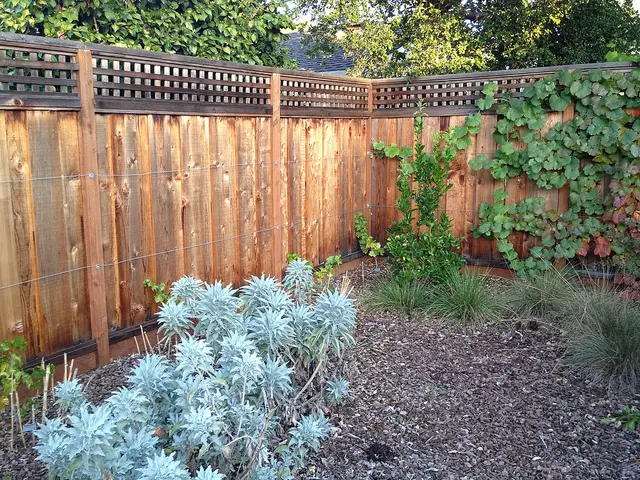
Planting in full sun.
Long flowering period and very aromatic.
It can be used in floral arrangements and as dried flowers.
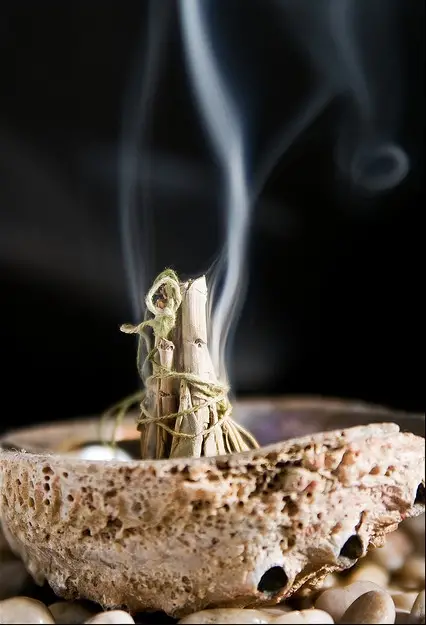
The species is also widely used to purify environments and attract positive fluids in all aspects of life.
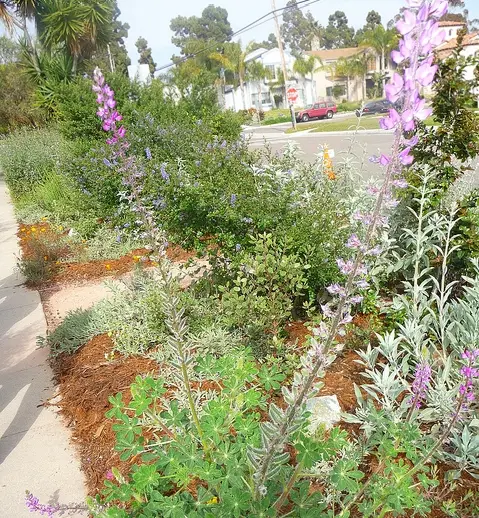
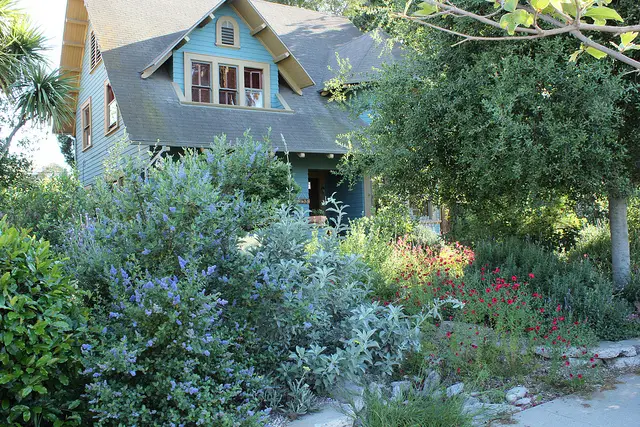
A new concept for the composition of beautiful gardens has been forming around the world and a true alchemy of colors has painted the new landscape.
The name derives from the Latin genus salvere which means healthy, with reference to the medicinal qualities of this plant.
In antiquity, all sage was considered sacred and was used as a panacea for all ills.
Due to its bactericidal properties, the herb was used to cure various diseases of the respiratory tract and to disinfect wounds and skin ulcers. It was also widely used as an eye drop to clear vision. All are considered a tonic, stimulant, antispasmodic, febrifugal and antisuroriferous.
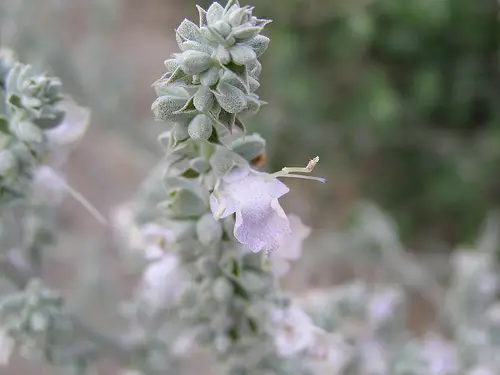
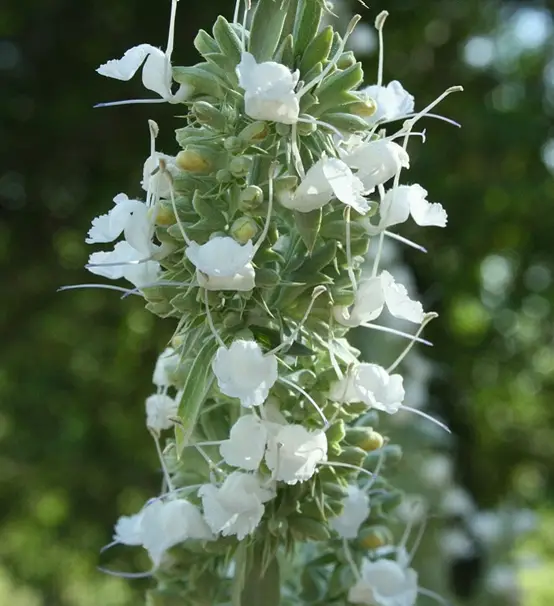
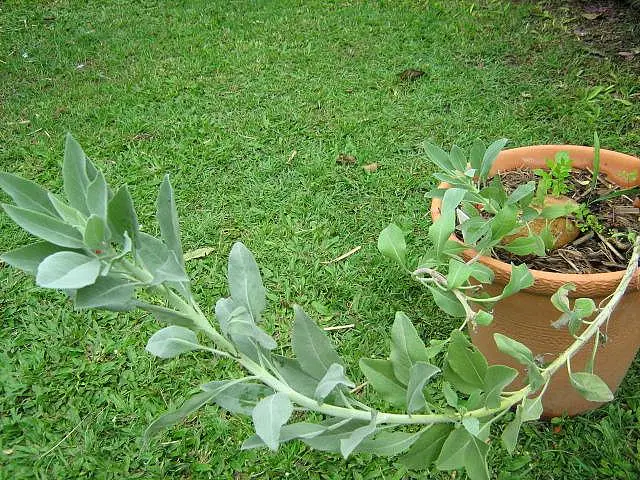
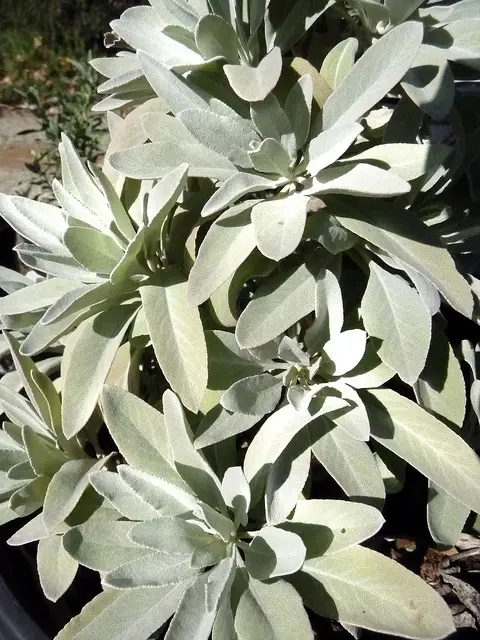
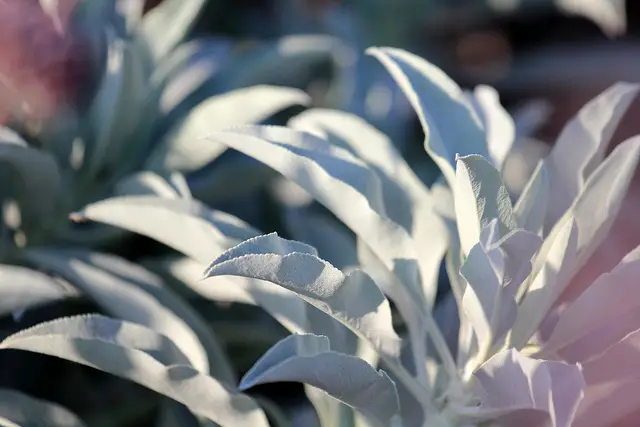
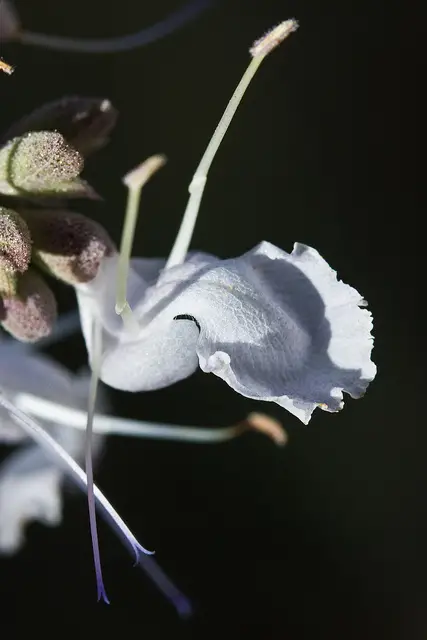
White flowering speckled with lavender and silver colored foliage.
Germination Guide
🌍 Southwestern United States and northwestern Mexico, primarily southern California to Baja California
Moderate
Salvia apiana, commonly known as white sage or sacred sage, is an evergreen perennial shrub native to arid regions of the southwestern United States and northwestern Mexico. It is valued for its distinctive silvery-gray foliage and tall white flower spikes. Germination can be variable due to natural seed dormancy, a survival adaptation of desert plants, but germination rates improve significantly with mechanical scarification, cold stratification, warm temperatures (20-30°C), and light exposure.
Germination
Germination time
Expect germination in
14 – 21 days
Temperature
Min 20°C
Ideal 25°C
Max 30°C
Substrate moisture
💧 Medium
Sowing depth
Lightly covered
Seed Pre-treatment
-
🔨
Mechanical scarification
Light mechanical scarification using fine-grit sandpaper improves germination rate
-
❄️
Cold stratification — 30 days at 4°C
-
📋
Additional notes
Scarification and cold stratification significantly improve germination rates. Seeds benefit from warm temperatures and light exposure during germination
Substrate & Container
Recommended substrate
Well-drained sandy soil mix or light potting soil
Recommended container
Seed flats or small pots with drainage holes
Growing Tips
Use mechanically scarified seeds for improved germination. Apply 30 days of cold, moist stratification in refrigerator before sowing for spring planting, or sow fall seeds outdoors. Plant seeds at soil surface or 1/8-1/4 inch deep in fast-draining, sandy soil mix. Press seeds firmly into soil and keep consistently moist. Provide bright light and temperatures of 70-85°F (21-29°C). Do not overwater. Expect variable germination over several weeks to months. Some seeds may remain dormant and germinate later. Once seedlings reach 3 inches tall with true leaves, transplant to individual pots. Harden off before outdoor transplanting. Seeds initially respond better to light, so avoid covering completely.
Only logged in customers who have purchased this product may leave a review.


Reviews
There are no reviews yet.