Description
One tree. Centuries of healing wisdom. Flowers so fragrant they remind you of jasmine itself—and then fruits that have been trusted remedies across the entire Indian subcontinent and Southeast Asia.
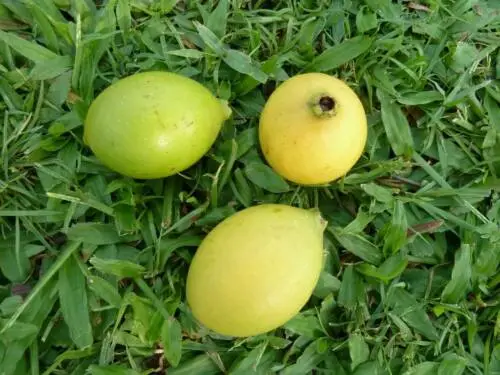
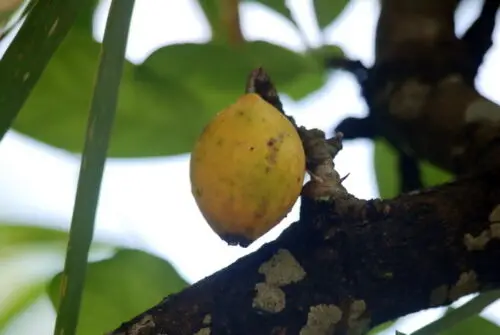
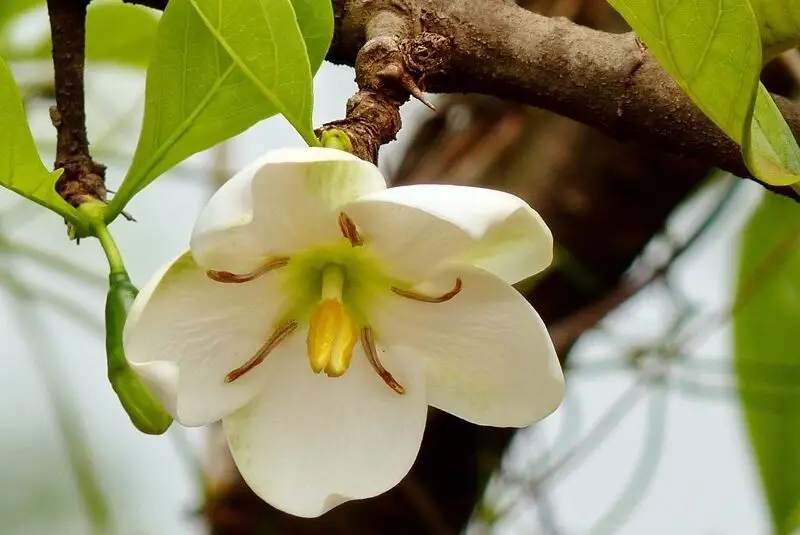
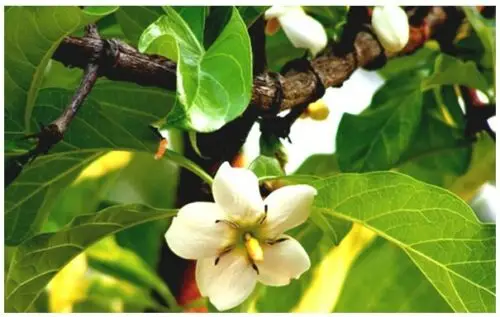
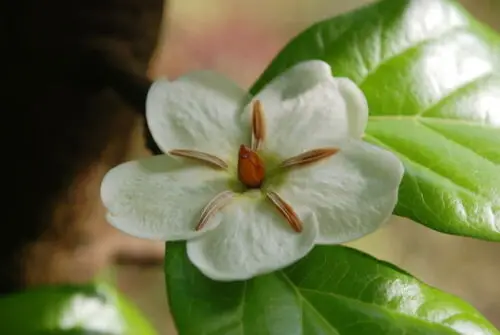
Tamilnadia uliginosa, called Pindara in Ayurveda, is not just beautiful; it’s a living pharmacy. This small deciduous tree with dark reddish brown bark grows up to 6-7 meters in height, developing simple, opposite, obovate, wrinkled, shiny leaves that frame white, fragrant flowers followed by yellow berries. The architecture alone—architectural yet graceful—makes it an ornamental treasure for tropical and subtropical gardens.
But here’s where Divine Jasmine becomes genuinely extraordinary: it is a valuable forest product in India with a rich history of traditional uses for both medicinal and nutritional purposes. For centuries, every part of this tree has been deployed as medicine. Traditionally fruits are used to treat diarrhea, cholera, dysentery, migraine, pimples, and boils; ripe fruits are sweet in taste, coolant and diuretic in nature. Unripe fruits are astringent and used as vegetable. Roots are coolant, diuretic, aphrodisiac and act as a tonic. And leaves are used for the treatment of leprosy, skin diseases, wounds, ulcers, cough, asthma, bronchitis, fever and colic. Most compellingly, flowers yield an essential oil—a precious extraction with cosmetic and therapeutic potential.
What makes this species irresistible for modern growers is that traditional knowledge now has scientific backing. The plant has significant pharmacological activity: antidiarrheal, antimicrobial, anti-inflammatory, antidiabetic, anticancer and antiepileptic activity. Bark extract shows potent antibacterial activity against oral pathogens. The fruits contain phytochemicals such as alkaloids, coumarin, cardiac glycosides, phenol, saponin and tannin. This isn’t folklore—it’s botanical medicine stepping into the modern era.
Cultivation is refreshingly straightforward. The plant is native to the Indian subcontinent and Indo-China, typically growing in tropical forests, and seeds should be sown in spring in well-drained soil mix in a tropical climate. Seeds germinate in 6-9 weeks with steady warmth and moisture. For growers, this means fast, reliable establishment—a true advantage when you’re eager to harvest flowers for oils or fruits for tinctures and preparations.
Imagine this: in your own garden or greenhouse, you’ll cultivate a tree that transforms sunlight into medicine. White blooms perfume the air. Ripe, golden fruits hang like jewels, ready to be processed into remedies your family has been seeking. You’re not just growing an ornamental; you’re stewarding centuries of herbal tradition and modern wellness science. This is what it means to grow Divine Jasmine from seed—to become a healer yourself.
Germination Guide
🌍 Indian Subcontinent to Indo-China
Moderate
Tamilnadia uliginosa, commonly known as Divine Jasmine, is a small tree in the Rubiaceae family that is widespread from India to Indochina and popular as an ornamental flowering tree.
Germination
Germination time
Expect germination in
42 – 63 days
Substrate moisture
💧 Medium
Sowing depth
Lightly covered
Substrate & Container
Recommended substrate
well-drained soil mix
Growing Tips
Seeds should be sown in spring in well-drained soil. Watering can be done with spray bottle or bottom tray to avoid disturbing seeds.
Only logged in customers who have purchased this product may leave a review.






Reviews
There are no reviews yet.