
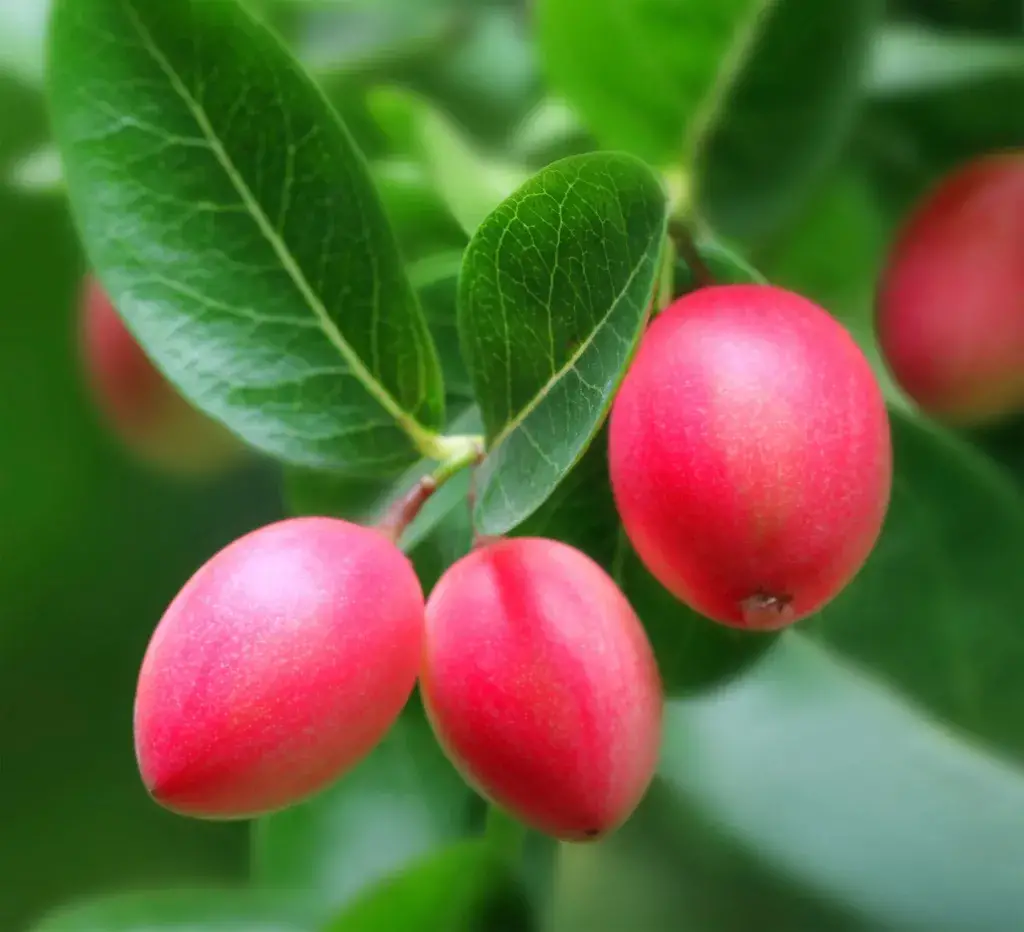
Glossy foliage, intoxicating white flowers, and the most extraordinary edible fruits—all on one resilient shrub. Natal plums taste like a blend of cranberries, apples and strawberries, and can be eaten fresh or used in recipes like pies, breads, jams, and sauces. Carissa macrocarpa is quite easy to grow, and its seeds germinate within two to four weeks after sowing. Grow this
With its intoxicatingly aromatic white flowers, leathery leaves, and delicious fruit, it’s curious that the Natal plum (Carissa macrocarpa) is so often overlooked for the treasure it holds. Yet once you taste it, you’ll understand why African farmers have prized it for generations.
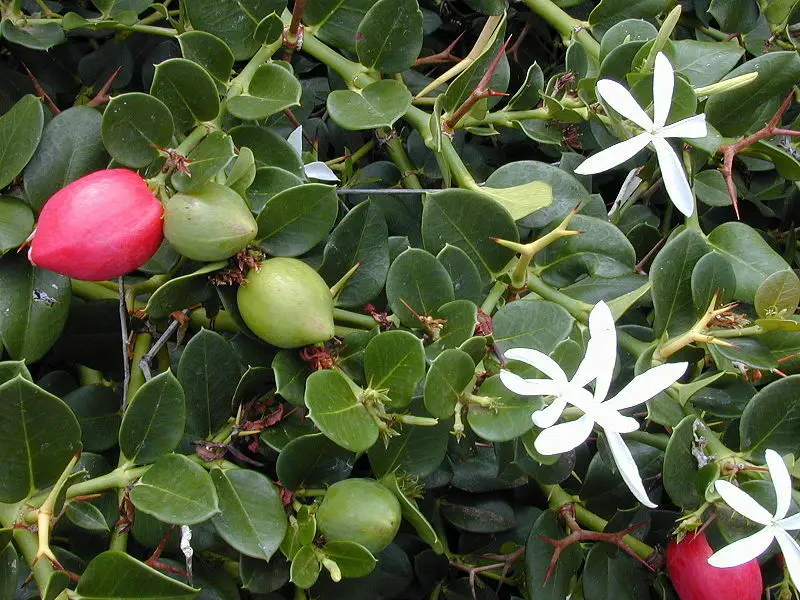
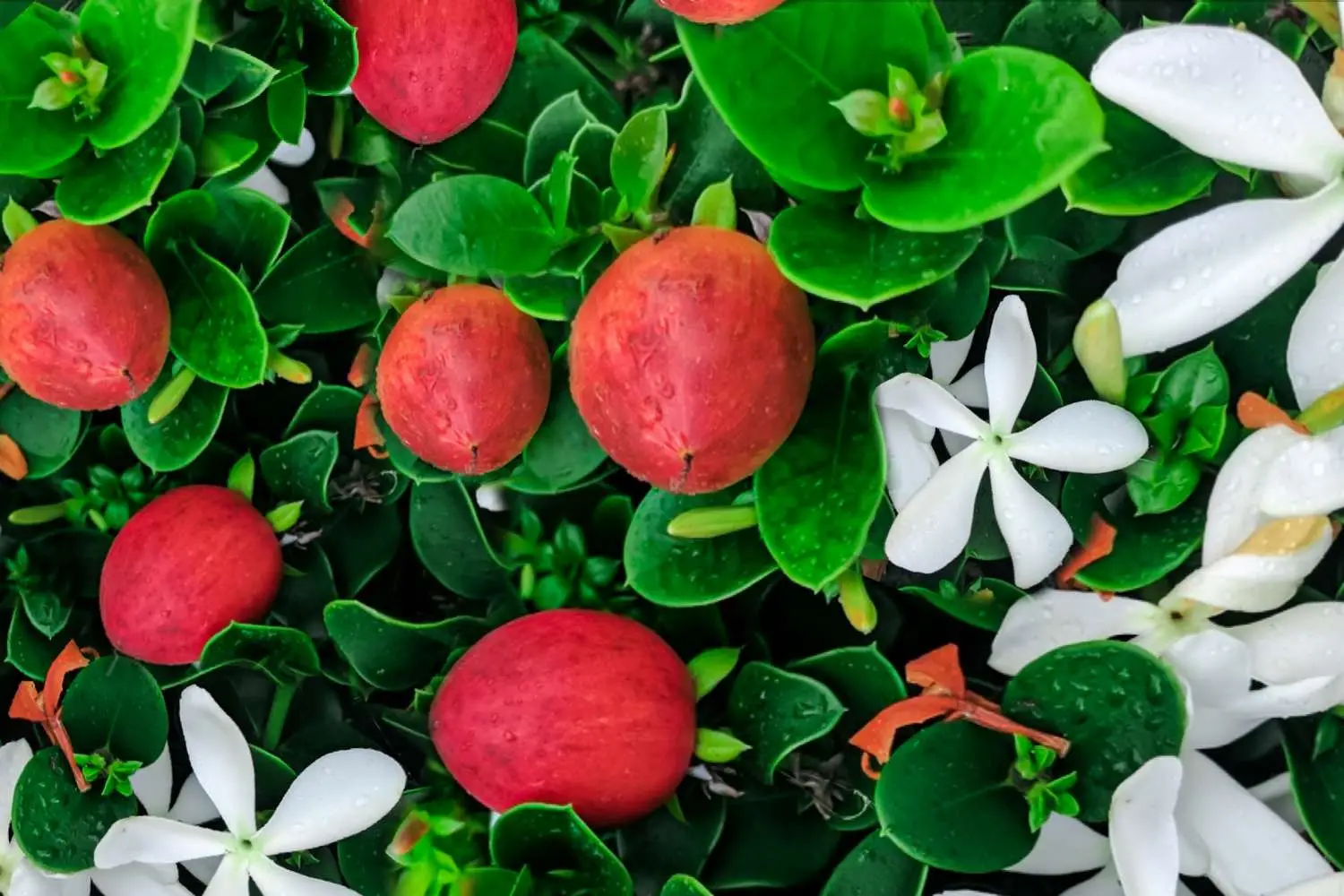
Natal plums, botanically known as Carissa macrocarpa, are native to South Africa—specifically the coastal dunes and subtropical scrublands of KwaZulu-Natal, where it thrives in salt spray and sand. Macrocarpa is Greek for large fruit, a name that speaks to the abundance this plant promises. It produces shiny, deep green leaves and snowy white flowers whose perfumed scent intensifies at night, making it as beautiful to experience as it is to taste.
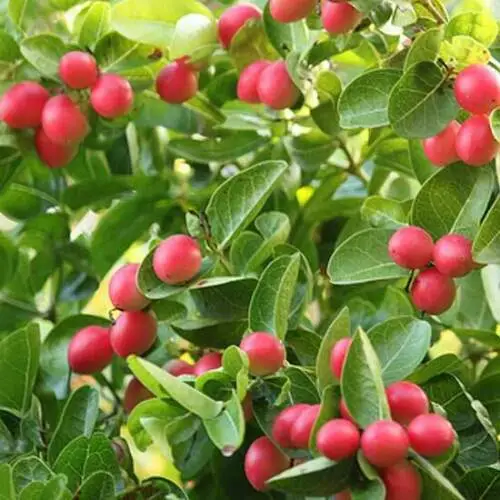
Here’s where Carissa macrocarpa becomes truly irresistible: the edible fruit. Natal plums emit a sweet, subtly floral scent akin to jasmine or orange blossoms and are edible raw, with a taste that combines the tartness of cranberries with the sweetness of apples and strawberries. Their skin is a deep red, resembling a pomegranate, and when cut, the red-fleshed interior releases flecks of milky white sap and has a juicy texture similar to a common plum. Natal plums are versatile in the kitchen and can be eaten fresh or used in recipes like pies, breads, jams, and sauces. Natal plums can replace cranberries in recipes and pair delightfully with ingredients like raisins, spinach, citrus, and nuts. What’s more: they boast high levels of vitamin C, surpassing even citrus fruits, while also being rich in vitamins A and B, fostering a strong immune system, supporting skin health, enhancing vision, and promoting nervous system function. This isn’t just a decorative plant—it’s a superfruit on a branch.
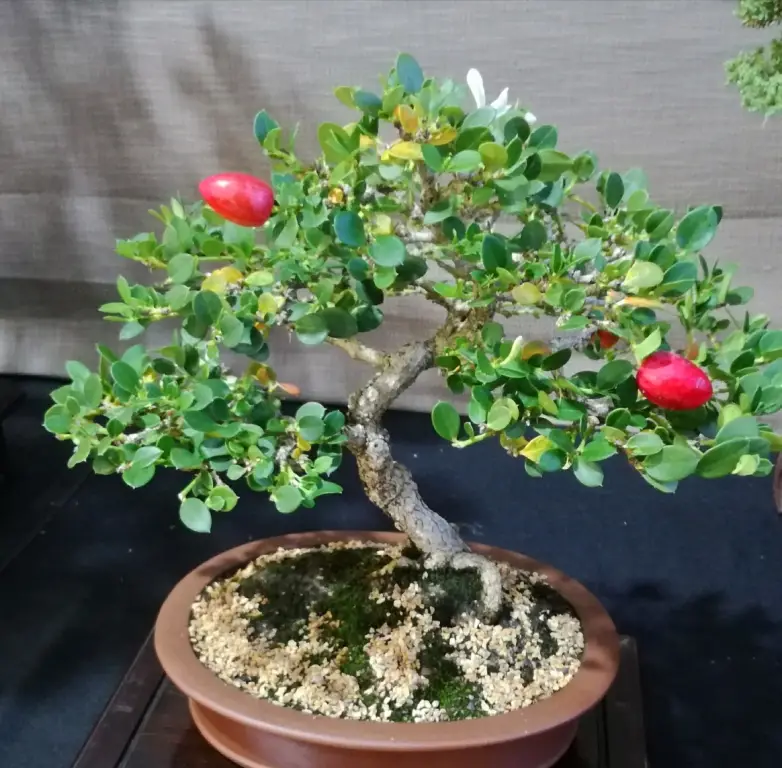
Growing Carissa macrocarpa is refreshingly simple. Carissa macrocarpa is quite easy to grow, and its seeds germinate two to four weeks after sowing. Natal plum will do well in full sun or light shade and organic soil in a warm, moist, tropical environment, and is easy to grow and can be sheared or hedged to fit the environment. Carissa macrocarpa does not require a lot of water and is known for its drought tolerance, and once established in the ground, this shrub might never need you to water it. It can be grown in a container, making it adaptable to patios and warm indoor spaces. Carissa macrocarpa deals well with salt-laden winds, making it a good choice for coastal areas. Years before fruiting: 2—meaning you’ll harvest your first harvest sooner than you’d expect.
Grow Carissa macrocarpa from seed and invite an African culinary treasure into your garden. Watch it reward you with glossy green foliage, fragrant white blooms at dusk, and jewel-like crimson fruits that taste like nothing else in the produce world. This is edible landscaping at its finest.
Only logged in customers who have purchased this product may leave a review.
Reviews
There are no reviews yet.