
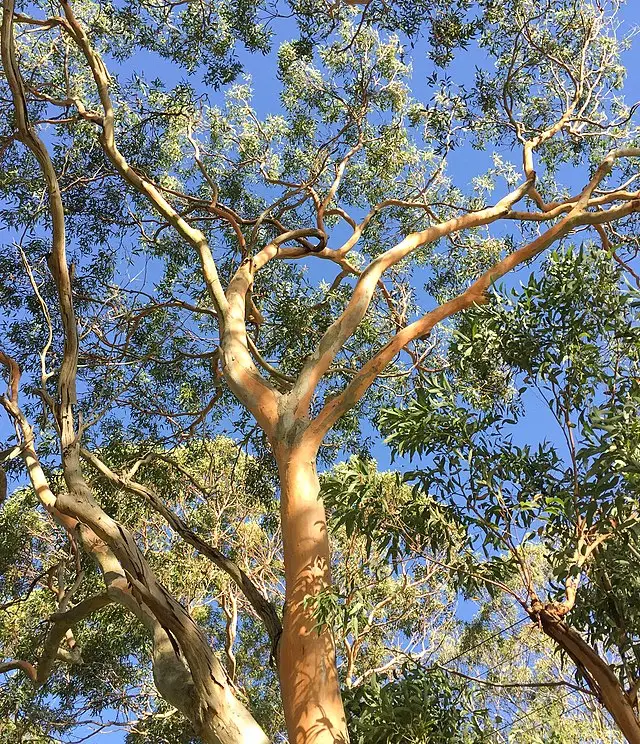
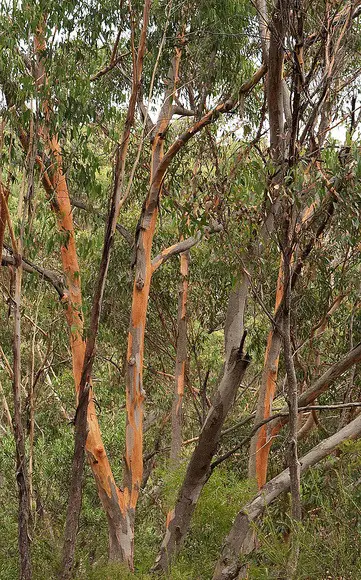
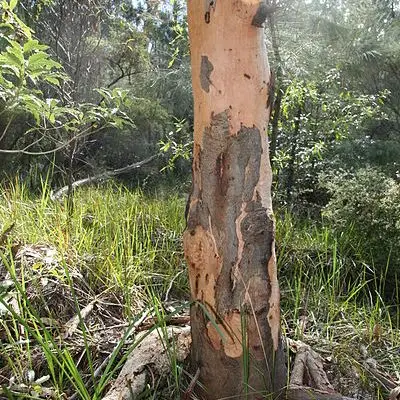
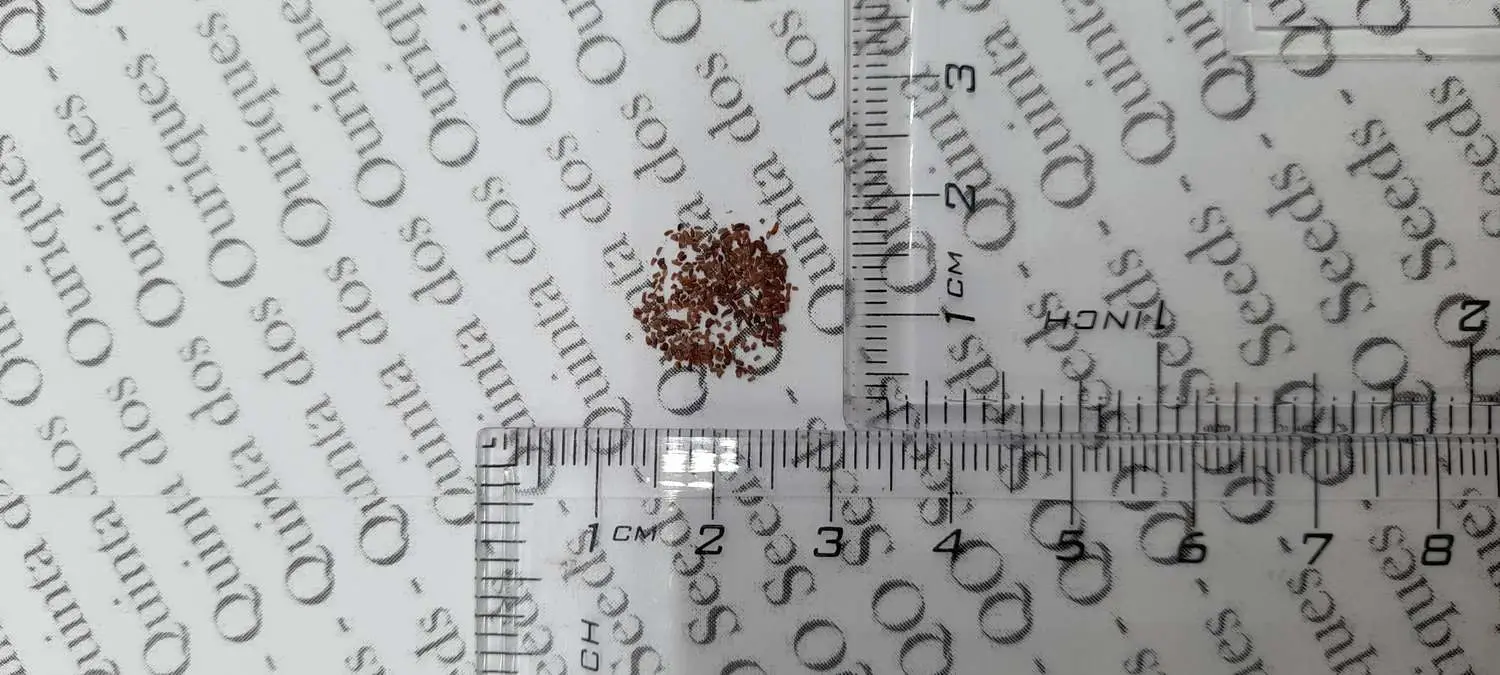
Watch your tree transform season after season. Eucalyptus punctata’s smooth bark sheds in layers, revealing stunning patches of cream, grey, orange, and salmon—nature’s living canvas. This Australian native grows fast to 35 meters, adapts to poor soils, and becomes a pollinator magnet for bees seeking nectar. Easy to grow from seed in well-drained soil, full sun. A statement tree that rewards patience with legendary hardwood and wildlife wonder.
€1.92
Imagine a tree that changes its appearance three times a year—a living sculpture that rewrites itself with each season.
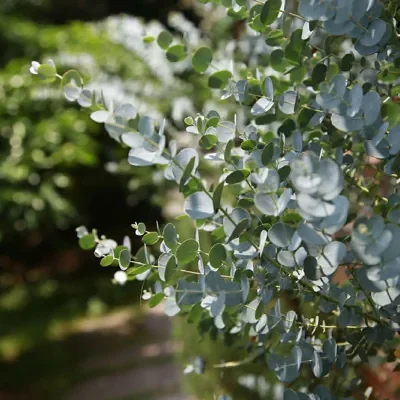
Eucalyptus punctata, the Grey Gum, is endemic to eastern Australia’s sclerophyll forests, where it thrives in harsh, nutrient-poor soils that would defeat lesser trees. Named for the Latin word “punctata” (dotted), referring to the oil glands that speckle its glossy leaves, this species earned its place in gardens and parks across the temperate world not merely as a timber tree, but as a breathing work of art.
The bark is its glory—and this is where hearts break open. Unlike the static grey of most trees, E. punctata’s smooth trunk cycles through a mesmerizing transformation: the outer bark sheds in large, irregular flakes, exposing brilliant orange, coppery, and salmon-toned new growth underneath. These freshly exposed patches glow against the weathered grey above, creating a three-color mottled pattern that shifts and evolves throughout the year. Watch it in morning light, and it gleams. Watch it again in afternoon warmth, and the colors seem to dance. This is horticultural theater—and you own a front-row seat.
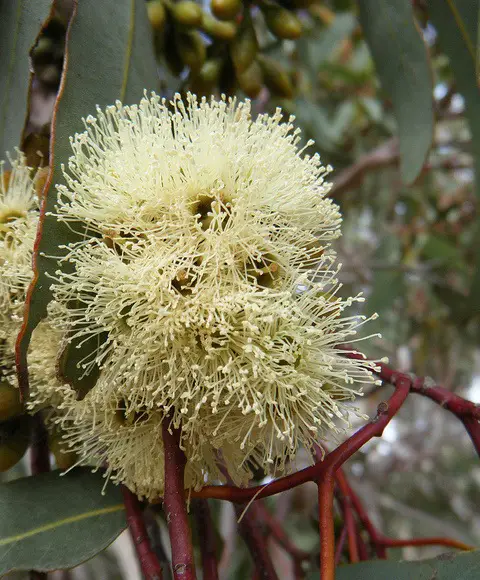
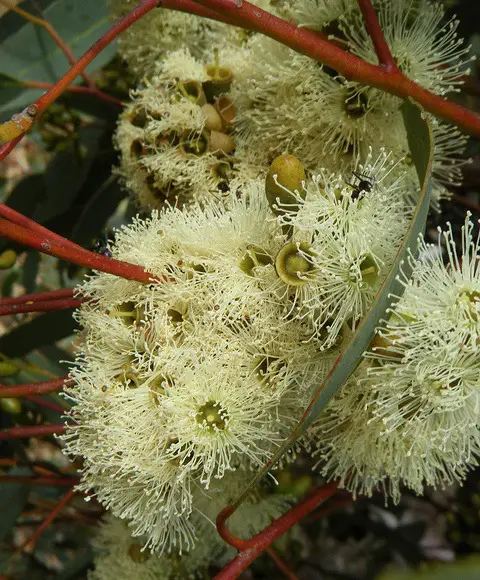
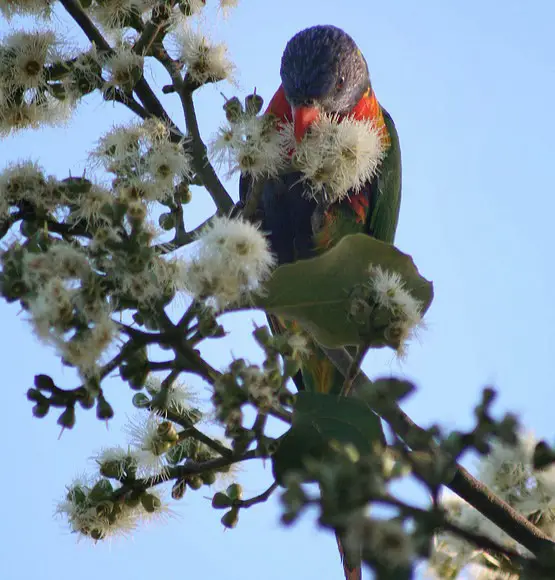
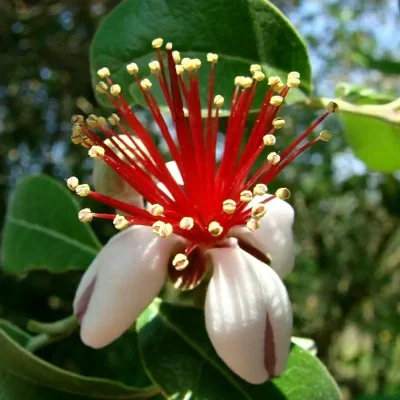
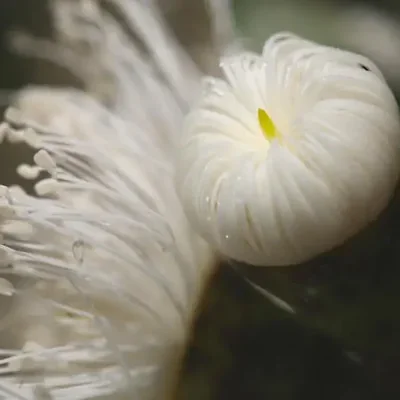
But beauty serves purpose here. This tree is an unsung hero for beekeepers and pollinator gardeners. Eucalyptus punctata produces abundant creamy-white flowers in summer and autumn that are an important pollen and nectar source for bees—the lifeblood of your garden’s fertility. Beyond the pollinators, koalas (where present) browse its leaves voraciously, and native birds flock to its flowers for nectar. You’re not just planting a tree; you’re hosting an entire ecosystem. The wood itself is legendary: dense, hard, and durable enough for heavy engineering, railway sleepers, and construction—though you’ll likely treasure it too much to harvest.
Growing it is pleasantly straightforward. Eucalyptus punctata adapts to light sandy soils, loamy earth, and heavy clay with equal grace. It prefers well-drained soil and can thrive in nutritionally poor earth where other trees surrender. Drought-tolerant once established, though it accepts moist to wet conditions. It demands full sun—no shade shrinking here. This is a fast-growing species that forms a lignotuber (a vital survival mechanism in fire-prone ecosystems), and hardiness to UK zone 9 means it has genuine cold tolerance. When grown from seed, young plants should be potted individually and planted in their permanent position when small; eucalypts resent root disturbance but rewire rapidly once settled. A deep mulch protects roots in cold winters. With proper care, you’re looking at a long-lived companion that rewards patience with architectural presence and unmatched seasonal drama.
Start from seed this season and join the growing community of eucalyptus devotees who understand that the finest garden features aren’t always flowers or fragrance—sometimes, they’re the quiet, patient revelation of a tree that refuses to be ordinary. Every spring, every summer, every autumn, your grey gum will shed its old skin and emerge renewed, a reminder that transformation is not a destination but a way of being alive.
Only logged in customers who have purchased this product may leave a review.
Reviews
There are no reviews yet.