

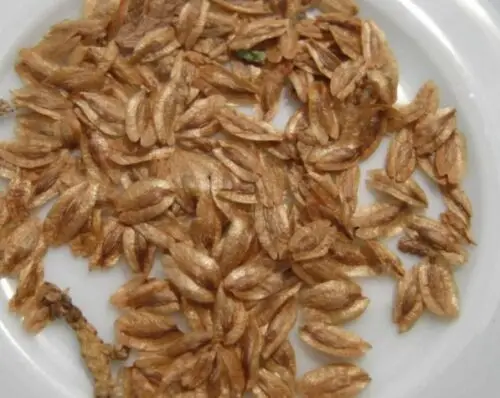
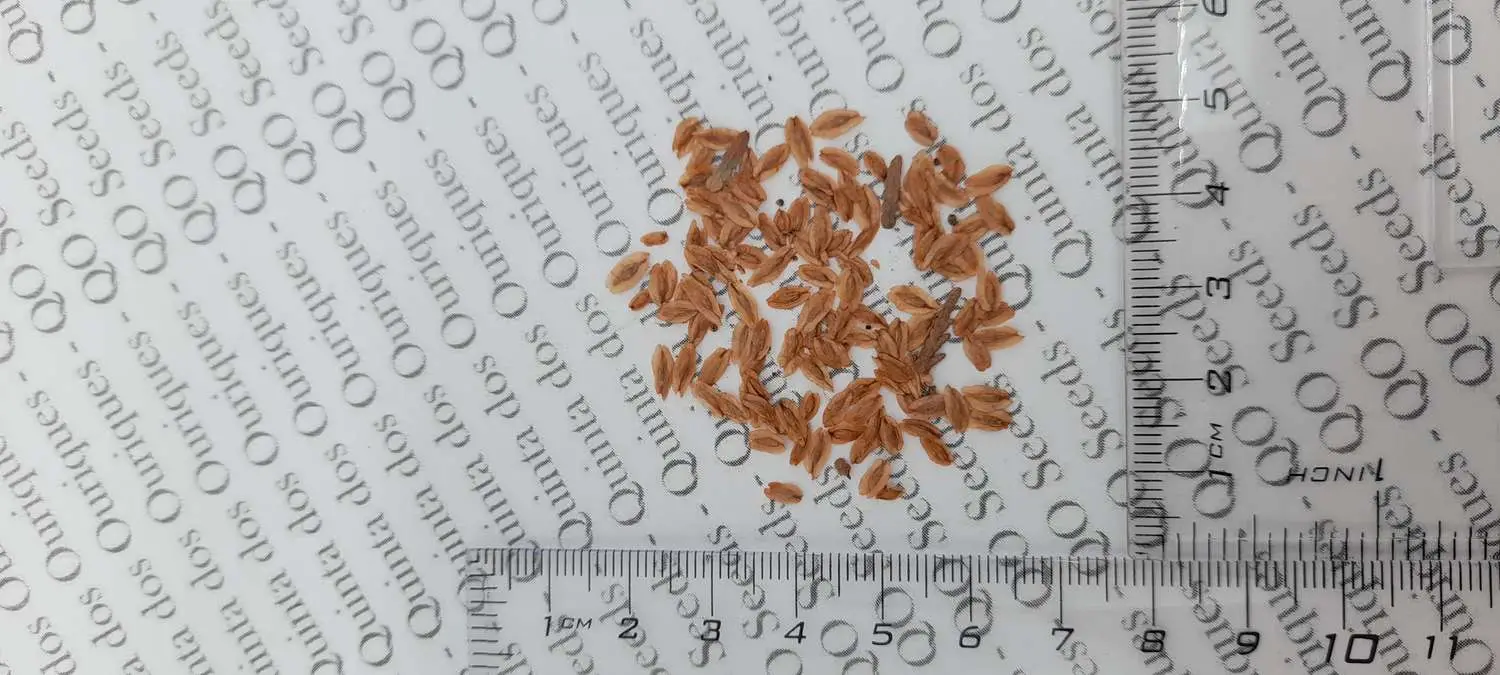
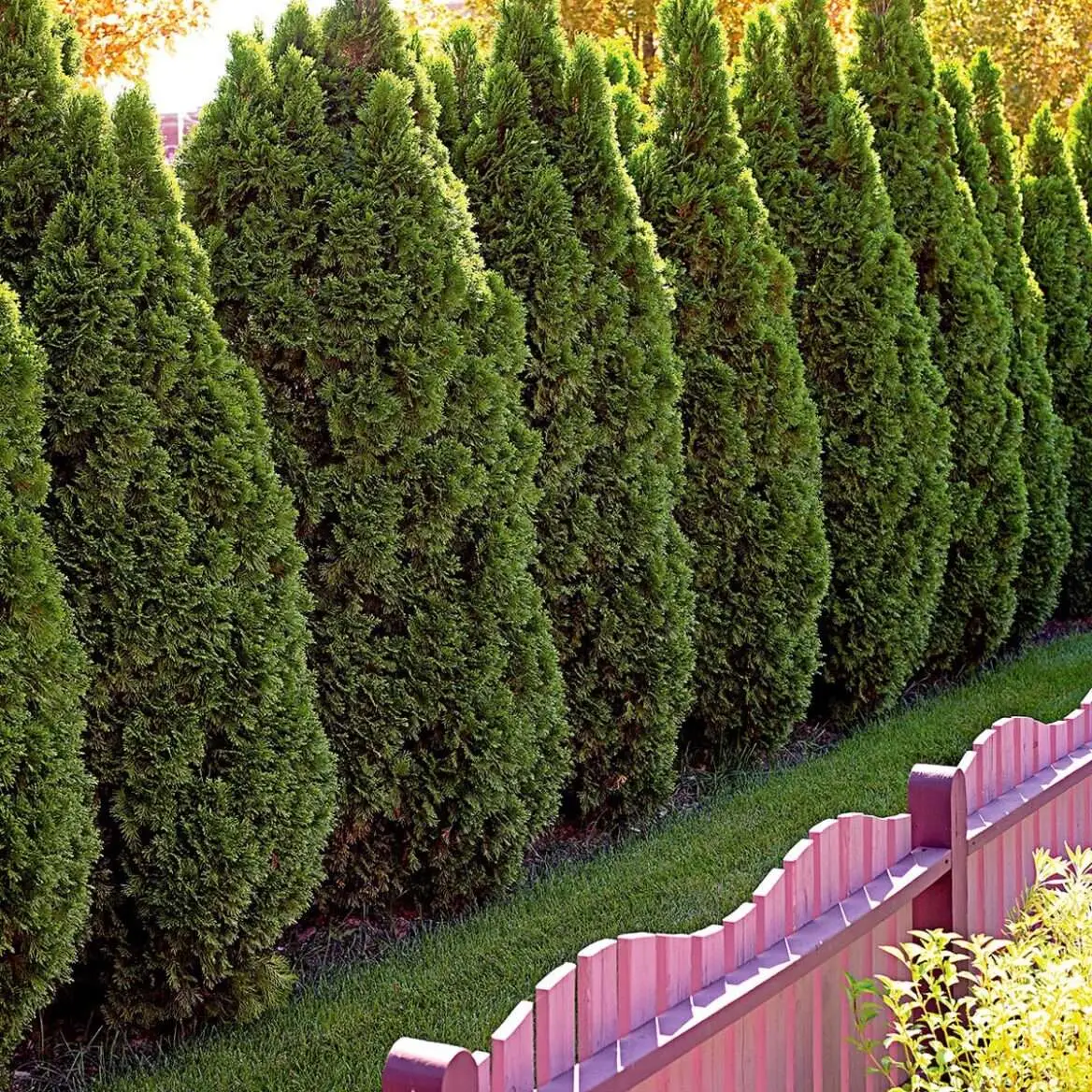
Discover the legendary Tree of Life: Thuja occidentalis. Grow your own source of precious cedar leaf essential oil—revered for skin clarity, immune support, and that crisp woodland aroma that captivates every room. From a single seed, cultivate both ornament and pharmacy. Easy to medium care; thrives in most climates. Start your harvest journey today.
€4.52
Journey into the boreal forest with Eastern White Cedar (Thuja occidentalis), Canada’s iconic Arborvitae or ‘Tree of Life’—a reservoir of aromatic and medicinal benefits, a legacy passed down through ages.
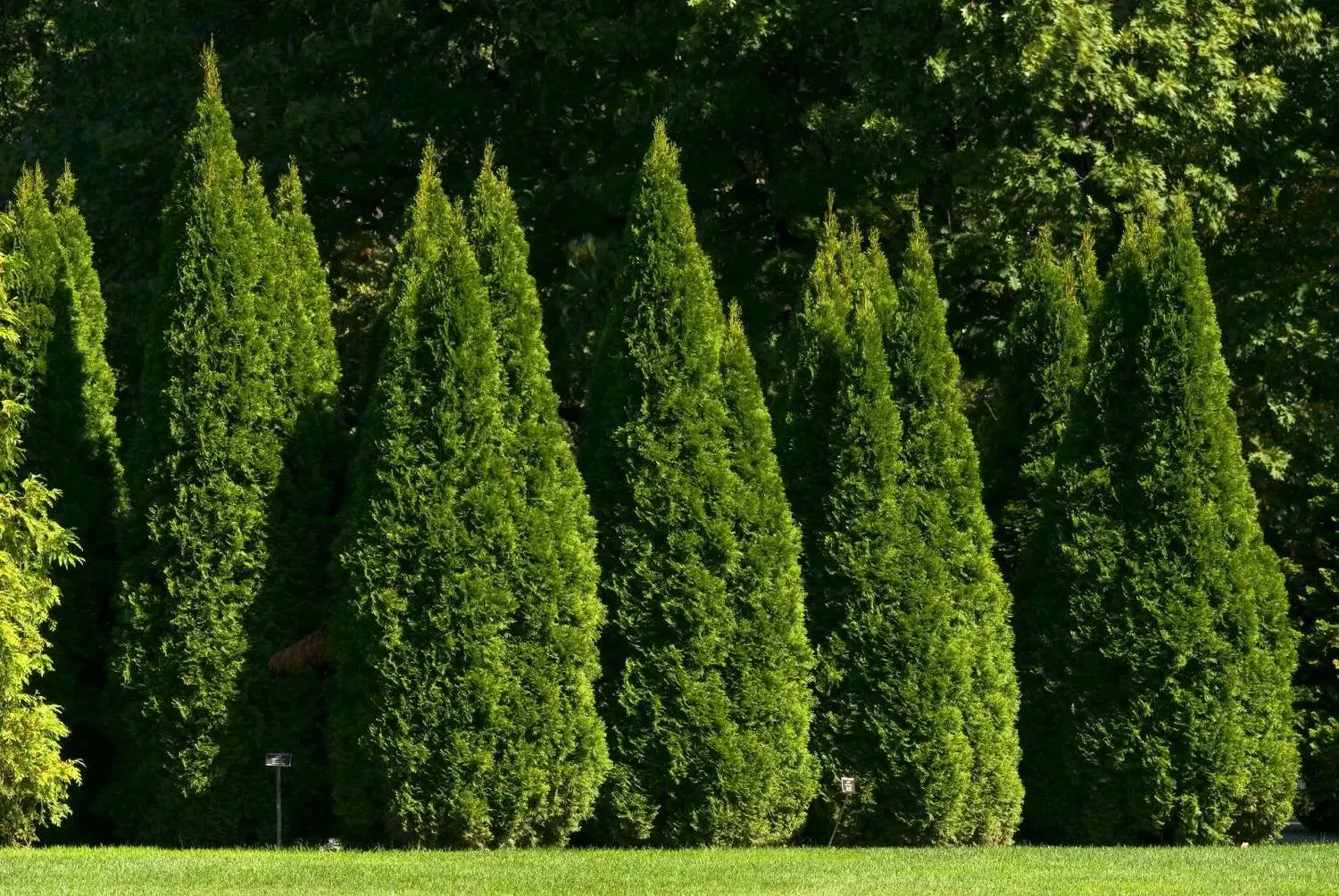
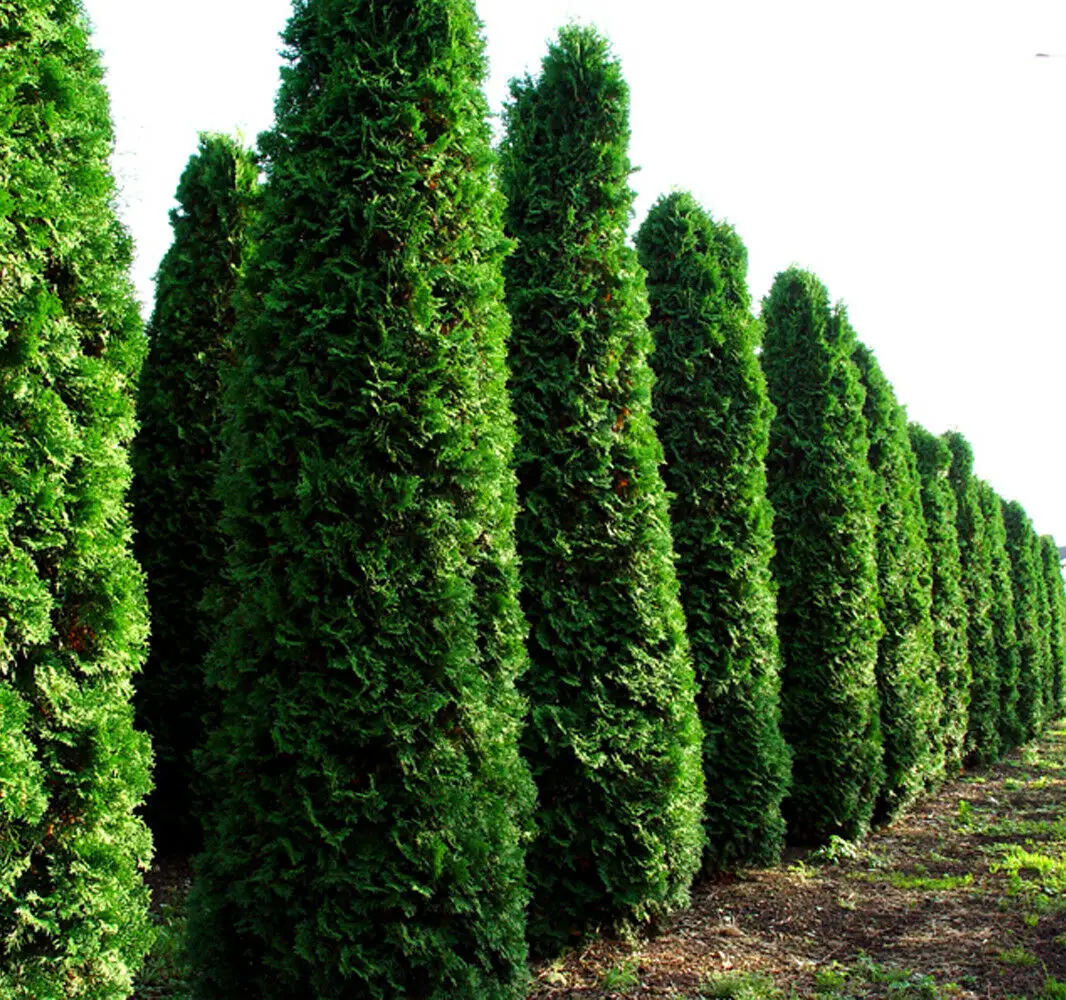
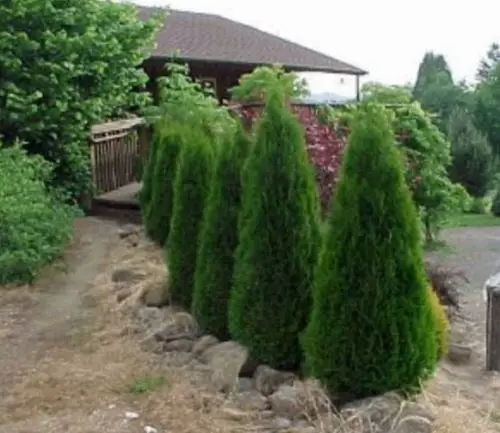
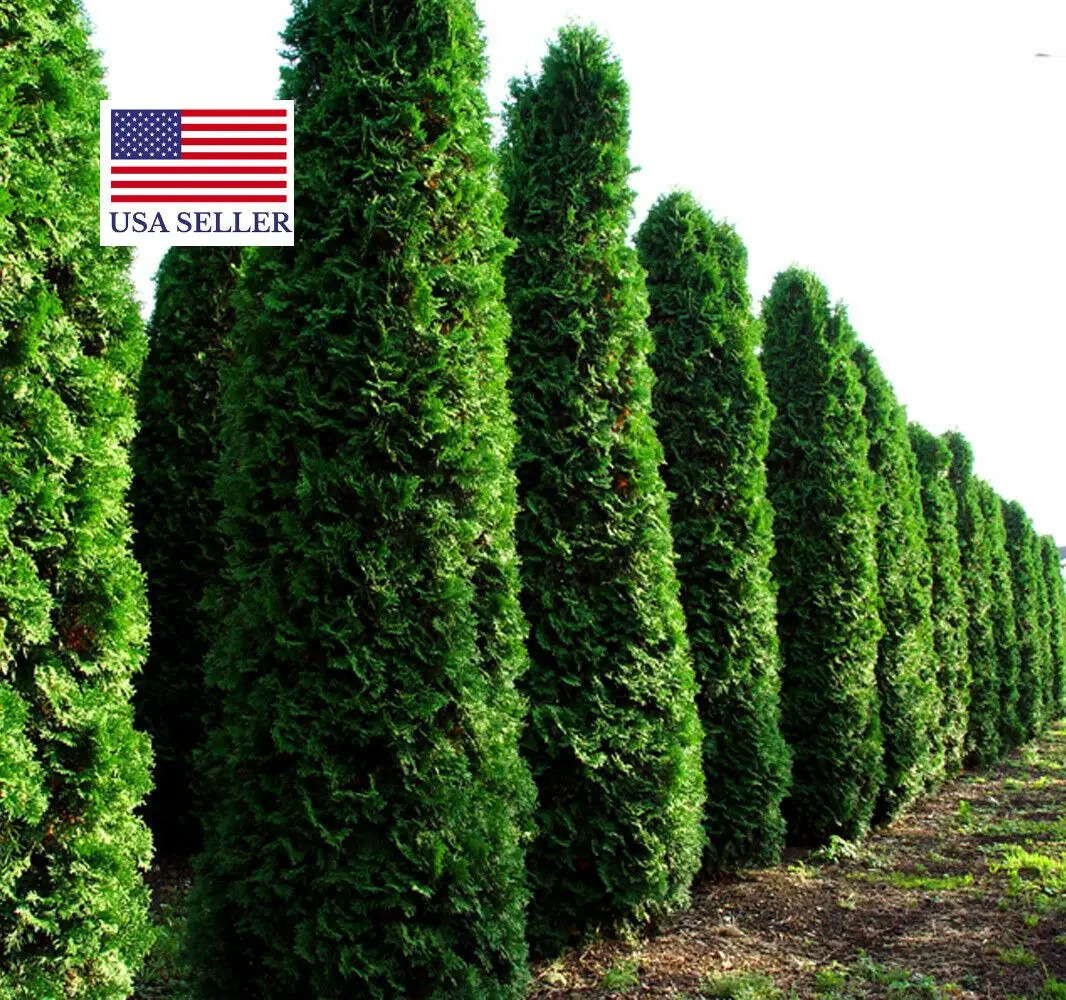
Easily recognizable by its elegant pyramidal shape and its evergreen foliage—vibrant green, scale-like leaves pressed tightly against the branchlets. Leaf sprays are bright green to yellowish green, turning bronze in severe cold. The tree produces light brown or reddish-brown oblong blunt tip cones. This visual drama—the architectural clarity of its form, the seasonal color shifts, the papery texture of its bark—makes it stunning as an ornamental, even before you harvest its gifts.
But here is where Thuja occidentalis truly shines: its essential oil carries a distinctive, sharp, and fresh aroma reminiscent of the outdoors, with a scent that is fresh, green, and somewhat balsamic, offering a unique use in personal care, soap making, and cosmetic formulation. Cedar Leaf Essential Oil has potent antibacterial and astringent qualities that may be useful in combatting a variety of chronic skin conditions including acne, psoriasis and eczema. It can assist in the revitalization of dull, congested skin by encouraging healthy microbial balance. It is known to have anti-inflammatory, antibacterial, and antifungal properties, and is used in aromatherapy as it is known to have a calming and uplifting effect on the mind and body. Honoured with the name Nookomis Giizhik (Grandmother Cedar), the tree is the subject of sacred legends and is considered a gift to humanity for its myriad of uses. Grow it and you own a living apothecary—harvest leaves and twigs for distillation, blend the oil into luxury skincare, diffuse it for daily grounding, or craft small batches of cedar-infused soaps. This is herbalism with real economy.
Thuja occidentalis requires regular watering, well-drained soil, and full sun exposure to grow healthy, with annual pruning and preventing waterlogging being essential for its health. It thrives in temperate climates with moderate temperatures, and prefers full sun but can tolerate partial shade. It prefers moist, well-drained soils but can tolerate a range of conditions, including poor, rocky soils. Thuja occidentalis can be multiplied by seeds, sown at the end of winter on sandy substrate, and the most common method is sowing seeds. With the right conditions, they can live to up to 40 years old, and as this one is relatively unfussy, you should be able to keep it going. Starting from seed is patient work, but deeply rewarding—you’re nurturing a plant that will outlive your tenure in any garden, steadily producing aromatic wealth with minimal fussing.
Grow Thuja occidentalis from seed today. Build your personal forest pharmacy. Watch the slow, sturdy pyramid take shape through the seasons. Then, when the leaves are thick and green, harvest your first precious handful, and experience the magic that has captivated herbalists, healers, and gardeners for centuries. This is not just a tree—it is autonomy, beauty, and wellness rooted in your own soil.
Only logged in customers who have purchased this product may leave a review.


Reviews
There are no reviews yet.