
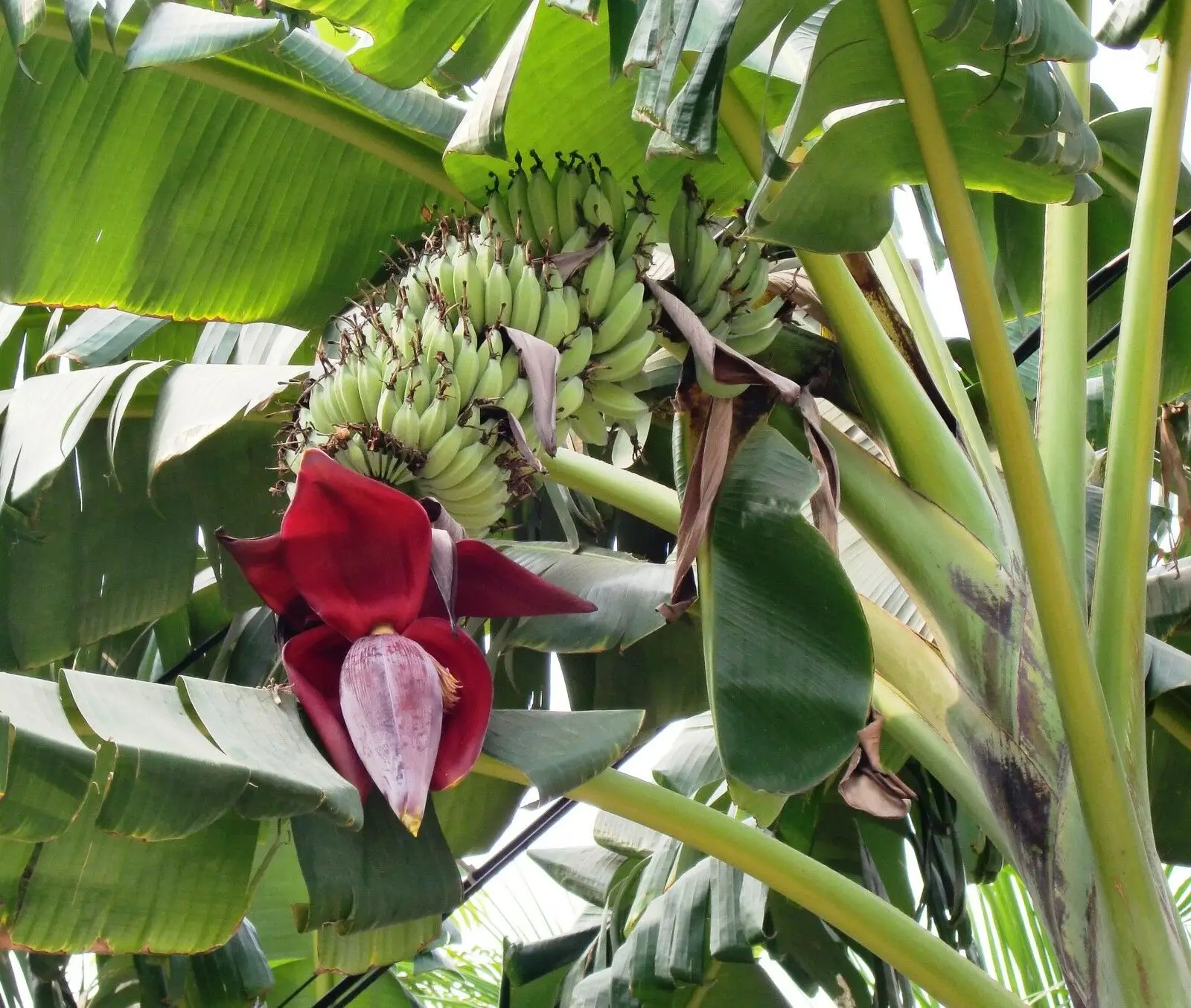
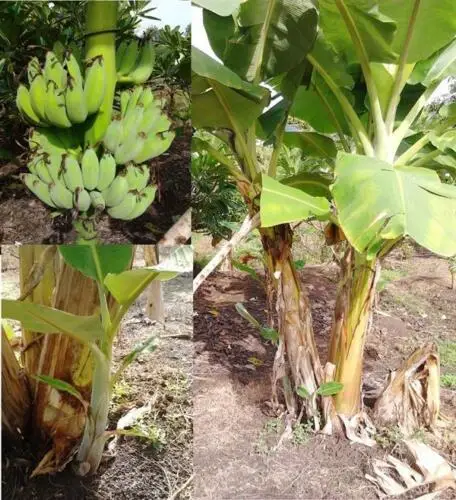
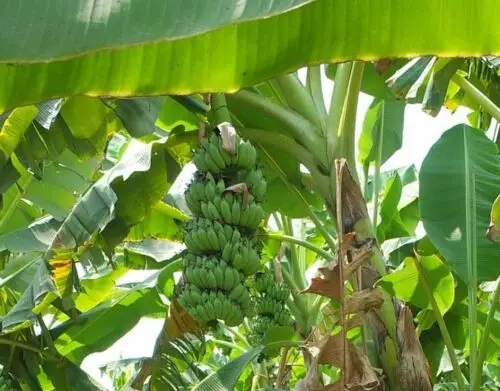
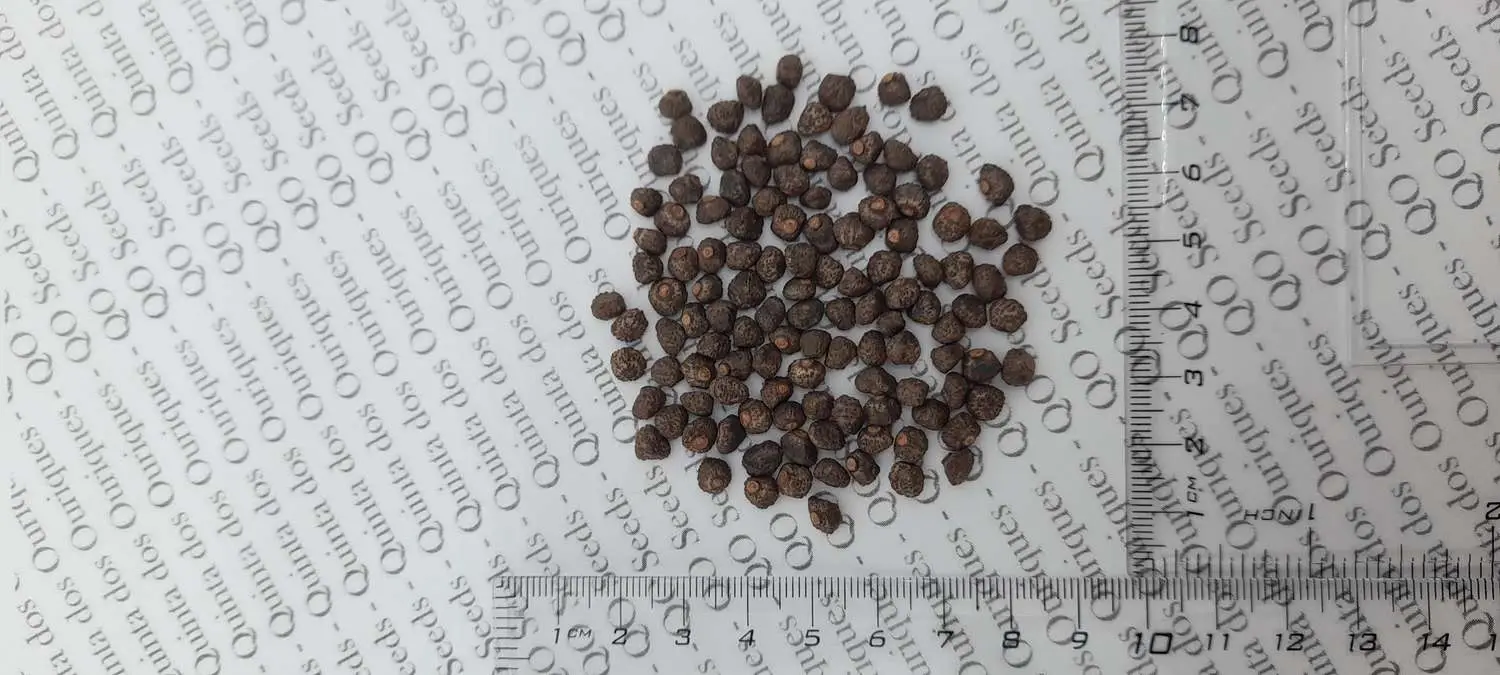
Grow the ancestor of every cultivated banana—a tropical powerhouse that produces spectacular purple blossoms you can eat in curries, and sweet, seeded fruit bursting with history. Every part feeds you: fruit, flowers, shoots, even the tender stem core. From the misty jungles of Southeast Asia, this is the original banana that started a global food revolution 8000 years ago. Rewarding to grow from seed with consistent warmth and moisture.
€1.92
Picture this: a massive banana plant rising 10 feet tall, crowned with enormous paddle-shaped leaves, then a spectacular purple flower spike emerges—and you harvest the edible heart for tonight’s curry.
Musa acuminata is native to Southern Asia, its range comprising the Indian subcontinent and Southeast Asia. This subspecies is the true genetic ancestor from which many of the modern edible dessert bananas are derived. When you grow M. a. ssp. acuminata from seed, you’re cultivating the same plant that transformed human agriculture—first cultivated by humans around 8000 BCE, it is one of the early examples of domesticated plants. Unlike its sterile commercial descendants, the wild subspecies produces viable seeds, connecting you to eight millennia of human and botanical history.
But here’s where it gets irresistible: this banana is utterly edible from flower to root. The purple, teardrop-shaped banana blossom (also called a banana heart) is edible. In Southeast Asian kitchens it’s shredded into salads, simmered in curries, and fried as fritters. Beyond the iconic yellow fruit, the male flowers are eaten raw or roasted and eaten like artichokes, while young shoots are cut finely and added to sauces and the tender core of the stem is eaten as a vegetable, in a similar manner to bamboo shoots. The leaves themselves become natural serving platters. You’re not just growing a fruit—you’re cultivating an entire pantry of tropical flavors and a living connection to ancient food culture.
The plant itself is a visual marvel. Plants produce huge paddle-shaped leaves that grow to 6 to 10 feet long, creating an instant tropical atmosphere in your garden or greenhouse. Musa acuminata is classified by botanists as an herbaceous plant and an evergreen and a perennial, not a tree. The trunk (known as the pseudostem) is made of tightly packed layers of leaf sheaths. This makes it surprisingly manageable compared to woody trees—it’s a giant herb with soft, living tissue that responds enthusiastically to good care.
Growing M. a. ssp. acuminata from seed is an achievable journey. Because the seeds have a tough seed coat, soak the seeds for 48 hours in warm water, kept warm by setting the bowl on a warm surface. Sow into a good quality peat free seed compost or coconut fibre in individual pots or cells, covering seeds 1/4 – 1/2 inch deep. Once germinated, maintain a temperature between 75F and 85F, with humidity levels ranging from 50% to 70% for optimal growth. Banana plants need plenty of light to thrive. Place your plants near a south-facing window or supplement natural light with grow lights. They should receive at least 6-8 hours of sunlight daily. Plants are suitable for light (sandy), medium (loamy) and heavy (clay) soils and prefer well-drained soil, preferring moist soil. In good heat and moisture, expect the first “flag leaf” (a short, upright leaf that precedes bloom) about 9–15 months after planting, with the inflorescence soon following, revealing hands of future fruit.
This is not just gardening—it’s rewilding your relationship with food and place. When you nurture M. a. ssp. acuminata from a tiny seed into a fruit-bearing giant, you’re participating in the same agricultural magic that fed civilizations. You’ll harvest purple blossoms for your kitchen, bananas for your table, and the profound satisfaction of growing the wild parent of the world’s most beloved fruit. Start your seeds today, and join a legacy spanning eight thousand years.
Only logged in customers who have purchased this product may leave a review.
Reviews
There are no reviews yet.