
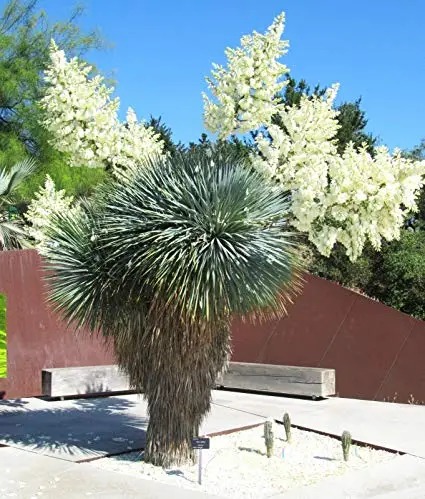
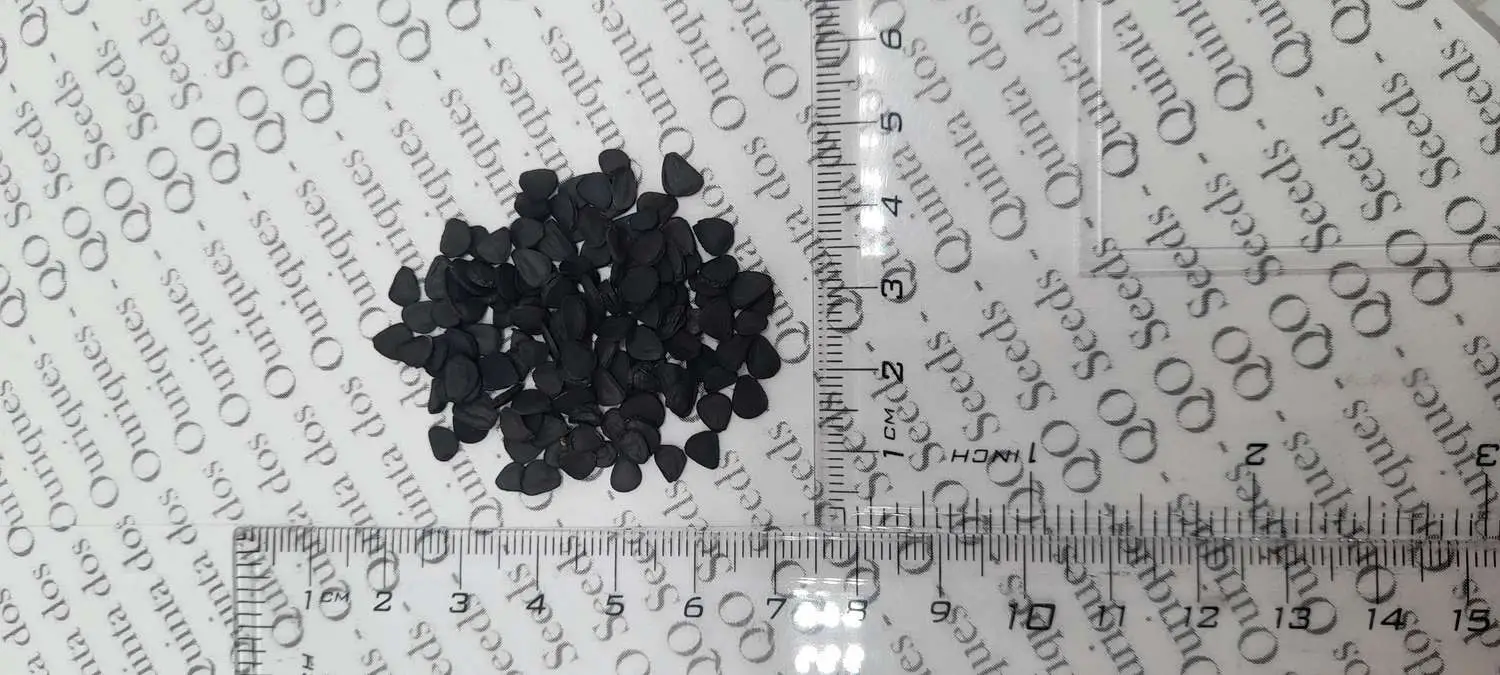
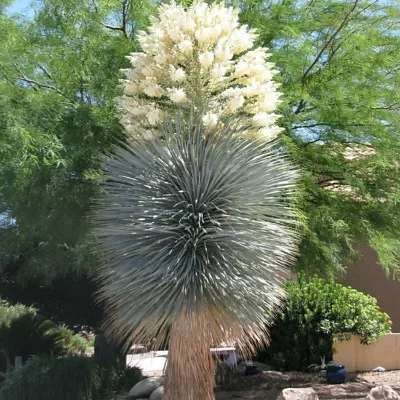
Grow a living sculpture: perfectly symmetrical pom-pom, full of hundreds of 2 ft. long, pale bluish-green leaves atop an elegant trunk. Silvery leaves in moonlight are striking. Blooms attract pollinators, especially moths and native bees. Once established, extremely low maintenance—occasional deep watering during extreme drought. Slow-growing but
€6.83
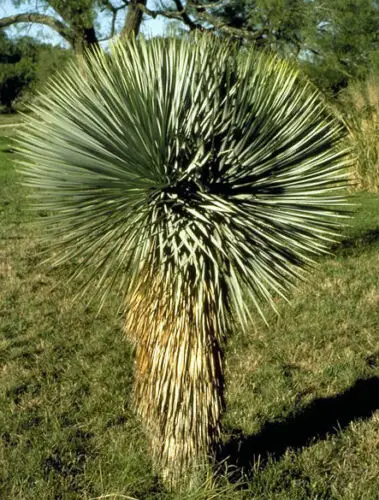
Perhaps the most handsome yucca, Yucca rostrata is a very ornamental, slow-growing, evergreen tree-like yucca forming a perfectly symmetrical pom-pom, full of hundreds of 2 ft. long, sharp-tipped, pale bluish-green leaves.
Native to Texas, and the Chihuahua and Coahuila regions of Mexico, this desert native has earned its place in gardens worldwide for its architectural presence and resilience. As one of the hardiest trunk-forming yuccas, Yucca rostrata can be grown successfully outdoors down to USDA hardiness zone 5, making it far more adaptable than you’d expect of a desert plant.
**The Real Magic: A Living Focal Point for Wildlife & Pollinators**
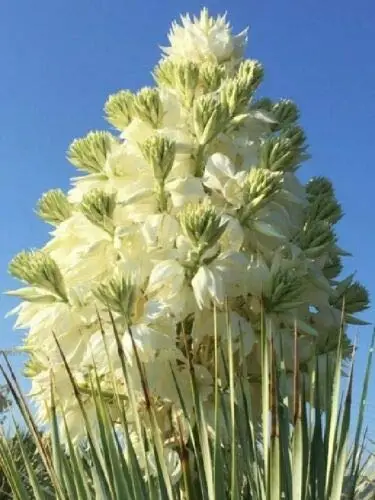
While most ornamentals sit quietly on the landscape, Yucca rostrata becomes a vibrant ecosystem hub. In late spring to early summer, mature plants send up a tall, dramatic flower spike covered in creamy white blossoms that attract pollinators, especially moths and native bees. The flowers attract hummingbirds, so be ready to welcome them to your garden. What many gardeners don’t realize: unlike agaves, Yucca rostrata is polycarpic, which means it can bloom many times over its long lifetime. After flowering, the trunk continues to grow and the plant remains evergreen and healthy, rewarding gardeners with repeat floral displays for decades. This is not a one-time display—it’s a permanent pollinator magnet that keeps giving.
**How to Grow It—Easier Than You’d Think**
Yucca rostrata is considered an easy plant to grow when its natural desert conditions are replicated. Here’s what it needs: thrives in bright, sunny conditions and performs best when planted in full sun, with at least six hours of direct sunlight daily for that stunning blue-gray color to develop. Use very well-drained soil, ideally sandy or gravelly. The beauty of this plant is its frugality—water sparingly once established, as the plant is highly drought tolerant. Avoid its only real weakness: protect from excessive winter moisture, which is more harmful than cold temperatures. Once you’ve given it proper drainage and sun, yucca rostrata is extremely resilient and can live for decades with minimal maintenance.
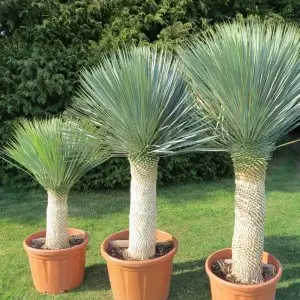
For container growing, Yucca rostrata can grow exceptionally well in pots for long periods of time. Growing from seed? Growing Yucca rostrata from seed requires patience, as the plant develops slowly during its early years. Seeds should be sown in a well-draining soil mix and kept in a warm, bright location. With proper conditions, germination usually occurs within a few weeks. Germination takes about two months at 16 to 18°C, so you’re looking at spring to summer for visible seedling growth.
**Why This Plant Will Change Your Garden**
There’s something primal about growing a plant that will outlive you, that becomes more sculptural and majestic with every passing year. This shimmering rosette is mounted atop a tree trunk, which is covered with the soft gray fibers of the old leaves, creating a silver haze. In moonlight, it’s ethereal. In daylight, it commands attention. Start your Yucca rostrata from seed now—watch it develop its iconic crown, witness the hummingbirds and moths arrive with its first flowers, and enjoy a living monument to desert beauty that asks almost nothing in return.
Only logged in customers who have purchased this product may leave a review.

Reviews
There are no reviews yet.