Description
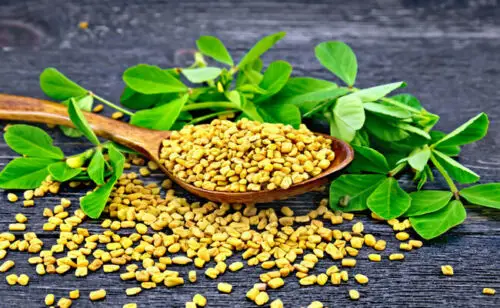
Fenugreek has been used since ancient times by man as a spice. It is also known in Portuguese by the name, of Arabic origin, of saddlebag.
It is an essential constituent in the preparation of Indian curry.
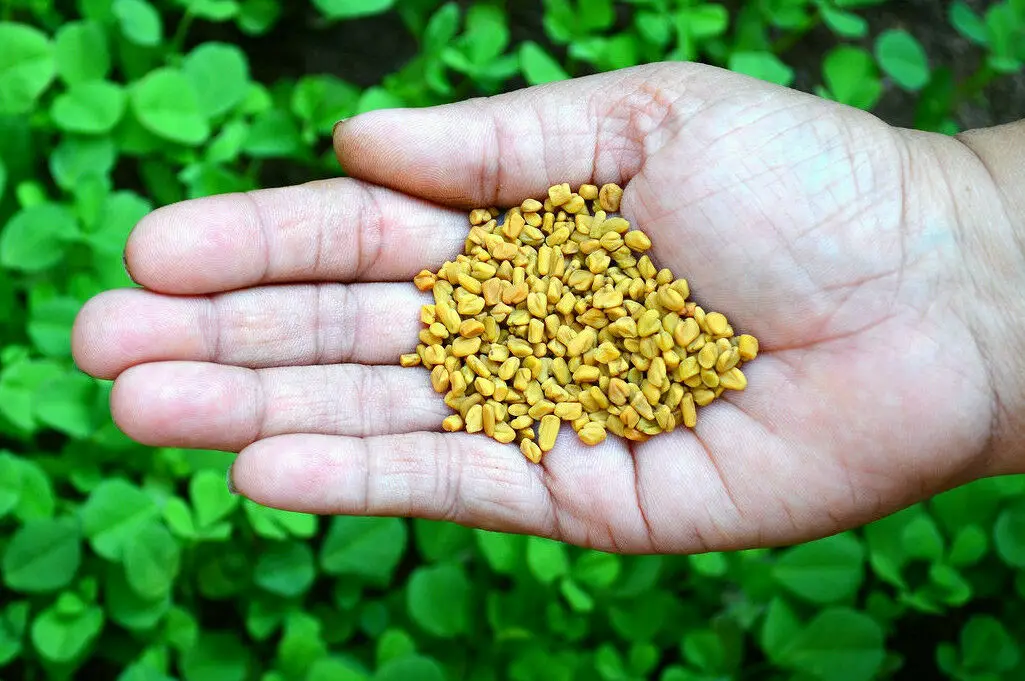
Fenugreek has three uses for cooking: as an herb (dried or fresh leaves), as a spice (seeds), and as a vegetable (fresh leaves and buds). “Sotolon” ??is the chemical substance responsible for the characteristic sweet smell of fenugreek. It is used to flavor and add flavor to artificial maple syrups.
Fenugreek has many uses and is too numerous to list them all.
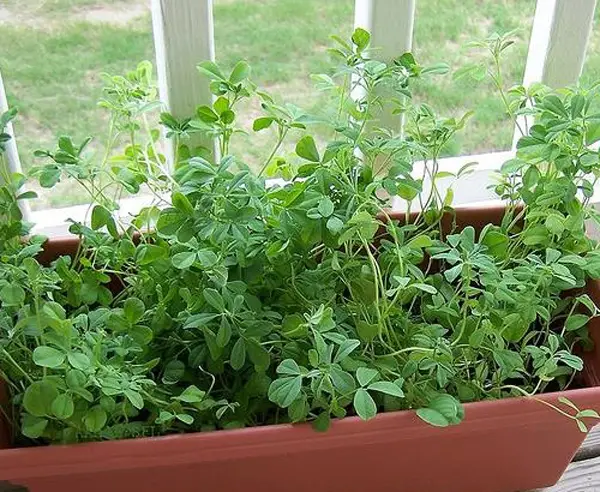
The species does not like to be transplanted, if it has no experience in transplanting plants, it is best to sow definitively, 0.5 cm deep, 20 cm away (soil that promotes good drainage and sunny location). Soil should be maintained moist until green shoots can emerge from the ground; then water only when the soil is dry.
The quality of the leaves will decrease once the flower buds appear, the harvest should be done before this time (on average 6 to 8 weeks).
Germination Guide
🌍 Mediterranean region, South-Eastern Europe, Northern Africa, Central Asia, Western Asia
Easy
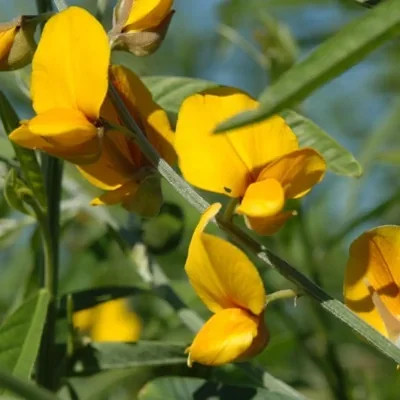
Trigonella foenum-graecum (Fenugreek) is an annual legume native to the Mediterranean region and Central Asia. Used for millennia as food, spice, and traditional medicine. Germinates rapidly and grows to 30-60 cm height with aromatic leaves and white-yellow flowers.
Germination
Germination time
Expect germination in
3 – 10 days
Temperature
Min 8°C
Ideal 20°C
Max 32°C
Substrate moisture
💧 Medium
Seed Pre-treatment
-
💧
Soaking — 8 hours
Soaking seeds 6-8 hours or overnight in room temperature water increases germination rate
-
🔨
Chemical scarification
Acid scarification with concentrated H2SO4 for 10 minutes is most effective. Sand paper scarification for 5 minutes less effective. Hot water treatment ineffective.
-
📋
Additional notes
Overnight soaking recommended to increase germination rate
Substrate & Container
Recommended substrate
sandy loam, well-drained soil, pH 6.0-7.5
Recommended container
seed trays with drainage holes, biodegradable pots, containers
Growing Tips
Light has no significant effect on germination. Keep soil moist but not waterlogged to prevent root rot. Full sun optimal for growth (6-8 hours daily). Prefers cooler temperatures. Can be harvested as microgreens in 3-4 weeks or allowed to mature for seed production in 120-150 days.
Only logged in customers who have purchased this product may leave a review.

Reviews
There are no reviews yet.