
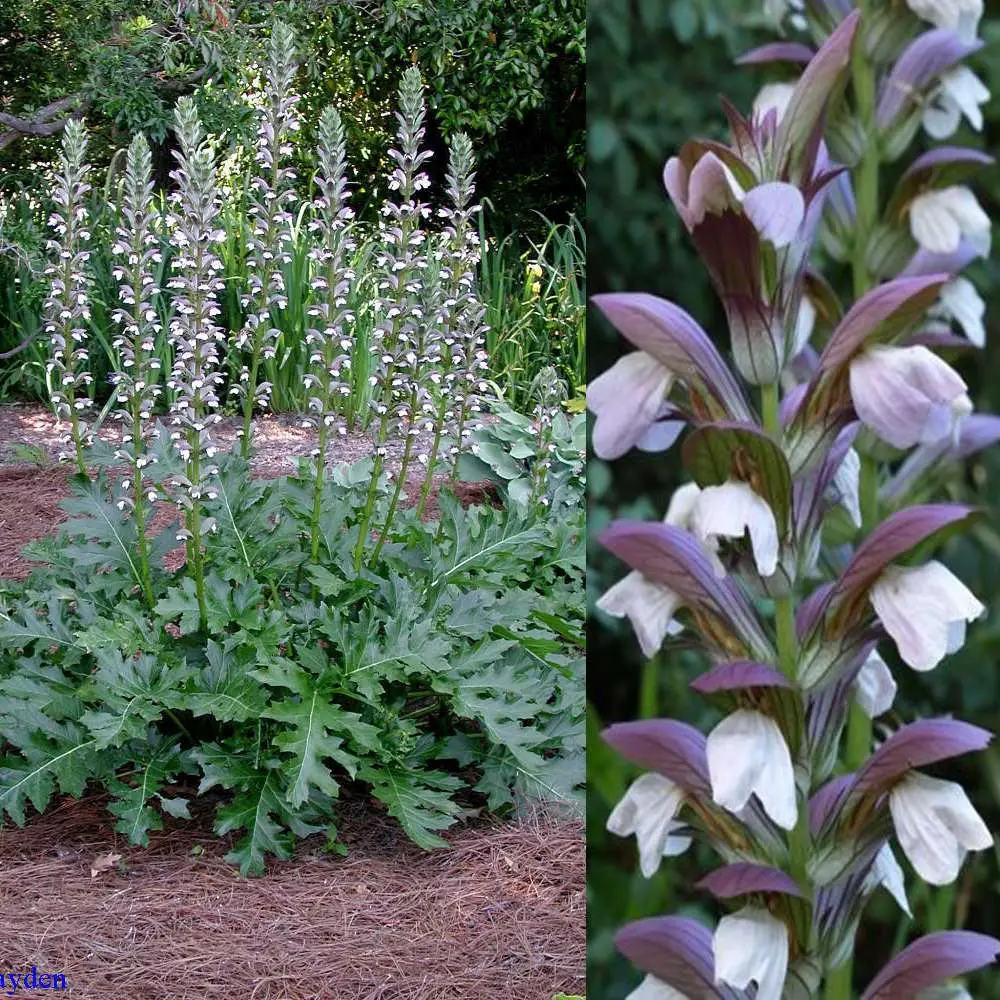
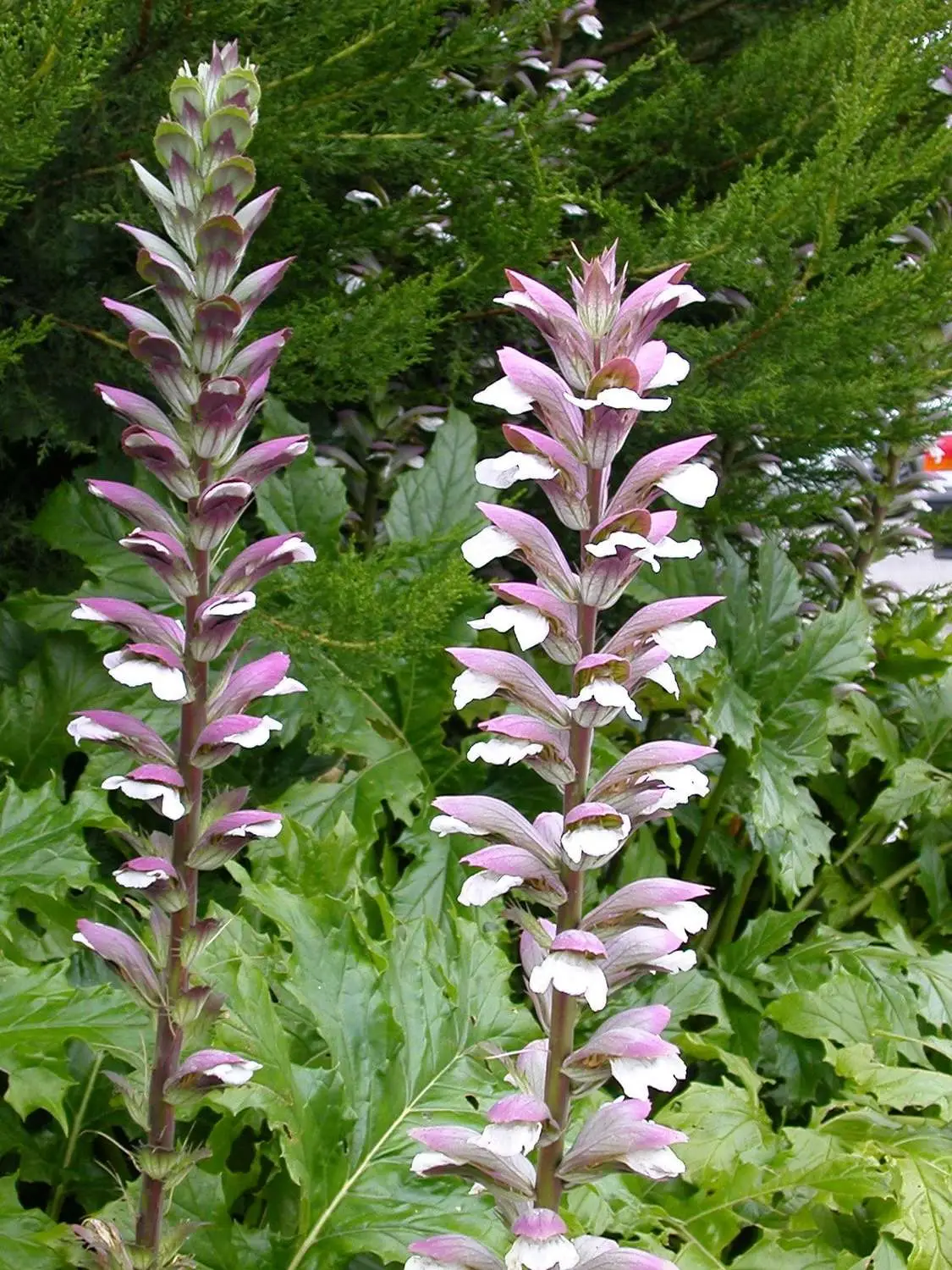
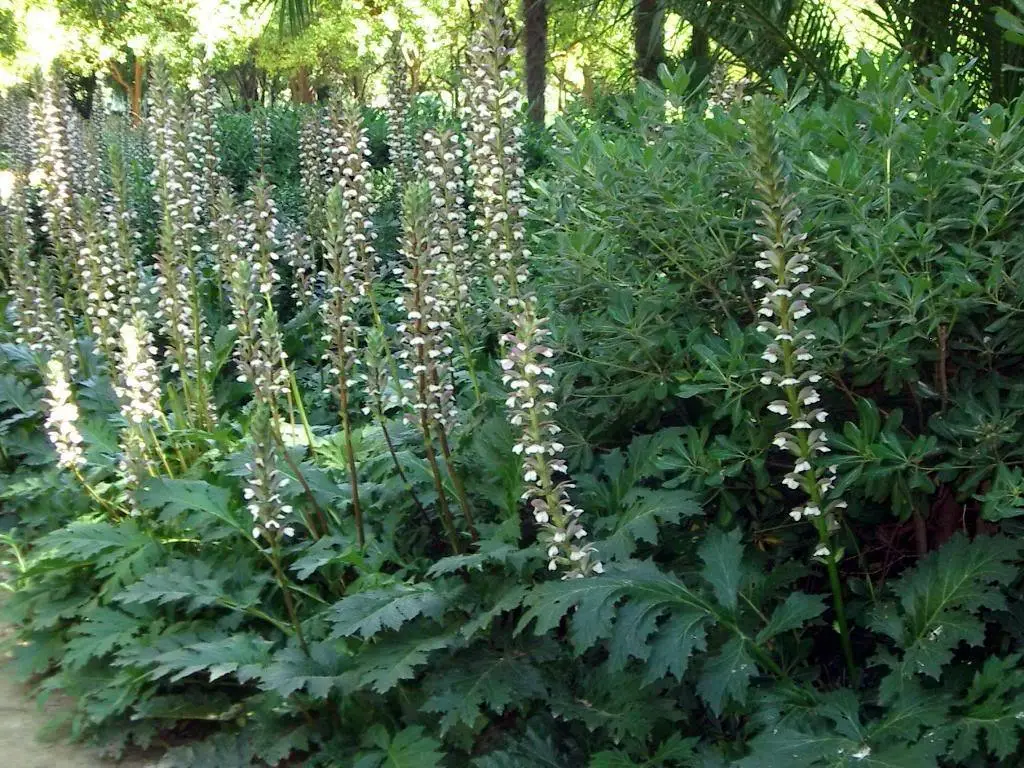
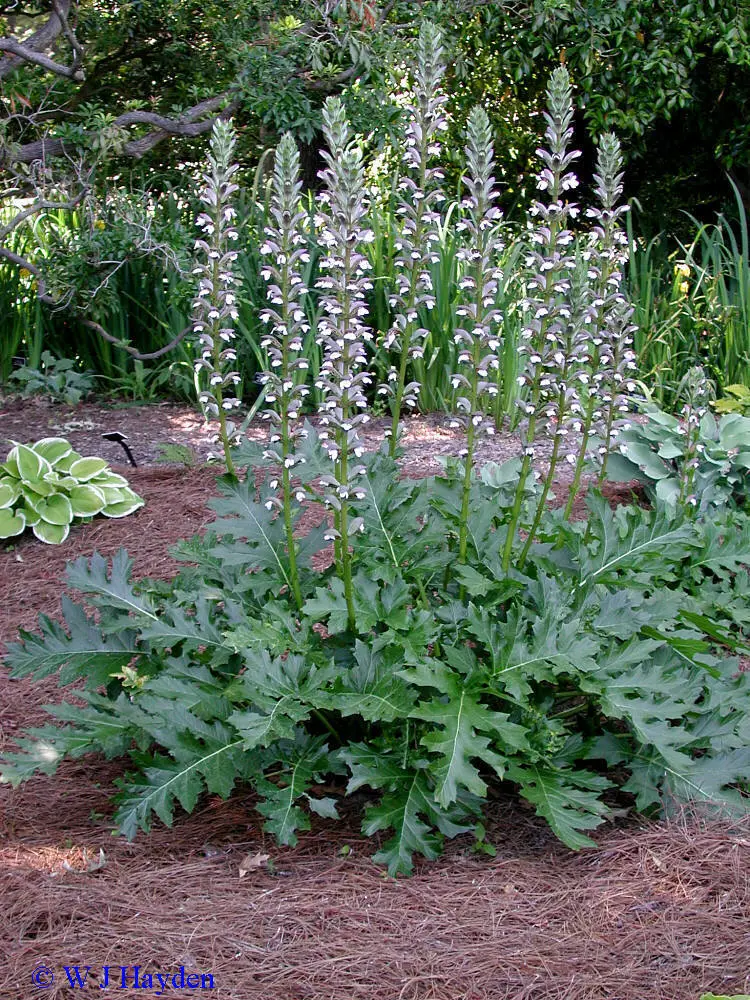
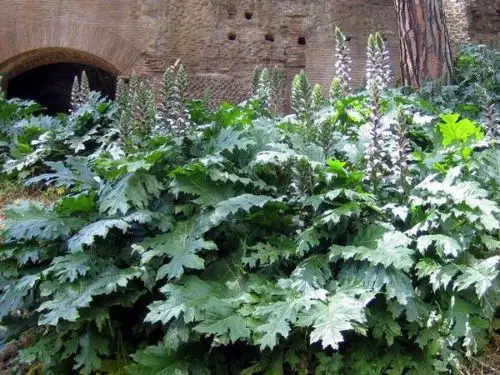
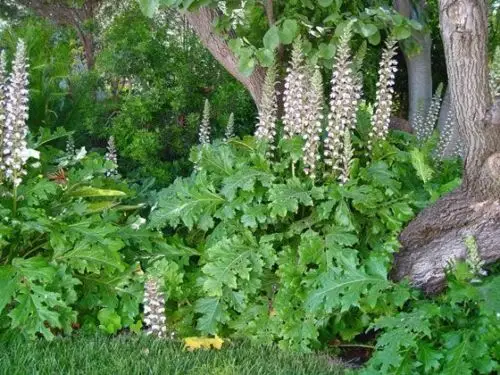
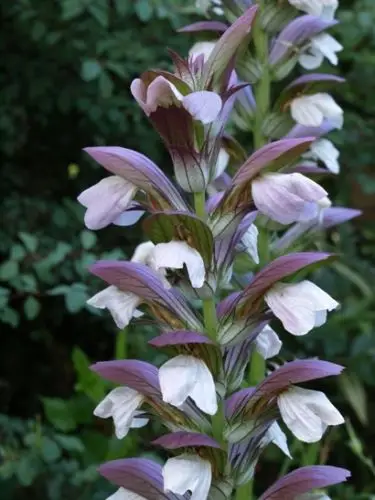
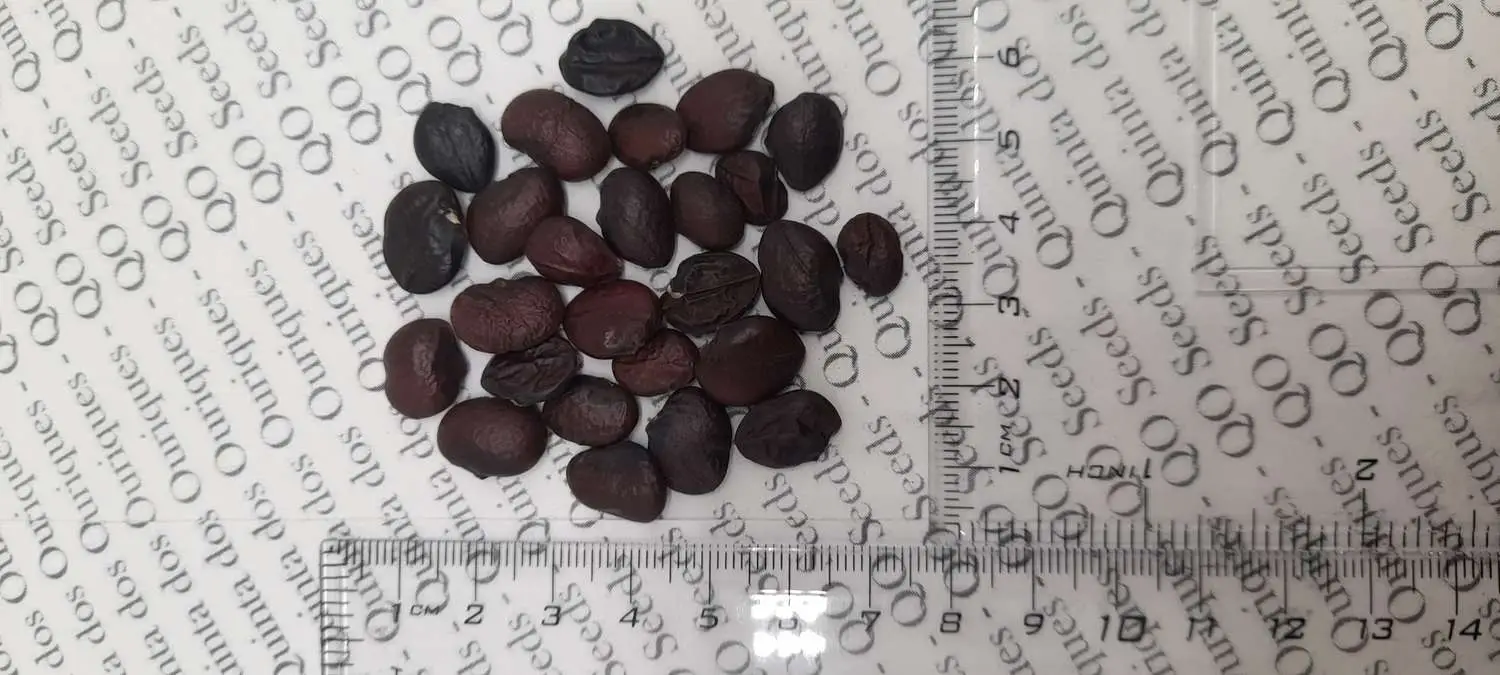
Grow the legendary leaf that inspired Corinthian columns and captivated civilizations. Acanthus mollis rewards you with glossy, architectural foliage and towering 5-6ft spikes of white & purple flowers that stop conversations. Easy to medium care. This is timeless elegance with deep roots in history.
€3.72
Imagine planting living history in your garden—the very plant that moved ancient sculptors to create the Corinthian order, an architectural language that has endured for over 2,400 years. Acanthus mollis is that plant: the bearer of legacy, the muse of empires, the embodiment of eternal beauty.
This Mediterranean native arrives from rocky woodlands across southern Europe—Portugal, Spain, Italy, Sicily, and beyond—a plant born from limestone cliffs and salt-kissed air. It is tough, resilient, and utterly uncompromising in its elegance. The species that once inspired Callimachus in the fifth century BC now waits to transform your garden into a temple of natural grandeur. Those Corinthian capitals adorning neoclassical buildings worldwide? They’re all echoes of Acanthus mollis’ magnificent leaves.
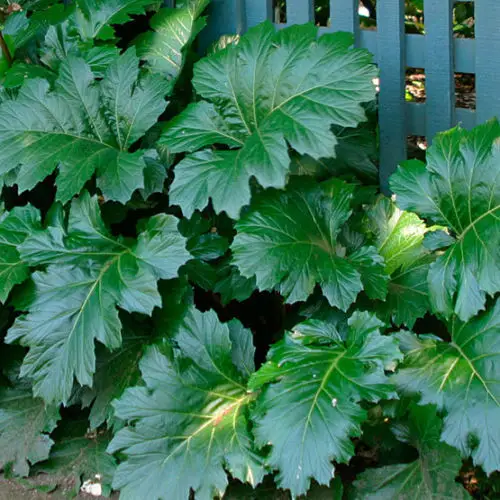
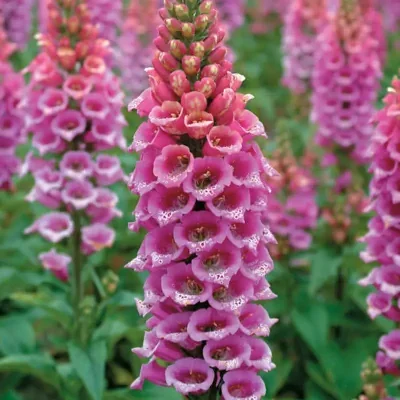
But here’s the true magic: Acanthus mollis isn’t merely ornamental. It is architectural poetry in living form. Your plant becomes a *conversation piece, a focal point, a statement*. The deeply lobed, glossy dark green foliage unfurls in dense clusters reaching up to 2 feet across, providing dramatic texture and contrast that transforms any planting scheme. From late spring through summer, towering flower spikes—sometimes reaching 5 to 6 feet—emerge like botanical exclamation points. These are white tubular flowers with deep purple hoods and spiny bracts, densely arranged in an almost architectural spike that resembles snapdragons on steroids. They attract bees and pollinators in droves. And yes, they make exceptional cut flowers: design with depth, longevity, and sculptural presence. Dry them and they become eternal—perfect for winter arrangements or decorative installations.
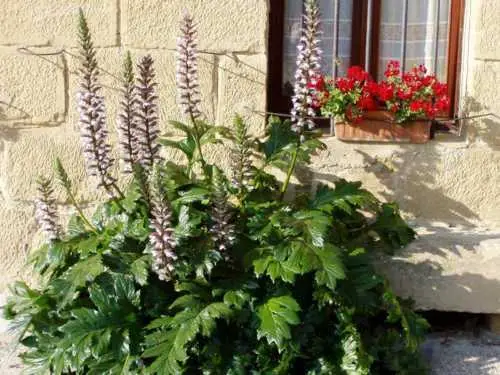
Cultivation? Refreshingly straightforward. Acanthus mollis thrives in partial shade to full sun (shade in hot climates keeps the foliage pristine). It tolerates a wide range of soils as long as they’re well-draining and reasonably fertile; once established, it’s drought-tolerant and hardy down to –15°C. The plant grows in pots beautifully, making it suitable for patios, terraces, and Mediterranean-style gardens. Water moderately during establishment, then step back: this is a plant that rewards benign neglect. Growing from seed is entirely feasible—soak seeds briefly, then germinate at cool temperatures (50–55°F)—and you’ll witness the transformation from seedling to architectural masterpiece over a single season.
There’s a profound satisfaction in growing the same plant that shaped Western civilization. When your Acanthus mollis blooms, you’re not just tending a garden—you’re perpetuating a design lineage stretching back to ancient Greece. Plant it. Watch it establish. Let it become the stately specimen that stops visitors in their tracks and makes them ask, *What is that extraordinary plant?* The answer: timeless, architectural, impossible to forget. This is Acanthus mollis. Grow it from seed and become part of the story.
Only logged in customers who have purchased this product may leave a review.
Reviews
There are no reviews yet.