
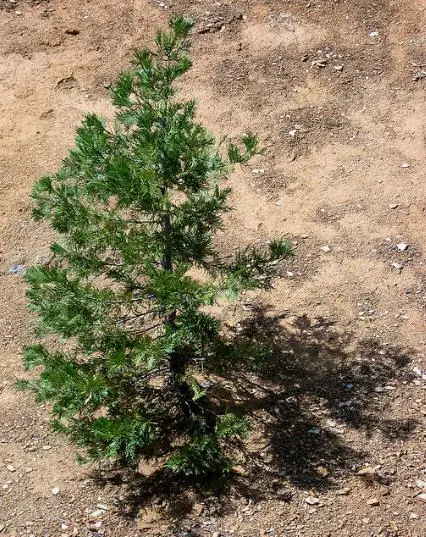
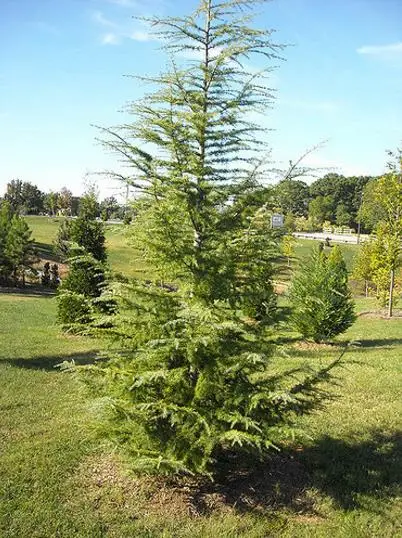

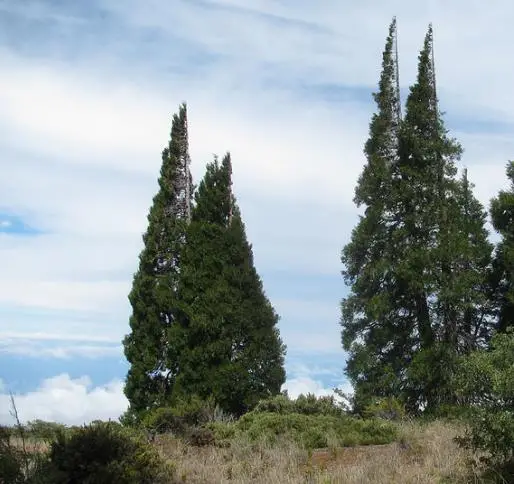
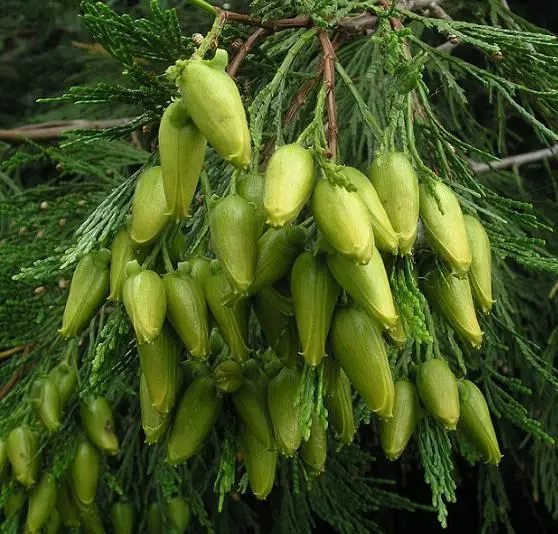

Hold a piece of living history in your hands. Calocedrus decurrens is the tree that shaped pencil culture worldwide—its soft, splinter-free wood is the gold standard for pencil-making. Grow your own legendary cedar, and you’re nurturing a conifer whose wood resists sharpening splinters perfectly. With lustrous green fern-like foliage, intoxicating incense aroma, and cinnamon-red bark, it’s ornamental magnificence wrapped around functional destiny. Medium-e
€5.17
You’re holding a pencil right now, and your fingertips have touched Calocedrus decurrens.
This is the incense cedar—North America’s most storied timber tree, the wood that became the beating heart of global pencil culture. For over a century, Calocedrus decurrens has been THE species chosen by pencil manufacturers worldwide because of one devastating truth: its wood is nearly perfect.
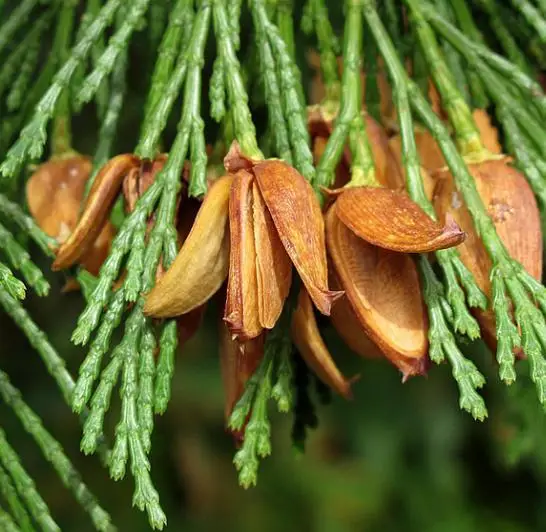
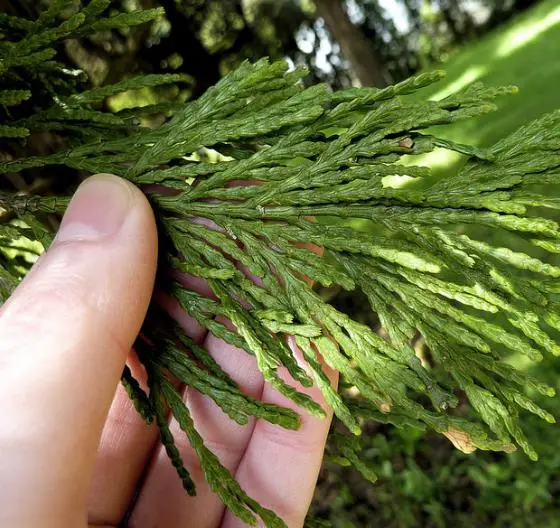
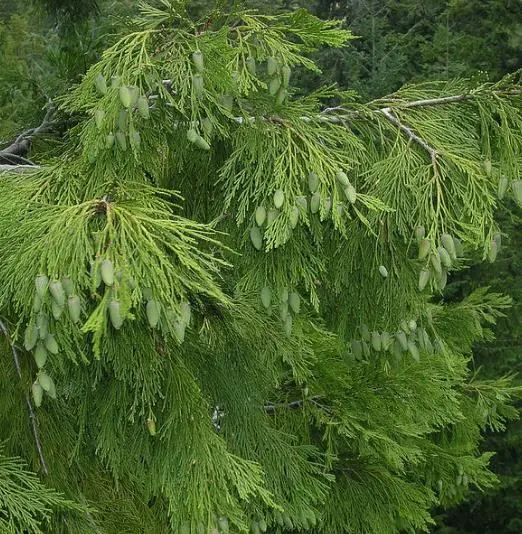
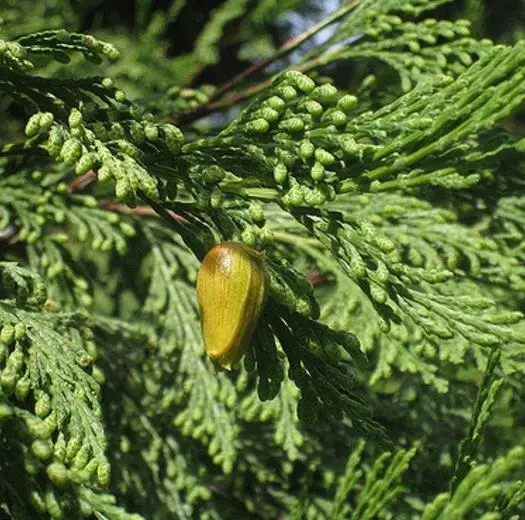
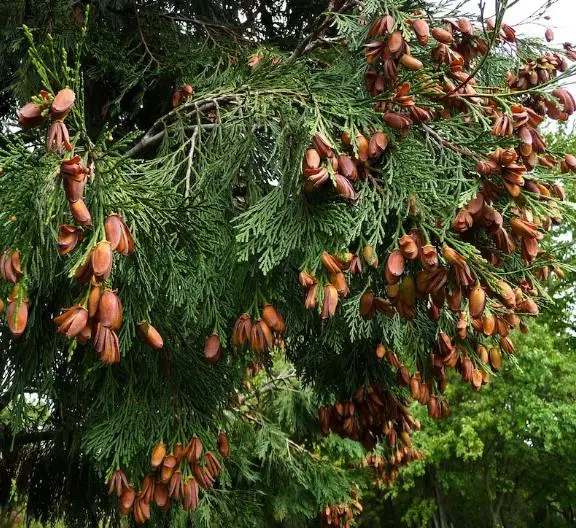
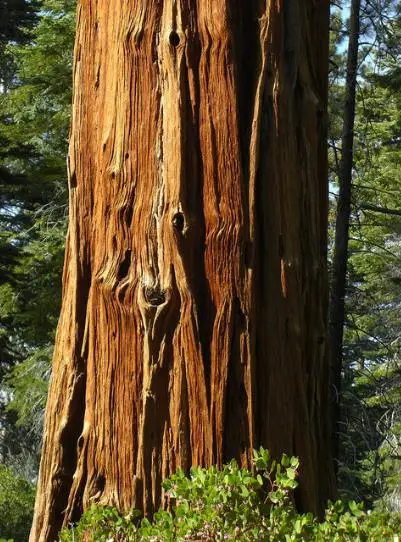
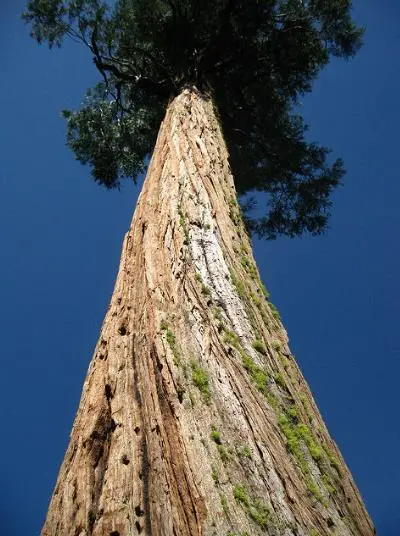
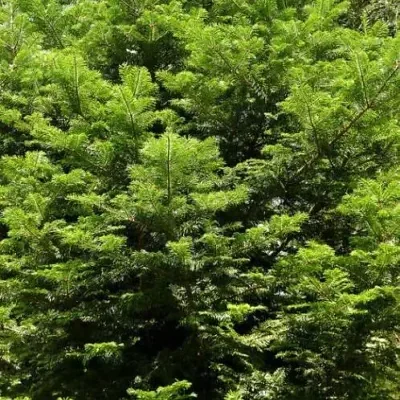
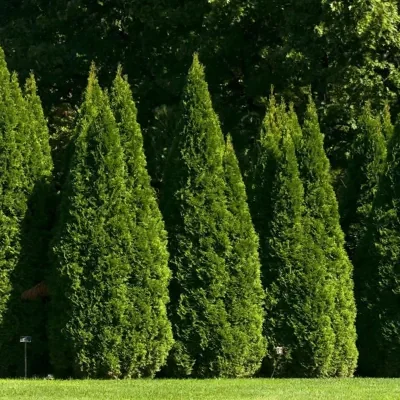
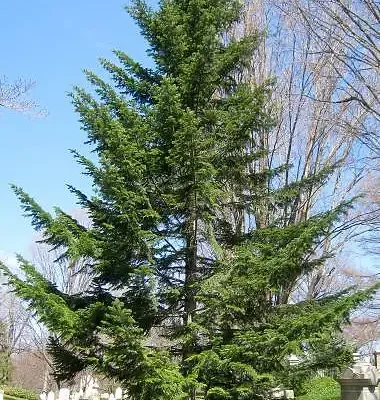
Native to the mountain forests of Oregon, California, Nevada, and Baja California, the incense cedar has been revered since Indigenous peoples first used it—for medicine, for ceremony, for the fragrance that rose from crushed leaves. The scientific name itself, Calocedrus, means “beautiful cedar” in Greek, a fitting title for a tree that grows into architectural elegance: a narrow columnar form in youth that broadens into a graceful cone, often reaching 40–60 feet in cultivation. The foliage is extraordinary—flattened sprays of scale-like, lustrous rich-green leaves arranged in delicate whorls, arranged like nature’s own lace. When you brush them, they release an intoxicating incense-like aroma, warm and spicy, instantly grounding. The bark is a showstopper: reddish-brown to cinnamon-colored, deeply furrowed and peeling in long strips on mature trees. Distinctive duckbill-shaped cones ripen in summer, adding character to this tree’s already magnetic presence.
But here’s what makes Calocedrus decurrens genuinely legendary: the wood. This is why pencil manufacturers abandoned Eastern Red Cedar in the early 1900s and never looked back. The heartwood possesses technical properties that are almost supernatural in their precision. It is soft and light, yet resists splintering—a rarity in nature. The wood sharpens cleanly in any direction without fracturing or feathering. It has a fine, uniform grain and exceptional stability, resisting warping, checking, and shrinking even through wild temperature and humidity swings. The result? Perfect pencils. Pencils that write smoothly, sharpen beautifully, and earn the loyalty of artists, architects, and writers across the globe. Virtually all wooden pencils manufactured today contain Calocedrus decurrens heartwood—that’s how dominant this species is. Beyond pencils, the aromatic wood has been treasured for cedar chests (its scent repels moths naturally), interior paneling, siding, and storage. The essential oil, rich in compounds like thymoquinone and carvacrol, carries antimicrobial and antioxidant properties, making it valuable in aromatherapy and natural remedies. Indigenous peoples decocted the leaves to treat stomach troubles and used steam infusions for colds and respiratory care. In the modern world, its essential oil is distilled for natural perfumery and wellness applications, carrying warm notes of cedarwood spice, vanilla, and fresh sawdust.
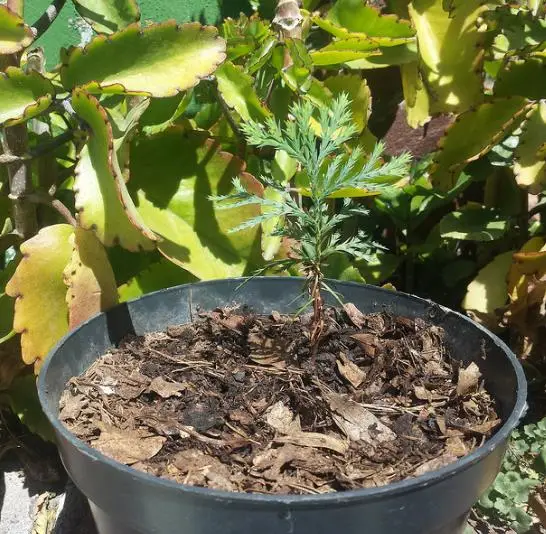
Growing Calocedrus decurrens from seed is an achievable dream for gardeners who think in decades rather than seasons. This is a hardy, drought-tolerant conifer that adapts to a wide variety of soils and conditions—USDA zones 5–8. It thrives in full sun to partial shade and prefers well-drained, moist soil, but once established, it shows remarkable drought tolerance, closing its leaf pores to conserve water during stress. The growth rate is fast when young (up to 20 feet in the first years), then slows gracefully, creating the architectural form that makes this tree so architecturally compelling. The wood is light and straight-grained, making it easy to work with even when young. In containers, ensure excellent drainage—this tree despises waterlogged roots. A slow starter from seed, yes, but the patience pays dividends: you’re growing a tree that may live 1,000 years, a tree whose wood will outlast empires, a tree whose aroma will perfume your property for generations.
Imagine: decades from now, you’re sharpening a pencil crafted from wood your own hands coaxed from seed. You feel the clean, perfect point forming, the wood surrendering to the blade with that g
Only logged in customers who have purchased this product may leave a review.

Reviews
There are no reviews yet.