Description
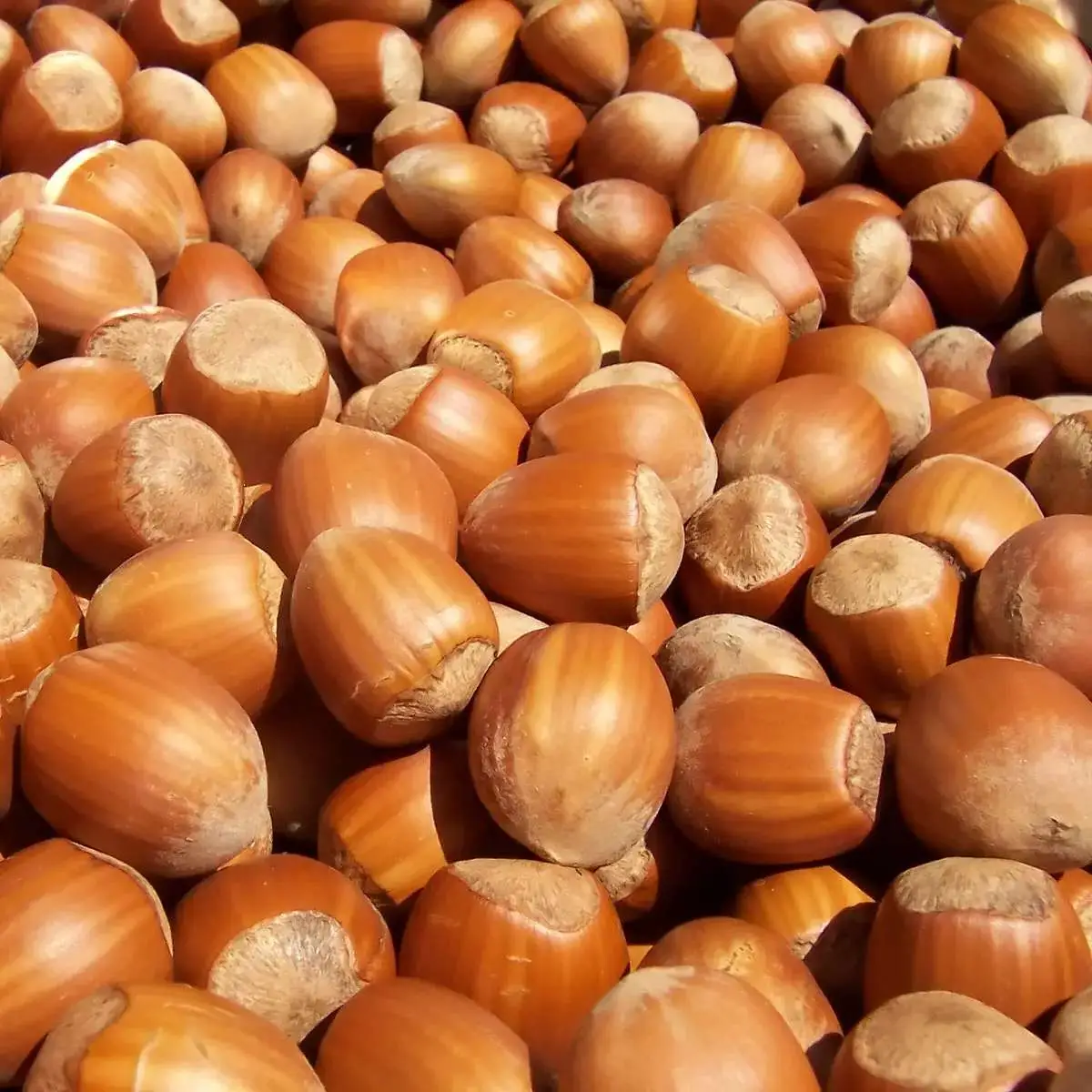
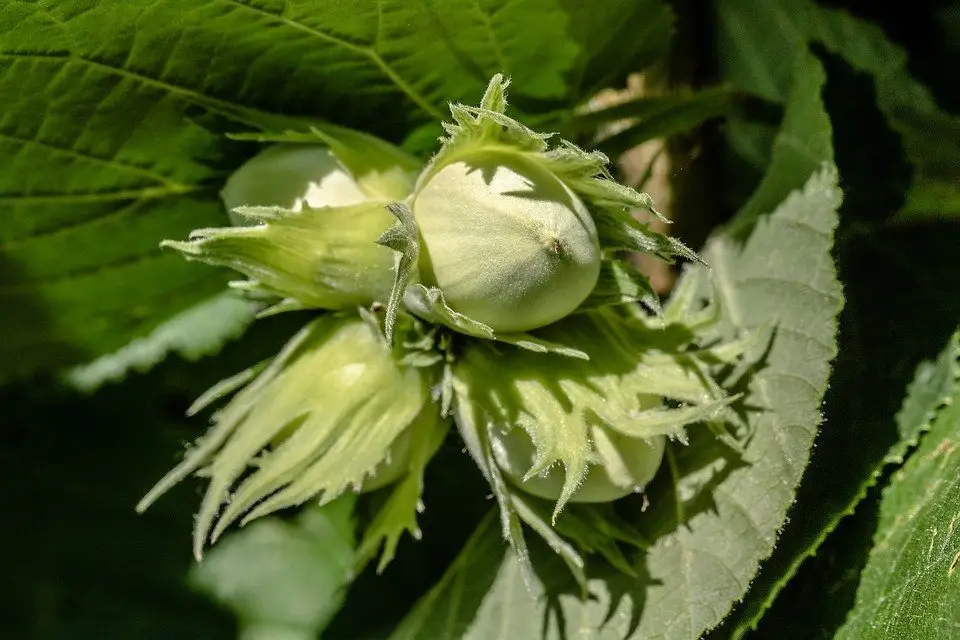
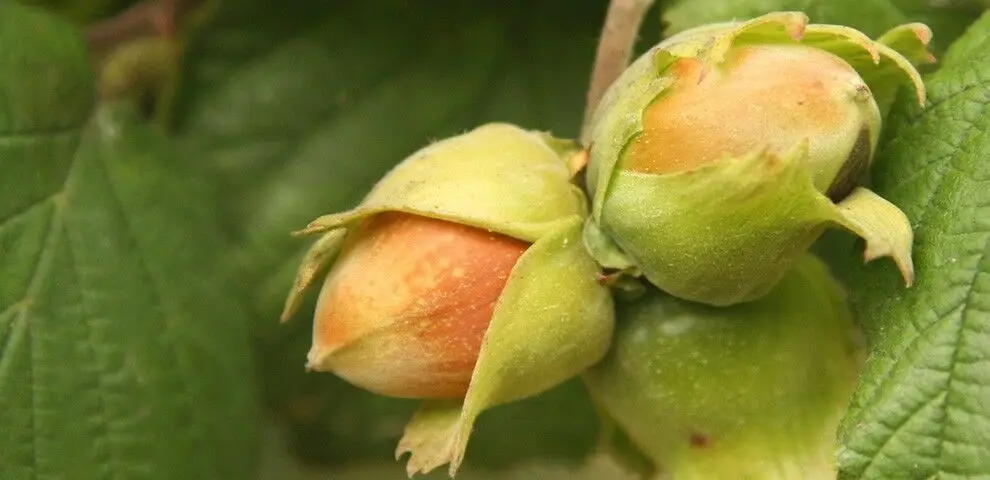
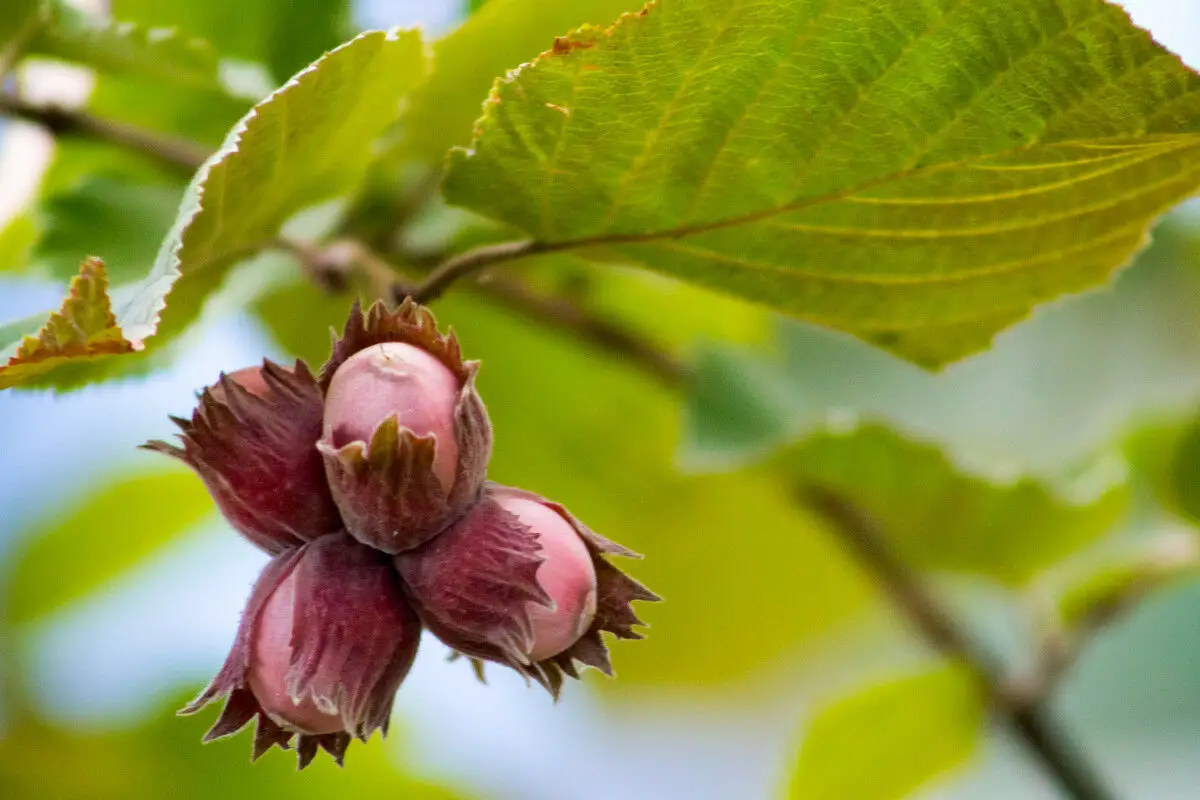
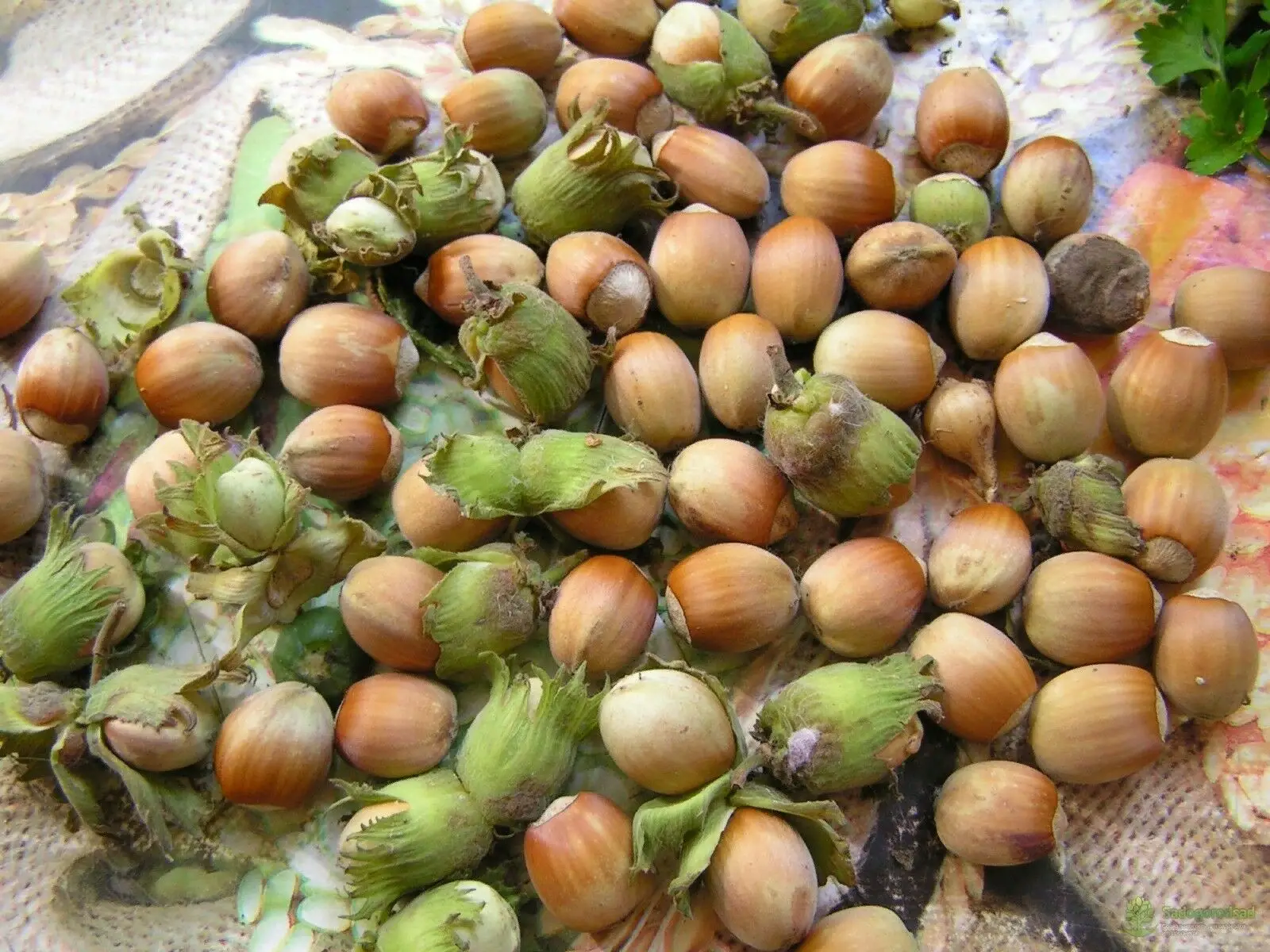
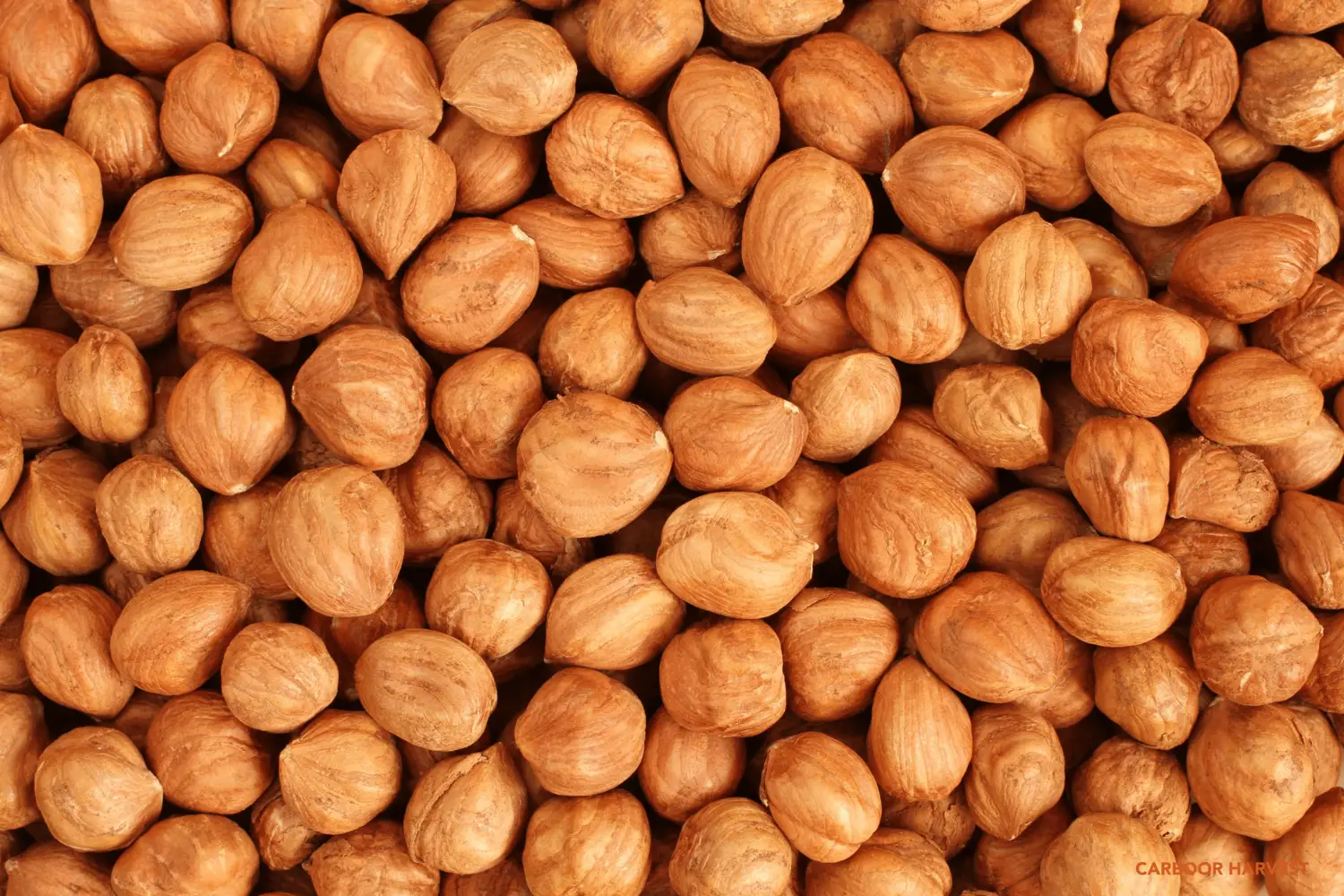
Giresum hazelnuts from the Black Sea area of ??Turkey are of the highest quality, the most delicious in the world; 75% of the hazelnuts consumed in the world come from this area.
Giresum is a Turkish province on the coast of the Black Sea, the world capital of hazelnut.
Its avellana botanical nomenclature derives from the city avella, in italy, where the species was described as nux avellana silvestris (wild hazel).
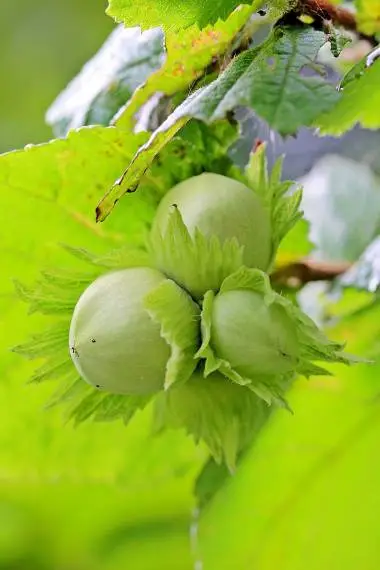
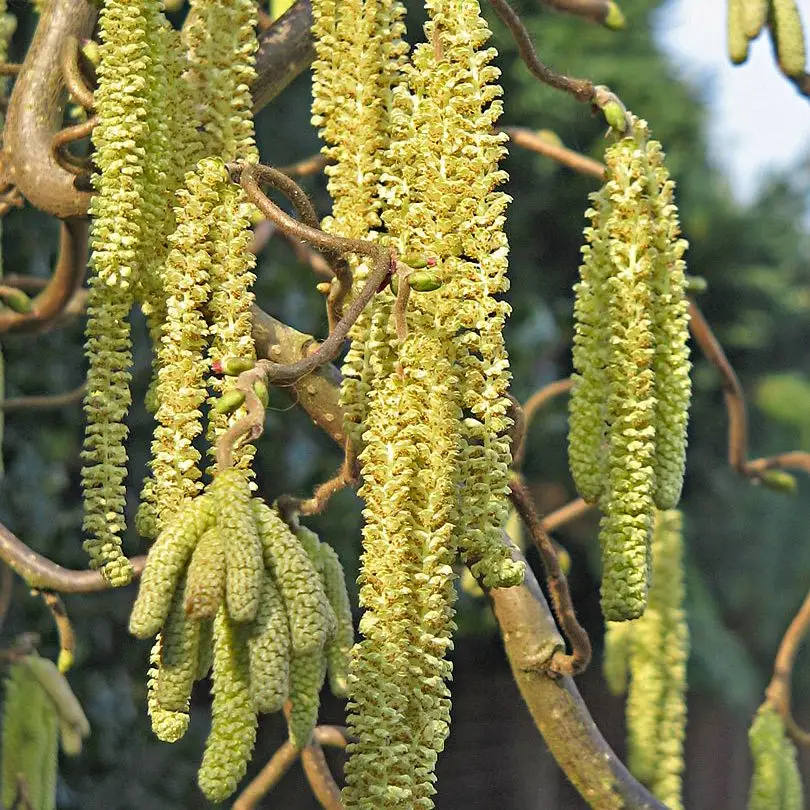
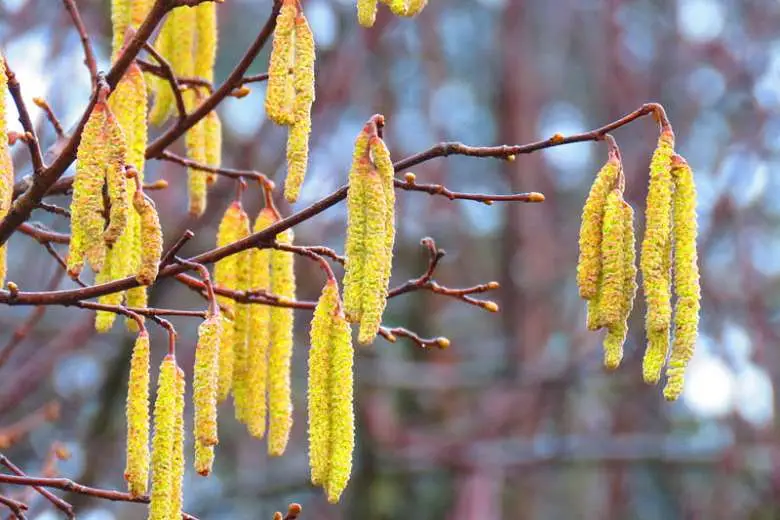
The flowers are produced in winter and are monoecious, with both sexes present on the same plant and are pollinated by the wind. Male flowers are pale yellow 5 to 12 cm long, while female flowers are very small and bright red in color, these are largely hidden by flower buds (styles are visible 1 to 3 mm in length).
The plant is quite resistant to the cold, however, due to the fact that flowering occurs in winter, regions where the temperature is below (-8ºC) should be avoided, which is not common in Brazil.
Common hazel is grown for its nuts in commercial orchards in Europe, Turkey, Iran and in different parts of the world.
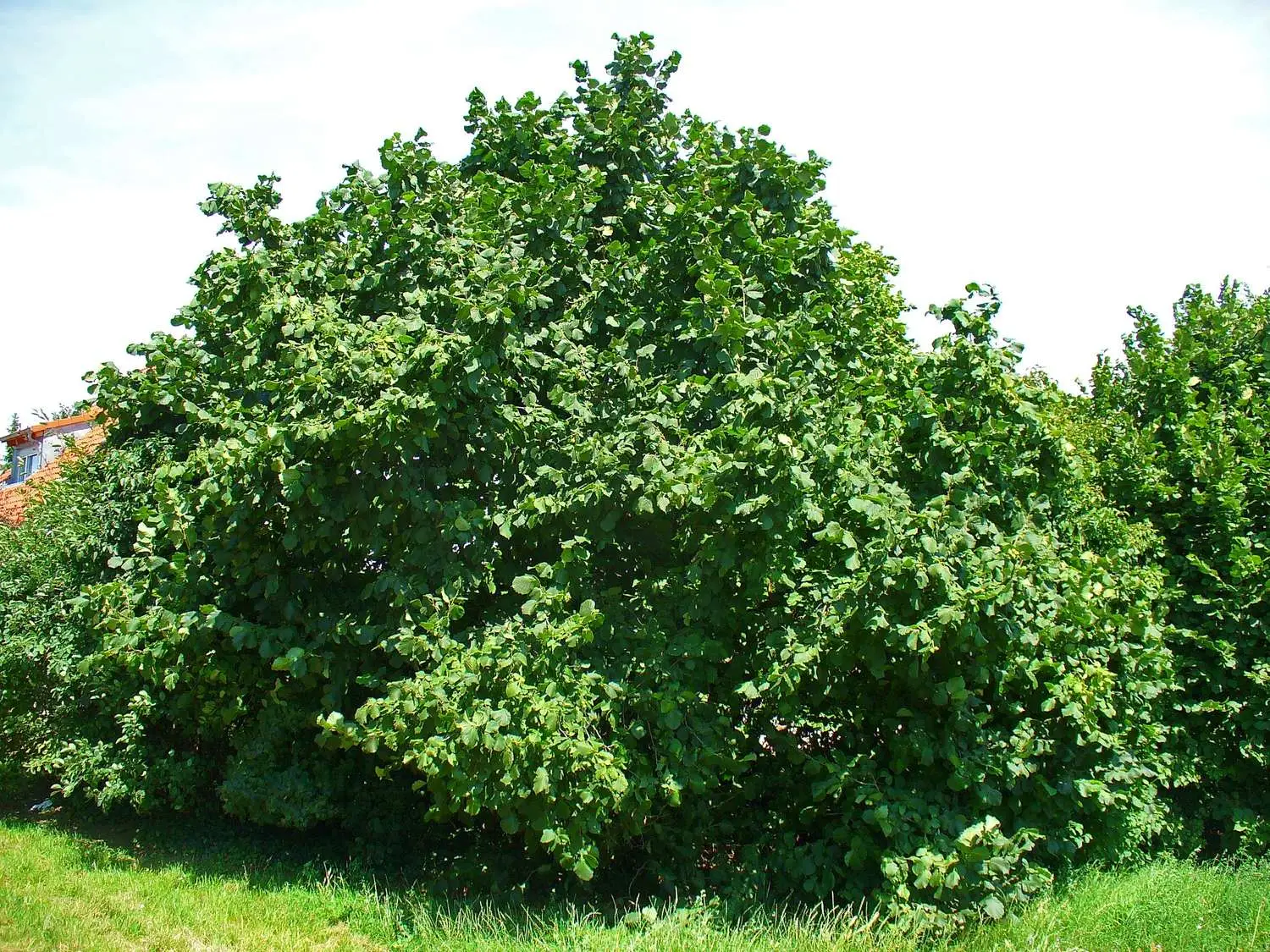
Hazelnut trees are demanding on neutral, slightly acidic soil, which promotes good drainage and grow between 3 and 4 meters in height and width.
They are tolerant to the cold and need protection from the wind, as well as some seasonal pruning.
Once established, it will produce a lot and constantly, year after year.
The Turkish giresum variety is a best seller in hazelnuts, grown in orchards in Turkey without pesticides and with the highest quality.
Germination Guide
🌍 Europe and western Asia, from British Isles and Scandinavia south to Iberia and Cyprus, east to Ural Mountains and Caucasus
Moderate
Corylus avellana, commonly known as common hazel or European hazel, is a deciduous shrub native to Europe and western Asia, widely cultivated for its delicious and nutritious edible nuts. The species exhibits seed dormancy and requires prolonged cold stratification (90-120 days at 4°C) to break physiological dormancy before germination can occur. Germination is slow, typically occurring in spring 4-6 weeks after stratification completion, and seeds demand cool conditions and consistent moisture throughout the germination process.
Germination
Germination time
Expect germination in
28 – 180 days
Temperature
Min 15°C
Ideal 18°C
Max 21°C
Substrate moisture
💧 Medium
Substrate & Container
Recommended substrate
Well-drained sandy loam with peat and sharp sand mixture or loamy potting compost
Recommended container
Deep containers at least 20 cm (8 inches) deep to accommodate strong taproot development
Growing Tips
Sow stratified seeds 1-2 cm deep in well-drained, sandy potting compost. Keep soil consistently moist but not waterlogged during germination. Maintain cool temperatures (15-21°C / 60-70°F). Germination may be erratic and extend several months. Check seeds weekly during stratification and sow immediately if radicles appear. Hazelnut seeds develop strong taproots; use deep containers to prevent root deformation. Outdoor direct sowing in autumn into mulched beds is a practical alternative to indoor stratification—seeds will germinate naturally in spring. Protect seedlings from rodent predation. Seedlings develop rapidly after emergence and should reach 10-20 cm within first weeks, then 50+ cm by season end.
Only logged in customers who have purchased this product may leave a review.

Reviews
There are no reviews yet.