
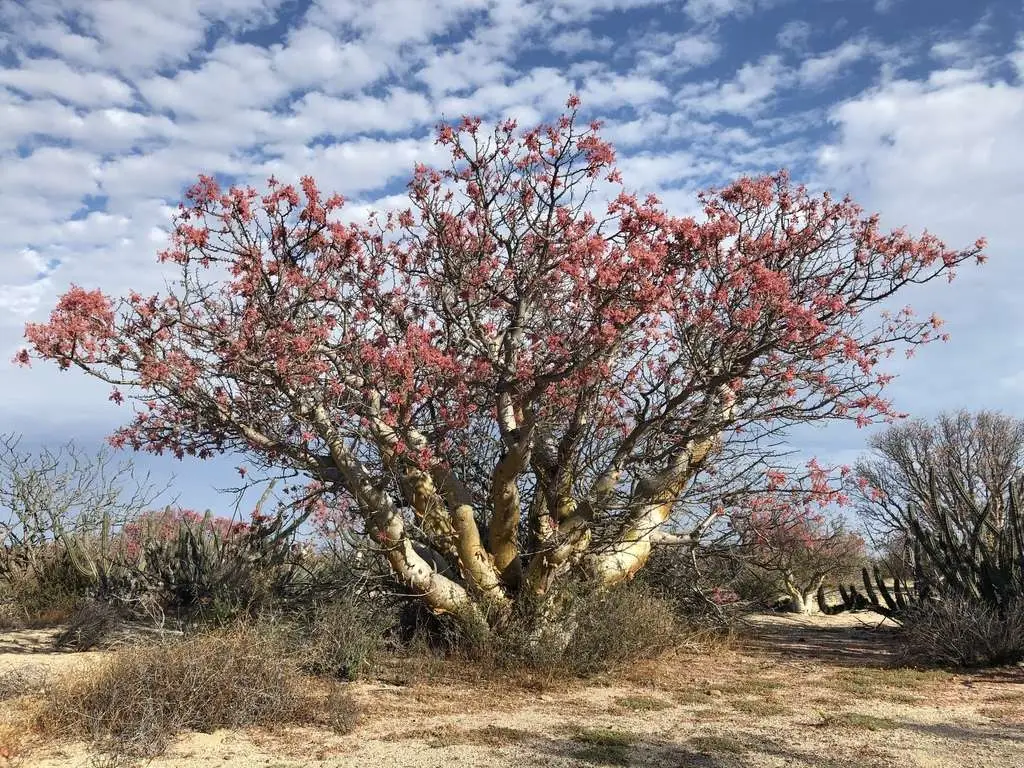
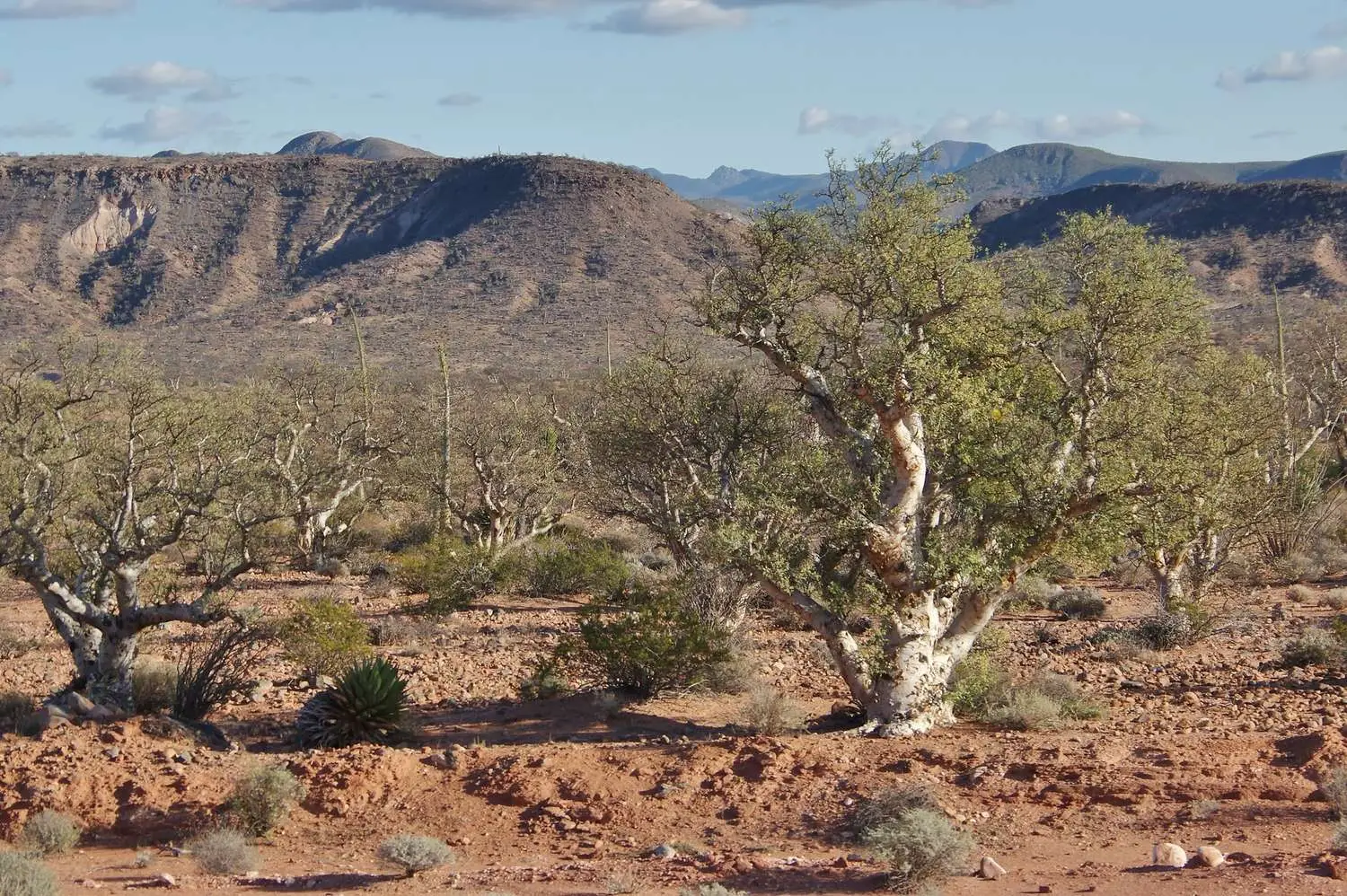
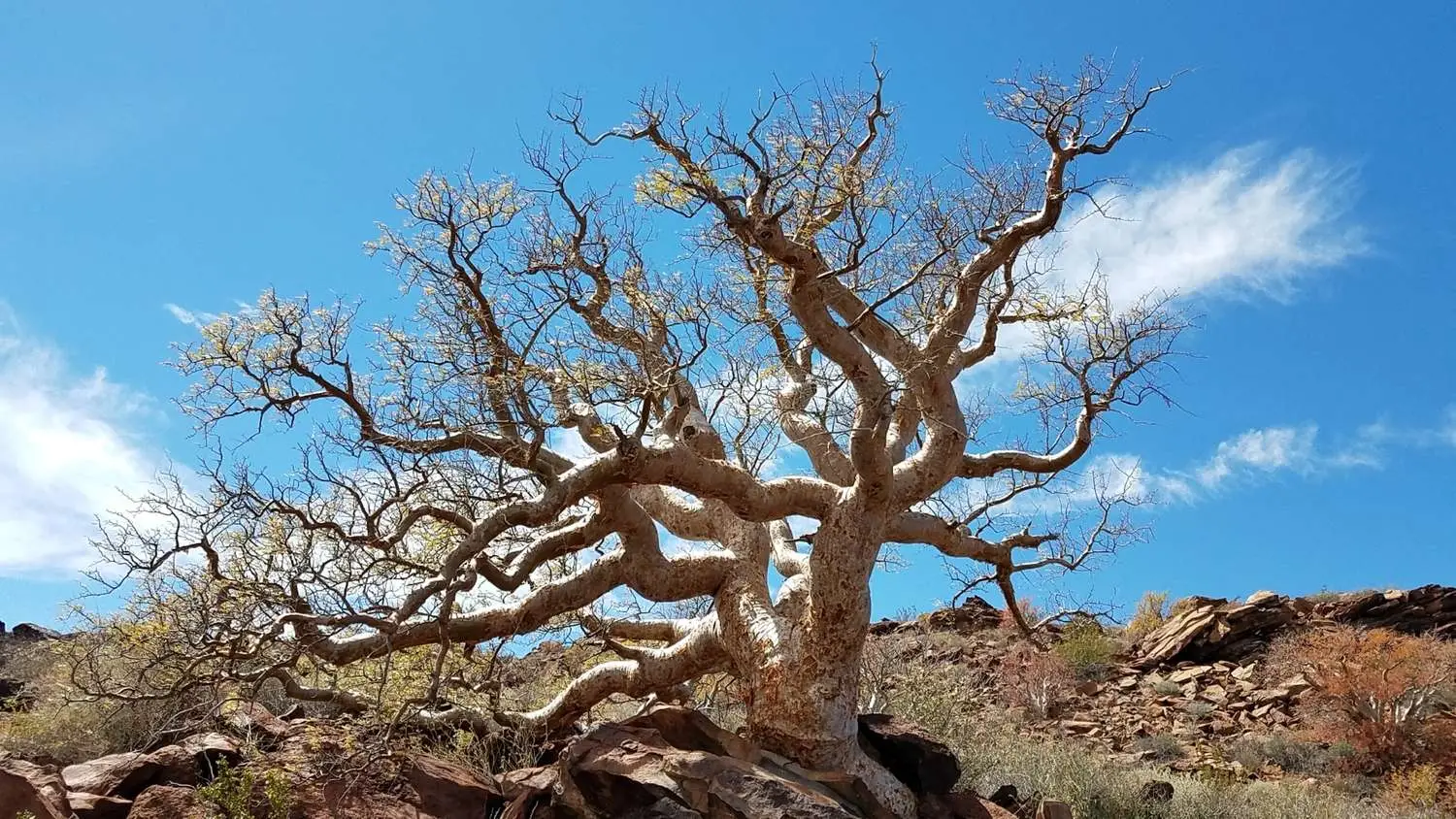
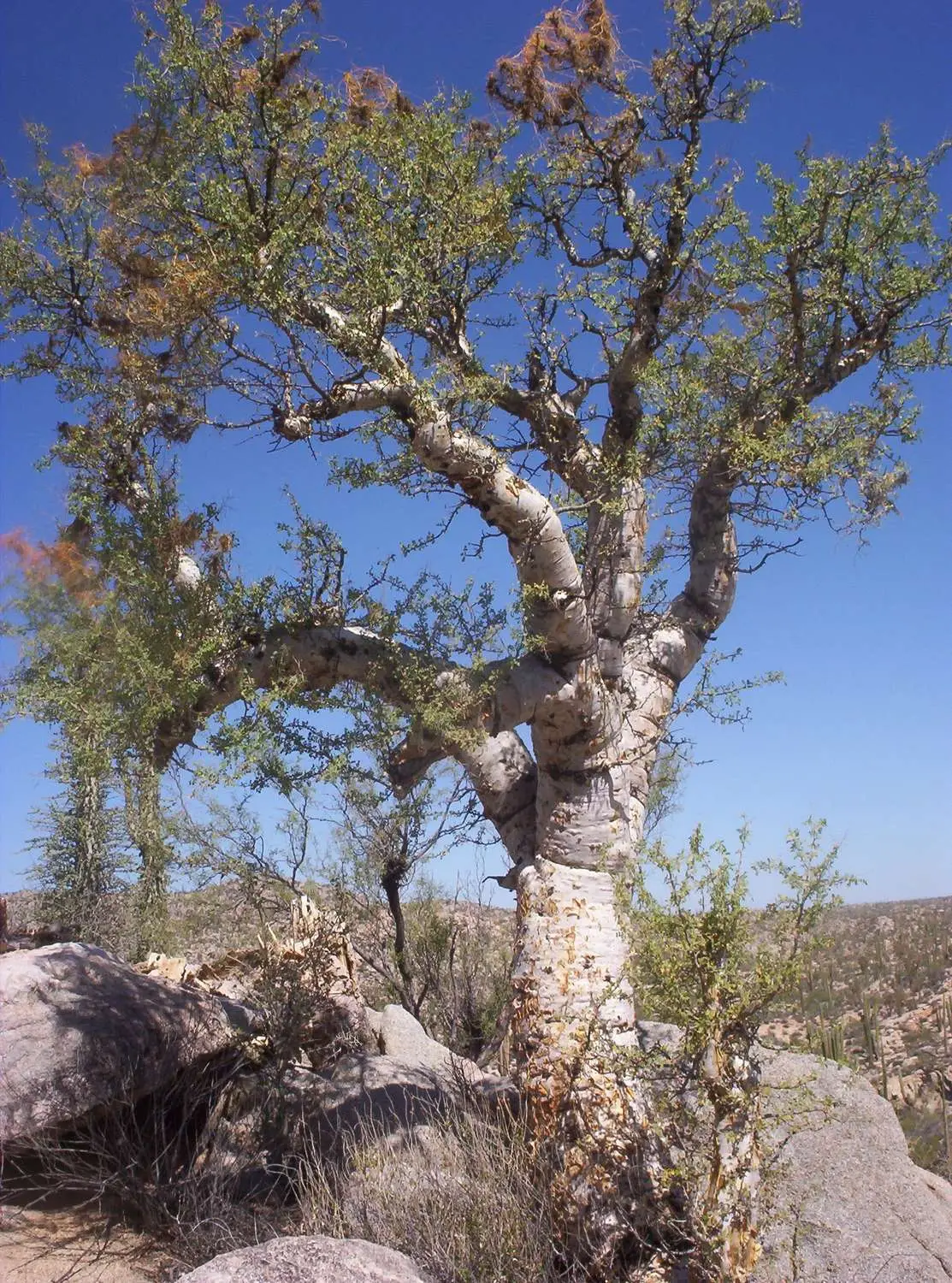
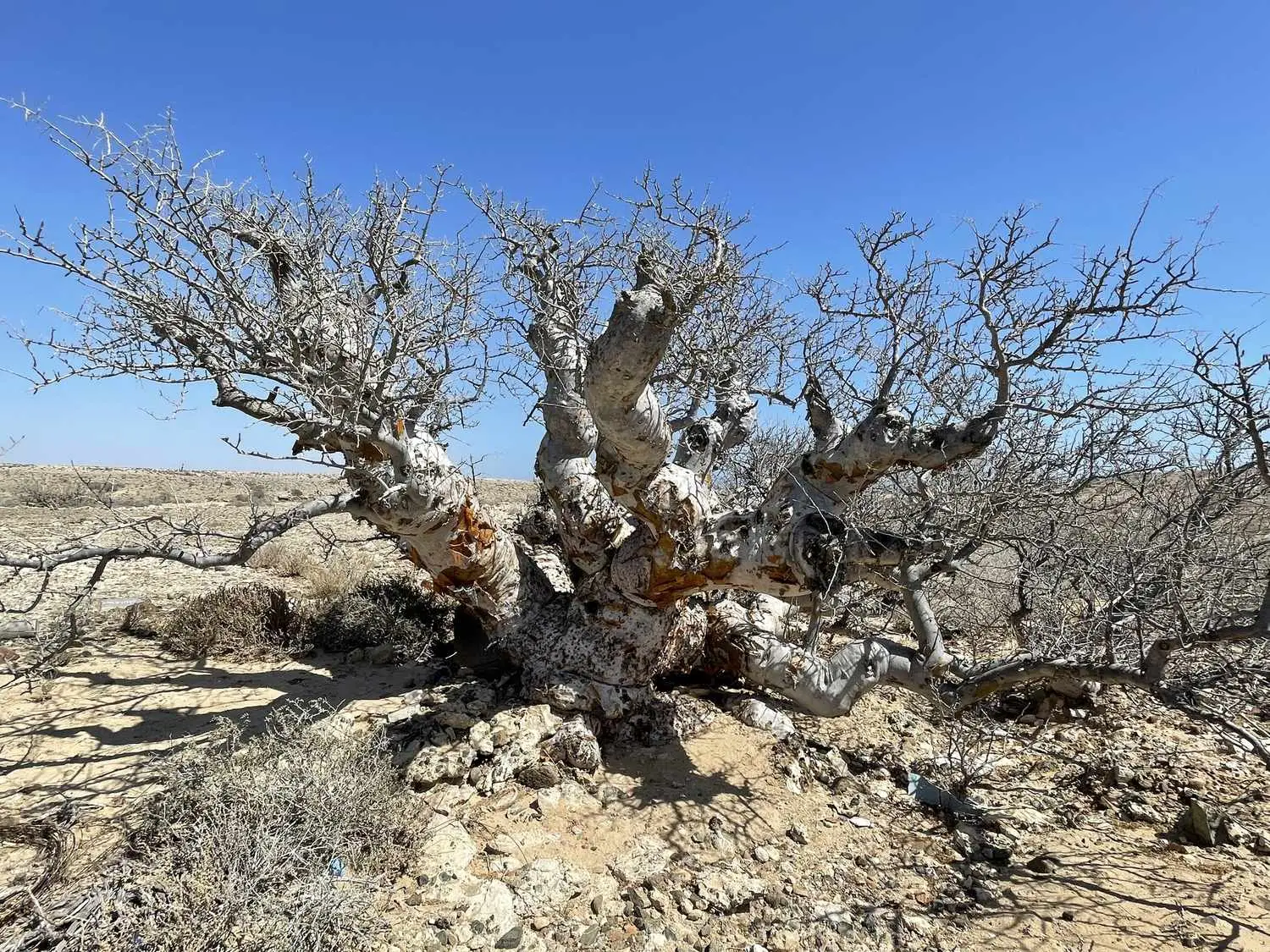
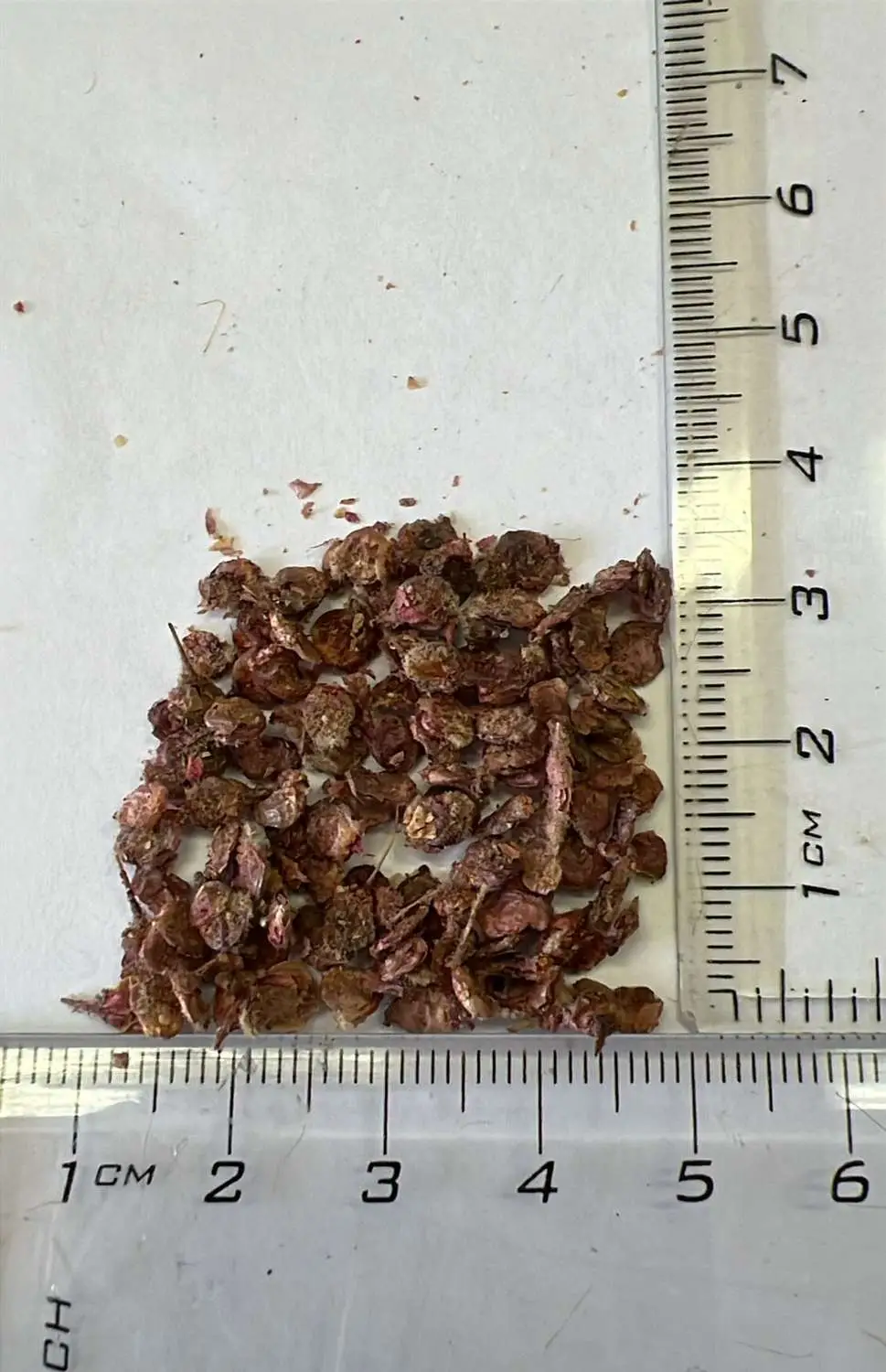
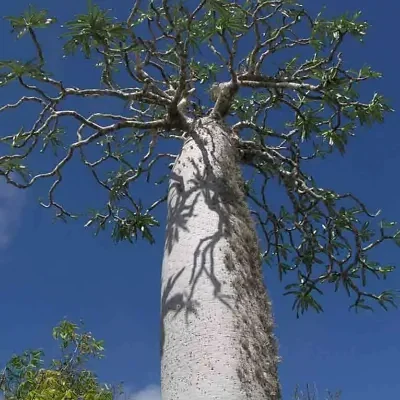
A living sculpture. Pachycormus discolor is a sarcocaulescent succulent with an elephant-thick trunk, exfoliating bark, and gnarled branches that rival years of bonsai training. Grows slow, stays magnificent—perfect for patient collectors. This winter-grower thrives in full sun and lean, gritty soil. Grow from seed and craft your own thousand-year legacy.
€4.86
A living sculpture—patience rewarded with the rarest form.
Imagine a plant that does the work of a master bonsai artist for you. Pachycormus discolor, endemic to the Baja California peninsula, is a sarcocaulescent (fat-trunked) succulent that distills every principle of bonsai beauty into its bones without requiring the relentless pruning. Your reward for minimal intervention: a grotesquely gnarled, multi-trunked tree that looks like nature’s interpretation of “the proboscis of an elephant holding a nosegay.” The trunk swells and twists; the papery bark peels in gossamer sheets to reveal a greenish, photosynthetic layer beneath—a sculptural revelation with each season. This isn’t cultivation; it’s curation of a living artwork.
The Baja Elephant Tree has graced Baja California’s harshest deserts for millennia. Some individuals in habitat show virtually no size change across five decades, with scientists estimating ages exceeding 1,000 years. In your hands, you’re not just growing a plant—you’re stewarding a potential century-long companion. Native peoples and traditional healers have valued every part: the edible fruits as nutrition, the leaves and stems in medicine. These uses speak to the tree’s deep integration into desert life, its resilience, its quiet nobility.
What makes Pachycormus discolor the ultimate bonsai subject isn’t just its appearance—it’s its philosophy. Bonsai demands two things: constraint and time. This tree is naturally tiny-leaved (pinnate, deciduous), naturally slow, naturally sculptural. It asks for minimal fussing and repays you with a trunk that thickens gnarled and magnificent. In cultivation, especially from seed with consistent (but not excessive) water during the growing season, young plants develop faster than their drought-tortured wild cousins, yet they retain all the magic: the characteristic form, the theatrical leaf drop in summer heat, the spring display of creamy, pink, or red flowers that blaze against a leafless frame. Unlike high-maintenance bonsai species that demand constant attention, this tree wants to be left alone. It is robust, self-directed, and unfailingly rewarding. The photosynthetic bark even allows it to manufacture food when dormant—a design genius that bonsai artists can only dream of mimicking artificially.
Growing from seed is straightforward for the patient gardener. This is a winter-grower; seeds germinate best in cooler months and young seedlings do not exhibit dormancy initially, so provide bright light (strong sun or artificial) from the start and keep the substrate slightly moist but well-drained during germination. Use a gritty, rocky mix—approximately 50% rock or gritty material—to ensure absolutely no waterlogging, which is the only true enemy of this desert native. Once established, the tree asks for almost nothing: full sun when in leaf, minimal water even during the growing season, and bone-dry conditions in summer. Repot sparingly; let the trunk thicken under stress, just as nature does. The very slow growth that can frustrate impatient growers becomes your advantage: you are purchasing decades of sculptural stability, a living trophy that does not exhaust your attention.
You are not simply buying seeds. You are purchasing the possibility of a thousand-year lineage, a desert artifact that will sit in your collection—in a pot, in a bonsai display, on a shelf, in a sunny window—and ask only that you occasionally admire it. Every peeling layer of bark, every gnarled twist, every thunderbolt of a branch is proof that time, constraint, and indifference create perfect form. Grow Pachycormus discolor from seed and become a collaborator with deep time. This tree will make you legendary.
Only logged in customers who have purchased this product may leave a review.
Reviews
There are no reviews yet.