Description
This remarkable plant is renowned for its vibrant red-orange dye, derived from its glandular hairs, which has been used for centuries in traditional textiles and cosmetics. Few plants carry such cultural weight, such sensory richness, such practical magic.
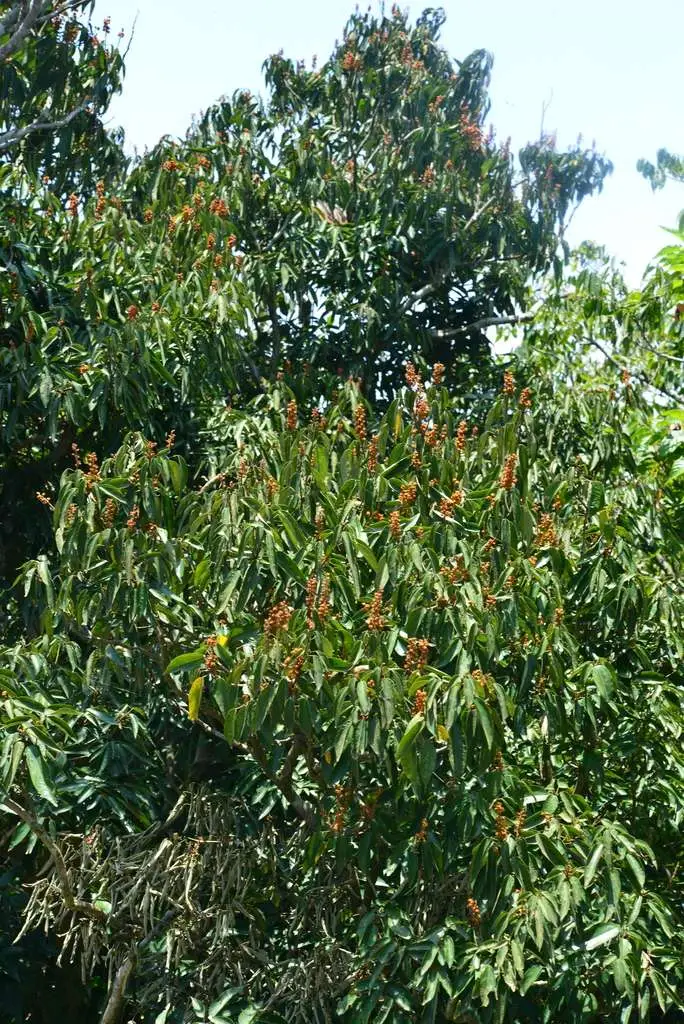
Mallotus philippensis, commonly called the Kamala tree or red kamala, is an intriguing Ayurvedic herb known for its vibrant reddish-orange powder from seed coverings. Native to South and Southeast Asia, this plant stands out for its bright pigment and diverse medicinal uses. The tree has been used in traditional dyeing practices for over 2,000 years. Its red pigment even had ceremonial uses, like dyeing sarees in Marathi weddings. This is no mere ornamental—it’s a living bridge to textile traditions across India, Southeast Asia, and beyond.
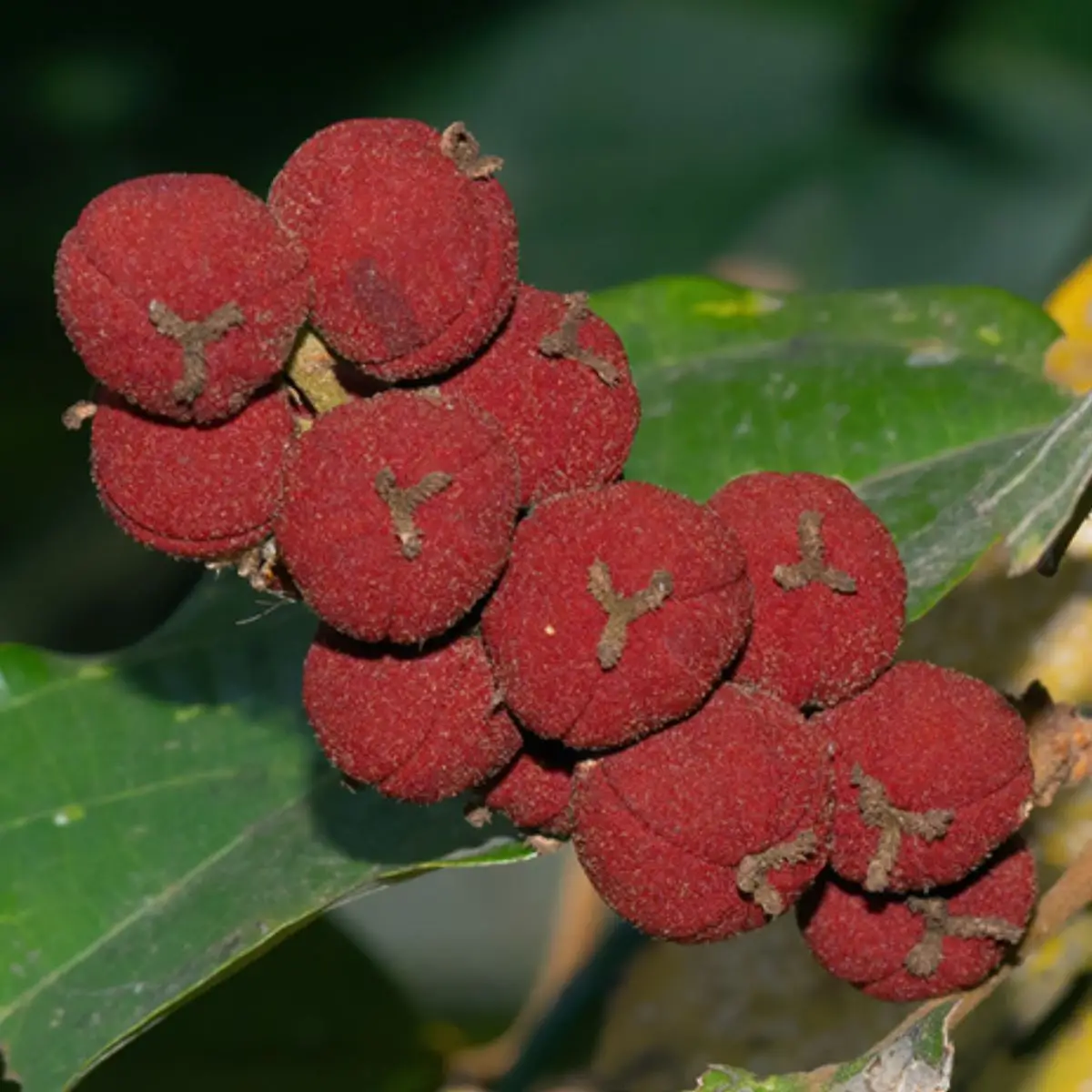
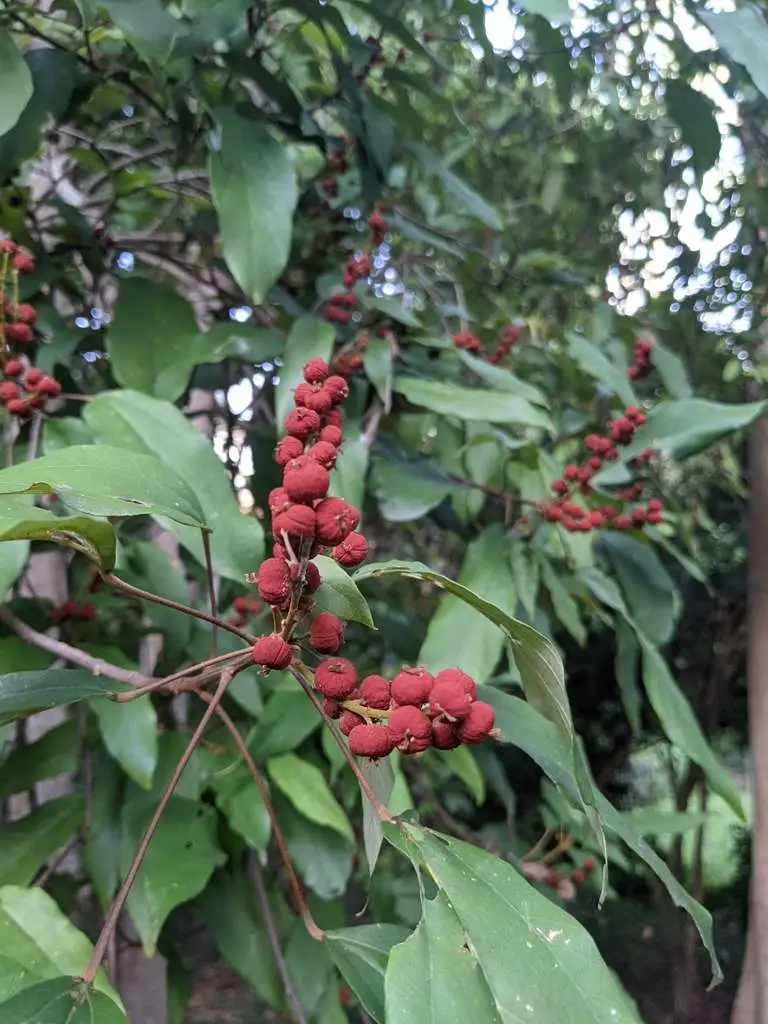
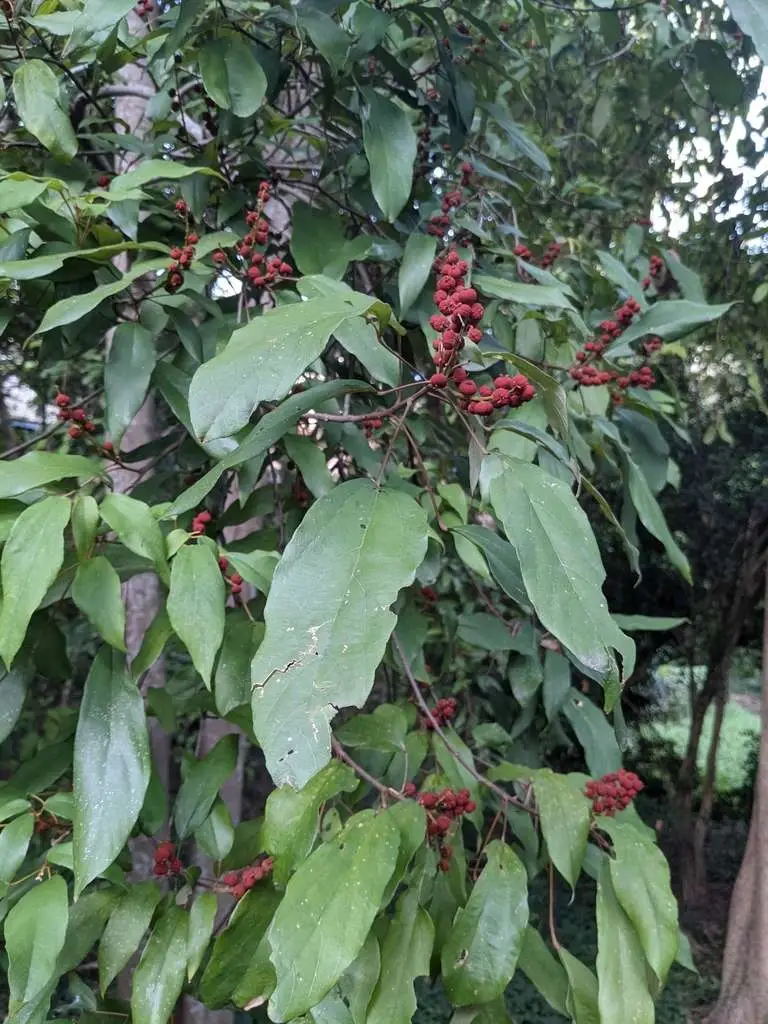
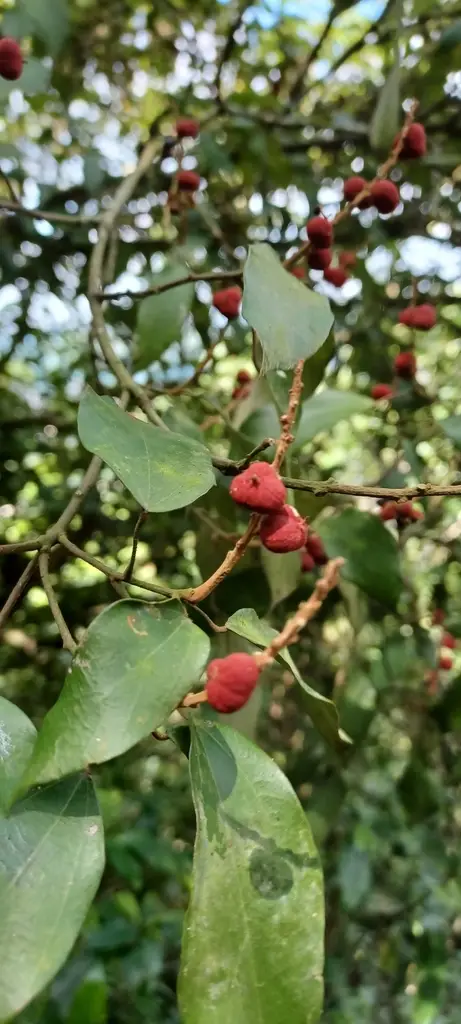
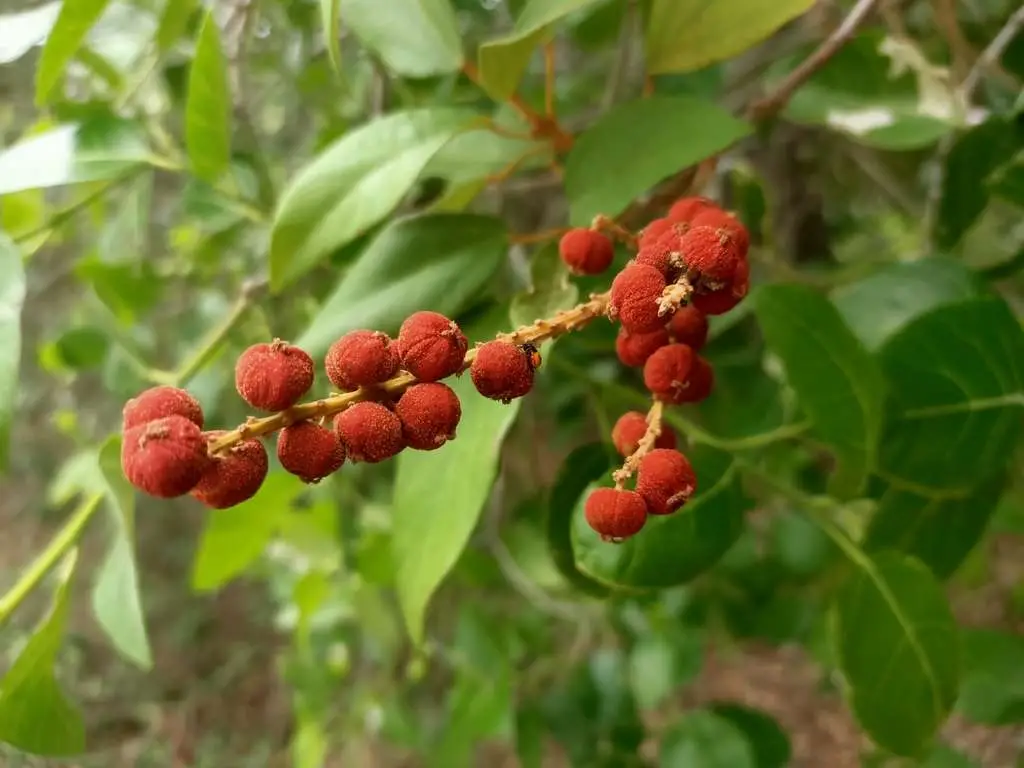
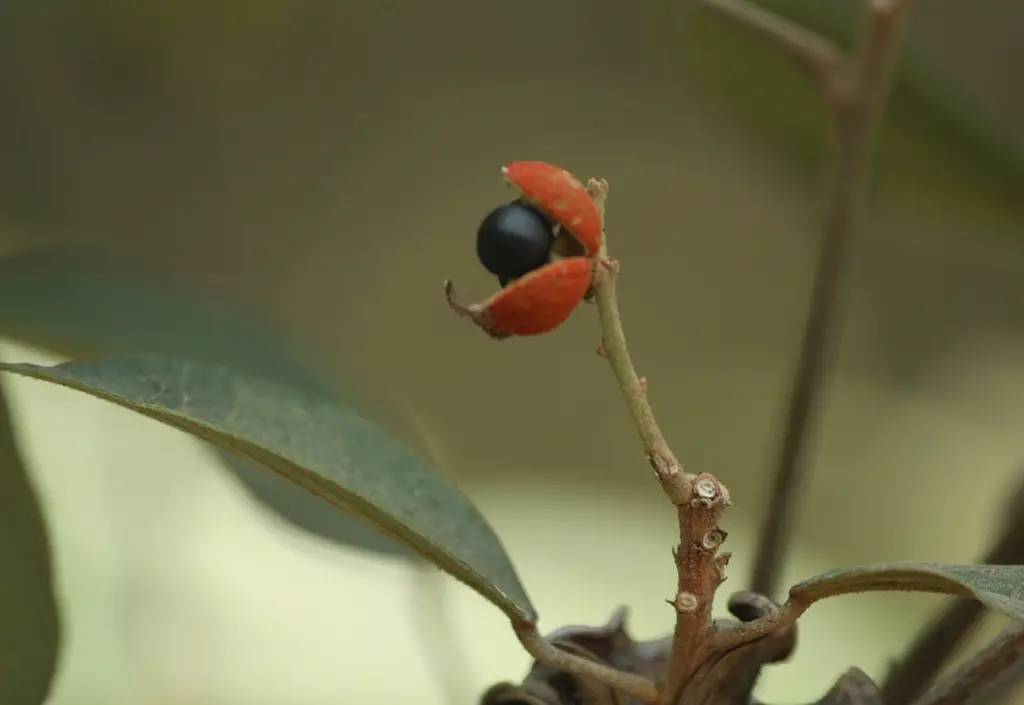
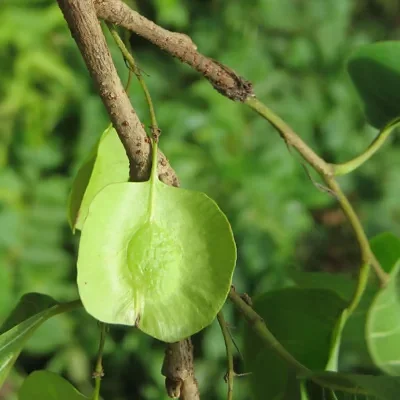
BUT HERE’S WHERE THE REAL MAGIC LIVES: the dye itself. The fruits of the kamala tree are protected by brightly colored red husks that contain a pigment called rottlerin. Rottlerin gives clear flame oranges and tangerine oranges on natural fibers, especially wool and silk. Kamala is a potent dye and gives strong colors with just 25% weight-of-fabric. Imagine harvesting your own tree and watching those vibrant pods mature into a harvest of pure, biodegradable color. The dye extracted from the tree is not only vibrant but also biodegradable, making it an eco-friendly choice. No synthetic toxins, no industrial waste—just nature’s own pigment factory, one you grew yourself. The fruits emerge as stunning round forms covered with red hair-like structures that can be collected and used fresh, dried, or processed into that legendary reddish-brown powder textile artists prize. Kamala was formerly used in India for dyeing silk and wool to a bright orange colour and it is still used for this purpose. Weavers, fiber artists, natural dye enthusiasts—this tree is their dream.
Bonus: It is rich in medicinal properties such as antioxidant, anti-allergic, anthelmintic, antimicrobial, antifungal, anti-inflammatory, and digestant. Kamala plant is useful to treat skin problems, wounds, and intestinal worms. It helps to reduce itching, coughing, pain, edema, diabetes, and asthma. Bark decoctions have been used for centuries in Ayurvedic medicine, and modern research continues to validate these traditional uses. You’re not just growing a dye source—you’re cultivating a living apothecary.
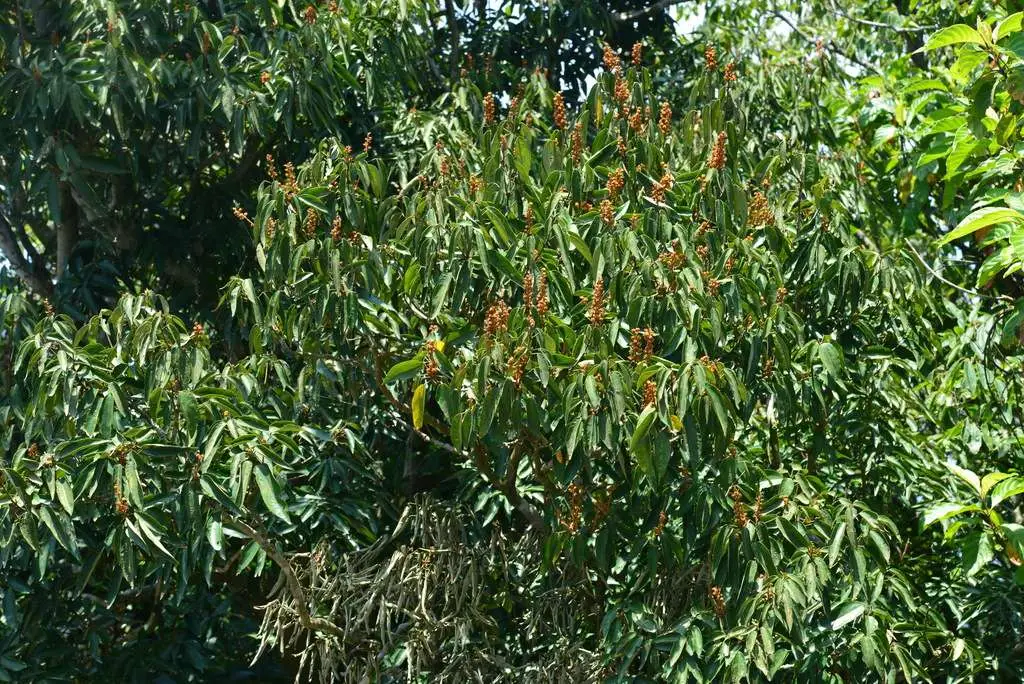
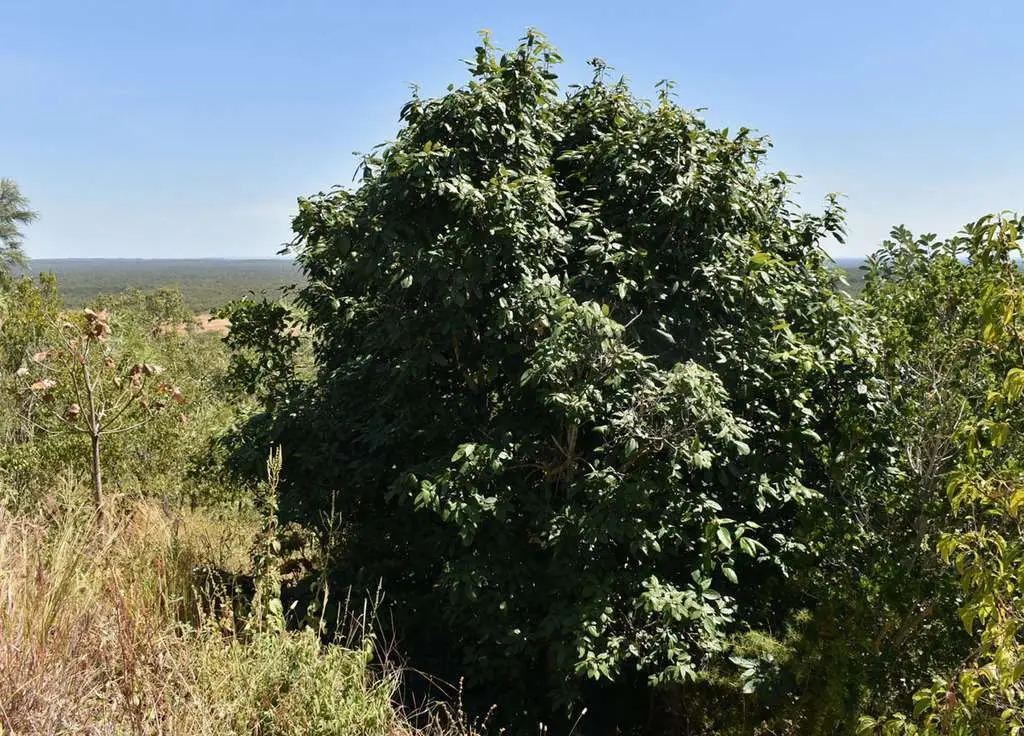
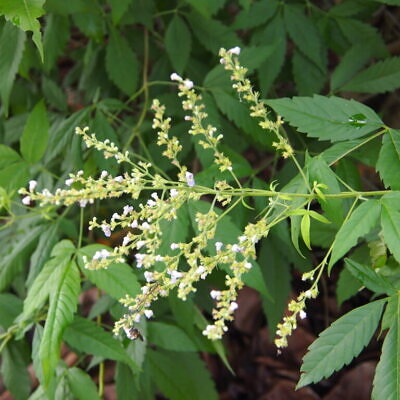
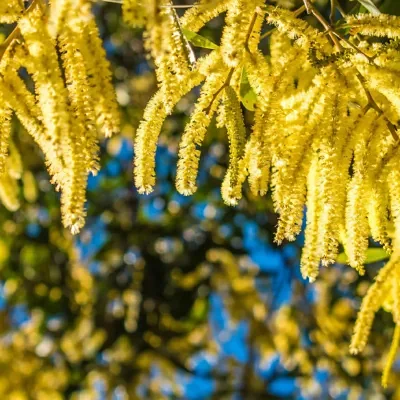
Cultivation is refreshingly straightforward. The tree can grow up to 15 meters tall and thrives in a variety of soil types, making it a versatile addition to any garden or landscape. It is a moderately growing tree, so patience is rewarded without excessive waiting. The flowers are pale yellow and are found in the month of August-September. Fruits are seen in the month of March-May. Once established, it’s resilient and productive. Tropical and warm subtropical climates are ideal; give it well-drained soil and moderate water. The tree wants to flourish—it will reward you with abundant, glandular-covered fruit that bursts with that legendary red pigment.
Grow this seed, and in a few seasons you’ll hold in your hands what textile artists have treasured for millennia. You’ll watch it flower in pale yellow grace, then crown itself with those jeweled red fruits—each one a tiny factory of natural dye. Your first harvest will transform into colors that sing on silk and wool, colors that are alive, alive with the vitality of something grown, gathered, and created by your own hands. This is more than gardening. This is cultural continuity. This is color revolution. Grow it.
Germination Guide
🌍 Tropical and subtropical Asia from western Himalayas through India, Sri Lanka to southern China and throughout Malesia to Australia
Moderate
Mallotus philippensis is an evergreen tree in the Euphorbiaceae family, known for its bright orange-red fruit covering used as dye. Fresh seeds are advised for optimal germination. Despite variable success rates, germination can be enhanced significantly through soaking and gibberellic acid treatment.
Germination
Germination time
Expect germination in
21 – 120 days
Temperature
Min 20°C
Ideal 22°C
Max 25°C
Substrate moisture
💧💧 High
Sowing depth
Lightly covered
Seed Pre-treatment
-
💧
Soaking — 12 hours
Soak seeds in water for 12 hours; some sources recommend fresh seeds for best results
-
📋
Additional notes
Soaking in water for 12 hours followed by GA3 (gibberellic acid) treatment at 50 ppm for 60 minutes significantly improved germination rates to 75%
Substrate & Container
Recommended substrate
Well-drained sandy compost; sand medium recorded maximum germination at 75%; soil+sand mixtures also effective
Recommended container
Perforated trays or standard seed trays with drainage
Growing Tips
Sow seeds at the beginning of the rainy season. Keep substrate moist. Germination rate is often poor without treatment due to drought and insect attack; sow close (5cm apart) and thin later. Seeds are subglobose and black (4mm across). Dried seeds can be stored in gunny bags or tins in dry place for up to 6 months without losing viability.
Only logged in customers who have purchased this product may leave a review.


Reviews
There are no reviews yet.