
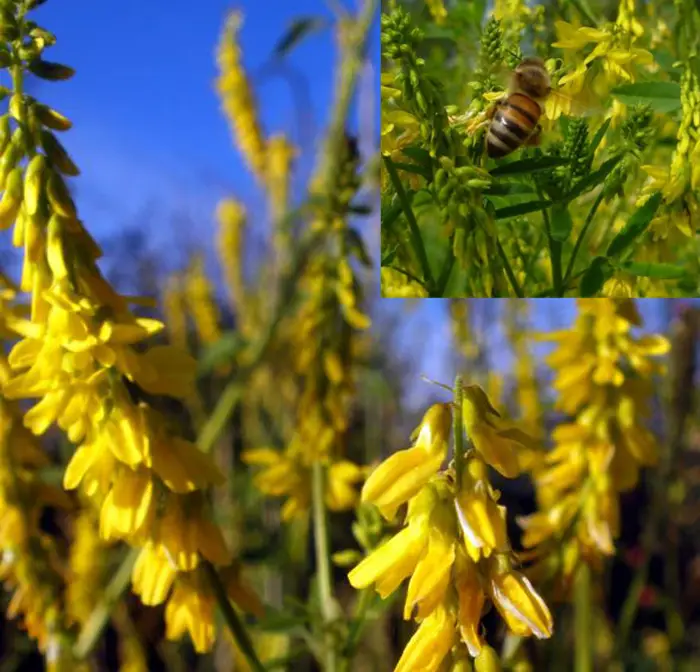
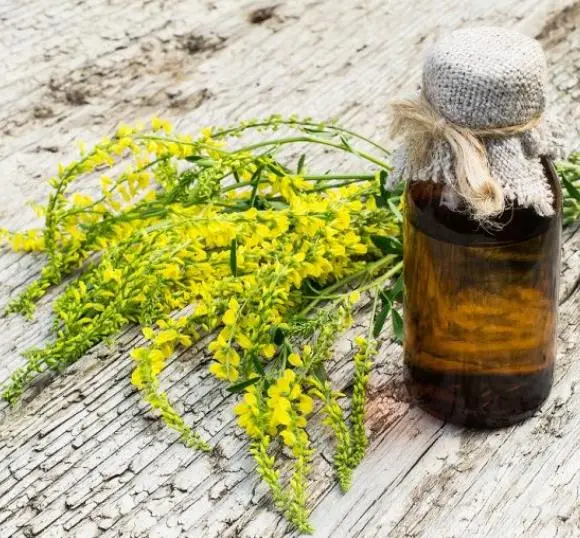
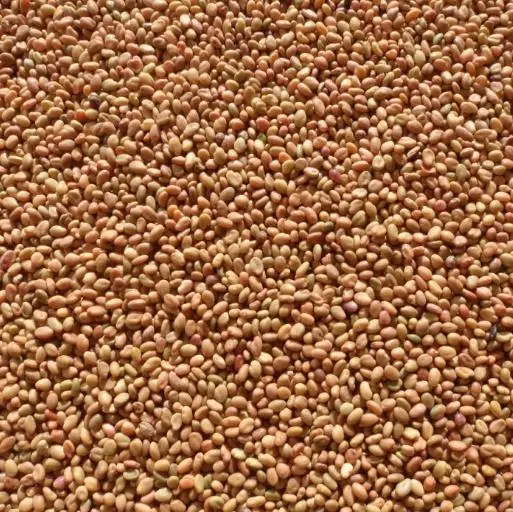
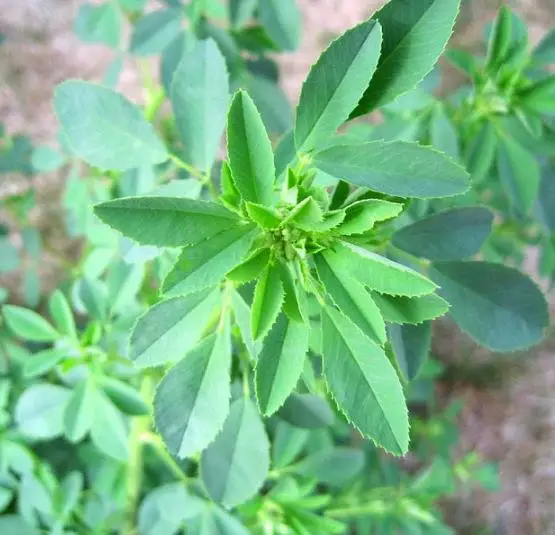
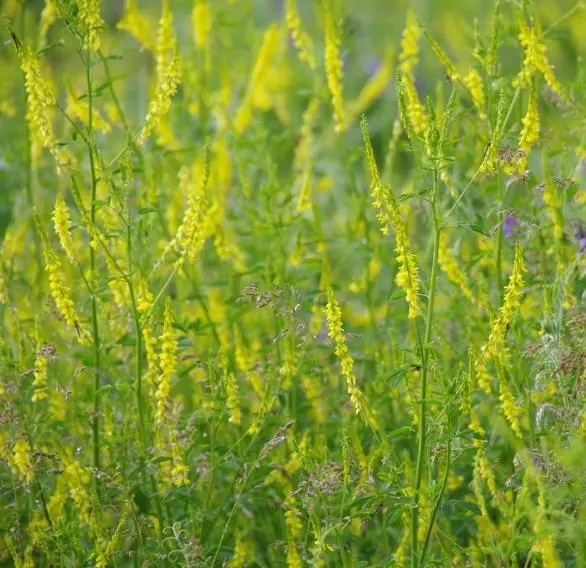
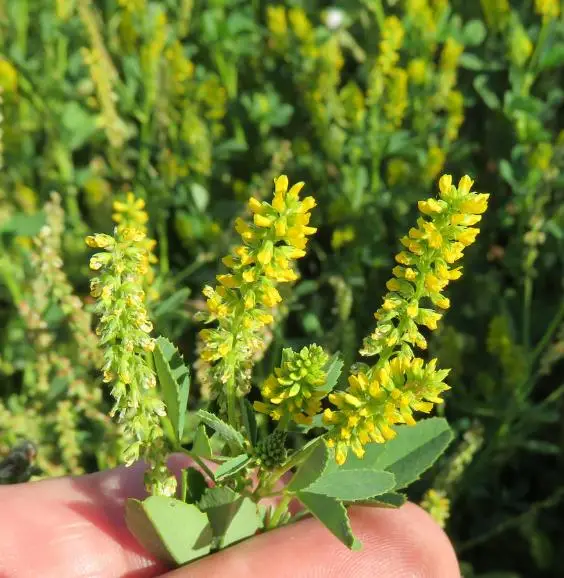
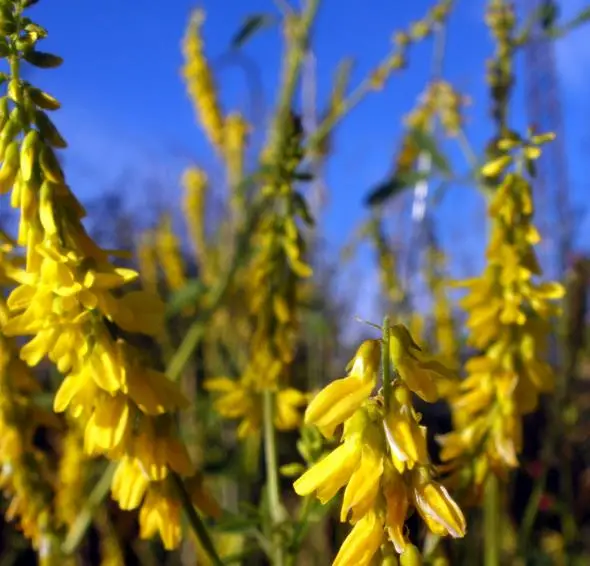
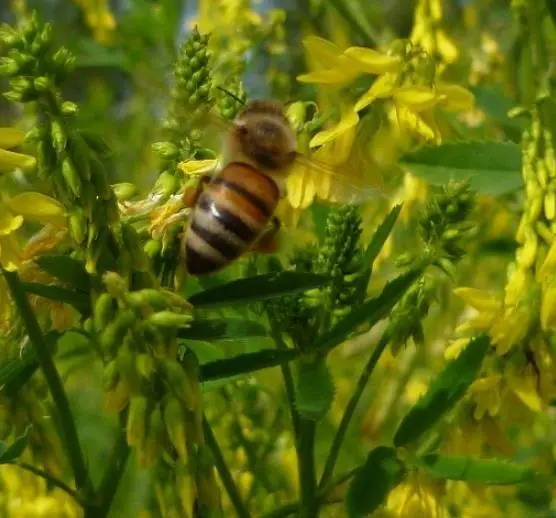
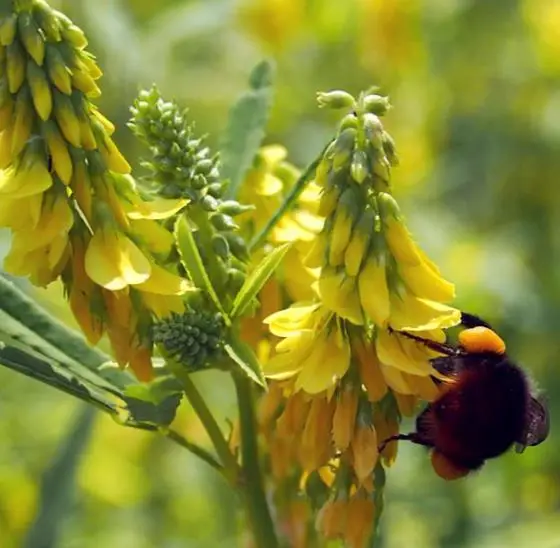
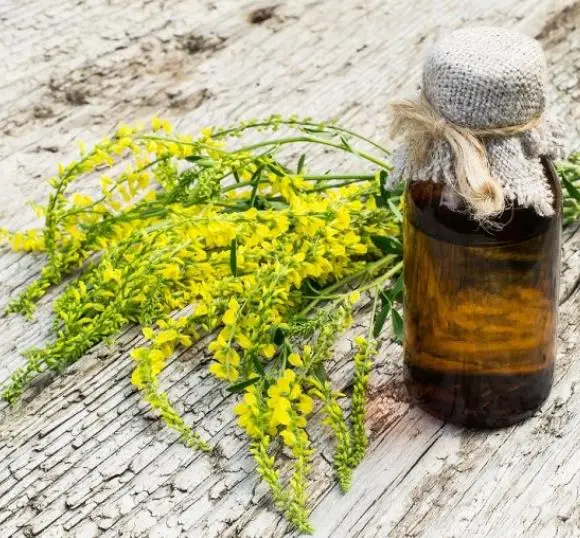

Grow the queen of honey plants. Yellow sweet clover produces exceptional nectar—bees yield up to 200 pounds of honey annually from a thriving patch. The flowers are fragrant, charming, and easy to grow from seed in almost any soil. Plus: centuries-old herbal medicine for circulatory wellness. Full sun. Drought-tolerant. Sow spring or late summer.
€1.92
Hives near sweetclover can yield up to 200 pounds of honey in a year—that’s your opening line. Melilotus officinalis, yellow sweet clover, is the stuff of beekeeping dreams and the reason apiaries flourish.
A biennial aromatic herb, native to Europe and Asia, and has been considered a medicinal plant since ancient times. Its name comes from the Greek meli (honey) and lotus (clover flower), and is an important honey crop in Europe. The plant has a characteristic sweet odor. You’re not just planting seeds; you’re planting a legacy of golden nectar.
Here’s why beekeepers worship this plant: It produces good quality honey with vanilla-like undertones, when grown on sufficiently large scale. Its flowers provide nectar and pollen for honeybees and native pollinators, supporting biodiversity and ecosystem health. The flowering period is generous—it flowers in July, August, September and October—giving your hives an extended buffet. Even small patches make a measurable difference. The coumarin compounds in the flowers contribute to a honey with distinctive character and natural depth.
Beyond the hive, yellow sweet clover carries centuries of herbal medicine wisdom. It strengthens blood vessels due to melilotoside, aiding circulation, hemorrhoids, varicose veins, numb legs, and fluid retention. Benjamin Franklin’s wife Deborah made tinctures of it to soothe his varicose veins and ankle swellings. The dried flowering stems and leaves can be infused, making this a plant that works for both your bees and your medicine cabinet.
Growing it? Almost deceptively simple. Rapid growth and easy establishment make it a popular choice for reclamation seedings. Sweet clover grows and produces well under dry conditions and exceeds alfalfa in its ability to withstand drought and high temperatures. It will grow on soils where alfalfa will fail, tolerates very low fertility conditions, and grows on a wide range of soil conditions from claypan to sandy soils. It is a biennial plant that thrives in full sun and performs well in almost all soil types except acidic soil with pH less than 5.5, and is very tolerant to frost and cold temperatures, making it a great choice for USDA Zones 3-10. Sow seeds directly in spring or late summer; they’ll establish quickly and reward you with abundant bloom in their second season. Seeds can be viable for up to 30 years—your investment pays dividends for generations.
Imagine your apiary humming with purpose, your hives overflowing with silken honey that tastes of wildflower meadows and distant vanilla whispers. Imagine tending plants so generous that they feed your bees, heal your body, and ask so little in return. That’s the gift of yellow sweet clover. Grow it from seed, and watch your bees—and your heart—thank you.
Only logged in customers who have purchased this product may leave a review.
Reviews
There are no reviews yet.