
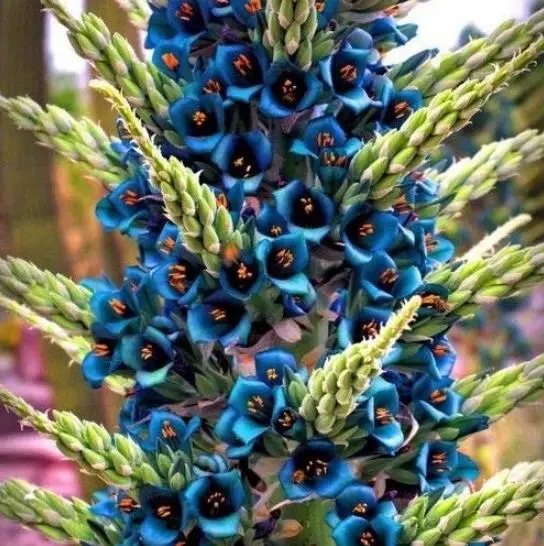
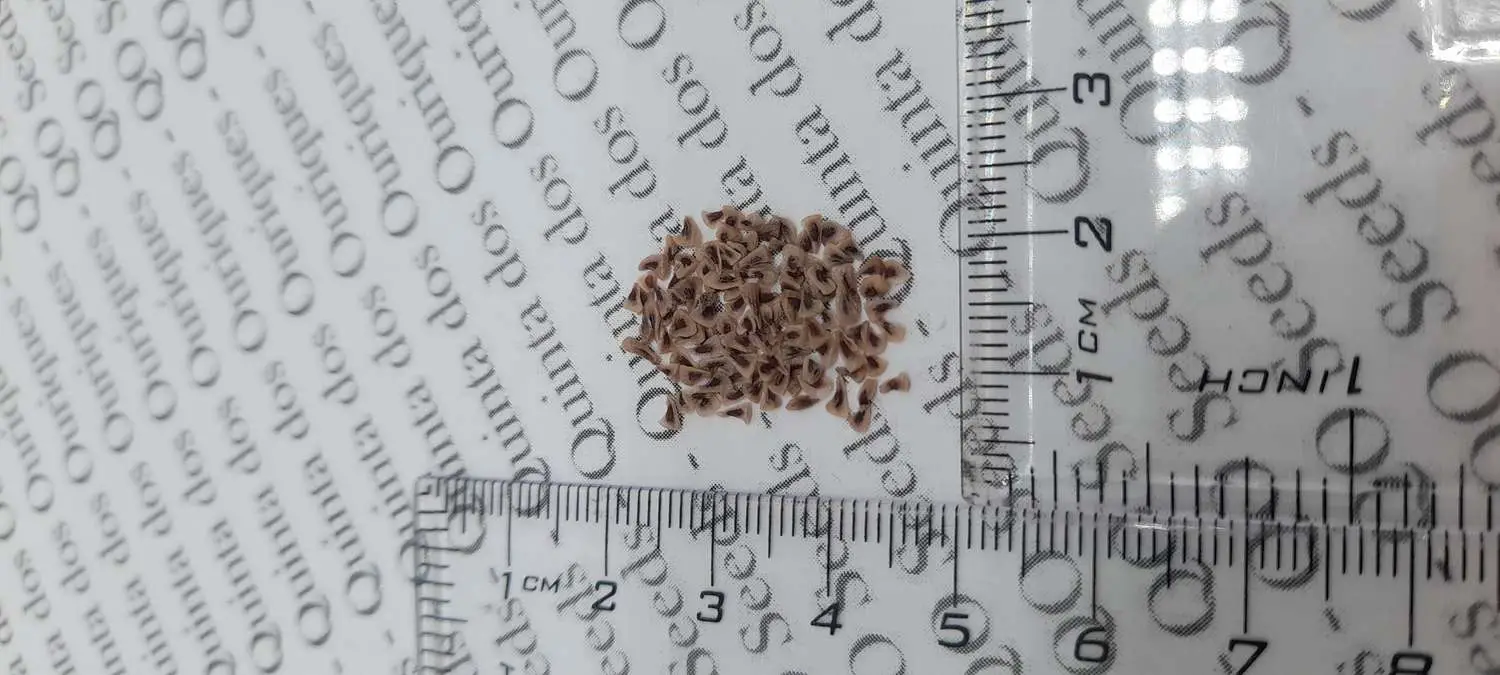
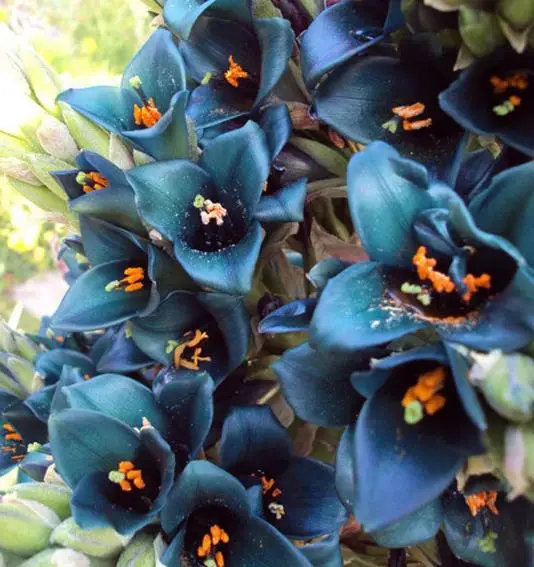
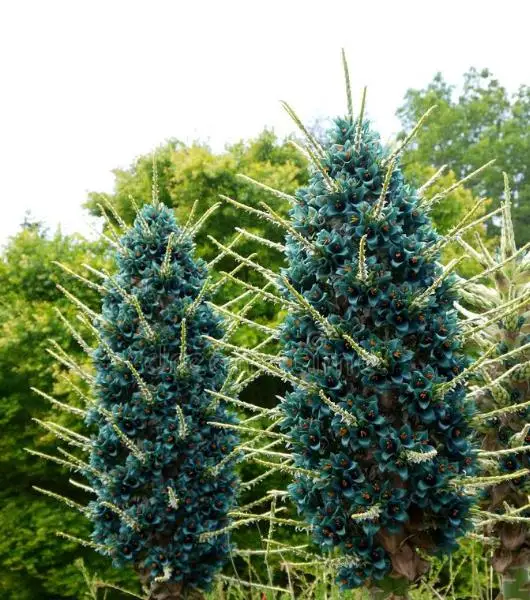
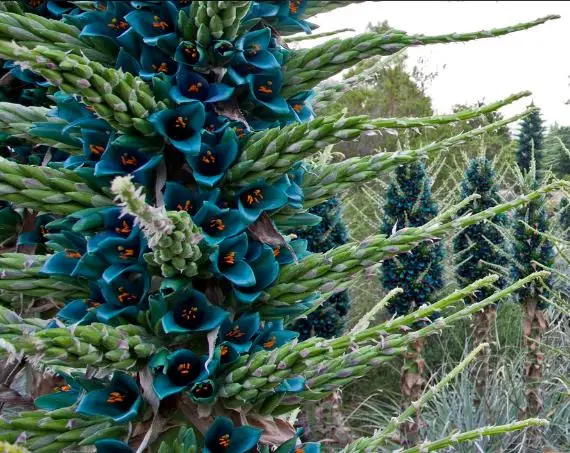
Imagine standing in your garden as hummingbirds and bees descend upon towering spikes of otherworldly turquoise blooms rimmed with blazing orange stamens. Puya alpestris produces extraordinary nectar-rich flowers that attract pollinators in droves—a living magnet for wildlife. Incredibly drought-tolerant and cold-hardy, it thrives in poor soils with minimal water. Grow it from seed and nurture one of the rarest blue flowers on Earth.
€2.33
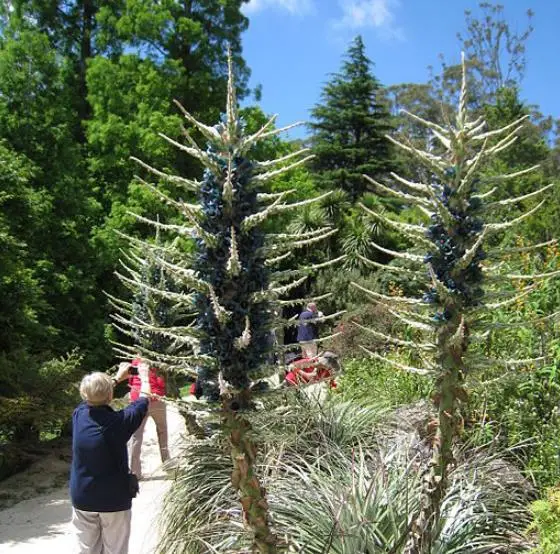
Picture this: a 6-foot flower spike erupting from a dramatic rosette of silver-green, spiny leaves—and suddenly your garden becomes a refuge for hummingbirds, bees, and songbirds desperate for nectar. That’s the Sapphire Tower, Puya alpestris, a bromeliad so visually stunning it has stopped strangers in their tracks and sparked conversations on neighborhood streets.
Native to the high, bone-dry slopes of the Chilean Andes, this alpine marvel has evolved as one of the most spectacularly rare plants in cultivation. The genus name Puya comes from a Mapuche word meaning “sharp”—a nod to its formidable spined foliage—while alpestris refers to the lower mountains where it naturally colonizes rocky, disturbed terrain. What makes Puya alpestris legendary among plant collectors is its extraordinary color: metallic turquoise flowers with vivid orange stamens, a hue so uncommon in the plant kingdom that it joins an elite group of turquoise-flowering species worldwide. The “Sapphire Tower” nickname captures the essence perfectly—it feels less like a plant and more like a jeweled monument rising from the earth.
But here’s what truly sets this species apart: it’s a wildlife sanctuary in flower form. Puya alpestris produces enormous quantities of nectar that magnetizes hummingbirds, bees, songbirds, and even moths. In its native habitat, the plant serves as a critical food source during the dry season when flowers are scarce, literally sustaining bird populations in high-altitude ecosystems. The inflorescence has evolved specialized sterile branch tips that act as perfect perches for visiting birds—nature’s designed feeding station. Every flower that opens becomes a beacon, and the sheer abundance of blooms creates a pollinator spectacle that unfolds over a month or more. Gardeners report that when their Sapphire Tower finally flowers, it draws crowds: hummingbirds arrive daily, bees swarm in waves, and the garden suddenly feels alive with purpose. If you’re passionate about supporting pollinators, attracting wildlife, and creating a living ecosystem, Puya alpestris is non-negotiable.
Growing this alpine beauty is easier than you’d expect. It demands full sun and well-draining soil—rocky, poor substrates suit it perfectly—and thrives on near-zero supplemental water once established. It’s one of the hardiest bromeliads on offer, tolerating frost and even brief snow, making it viable in temperate zones where most tropical bromeliads would perish. Plant it in a pot with gritty cactus mix or directly in a sunny, sheltered garden bed. Water sparingly; this plant is a xerophyte adapted to mountain dews and rare rains. The only patience required is the wait: from seed to first flowers takes 6–8 years. But that timeline becomes part of the magic—you’re nurturing something extraordinary, watching it grow from a tiny seedling into a architectural sculpture that will reward your care with one of nature’s most hypnotic displays.
Grow Puya alpestris from seed and join the global community of bromeliad devotees who have fallen under the spell of the Sapphire Tower. Watch it transform your garden into a sanctuary for hummingbirds and native pollinators. Witness the moment those impossible turquoise spikes emerge, and understand why this Chilean alpine has captivated botanists and gardeners for generations. Start your journey today—your future garden, and every bird that visits it, will thank you.
Only logged in customers who have purchased this product may leave a review.
Reviews
There are no reviews yet.