Description
Gymnema sylvestre is a perennial woody vine native to Asia (including the Arabian Peninsula), Africa and Australia. It has been used in Ayurvedic medicine. Common names include gymnema, Australian cowplant, and Periploca of the woods, and the Hindi term gurmar, which means “sugar destroyer”.
The leaves and extracts contain gymnemic acids, the major bioactive constituents that interact with taste receptors on the tongue to temporarily suppress the taste of sweetness.
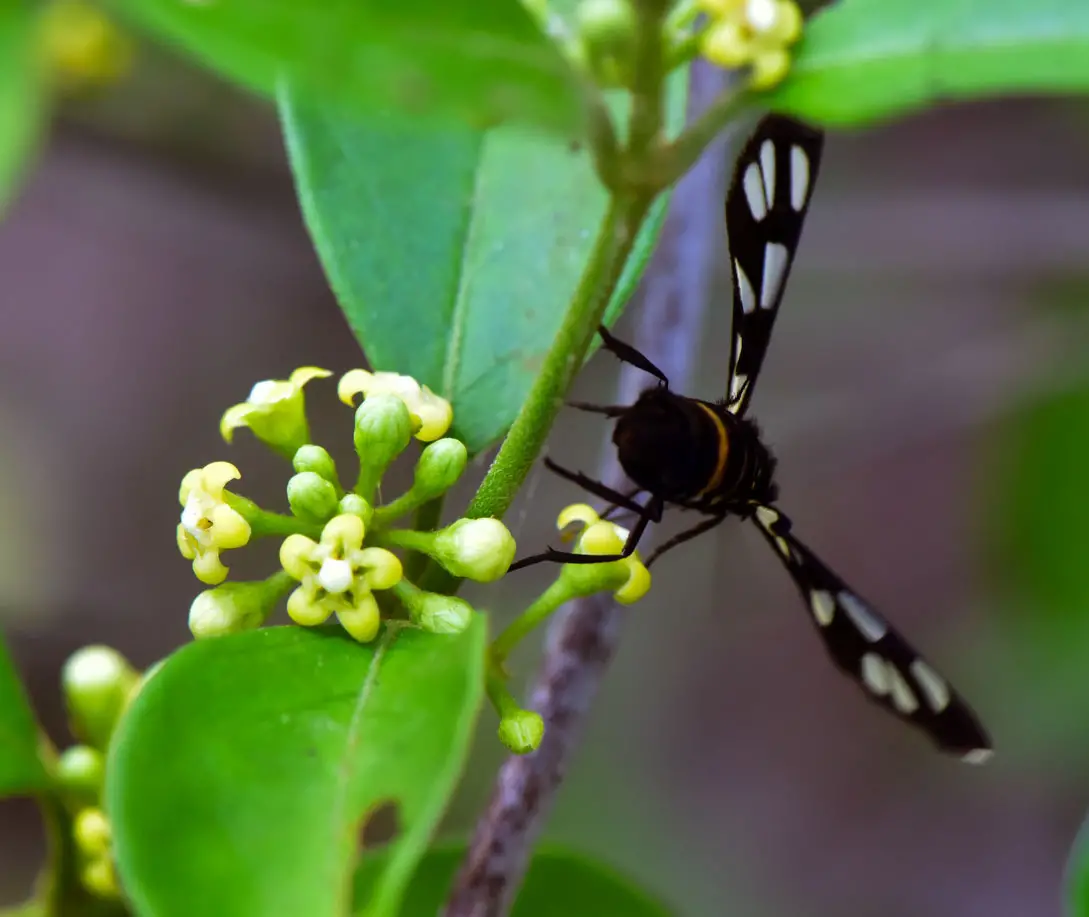
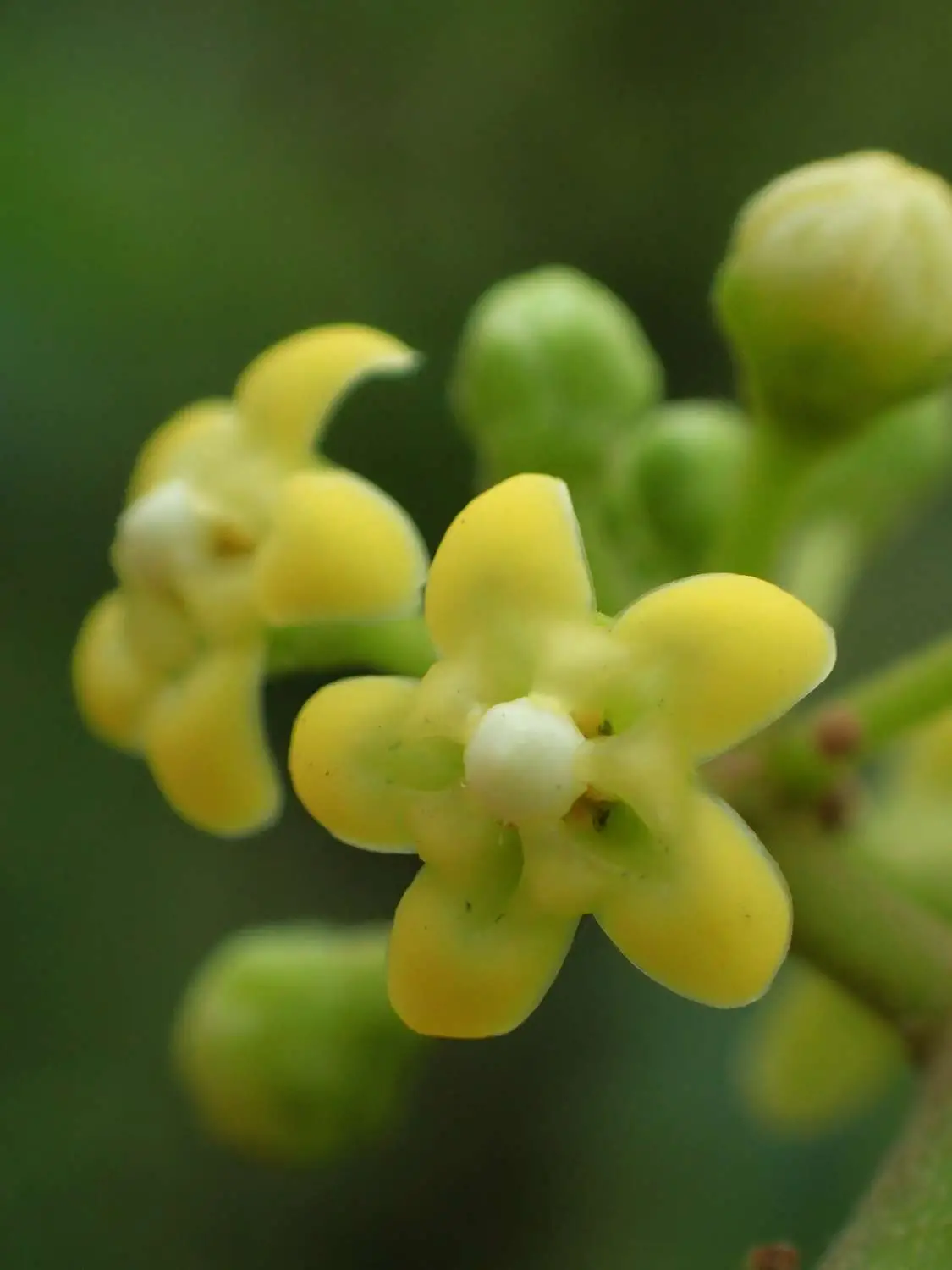
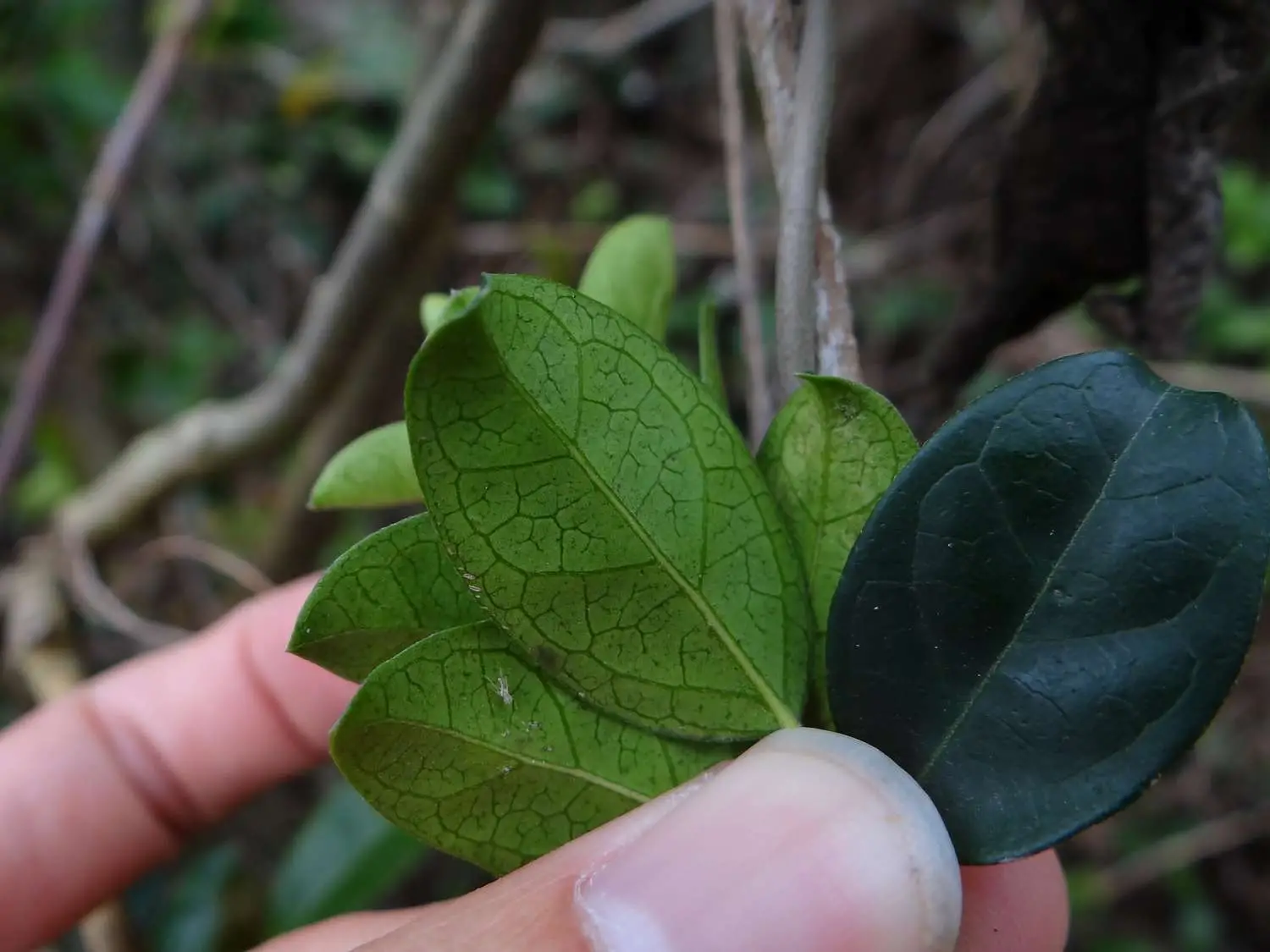
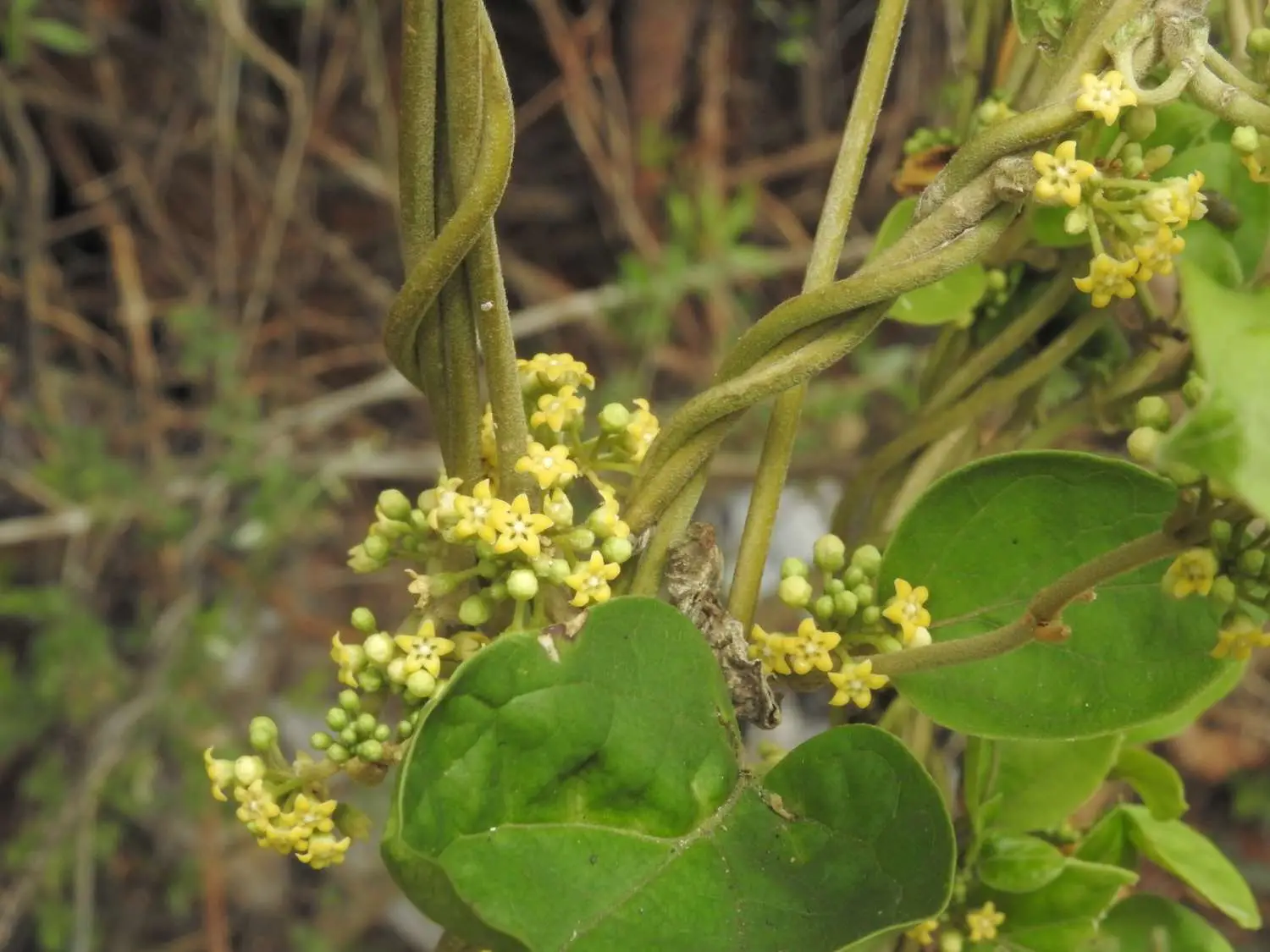
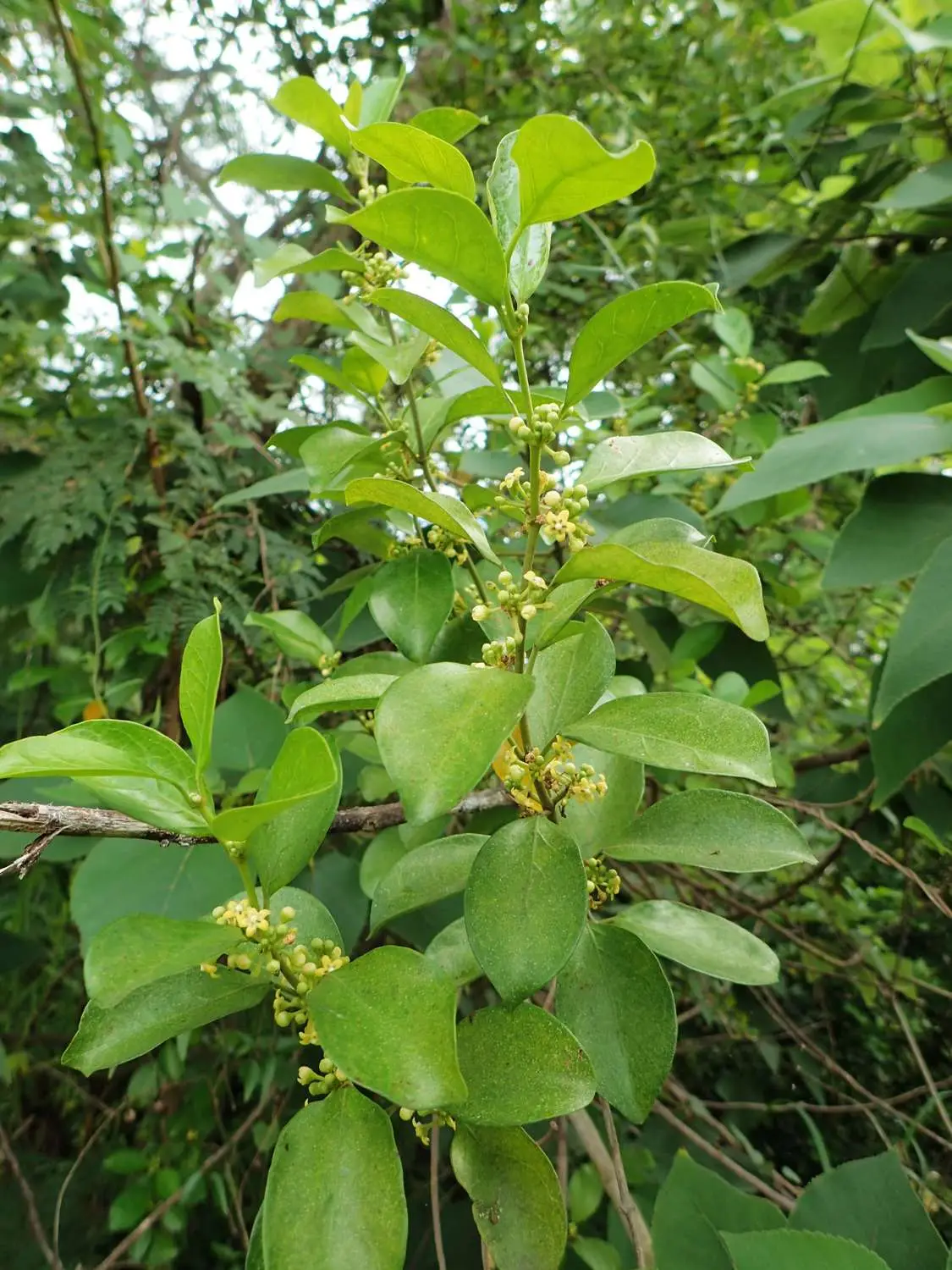
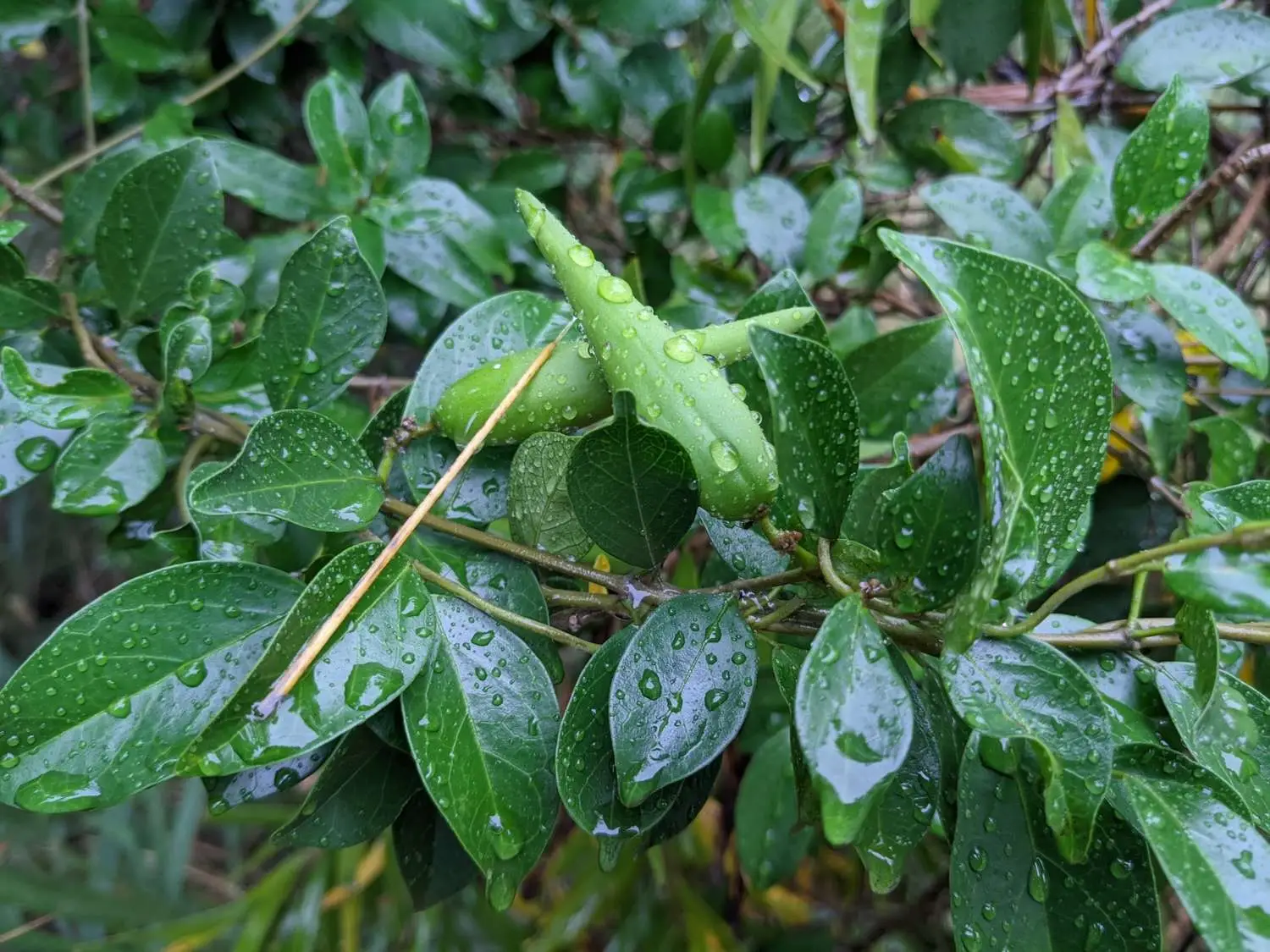
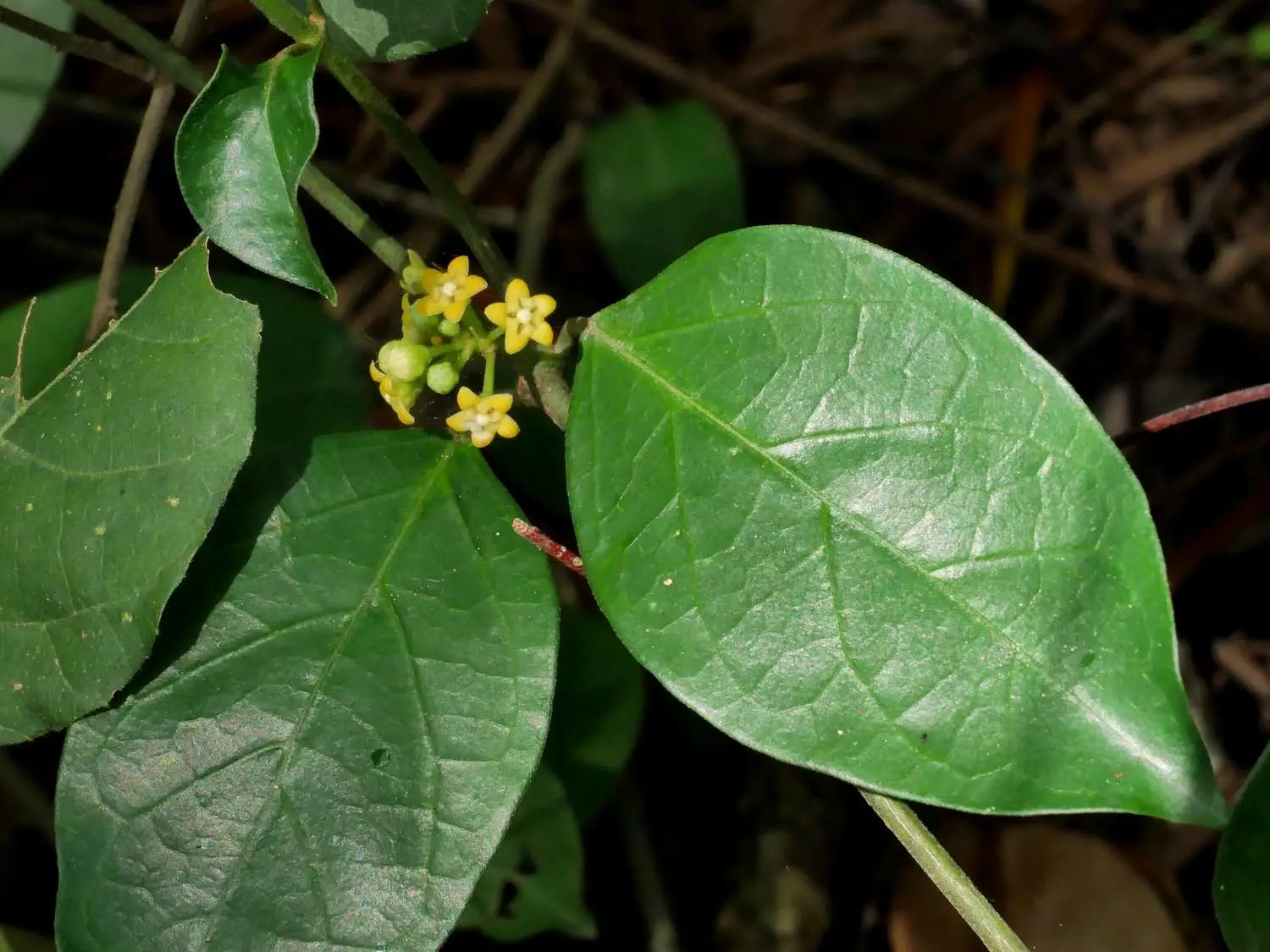
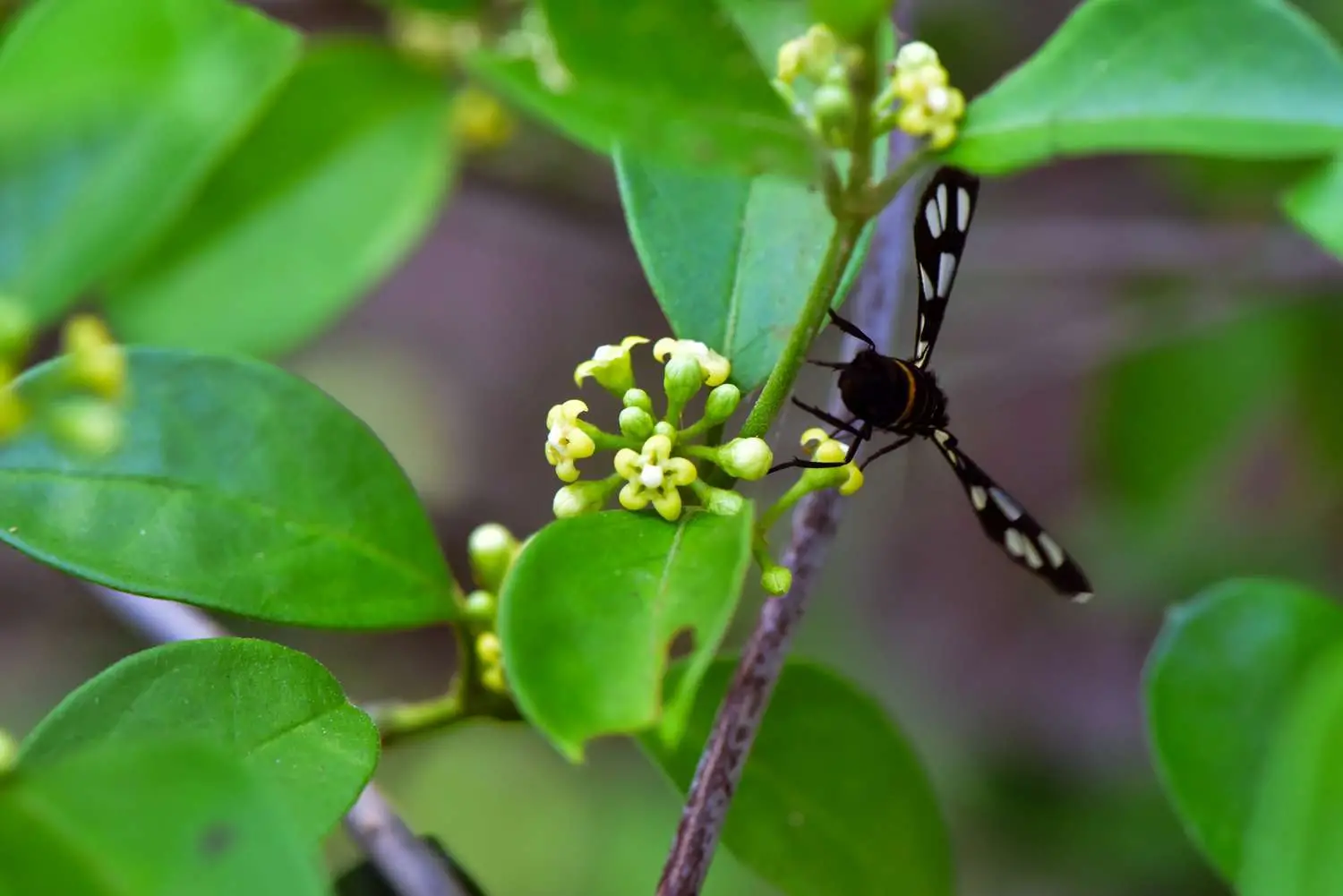
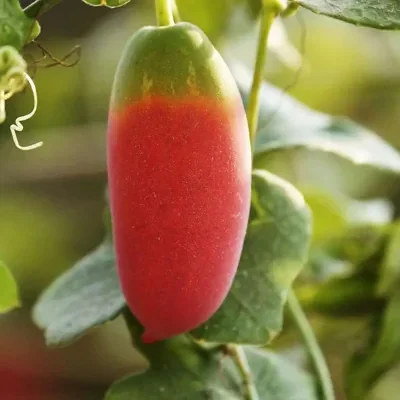
The plant is a climber with leaves having soft hairs on the upper surface. The leaves are elongated-oval in shape. It has a small, yellow, umbelliferous inflorescence that is produced throughout the year.
Gymnema sylvestre has a long history of use in herbal medicine and a broad range of therapeutic properties.
Its leaves contain triterpenoid saponins, flavonols, and gurmarin. The major biologically active plant molecules are gymnemic acids, a class of triterpenoid saponins, which have the effect of suppressing the taste of sweetness on the tongue from sucrose (sugar), stevia, xylitol, and artificial sweeteners such as aspartame.
The sweet-blocking effect of G. sylvestre lasts from 15 to 50 minutes and may even persist for several hours. Gymnemic acids apparently have no long-term effects on taste and they do not influence bitter, salty, or sour taste perception.
Gymnemic acid compounds in Gymnema sylvestre can also attach to receptors on the intestinal walls, helping to reduce absorption of sugar molecules in the gut. This process can lower blood sugar and promote insulin secretion and release. However, its antidiabetic properties were not confirmed in rats.
Germination Guide
🌍 Tropical regions of India, Africa, Australia, and Southeast Asia
Moderate
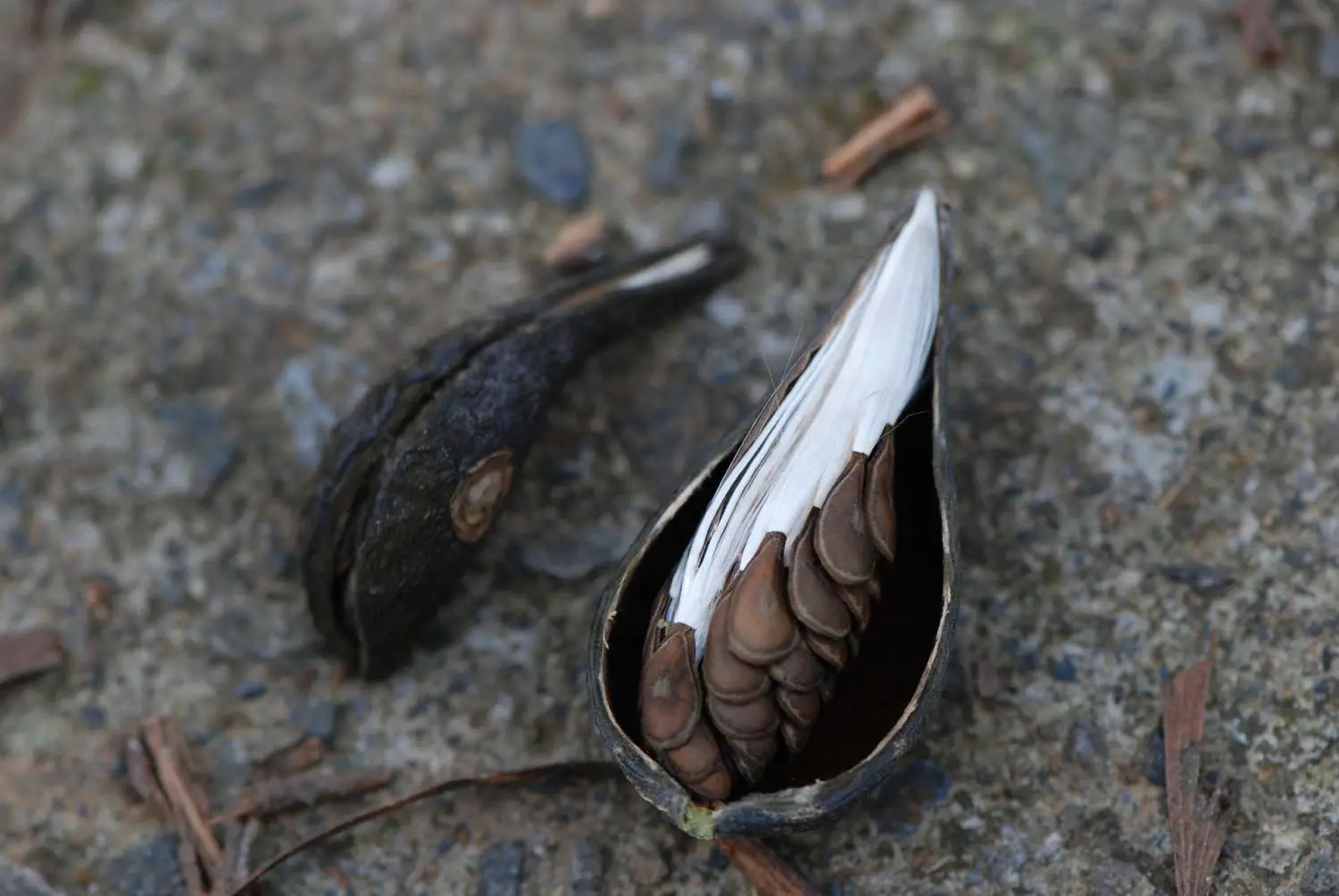
Gymnema sylvestre, commonly called Gurmar or Australian cowplant, is a woody climbing vine native to tropical forests of India, Africa, and Australia. This medicinal plant requires warm, humid conditions and light for optimal seed germination, typically completing the process within 2-4 weeks. The species contains gymnemic acids used in traditional Ayurvedic medicine for blood sugar regulation and sugar cravings suppression.
Germination
Germination time
Expect germination in
14 – 30 days
Temperature
Min 25°C
Ideal 27°C
Max 30°C
Substrate moisture
💧 Medium
Sowing depth
Lightly covered
Seed Pre-treatment
-
💧
Soaking — 24 hours
Soak scarified seeds in warm water for 24 to 48 hours to further soften the seed coat and promote imbibition
-
🔨
Mechanical scarification
Light mechanical scarification by gently nicking or filing the seed coat improves water absorption without damaging the embryo
-
📋
Additional notes
Mechanical scarification followed by warm water soaking significantly improves germination rates. Research shows water leaching for 12 hours followed by soaking in 0.2% KNO3 for 6 hours achieves 75% germination
Substrate & Container
Recommended substrate
Coir dust or coconut coir blended with perlite; high water-holding capacity media recommended
Recommended container
Individual seed trays or containers; transplant to larger pots once seedlings develop 2-3 true leaves
Growing Tips
Use coir dust or coir-perlite blend as substrate for superior water retention. Seeds have short viability and should be sown as soon as possible after harvest. Maintain consistent moisture without waterlogging. Provide indirect light or partial shade during germination. Use plastic bag humidity dome over containers. Mist daily if substrate begins to dry. Transplant seedlings once they develop 2-3 true leaves. Gradually acclimate seedlings to stronger light over 1-2 weeks. Keep temperature consistently between 25-30°C for fastest germination. Cold storage at -20°C can improve viability for future use.
Only logged in customers who have purchased this product may leave a review.

Reviews
There are no reviews yet.