
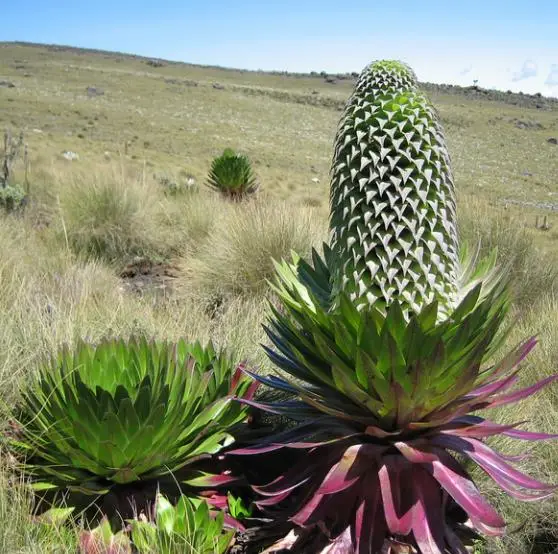
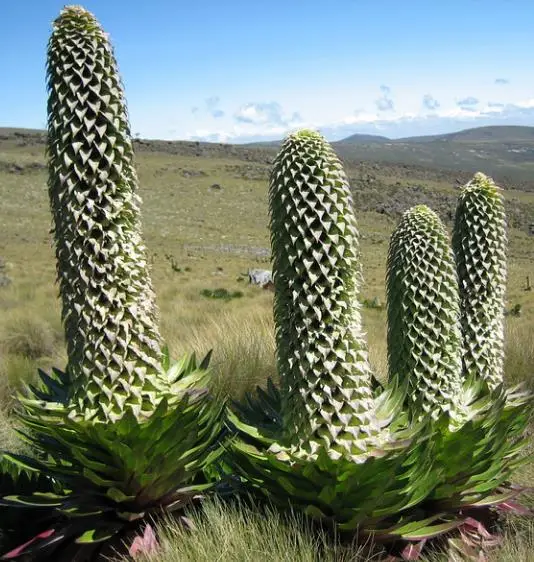
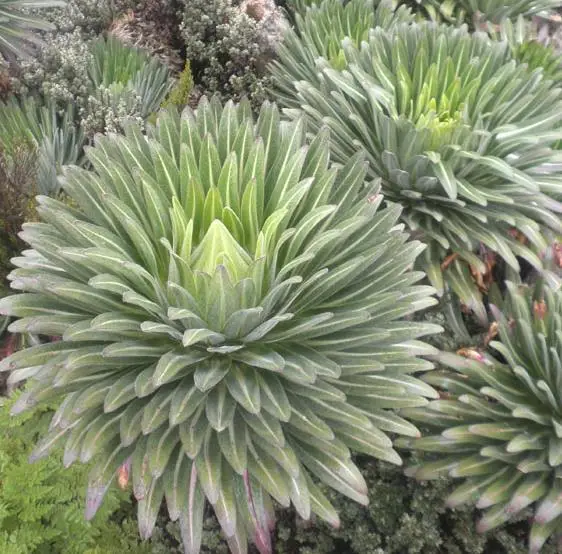
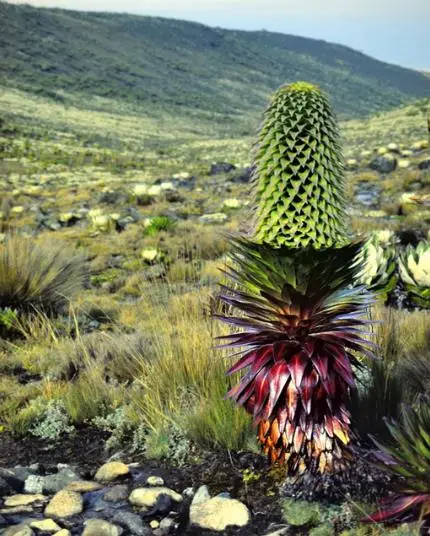
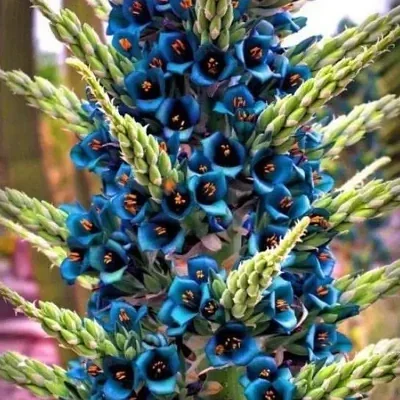
Imagine a plant sophisticated enough to craft its own ice cubes for survival. The Gin & Tonic Lobelia—a rare East African alpine sculptured from myth and extreme conditions—rewards patient collectors with towering columns of electric-blue flowers and architectural rosettes that thrive in cool, moist climates. Each plant takes years to flower once, then produces thousands of seeds. Rare, moody, unforgettable. Grow from seed now.
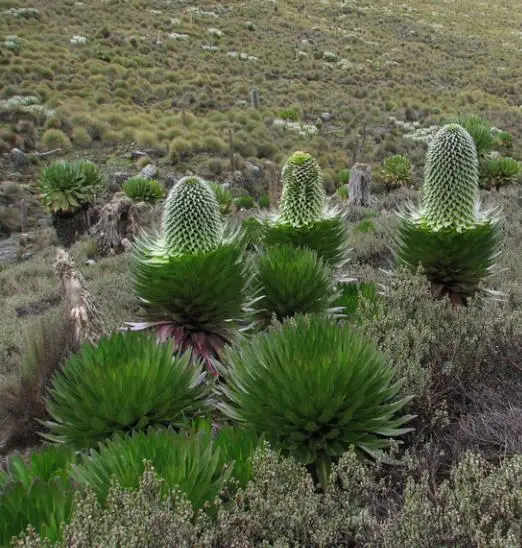
This spectacular species is a Giant Lobelia found only in the high mountains of East Africa, between 3800 and 4300 m (12500 to 14100 ft)—and when you grow it from seed, you’re bringing home a piece of that untamed altitude.
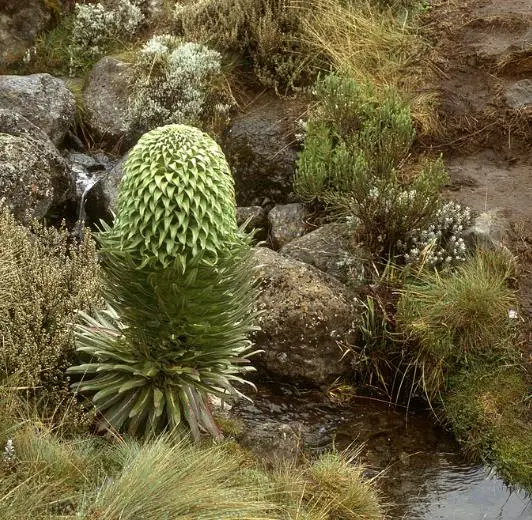
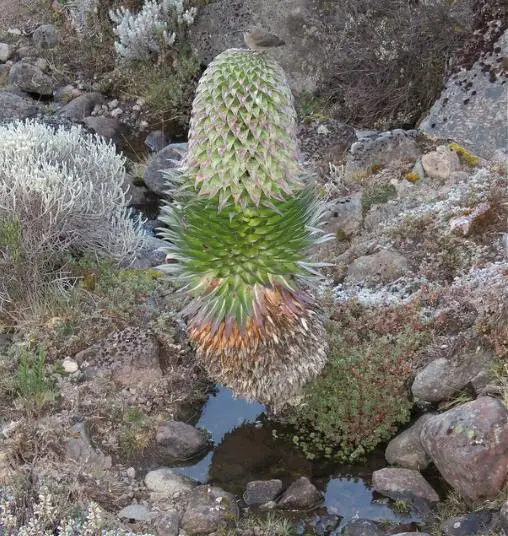
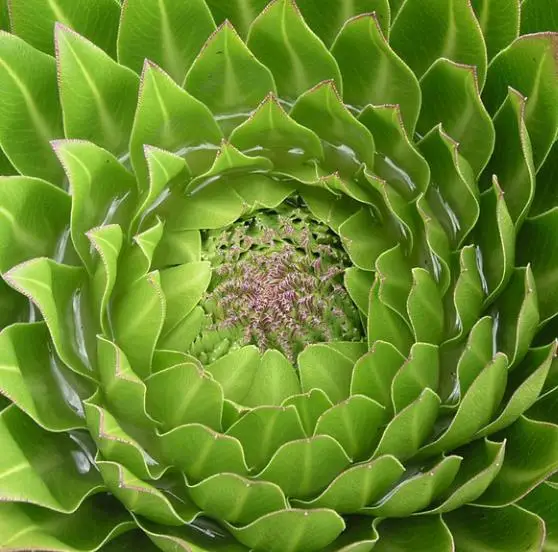
Named for one of nature’s most ingenious survival tricks, the leaf rosette holds a reservoir of water among the tightly fitted leaves, which is key to its survival in this unhospitable habitat. This reservoir freezes at night, a process that produces just enough warmth to keep the core of the plant alive until the morning sun thaws the ice. The British must have coined the common name ‘Gin and Tonic Lobelia’ for the ice cubes produced this way in the plant’s leaf rosette. It’s a plant with personality—with a story whispered in ice every single night.
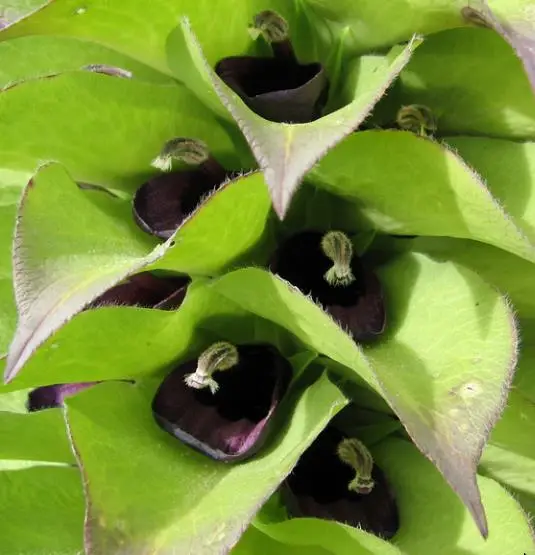
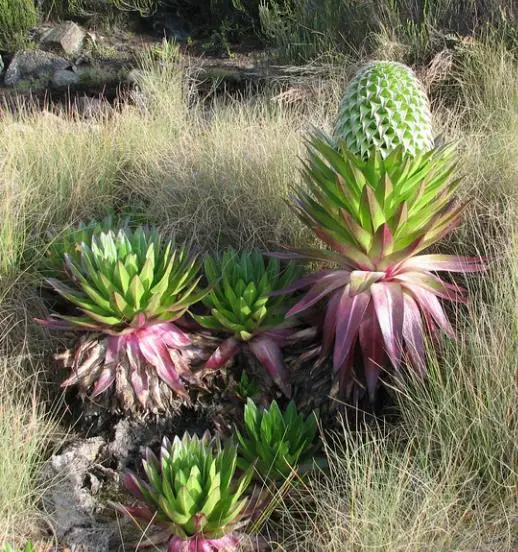
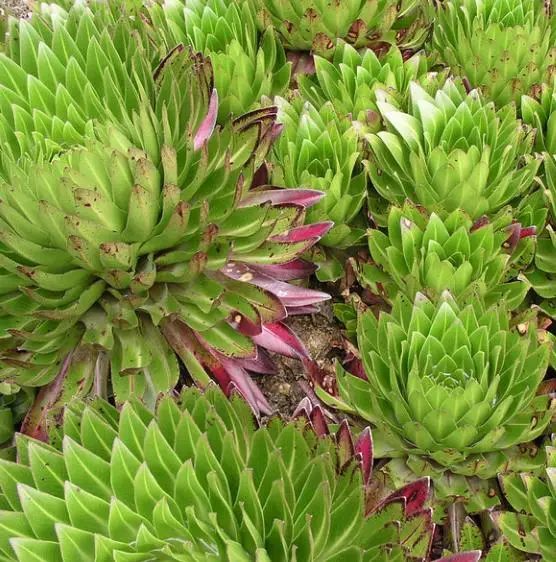
It is characterized by broad and rigid leaves with a reddish hue forming a compact rosette and short trunk, and when it finally flowers—after patient years—each rosette of yucca-like leaves with its inflorescence can reach a maximum height of 3.7 m (12 ft). The striking blue blooms of Lobelia Deckenii emerge in columns that command attention. The flowers are pollinated by sunbirds (Nectariniidae)—even in its native habitat, this is a plant royalty visits. Each rosette grows for several decades, produces a single large inflorescence and hundreds of thousands of seeds, then dies. It’s monocarpic beauty—a once-in-a-lifetime performance that makes every flower count.
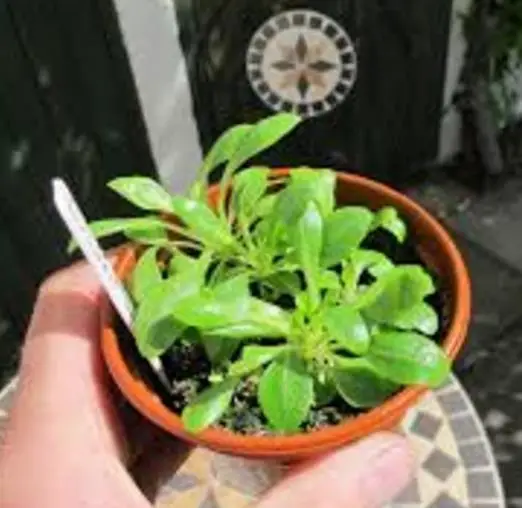
Grow this alpine architect in cool, mountainous, or highly oceanic climates where you can mimic its high-altitude origin. In cultivation, the giant Lobelia are rare and best suited to high mountain or highly oceanic climates without extremes of heat or cold. Lobelia gregoriana is successfully grown in southern New Zealand, proving that collectors in the right climate can succeed. It demands full sun to partial shade, consistent moisture (it loves moist valley bottoms in the wild), and well-draining soil. Patient gardeners who provide cool nights and avoid heat shock will be rewarded with a specimen that becomes the talking point of any serious plant collection. This is not a beginner’s plant—it’s a collector’s crown jewel.
Start from seed and embark on a multi-year journey toward one of the most dramatic, rare, and architecturally stunning plants on Earth. Every seed carries the genetic memory of the African alpine—the ice, the altitude, the impossible survival. Grow it, and you’re growing defiance itself.
Only logged in customers who have purchased this product may leave a review.

Reviews
There are no reviews yet.