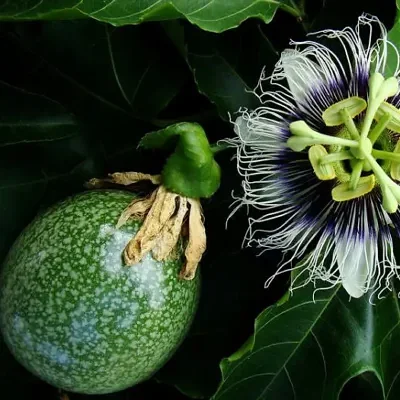
Solanum trilobatum — Purple Pea Eggplant | Respiratory Powerhouse, Centuries of Healing

For thousands of years, this climbing vine has been the sacred remedy of Ayurvedic and Siddha healers, prized for treating respiratory ailments and as a natural rejuvenator. Packed with unique steroidal alkaloids and flavonoids that target mucus clearance and lung health, thoothuvalai gives you the herbal power of ancient India in your own garden. This perennial climber reaches 1.5–2

1.92

SKU: P-2272 Category: Tags: , ,

You May Also Like

Description

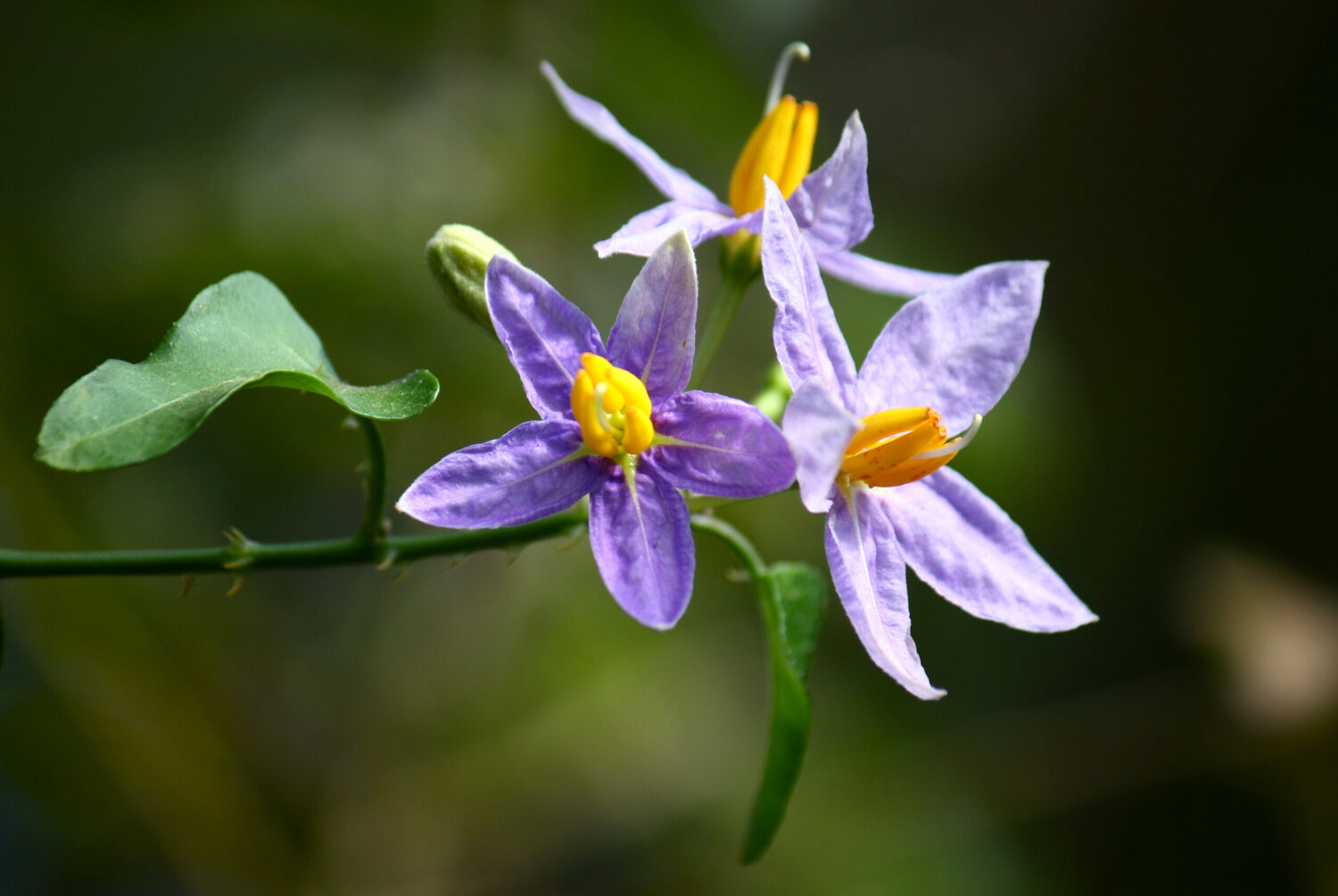
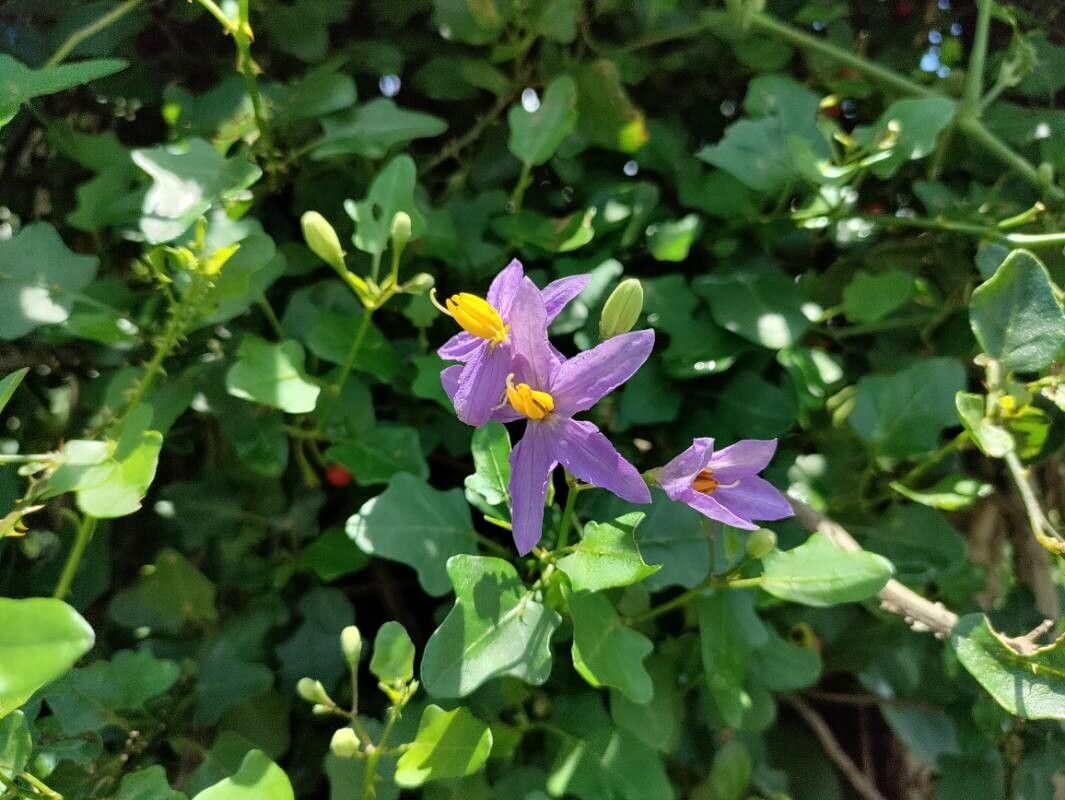
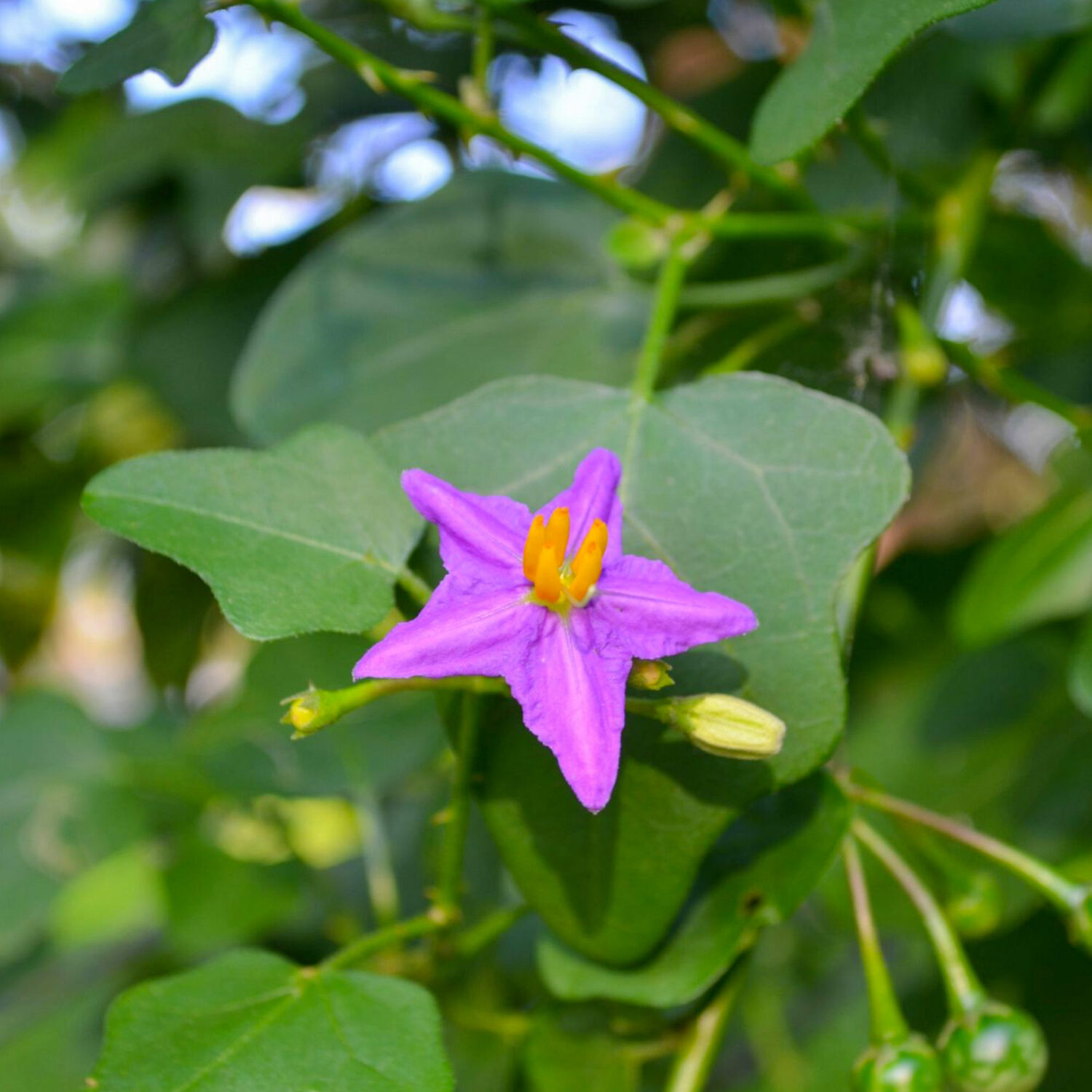
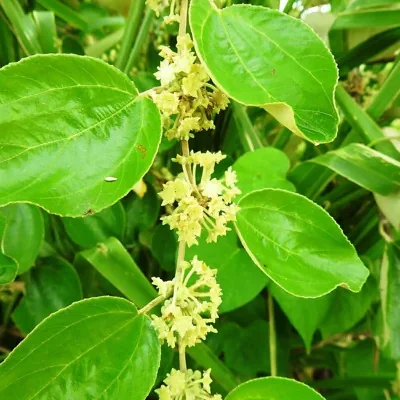
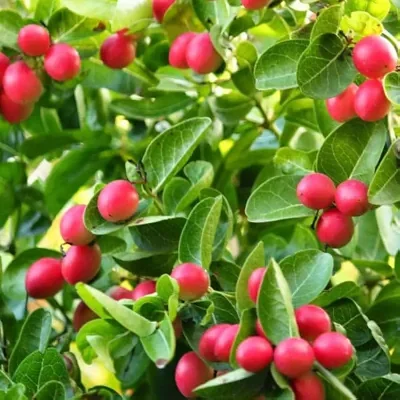
Imagine a thorny vine draped with delicate star-shaped purple flowers that bloom year-round in warm climates, bearing small berries that mature from green to gleaming red and purple.

Native to the tropical regions of India, Sri Lanka, and Southeast Asia, Solanum trilobatum arrived in European botanical gardens in the late 18th century, but its true magic has always lived in the hands of traditional healers. Its deeply lobed trilobed leaves feature a distinctive shape with small spines along the veins—a plant as visually fascinating as it is potent. This is no ornamental curiosity: it’s a living pharmacy that’s been healing respiratory conditions for millennia.

**The Respiratory Medicine You Grow Yourself:** This is where Solanum trilobatum becomes indispensable. It is one of the highly effective medicinal plants used to treat various respiratory-related diseases and is widely used in home remedies to treat colds and coughs. Its signature combination of steroidal alkaloids and flavonoids targets mucus clearance and lung health—a biochemical elegance you won’t find in generic herbal blends. The whole plant—leaves, stem, flowers and fruit—is used as medicine, giving you multiple harvest opportunities from a single vine. The famous “Thuthuvalai Rasam” is popular in Tamil Nadu, celebrated for balancing the body’s systems, while the plant ground with cow’s milk is an effective home remedy for relieving cough. In Siddha medicine, the leaves are said to produce blood and prevent the thickening of the blood which leads to many diseases. Beyond respiratory care, all parts of the plant are considered to have medicinal properties and are traditionally used for treating asthma, fatigue, respiratory illness, and skin diseases. As a culinary bonus, the leaves serve as an edible green cooked before eating, making this plant a dual-purpose kitchen and wellness garden staple.

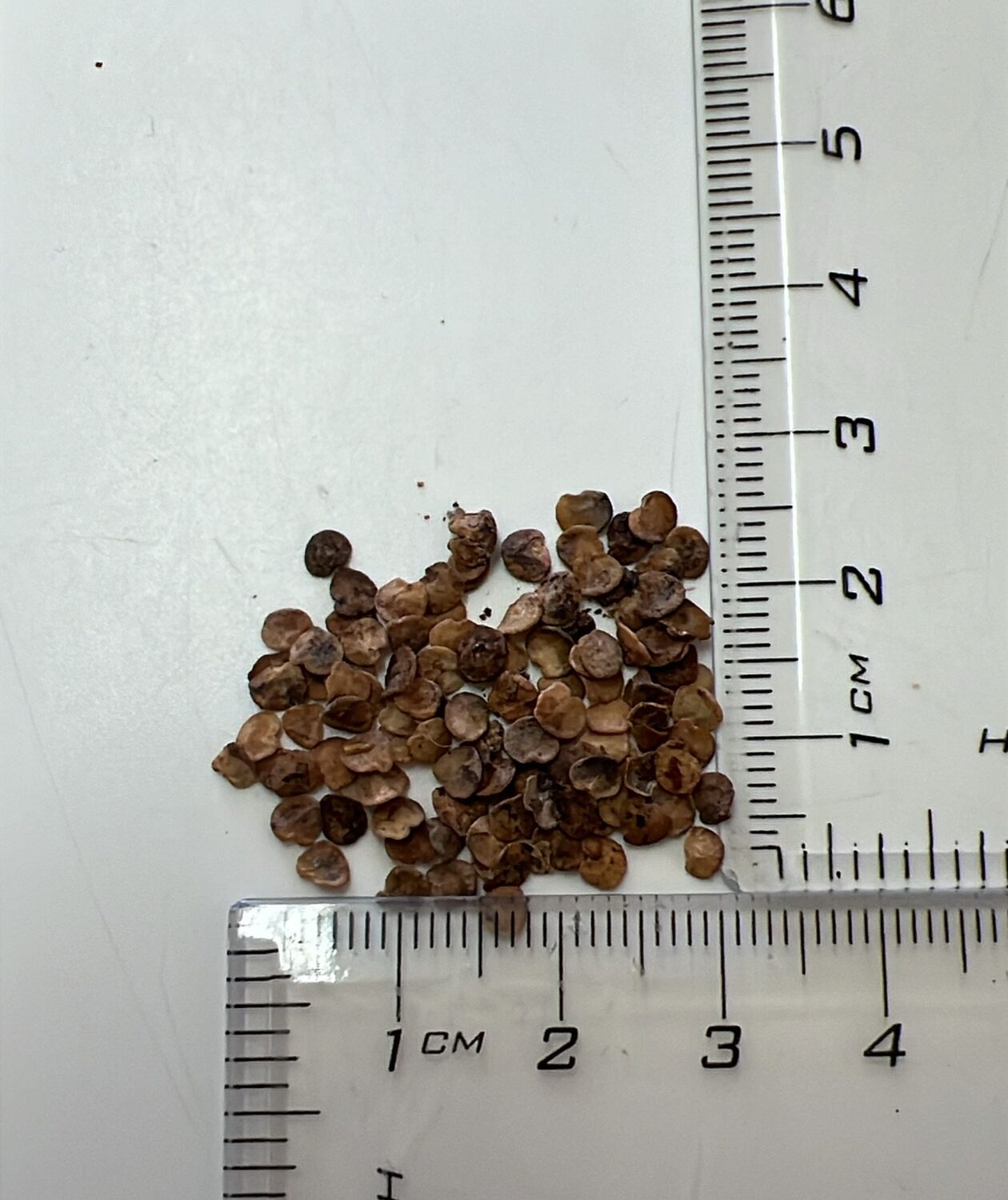
**Growing Your Healing Vine—Easier Than You’d Expect:** Thoothuvalai prefers full sun but tolerates partial shade, requires moderate watering with soil kept moist but not waterlogged, and thrives in sandy, loamy, or slightly acidic soils with good drainage. It thrives in tropical and subtropical climates with warm temperatures between 20°C and 35°C and cannot tolerate frost below 10°C. The plant can be grown in dry land with minimal rainfall, making it surprisingly resilient. Soak seeds for 12-24 hours, sow ¼–½ inch deep, space 12-18 inches apart, keep soil moist with mulch, and fertilize every 4-6 weeks with compost or organic fertilizer. You can harvest leaves and berries once the plant is established—usually after 3 to 4 months—picking ripe berries as they turn from green to yellowish-orange. Simply provide a trellis or support structure for climbing, and you have a self-replenishing wellness investment. This plant doesn’t demand perfection; it rewards attention with abundance.

**Sow the Seeds of Ancient Wisdom:** There’s something sacred about growing the very plant that has healed generations of families. When you start Solanum trilobatum from seed, you’re not just planting—you’re entering a lineage of healers stretching back centuries. In warm months, watch those purple flowers emerge and know that relief, vitality, and traditional medicine are growing in your own hands. This is how healing becomes personal.

Germination Guide

🌍 India, Sri Lanka, Indo-China, mainland Southeast Asia, Peninsula Malaysia
Easy

Solanum trilobatum, commonly known as Thuthuvalai in Tamil, is a thorny medicinal climbing shrub native to tropical South Asia. Belonging to the Solanaceae family, it is extensively used in traditional medicine systems including Ayurveda and Siddha, particularly for respiratory health and as a vegetable in South Indian cuisine.

Germination
Germination time
Expect germination in

7 – 18 days

Temperature

Min 22°C
Ideal 24°C
Max 30°C

Light
☀️ Light required

Substrate moisture
💧 Medium

Sowing depth
1 cm


Seed Pre-treatment
  • 💧

    Soaking — 24 hours
    Soak seeds for 12-24 hours before sowing; water imbibition improves germination rates
  • 📋

    Additional notes
    Soaking in water for 12-24 hours is beneficial; some sources mention cowdung slurry soaking for 48 hours as traditional method

Substrate & Container
Recommended substrate
Sowing soil or seed-starting mix; well-drained loamy soil rich in organic matter

Recommended container
Grow bags, seed trays, nursery containers


Growing Tips
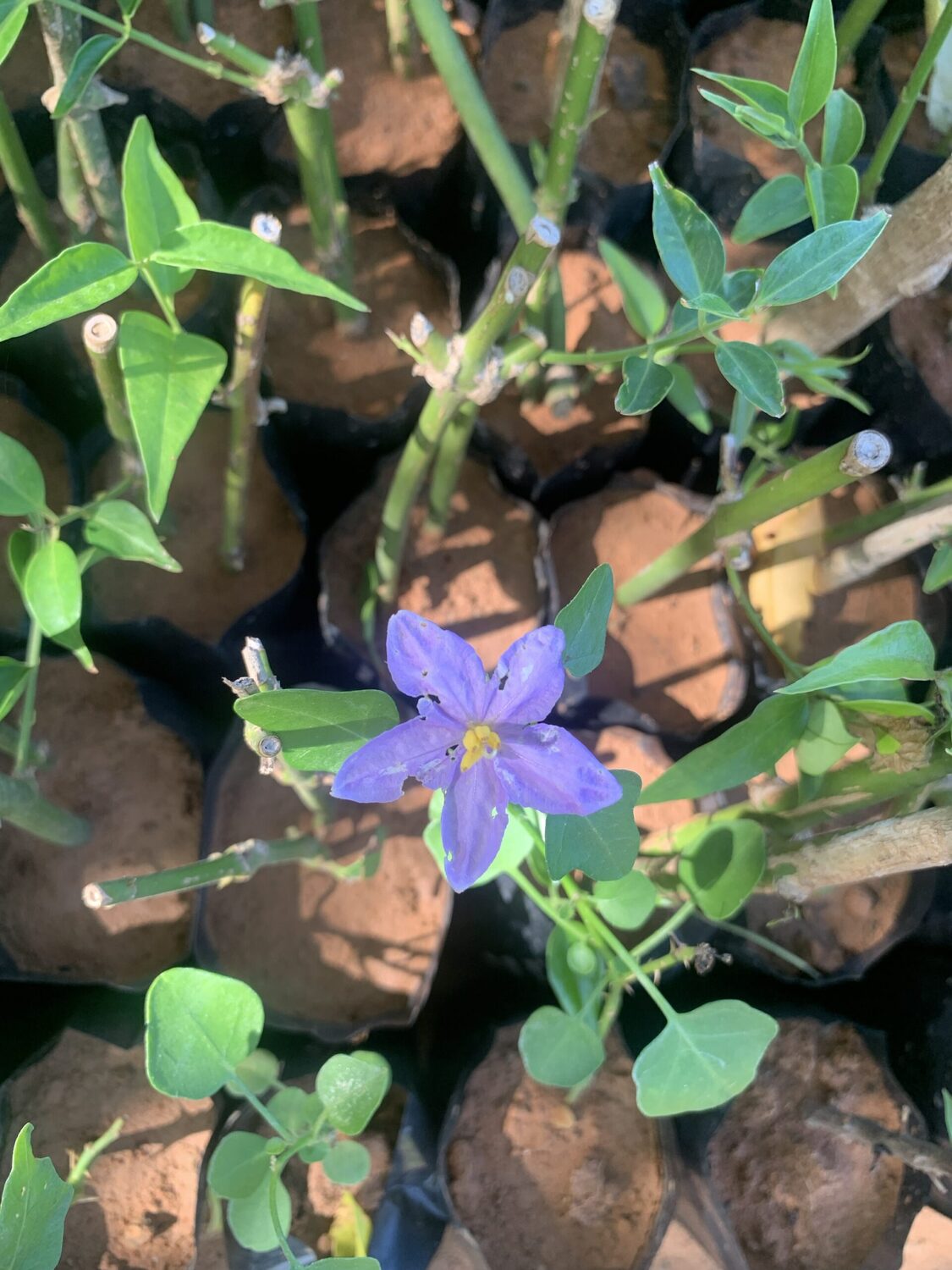
Keep soil moist but not waterlogged during germination. Provide full sun exposure (6+ hours daily). Plant requires warm tropical/subtropical conditions. Seeds have fully developed embryos at dispersal. Easily propagated from stem cuttings of half-ripe wood. Reaches maturity and flowering in 90-128 days after transplanting.

Reviews

There are no reviews yet.

Only logged in customers who have purchased this product may leave a review.

Related Products