Description
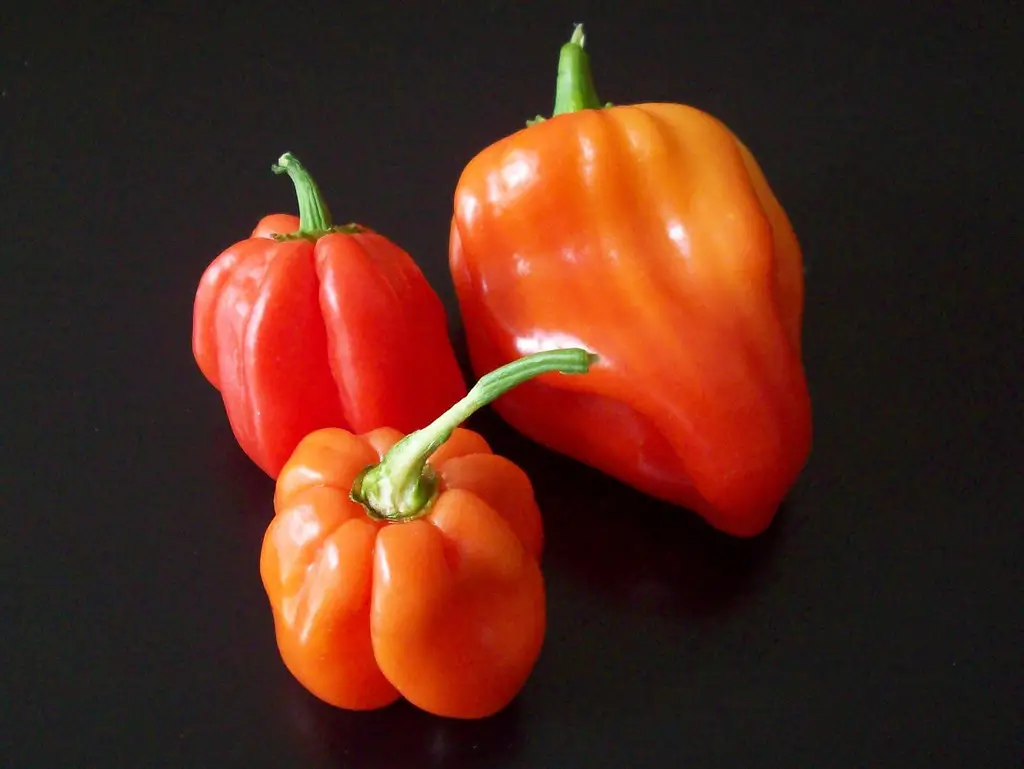
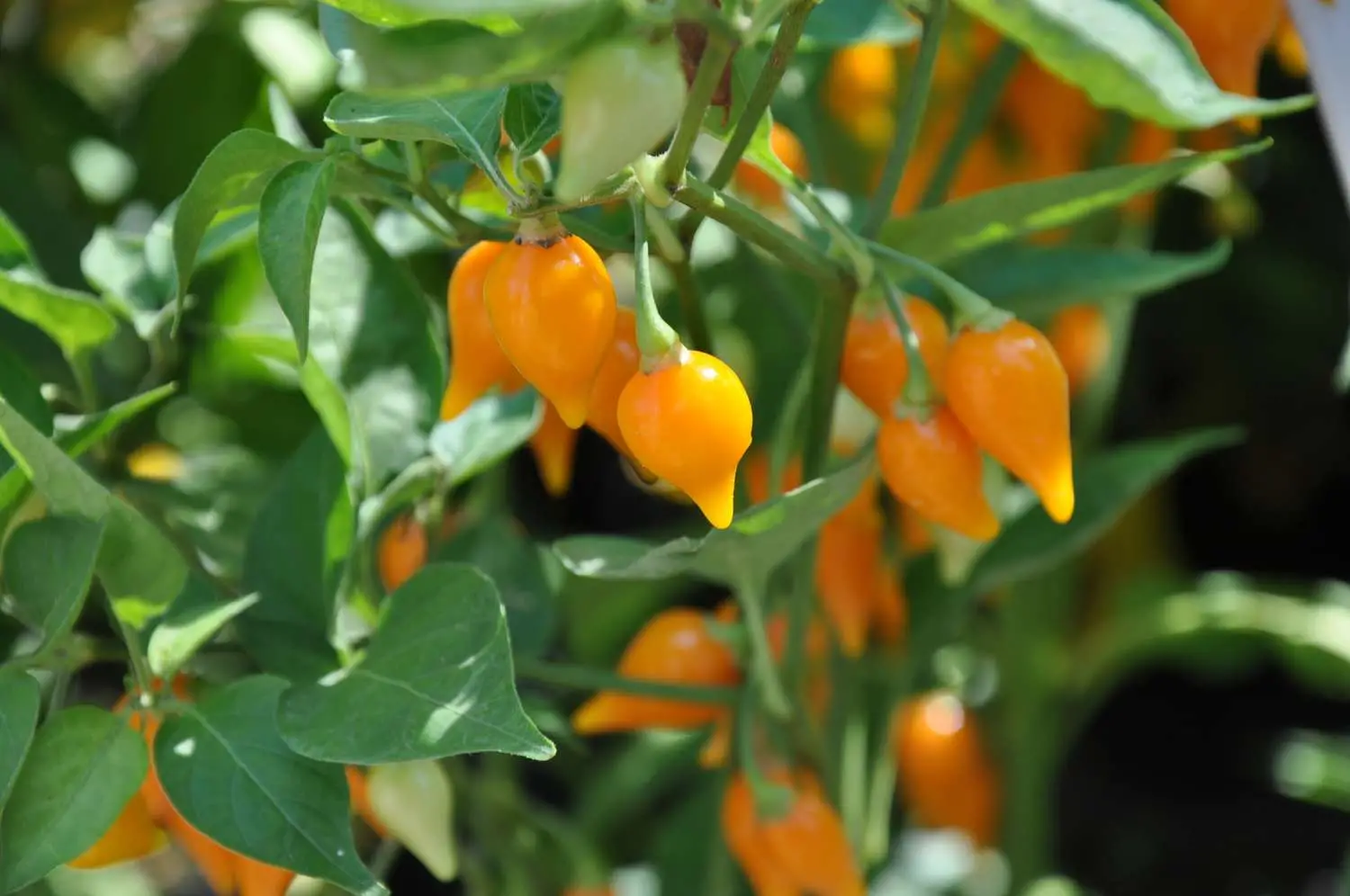
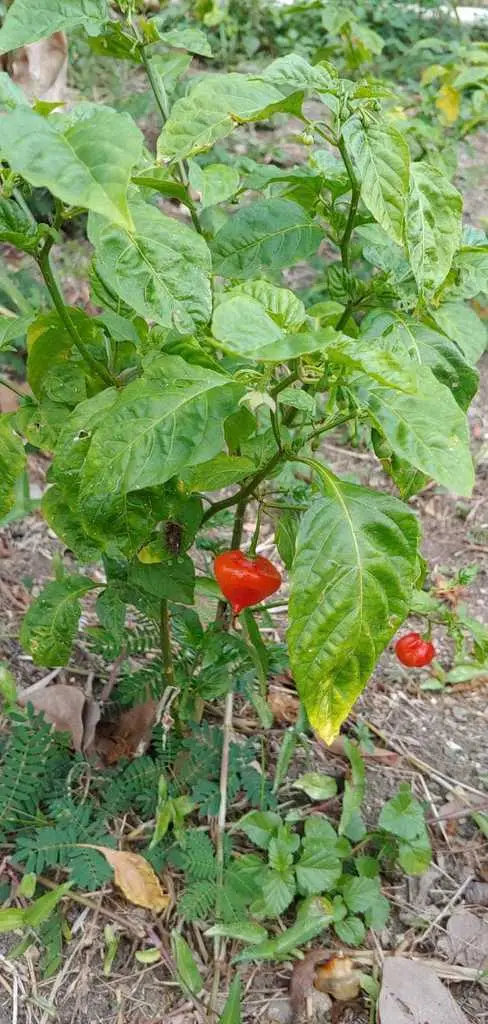
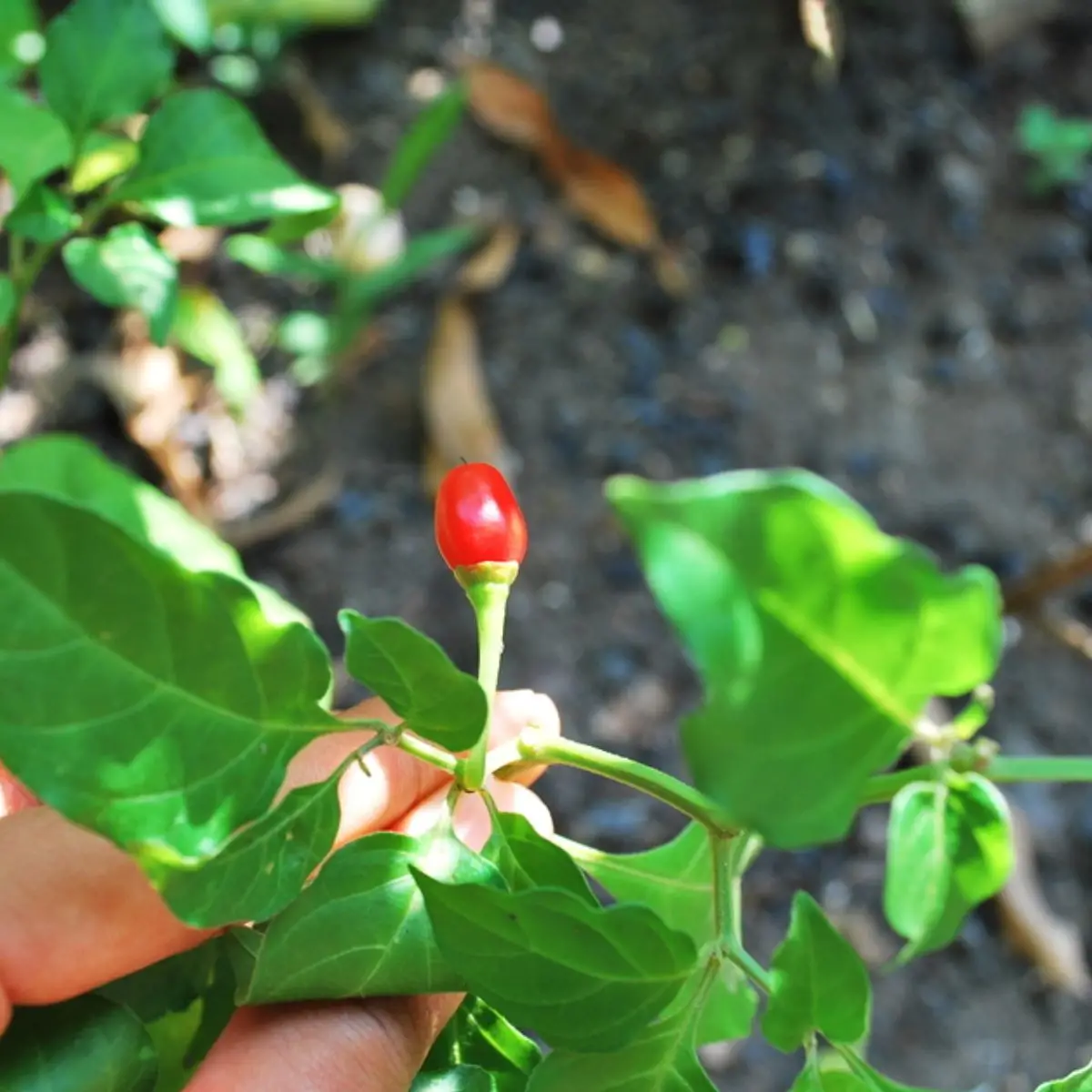
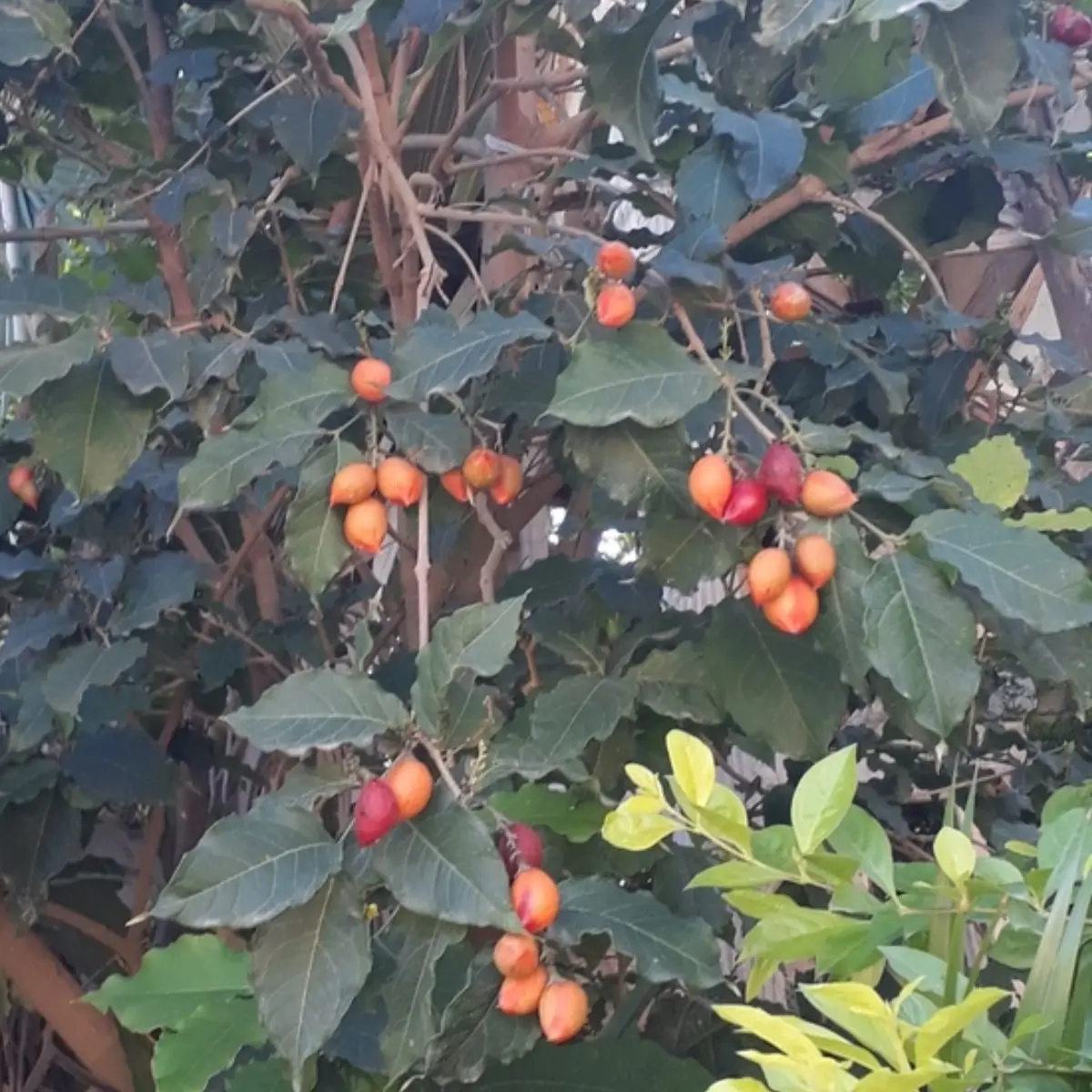
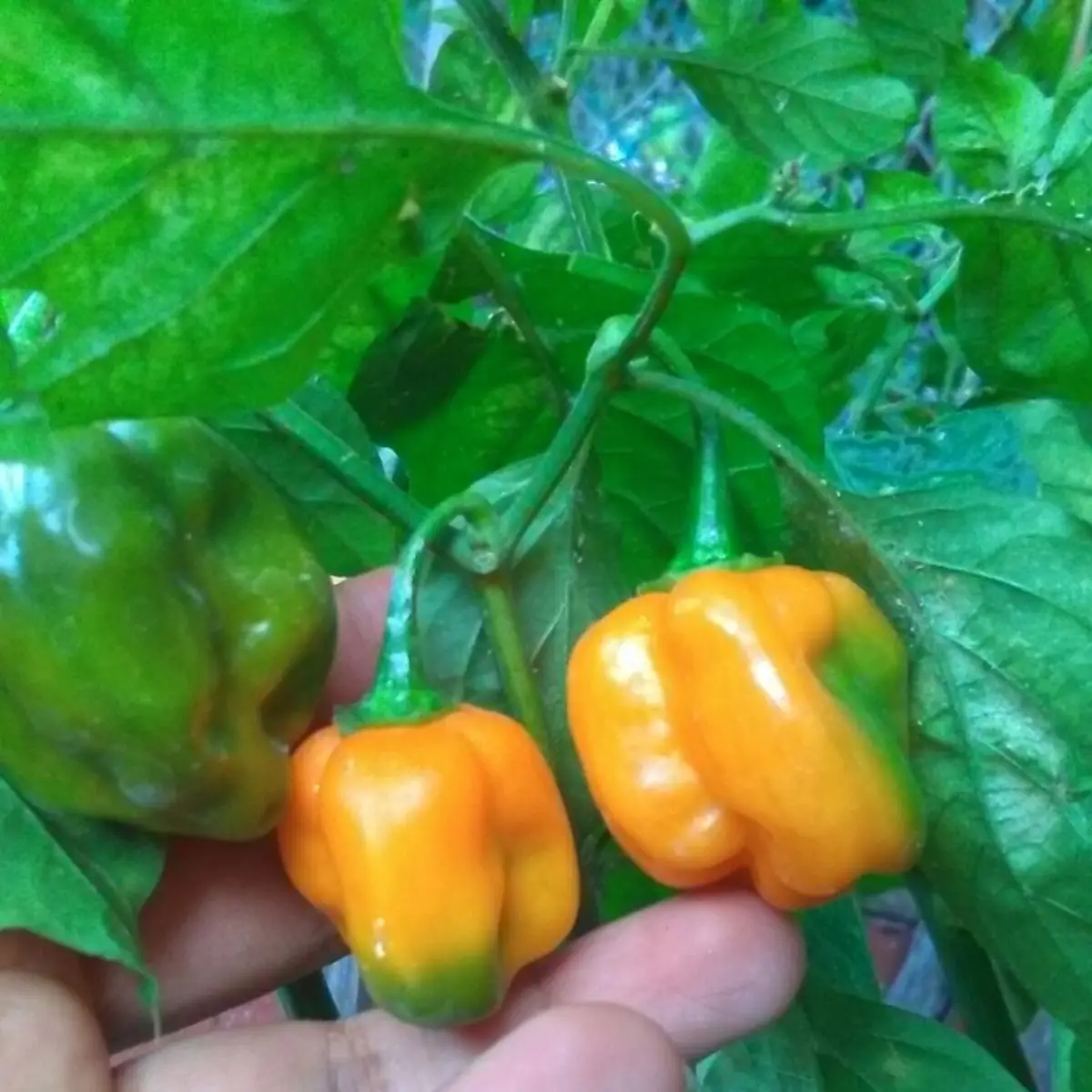
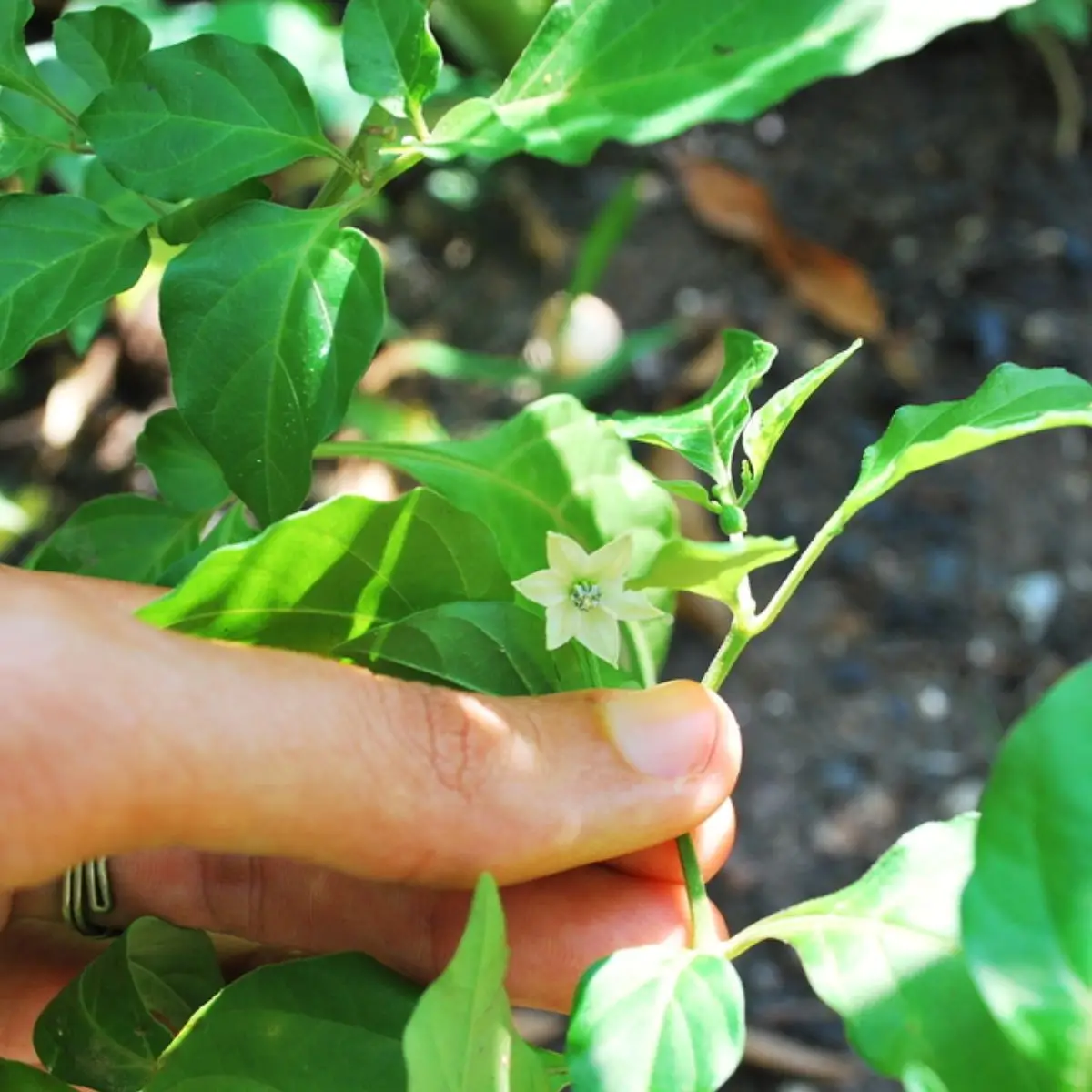
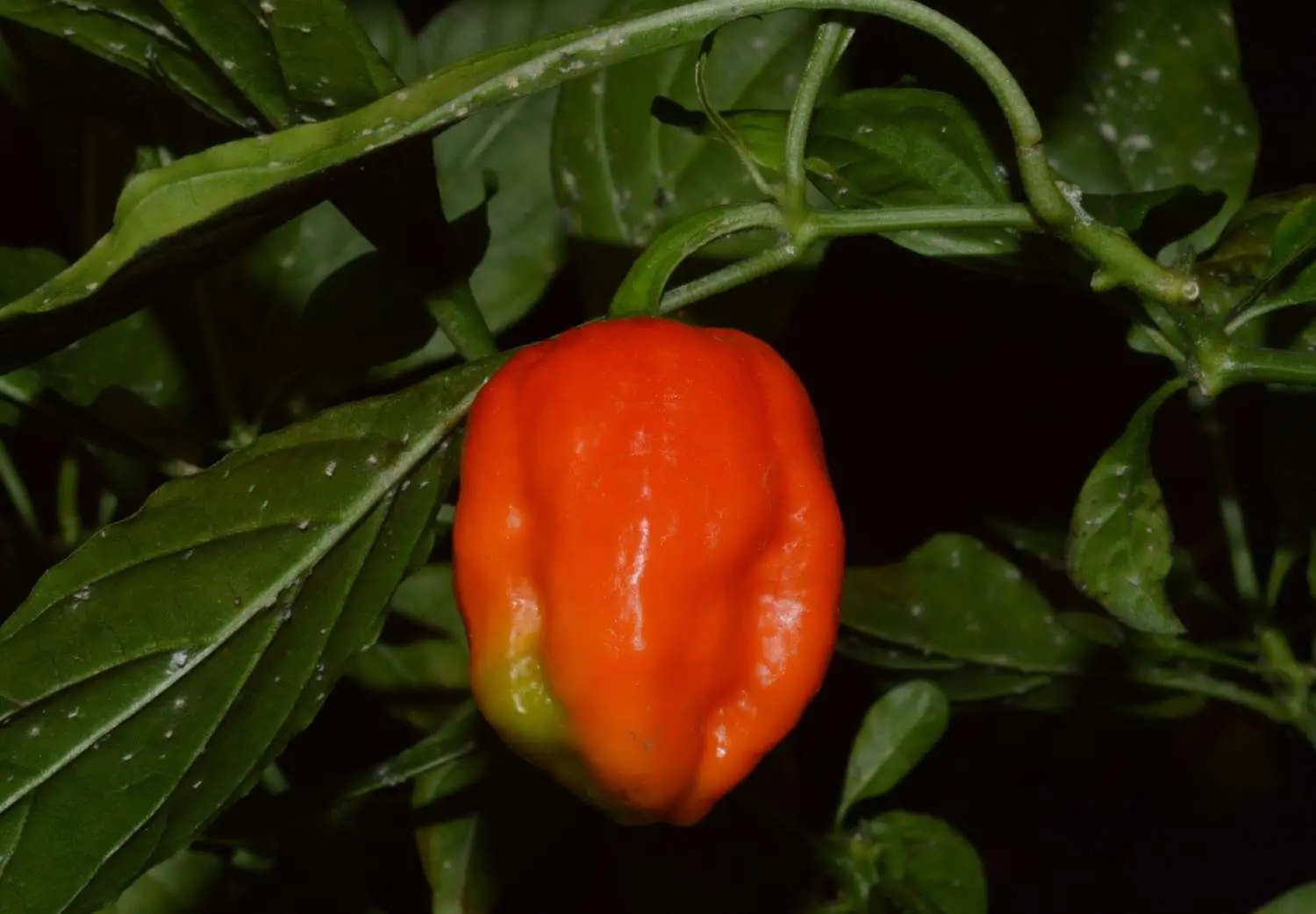
Capsicum chinense × Capsicum frutescens is a hybrid chili pepper resulting from the cross between two highly pungent species. This vigorous plant typically grows 60 to 100 centimeters tall, producing an abundance of medium to small, upright fruits that mature from green to vibrant shades of red, orange, or yellow, depending on the variety. The hybrid combines the intense heat and fruity aroma of C. chinense (such as Habanero types) with the productivity and resilience of C. frutescens (such as Tabasco types). It thrives in full sun and well-drained, fertile soil, performing best in warm, humid climates. Excellent for sauces, seasoning, and ornamental use.
Germination Guide
🌍 Central America, Caribbean, Amazon Basin (Capsicum chinense native regions)
Moderate
Capsicum chinense × Capsicum frutescens is a hybrid resulting from crossing two chili pepper species, creating a unique blend of traits including extreme heat levels. Germination requirements intermediate between parent species with significant dormancy typical of C. chinense genetics requiring warm temperatures and chemical treatments to improve germination rates.
Germination
Germination time
Expect germination in
7 – 14 days
Temperature
Min 21°C
Ideal 28°C
Max 32°C
🌡️ Temperature alternation recommended
— Alternating temperature regime 30/15°C (16h/8h) for 14 days strongly promotes germination of dormant seeds; Capsicum chinense species prefer high warmth with day temperatures around 30°C normal in native range
Substrate moisture
💧 Medium
Sowing depth
Lightly covered
Seed Pre-treatment
-
💧
Soaking — 24 hours
Seeds benefit from soaking for 24-36 hours in potassium nitrate solution or warm water to soften shell and reduce coat dormancy; this is common practice for C. chinense varieties
-
🔨
Chemical scarification
Chemical scarification with potassium nitrate (KNO3) 1-3% solution for 24 hours recommended; chemical treatments with gibberellic acid (GA3) or Biozyme TF also effective; mechanical scarification (sanding) shows strong results
-
📋
Additional notes
Phytohormonal scarification with Biozyme TF achieved 90% germination; gibberellic acid (GA3) at 100-400 ppm effective; hydrogen peroxide (3%) treatments used; alternating temperature regimes (30/15°C for 14 days) promote dormant seed germination substantially
Substrate & Container
Recommended substrate
sterile seed starter mix, potting soil, paper towel, coconut coir
Recommended container
seed trays, germination trays, Petri dishes with moistened filter paper, jiffy pellets
Growing Tips
Capsicum chinense × Capsicum frutescens hybrid seeds show variable germination success in literature (ranging 11-77%); the hybrid exhibits characteristics of both parents including strong dormancy from C. chinense; using potassium nitrate pre-soak (24-36 hours) is highly recommended particularly for C. chinense germotype; maintaining soil moisture damp (not wet) essential to prevent damping off; heat mat at 80-90°F (27-32°C) significantly improves germination rates; patience essential as some seeds may germinate over 4-6 week period; alternating temperature cycles more effective than constant temperatures for dormant seeds
Only logged in customers who have purchased this product may leave a review.

Reviews
There are no reviews yet.