Description
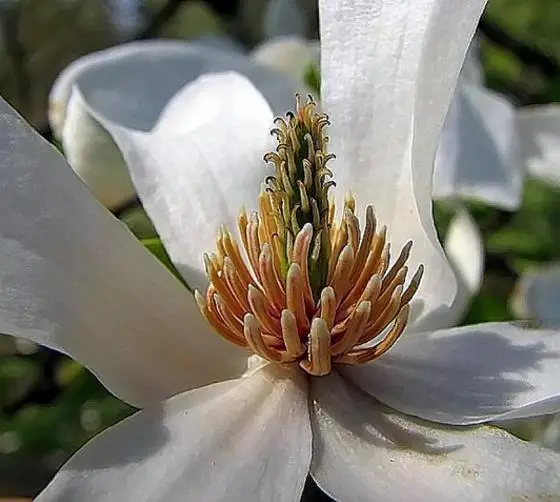
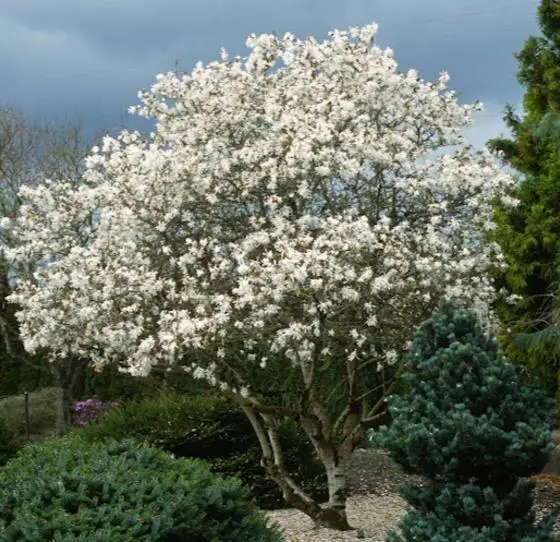
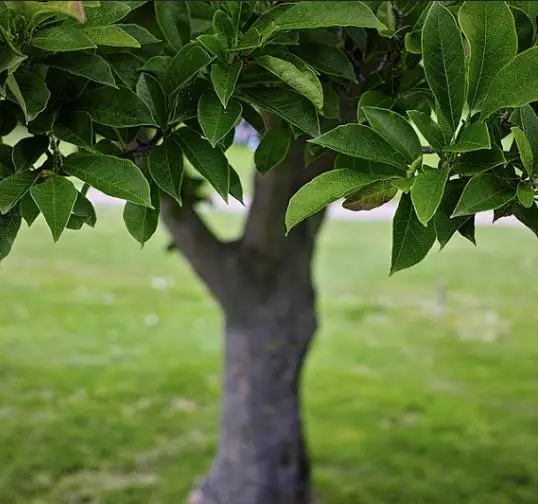
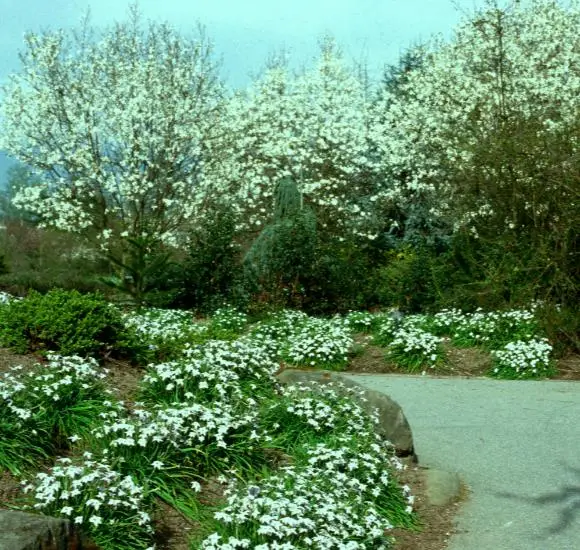
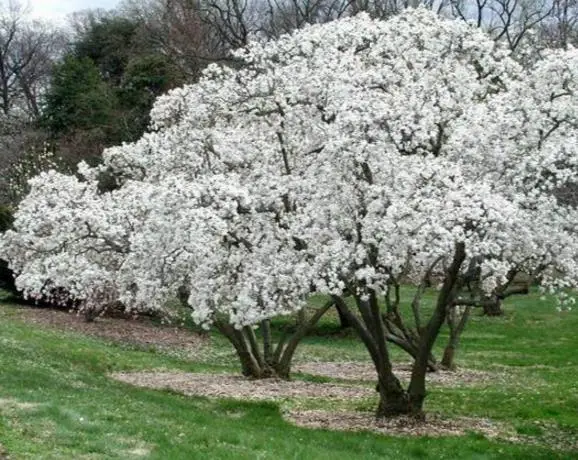
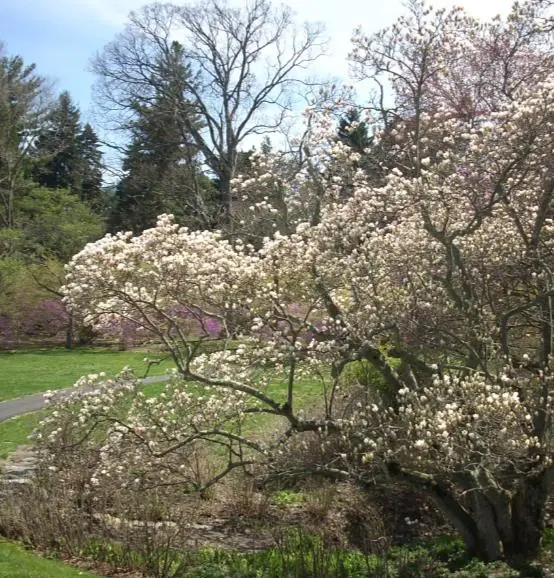
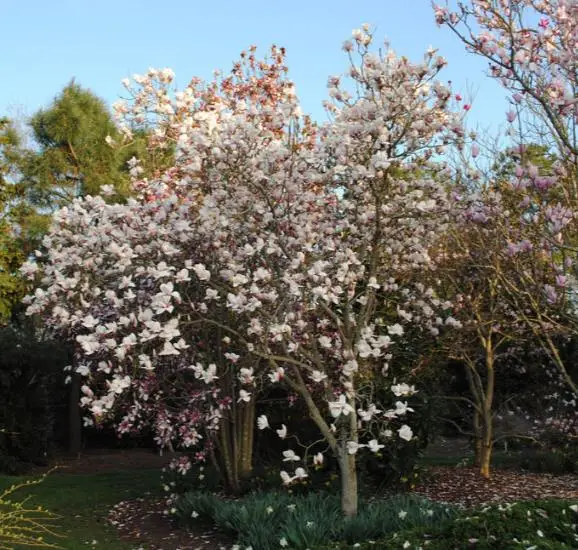
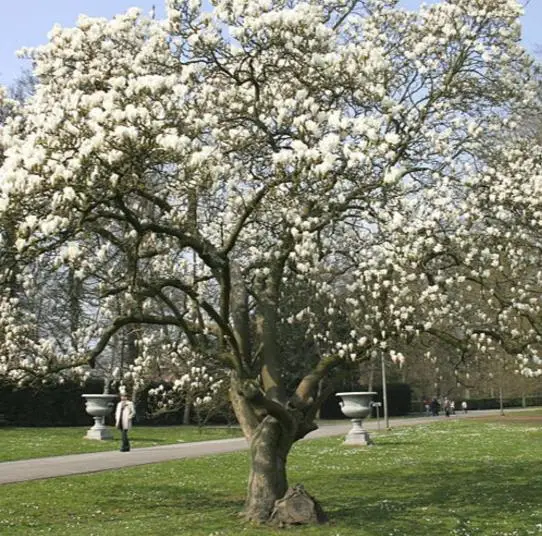
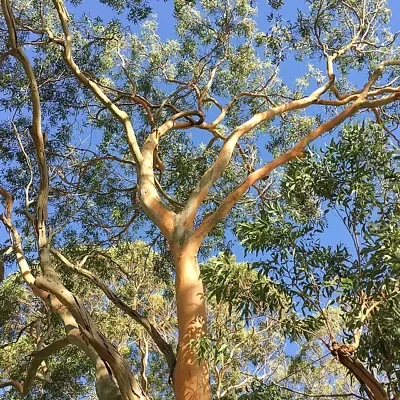
Magnolia kobus is a graceful deciduous tree native to Japan, admired for its elegant form and early spring floral display. It typically grows 8 to 15 meters tall, forming a broad, rounded crown with smooth grey bark and simple, oval green leaves that turn yellow in autumn. Before the leaves emerge, the tree produces abundant star-like white flowers, often lightly fragrant, creating a striking visual effect against bare branches.
This species is hardy and adaptable, thriving in full sun to partial shade and well-drained, slightly acidic to neutral soils. It is well suited for temperate climates and is commonly planted as an ornamental tree in gardens and parks. With age, it becomes more floriferous and develops a stately presence in the landscape.
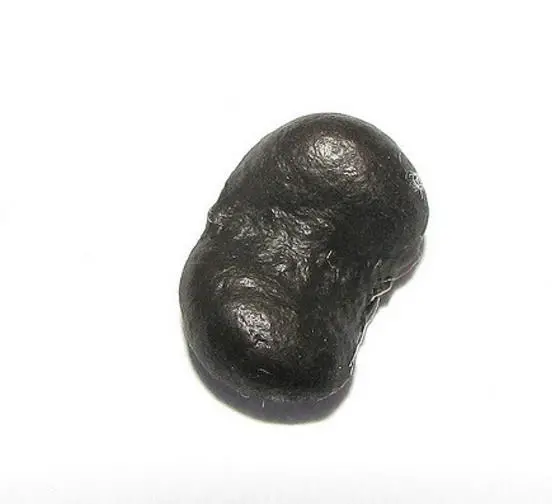
Sow seeds in autumn to allow natural cold stratification over winter, which improves germination. Alternatively, seeds can be stratified artificially in a moist medium in the refrigerator for 2 to 4 months before sowing in spring. Germination typically occurs when temperatures warm in spring.
Germination Guide
🌍 Japan (Hokkaido, Honshu, Kyushu) and Korea (Jeju Island)
Difficult
Magnolia kobus, also known as Kobus Magnolia or Northern Japanese Magnolia, is a deciduous tree native to Japan and Korea, prized for its early spring display of fragrant white flowers tinged with pale pink. Seeds exhibit physiological dormancy requiring cold stratification to overcome winter dormancy and trigger germination. This species is notoriously slow to reach flowering maturity, often requiring 25-30 years from seed, making germination a long-term commitment.
Germination
Germination time
Expect germination in
60 – 540 days
Temperature
Min 4°C
Ideal 20°C
Max 25°C
Light
🌑 Darkness required
Substrate moisture
💧💧 High
Seed Pre-treatment
-
💧
Soaking — 24 hours
Submerge seeds in room temperature water for 24 hours before sowing. Keep seeds moist throughout the process as drying kills the embryo.
-
🔨
Hot water scarification
Soak seeds in room temperature water and let stand for 24 hours to remove fleshy fruit coating and soften seed coat. Do not allow seeds to dry out as this kills the embryo.
-
❄️
Cold stratification — 120 days at 4°C
-
📋
Additional notes
Remove fleshy fruit coating by soaking and rubbing. Seeds must never be allowed to dry. Fresh seeds are preferred. Store seeds at 2-4°C in moist medium if not sowing immediately.
Substrate & Container
Recommended substrate
Well-draining seed mix, peat moss, vermiculite, or sandy compost
Recommended container
Pots or outdoor seedbeds with mulch
Growing Tips
Sow seeds 2 cm deep immediately after extraction and keep pot outside for full 120-day cold stratification cycle. Seeds must never dry out; use moist vermiculite or peat moss during stratification. After cold period, germination typically begins in spring but can be irregular and extend to 18 months. Provide dappled shade to emerging seedlings initially, then increase light. Tamp soil firmly, mulch seedbed, and remove mulch once germination occurs. Sunlight inhibits germination so keep seeds in darkness during stratification. Protect from rodents and ensure protection from late spring frosts once seedlings emerge.
Only logged in customers who have purchased this product may leave a review.


Reviews
There are no reviews yet.