
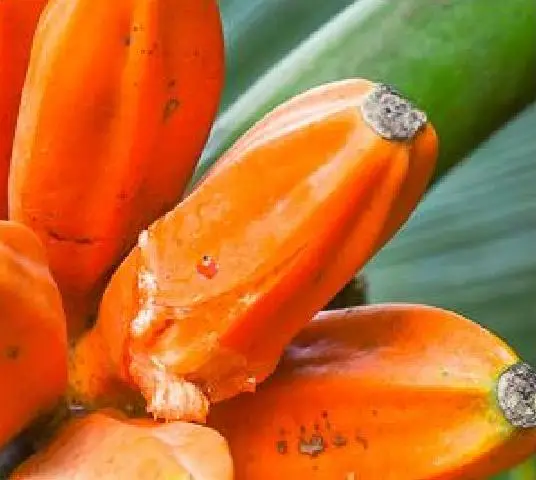
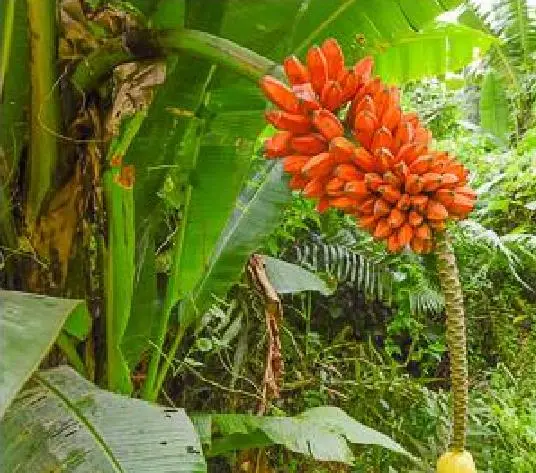
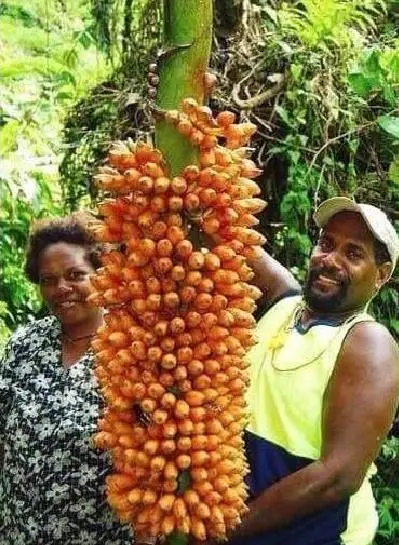
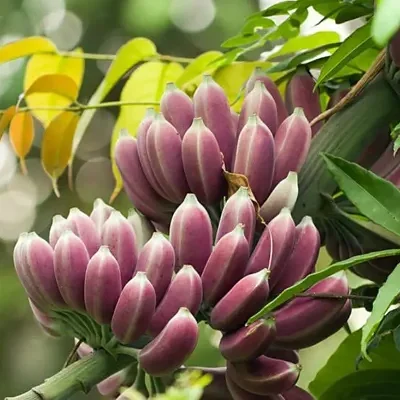
A raridade das montanhas de Papua chegou às tuas mãos: frutos de um tom laranja vibrante, deliciosamente doces e com uma propriedade única — a pele se abre naturalmente na maturação, revelando polpa dourada. Uma das apenas seis bananas do mundo com este traço mágico. Cultivo acessível em climas tropicais e temperados. Grow yours from seed e descobri o sabor que rimou com ‘mel’.
€9.07
Imagina colher um fruto que nenhuma plantação comercial conhece: a lendária Musa johnsii, descoberta apenas em 2001 nas florestas submontanas de Papua, entre 1000 e 2000 metros de altitude.
Nascida nas montanhas tropicais da Nova Guiné, esta é uma banana silvestre que desmente o mito das frutas selvagens serem inapetentes. Musa johnsii é a prova viva de que raridade e qualidade caminham juntas. Descrita cientificamente há apenas um quarto de século, permanece praticamente desconhecida do cultivo comercial — o que a torna um tesouro para o cultivador que busca ir além do banal.
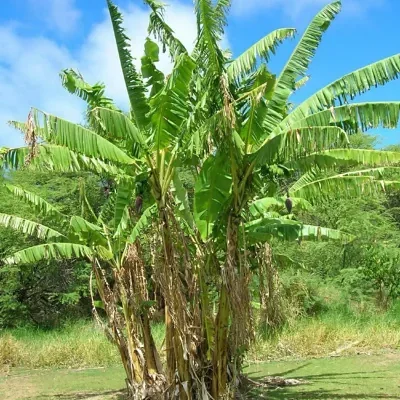
Mas aqui está a verdadeira magia: Musa johnsii é uma das apenas seis bananas do planeta com frutos esquizocárpicos — a pele se parte naturalmente quando o fruto amadurece, revelando uma polpa dourada e deliciosamente doce. Este traço extraordinário combina raridade botânica com um detalhe que faz qualquer experimentador sorrir: não precisa de faca, a própria natureza abre o caminho para o sabor. Os frutos, pequenos e agressivamente alaranjados, formam um cacho horizontal denso que é, pura e simplesmente, uma obra-prima visual. Folhas ascendentes de 2,5 metros e pseudocaules robustos marrom-avermelhados que chegam a 4 metros criam uma silhueta tropical inconfundível.
O sabor é onde Musa johnsii revela seu tesouro escondido: adoçura genuína, o tipo que justificou o nome ‘mel’ em português (banana mel). Não é a banalidade do Cavendish que tomou conta do mundo; é doçura com corpo, com personalidade, a doçura de uma fruta que cresceu livre nas montanhas e absorveu cada raio de sol disponível. Comer fruto direto da planta é provar a diferença entre uma banana e uma experiência.
E o melhor? Cultivo surpreendentemente acessível. Ao contrário de tantas raridades que exigem orquestração climática complexa, Musa johnsii é notavelmente resiliente. Prospera em climas tropicais e temperados quentes sem demandas extraordinárias. Prefere luz parcial ou sombra (honrando sua origem em subcoberto florestal), solos ricos em matéria orgânica, e umidade consistente — basicamente, as mesmas condições que nutrem samambaias de luxo. Em pote cresce confortavelmente; na terra, alcança sua grandiosidade natural. Não é fácil sim, é generosa com quem a respeita.
Sementes desta raridade são extremamente limitadas no mercado global. Quando cresces Musa johnsii a partir de semente, não estás apenas plantando um vaso — estás trazendo à vida uma espécie que ecologicamente permanece quase virgem em cultivo humano. Cada planta é um pedaço de história botânica, um elo vivo com as montanhas remotas de Papua. Pronto para abraçar a verdadeira raridade?
Only logged in customers who have purchased this product may leave a review.
Reviews
There are no reviews yet.