Description
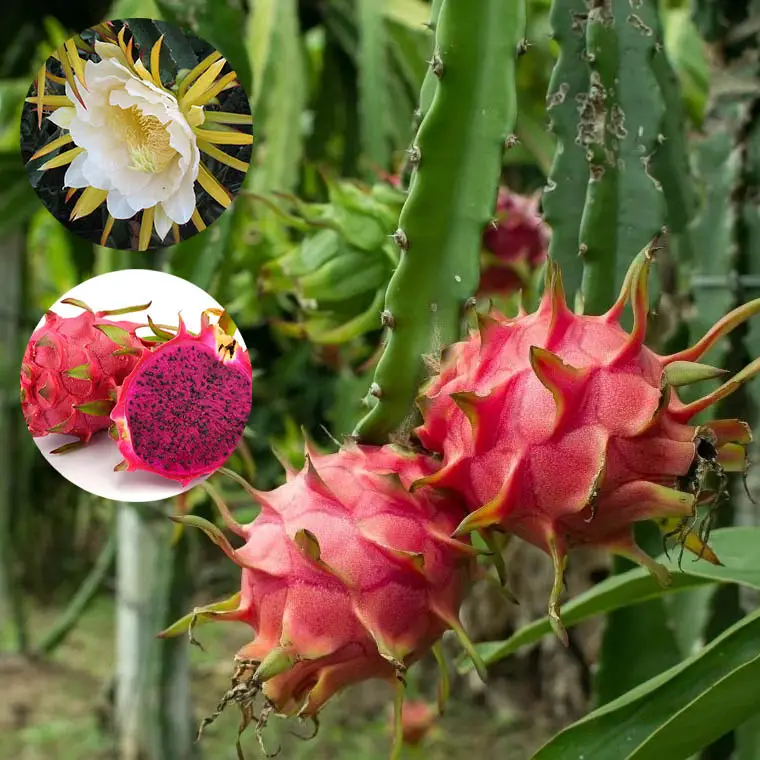
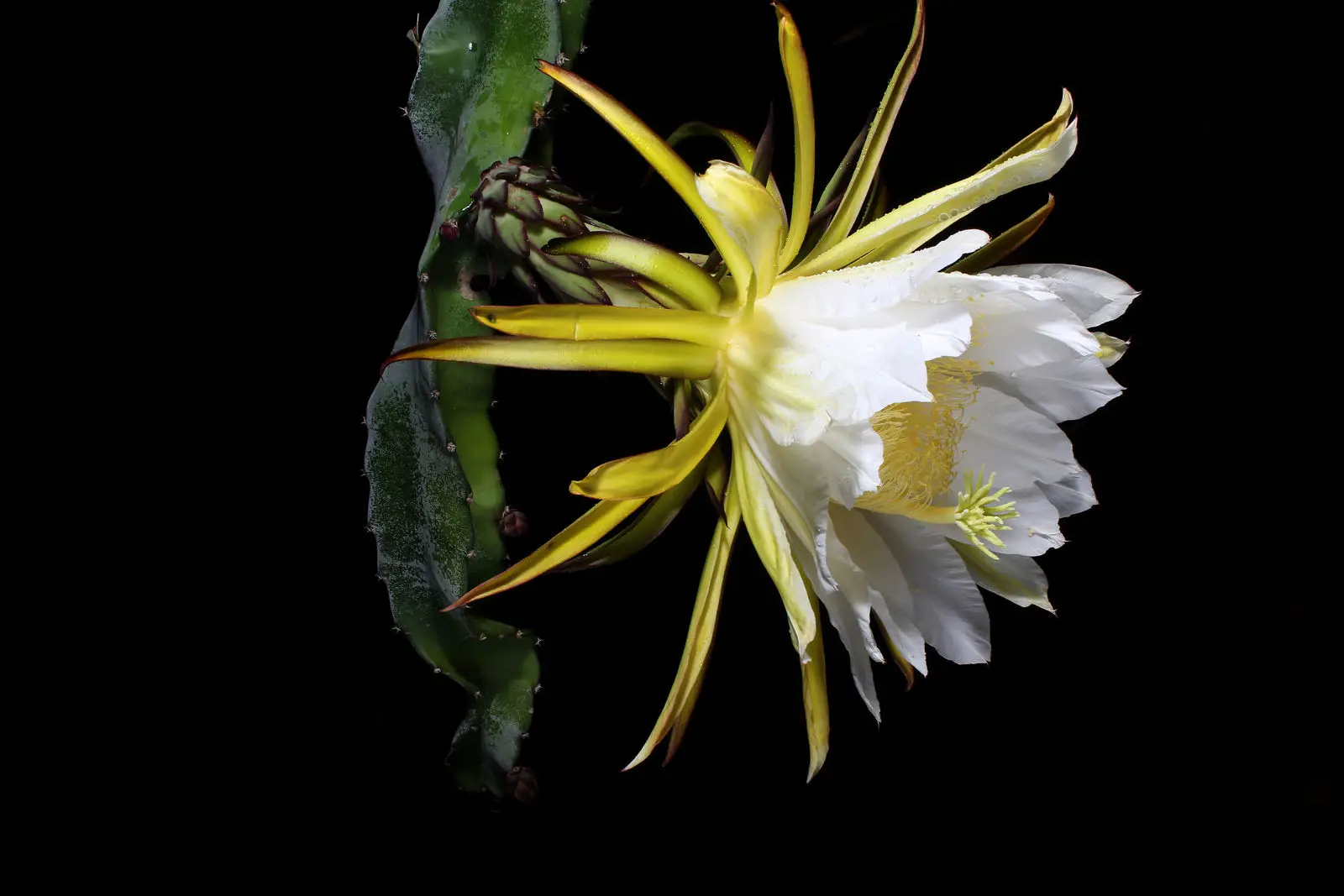
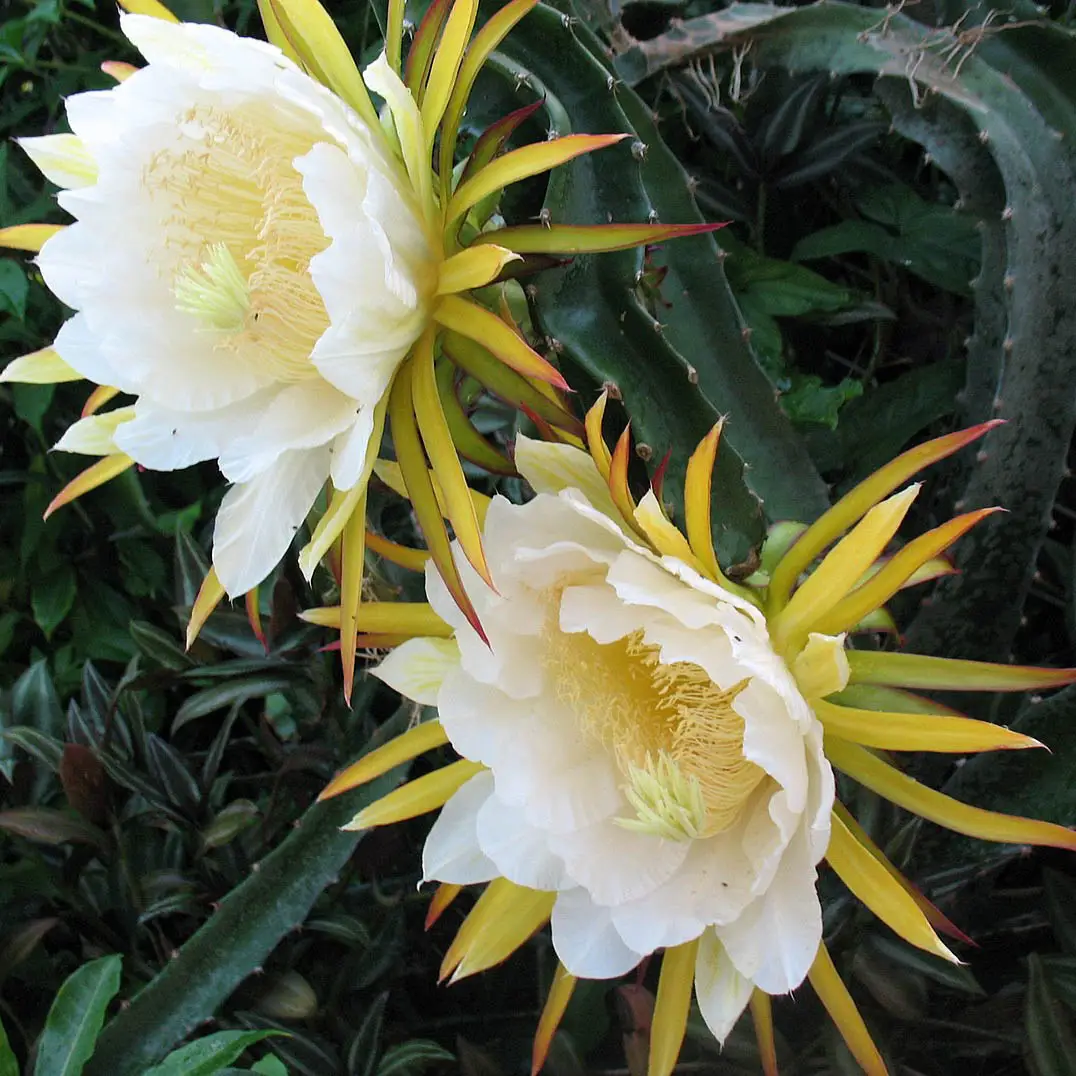
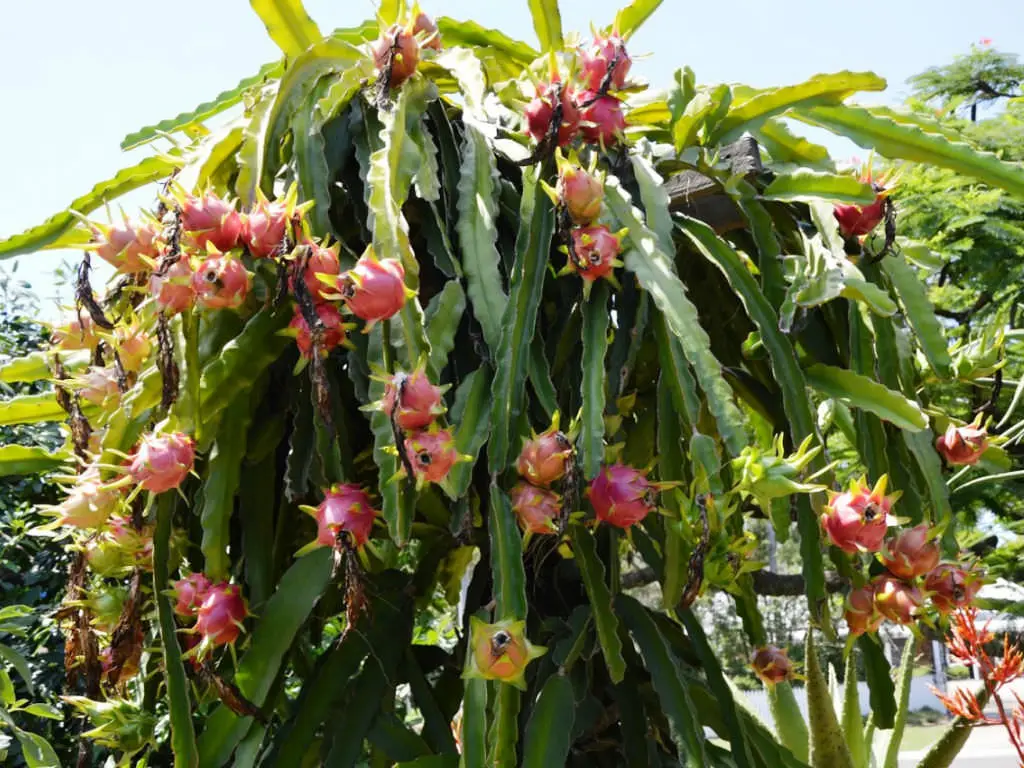
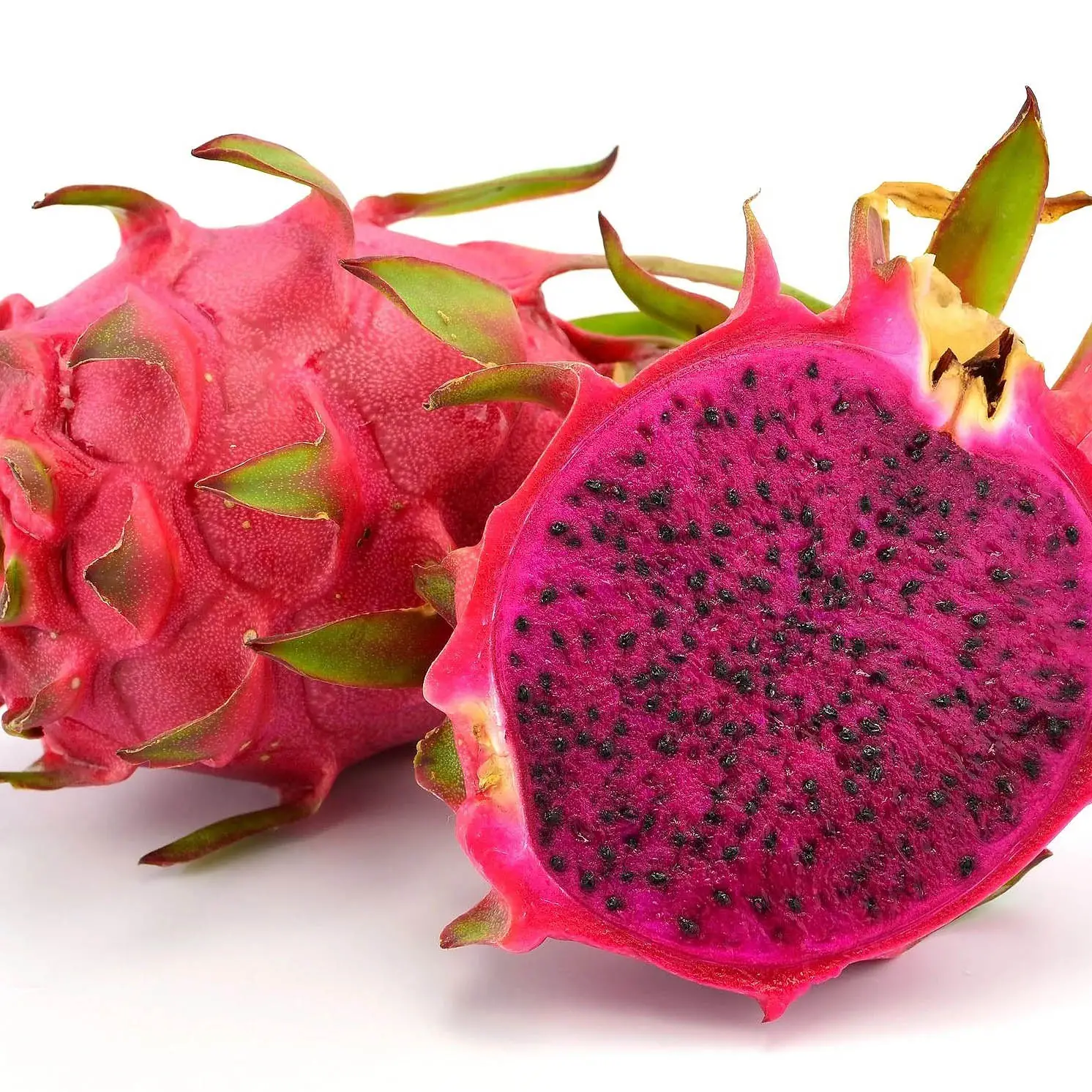
Red Dragon Fruit, also known as pitaya or pitahaya, is a fruiting cactus variety native to Central and South America. The plant grows to around 10 to 15 feet high with multiple stems and branches, and produces stunning white flowers that bloom during the night from early summer to early fall.
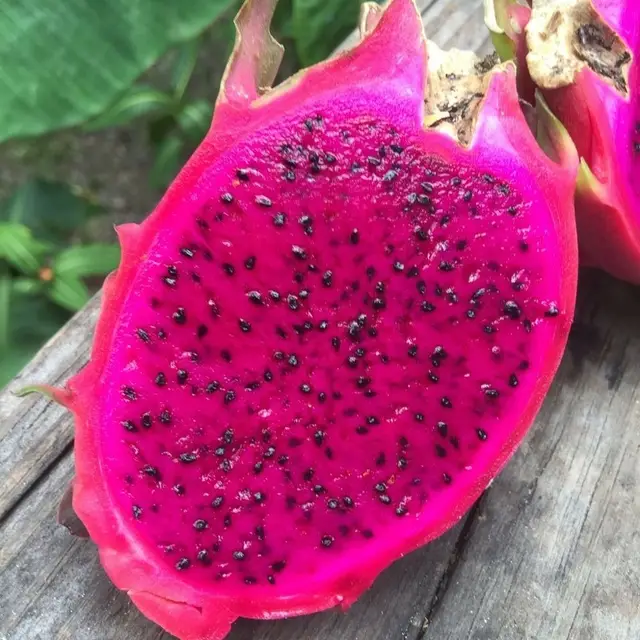
The fruits, which have bright-red skin and red to pink flesh, are oval to oblong in shape and grow to between 3 and 5 inches long and 2 to 4 inches thick. Flavor is sweet and delicate, and often described as a blend of kiwi, watermelon, and pear. Texture is soft and slightly crunchy.
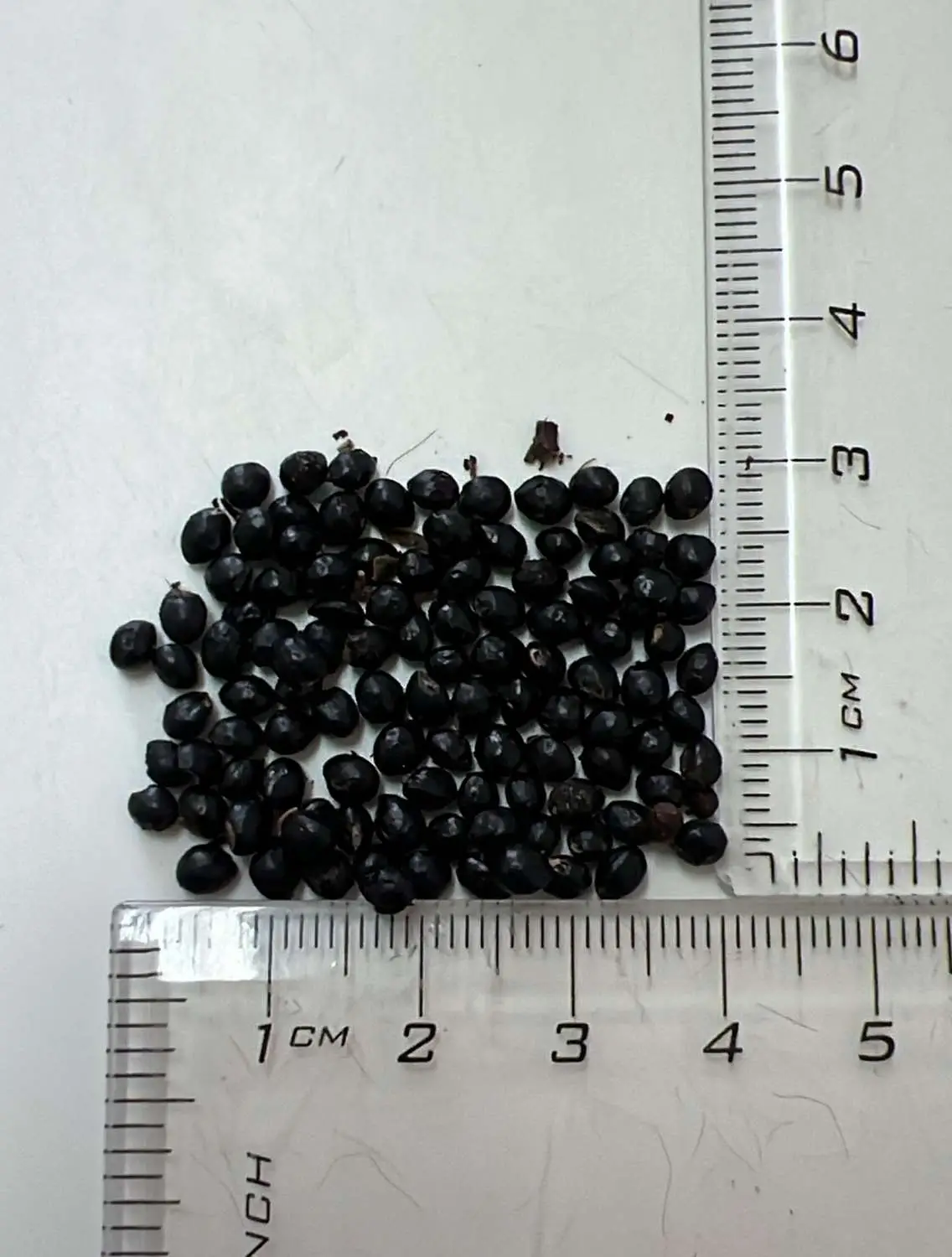
Start indoors by sowing seeds on the soil’s surface in small, individual pots, then cover pots with plastic. Keep soil warm and moist until germination, which may take up to 30 days. 6 to 8 months to maturity. Flowering Time: Summer – Fall
Germination Guide
🌍 Central America and northwestern South America (Nicaragua to northern Peru)
Moderate
Selenicereus costaricensis, also known as Costa Rican nightblooming cactus or Costa Rican pitaya, is a perennial climbing succulent in the Cactaceae family native to seasonally dry tropical biomes from Nicaragua to northern Peru. It produces large fragrant white nocturnal flowers and edible pitaya fruits with red skin and purple-red flesh.
Germination
Germination time
Expect germination in
10 – 42 days
Temperature
Min 20°C
Ideal 21°C
Max 30°C
Substrate moisture
💧💧 High
Sowing depth
Lightly covered
Substrate & Container
Recommended substrate
cactus mix with perlite or sand, well-draining
Recommended container
seedling trays or individual pots with plastic cover
Growing Tips
Keep soil consistently moist but not waterlogged; enclose containers in clear plastic bags to create humid environment; place in warm location with indirect sunlight; once seedlings emerge, gradually introduce more direct sunlight; seed propagation is unreliable and takes a long time compared to cuttings
Only logged in customers who have purchased this product may leave a review.



Reviews
There are no reviews yet.