Description
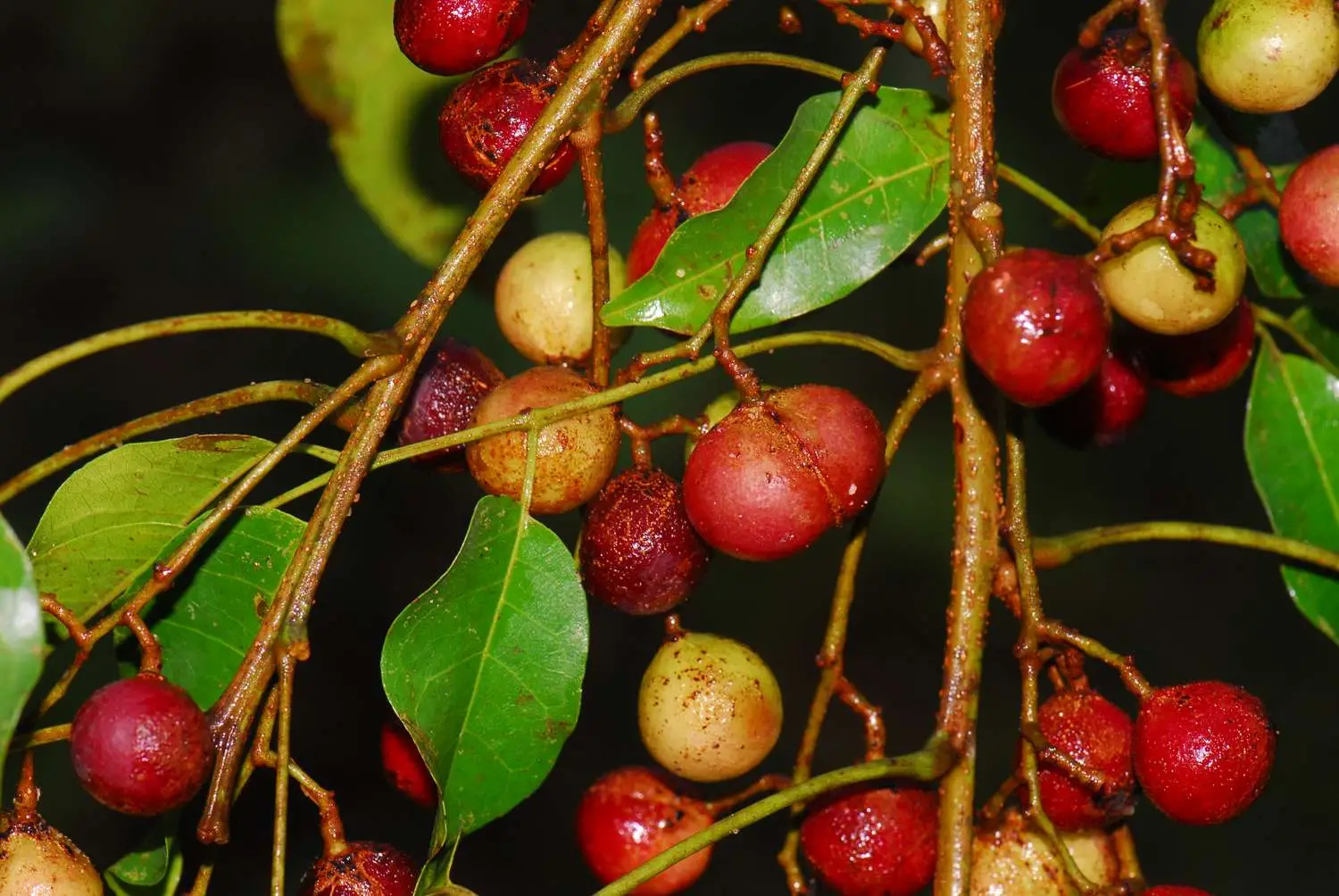
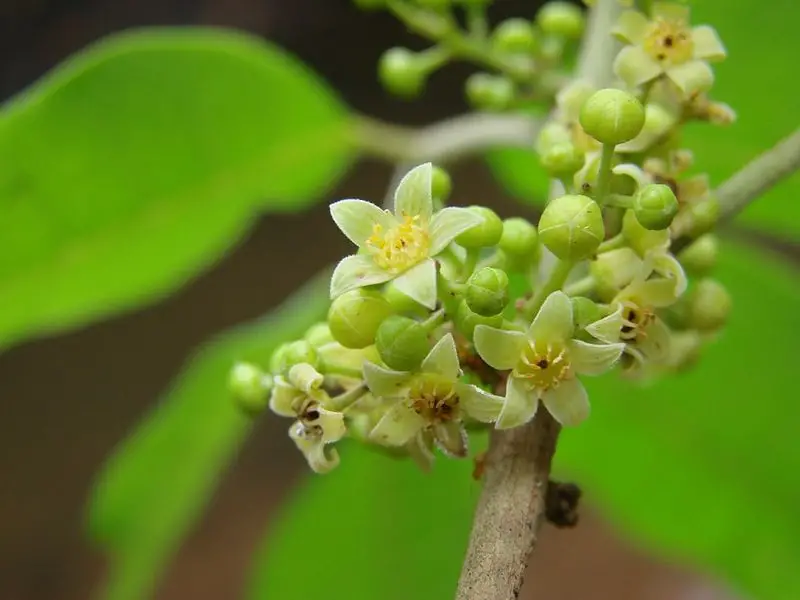
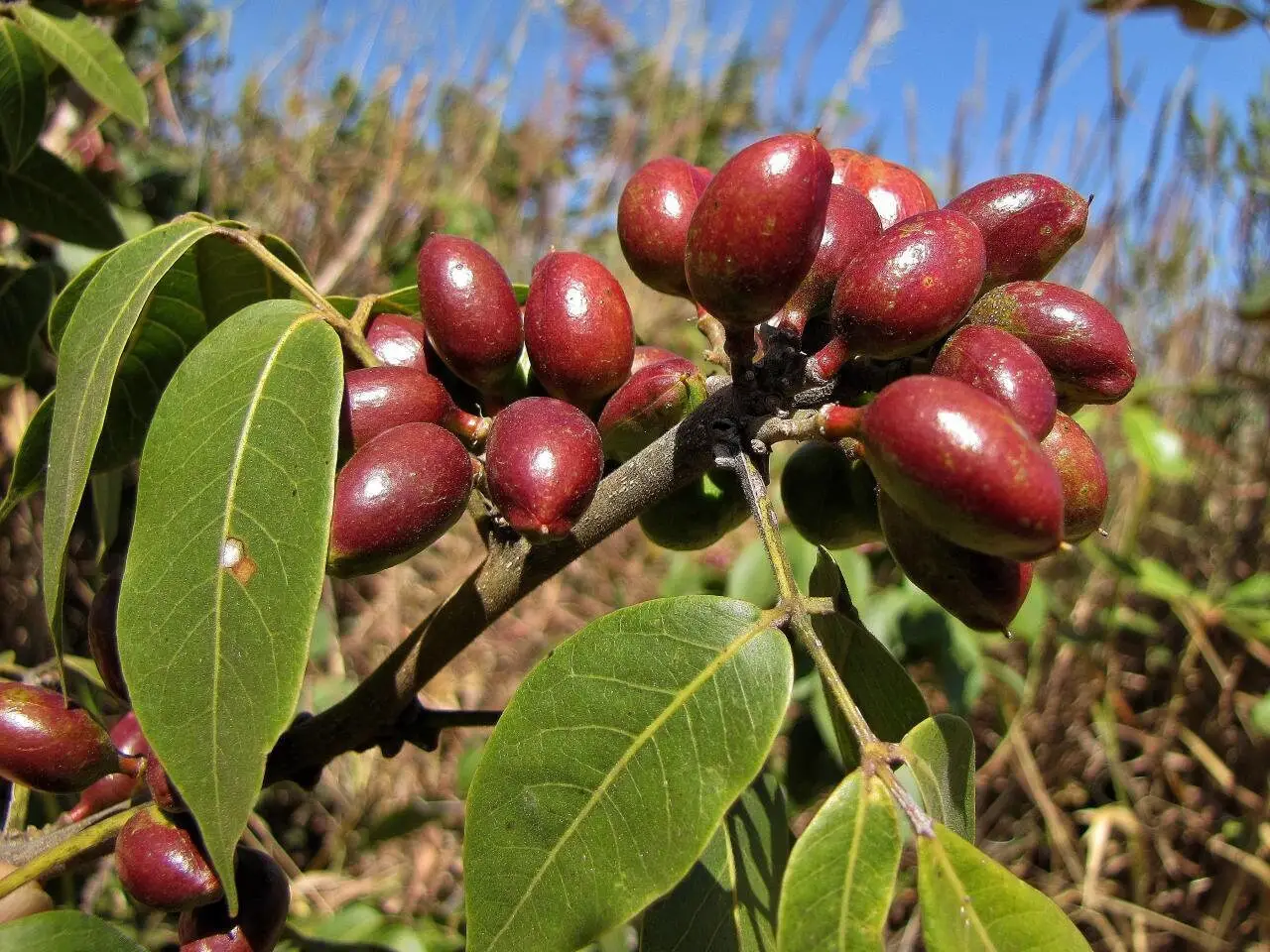
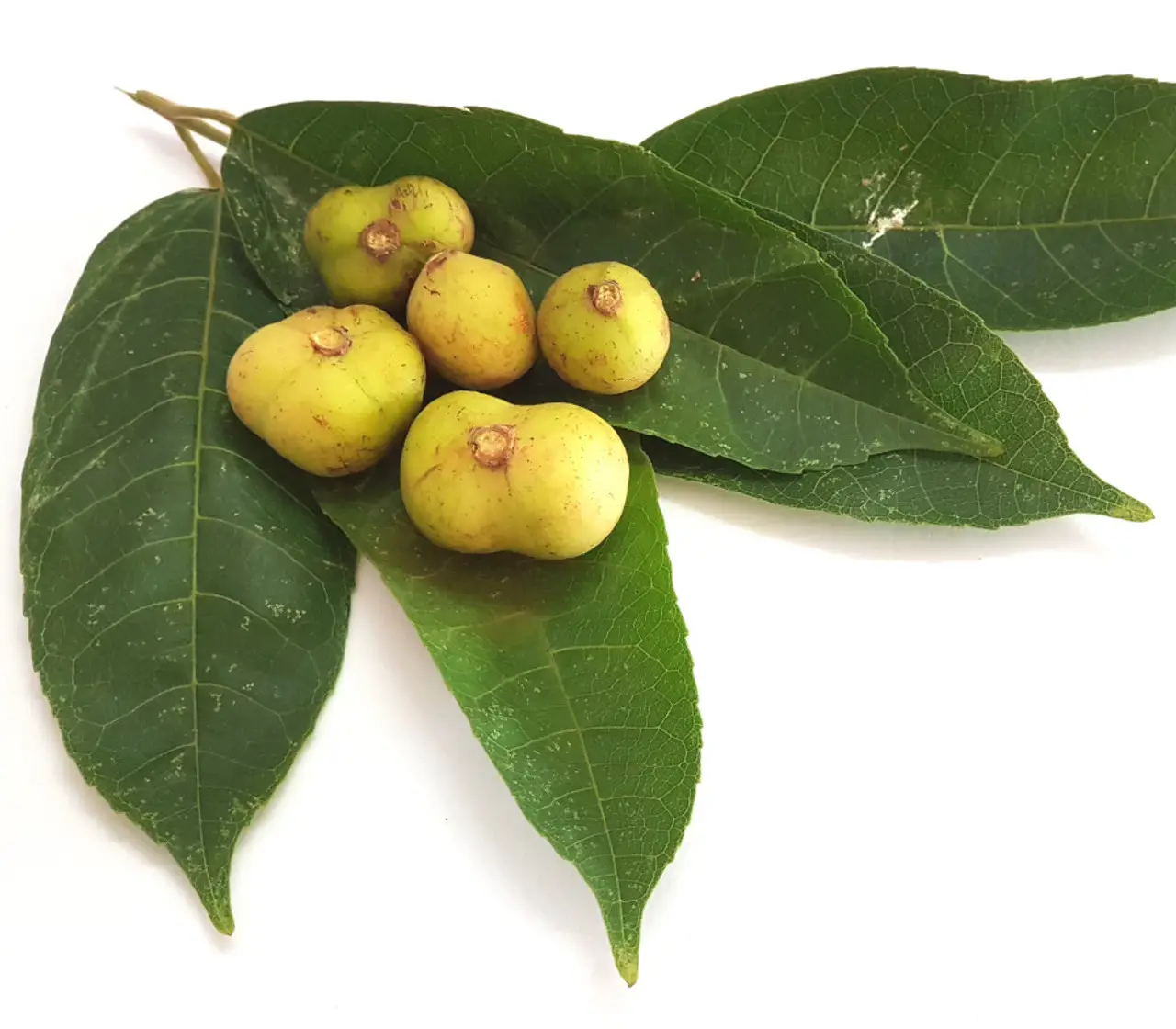
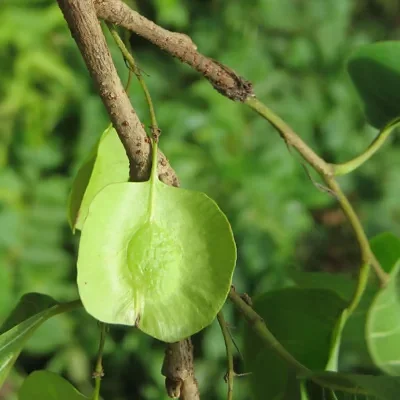
A large, dry deciduous tree with a spreading canopy of large, pinnate leaves and small flowers, followed by juicy, edible, dark red to black fruit about the size of a cherry. It is common in the mountainous forests of South Asia and is popular in cultivation.
Germination Guide
🌍 Indian Subcontinent, Southeast Asia (India, Bangladesh, Myanmar, Thailand, Cambodia, Laos, Vietnam, southern China)
Difficult
Protium serratum é uma árvore tropical de tamanho médio a grande, nativa do subcontinente indiano e sudeste asiático. Atinge até 30 metros de altura. É propagada naturalmente por sementes, mas apresenta baixa germinação e sobrevivência em condições naturais. As sementes possuem revestimento duro que requer tratamento pré-semeadura.
Germination
Germination time
Expect germination in
13 – 90 days
Temperature
Min 25°C
Ideal 27°C
Max 30°C
Substrate moisture
💧💧 High
Sowing depth
Lightly covered
Seed Pre-treatment
-
💧
Soaking — 24 hours
Imersão em água por cerca de 24 horas após escarificação para melhorar absorção de água
-
🔨
Chemical scarification
10% HCl para 3 minutos ou 10% H2SO4 para 3 minutos; sementes tem revestimento duro; escarificação química recomendada para melhor desempenho de germinação e crescimento de plântulas
-
📋
Additional notes
Tratamento sem pré-semeadura resultou em 30% de germinação; 10% HCl para 3 minutos resultou em melhor crescimento de plântulas; concentração de ácido e tempo de exposição são críticos
Substrate & Container
Recommended substrate
solo com esterco de vaca (3:1), mistura de plantio bem drenada, areia Sylhet
Recommended container
saco plástico, bandeja de sementes, saco plástico para efeito estufa
Growing Tips
Manter ambiente quente e consistentemente úmido para germinação ideal; usar bandeja de sementes ou saco plástico para criar efeito estufa; germinação tipicamente ocorre em poucas semanas a alguns meses; as mudas podem ser transplantadas após desenvolver vários conjuntos de folhas verdadeiras; espécie dioica - formas masculina e feminina são necessárias para produção de frutas e sementes
Only logged in customers who have purchased this product may leave a review.


Reviews
There are no reviews yet.