Description
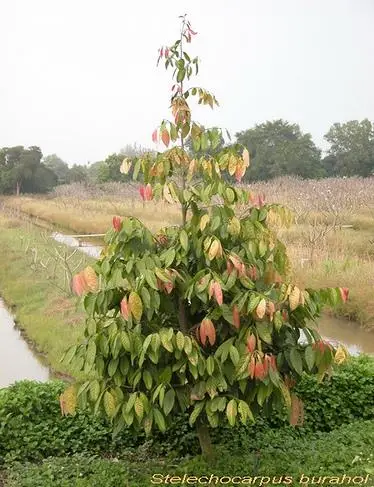
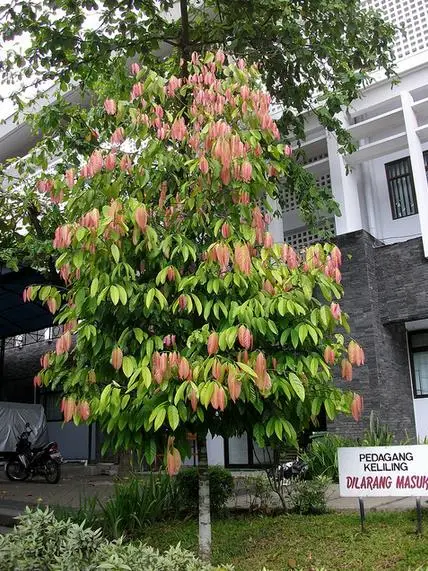
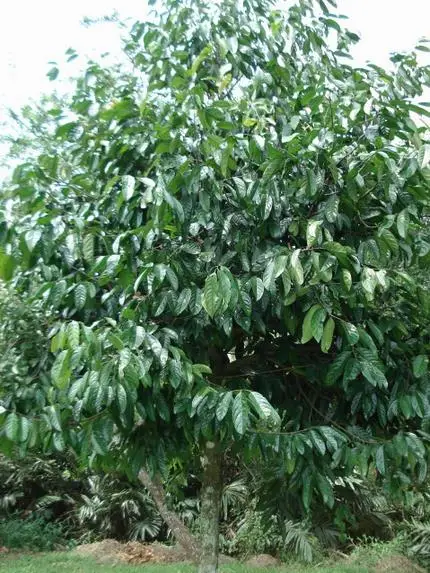
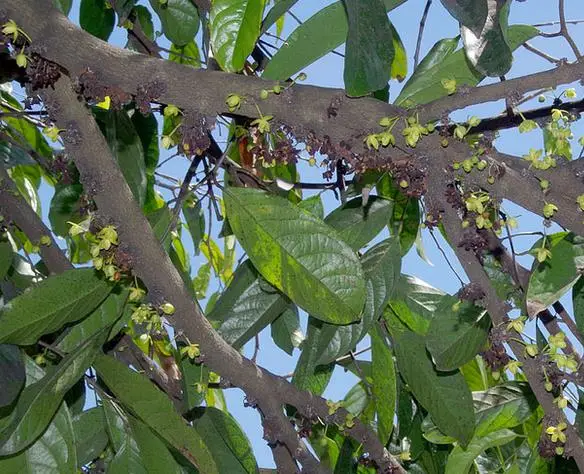
Stelechocarpus burahol is a rare and culturally significant tropical tree native to Java, Indonesia, traditionally associated with royal gardens. It is a slow-growing, evergreen species that can reach 10 to 20 meters in height, forming a dense, rounded canopy with glossy, dark green leaves.
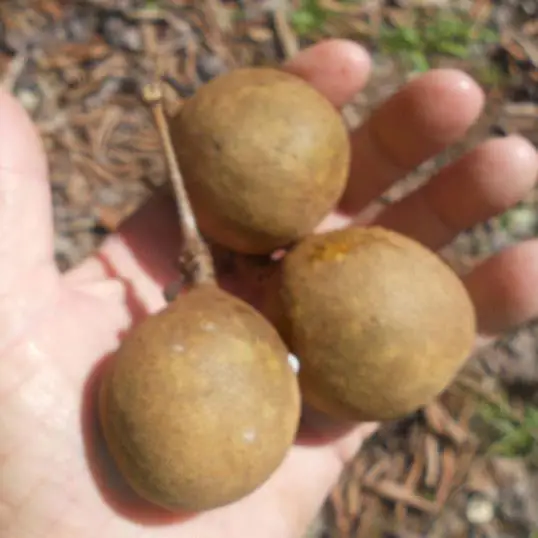
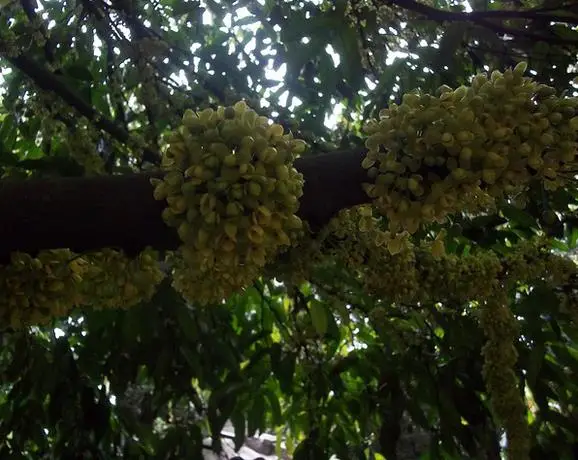
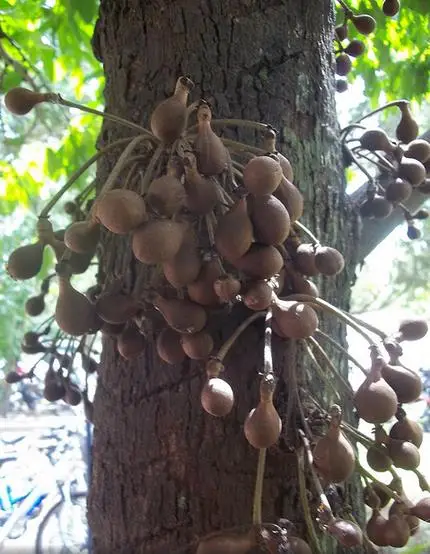
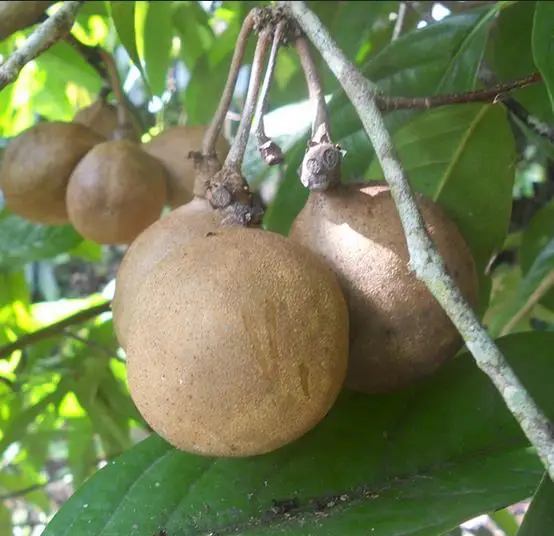
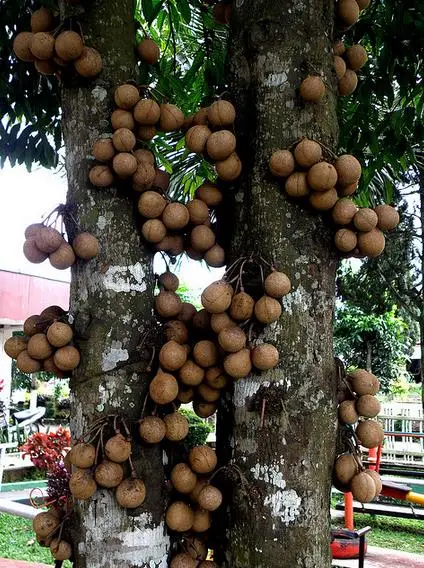
One of its most distinctive features is its cauliflorous fruiting habit, where small, brownish to yellow fruits develop directly on the trunk and main branches. The fruits are oval to round, with a soft, aromatic flesh that has a unique flavor often described as a blend of mango and mangosteen with earthy undertones. Historically, the fruit has been valued not only for consumption but also for its reputed fragrant properties.
The tree thrives in warm, humid tropical climates and prefers partial shade when young, transitioning to fuller sun as it matures. It grows best in deep, fertile, well-drained soil with consistent moisture and protection from strong winds. Due to its slow growth and rarity, it is often cultivated as a collector’s plant.
Germination Guide
🌍 Humid evergreen forests of Southeast Asia, native to Java, Sumatra, and Borneo, Indonesia
Difficult
Stelechocarpus burahol, commonly known as Kepel or Burahol, is a rare tropical fruit tree from the Annonaceae family native to the humid evergreen forests of Java, Indonesia, historically reserved for Javanese royalty. The species exhibits challenging hypogeal germination requiring deep root development before any visible leaf emergence, with the process typically taking 6-12 months or longer. Its distinctively aromatic fruit has made it culturally and botanically significant across Southeast Asia.
Germination
Germination time
Expect germination in
120 – 365 days
Temperature
Min 20°C
Ideal 26°C
Max 30°C
Substrate moisture
💧💧 High
Sowing depth
Lightly covered
Seed Pre-treatment
-
💧
Soaking — 24 hours
Immerse seeds in warm water for 24 to 48 hours, changing water every 24 hours
-
🔨
Mechanical scarification
Seeds should be mechanically scarified before sowing to enhance germination, though germination may still take several months
-
📋
Additional notes
Seeds should be extracted from mature fruits and cleaned by washing, then dried under shade before scarification and soaking. Sow seeds as soon as possible after extraction to ensure maximum viability
Substrate & Container
Recommended substrate
Light, porous, pathogen-free substrate rich in organic matter; peat with perlite or potting mix recommended
Recommended container
Deep pots minimum 40 cm tall with drainage holes to accommodate deep taproot development
Growing Tips
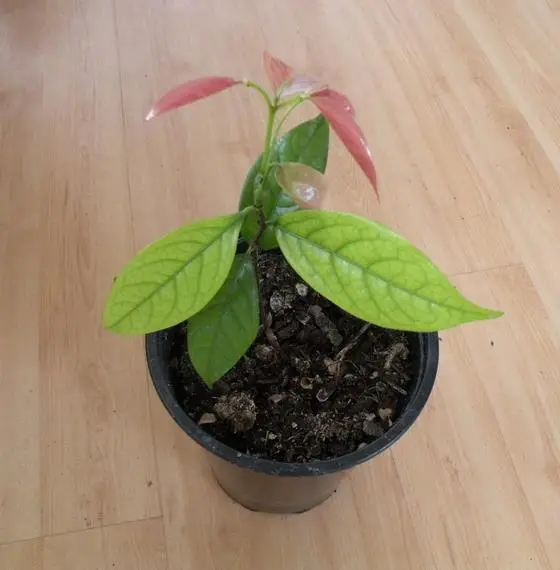
Use deep containers (minimum 40 cm) to accommodate the swollen taproot and ensure drainage. Maintain constant temperature of 26-30°C and high humidity using a transparent pot lid; open lid every 48 hours for air exchange. Use filtered light or fluorescent lighting; avoid direct sunlight. Sow seeds immediately after extraction from mature fruit for highest viability. Expect no visible leaf emergence for 6 months or more; continued moisture and warmth are essential. Keep substrate consistently moist but not waterlogged. At the 3-5-leaf stage, carefully pot up seedlings into fresh substrate. Transplant seedlings when reaching 30-40 cm height. Provide protection from frost and strong winds. Young seedlings benefit from partial shade and high humidity (above 70%) until well established.
Only logged in customers who have purchased this product may leave a review.

Reviews
There are no reviews yet.