FREE SHIPPING OVER €30 FREE SHIPPING OVER €30

Artemisia dracunculus — Russian Tarragon | Pure Anise Magic, Easy from Seed

Unlock the kitchen secrets of master chefs: grow your own Russian Tarragon from seed and discover a subtly elegant anise-licorice flavor that elevates fish, chicken, eggs, and sauces to restaurant quality. Unlike finicky French Tarragon (which won’t grow from seed), this hardy perennial germinates reliably and rewards even beginner gardeners.
Fresh leaves transform béarnaise, vinegars, and fine herbes blends with a warm, sophisticated edge. Hardy, drou

3.32

SKU: P-2206 Categories: , , Tags: , , ,

You May Also Like

Description

Imagine harvesting your own tarragon leaves—that elegant, secret-ingredient herb whispered about in French culinary circles—right from your garden, year after year, with almost no fuss.

The Dragon’s Secret: Where Elegance Meets Accessibility

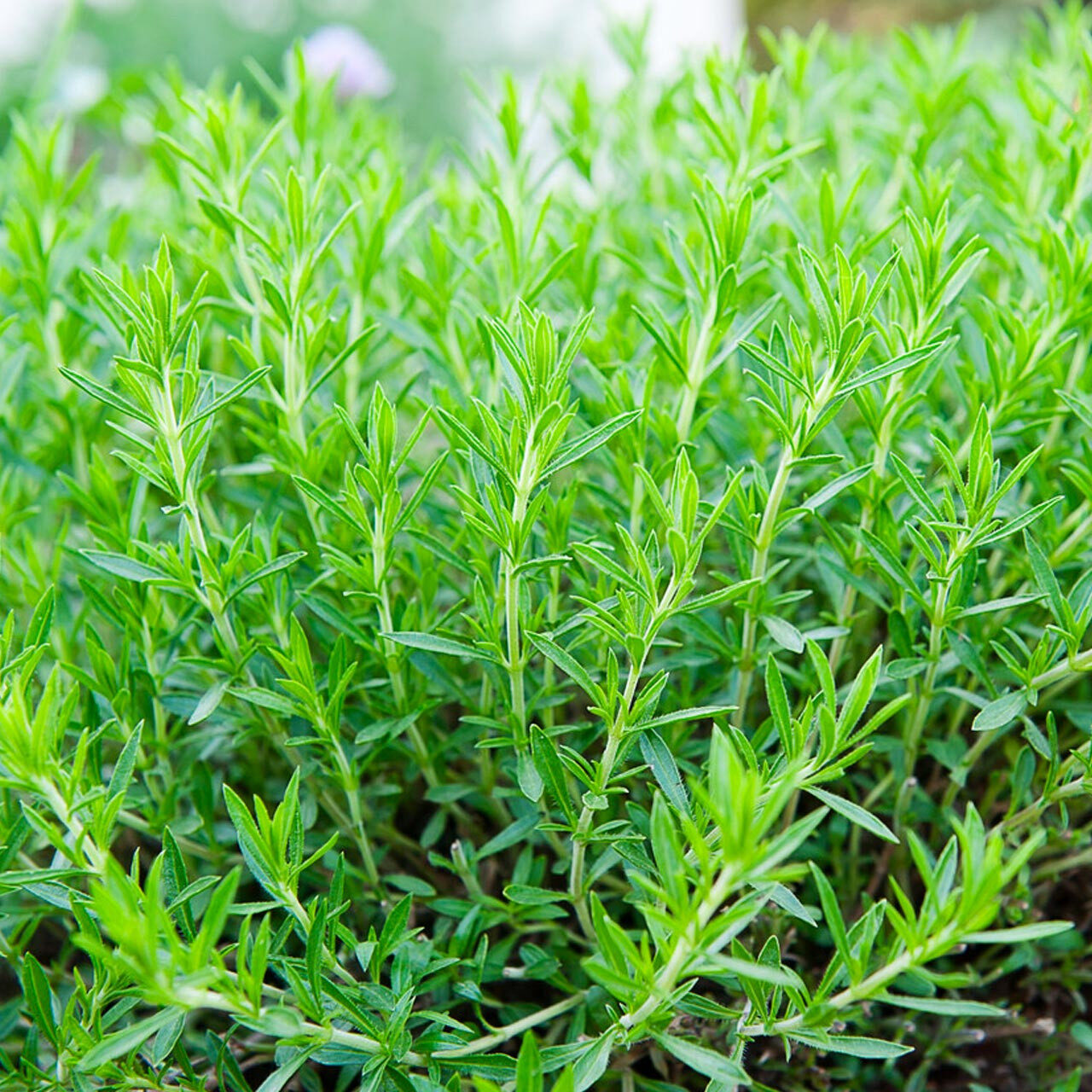
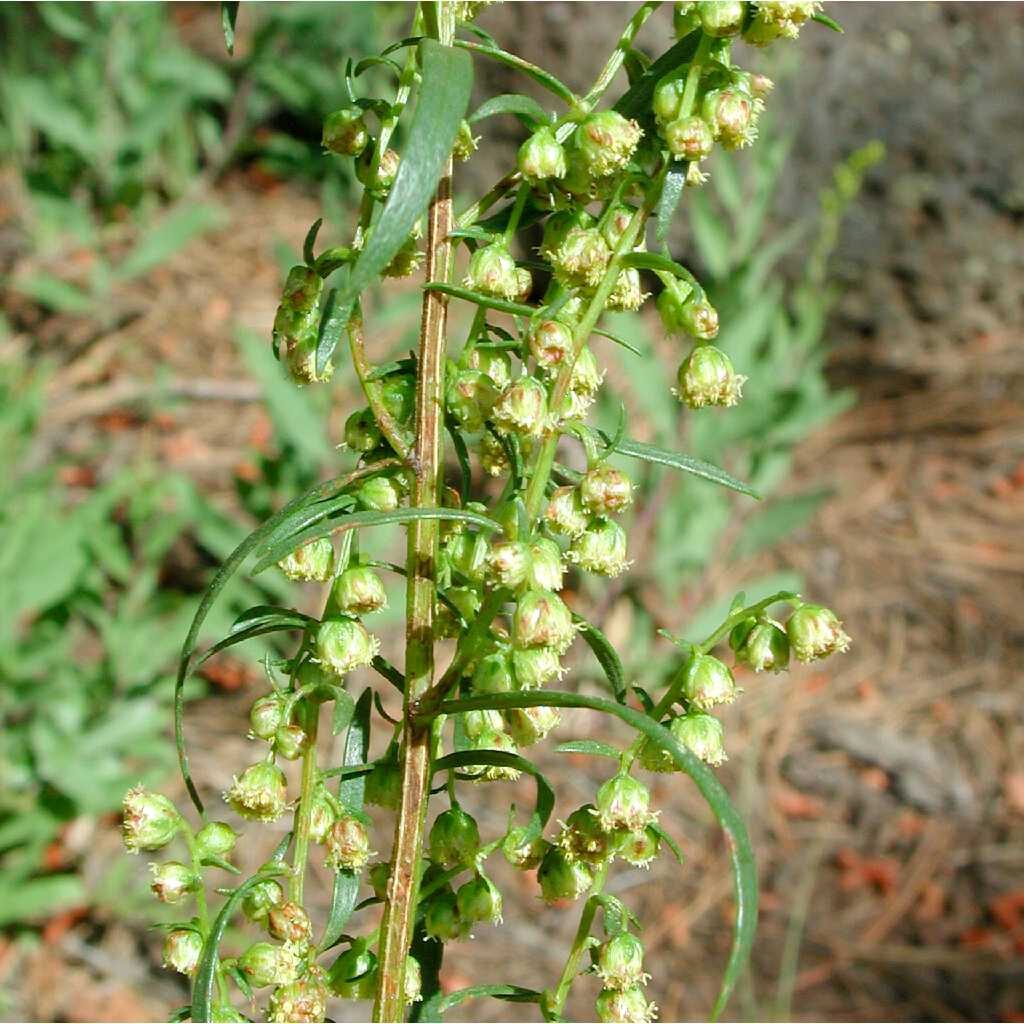
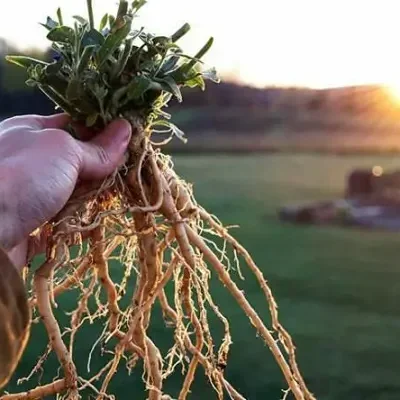
Russian Tarragon is native to Central Asia and Siberia, born in harsh landscapes that forged its remarkable hardiness. It grows up to 90-120 cm in height with narrow, lance-shaped leaves that are dark green and can grow up to 10 cm in length, creating an upright, almost architectural presence in your garden. The name itself—Artemisia *dracunculus*—comes from an ancient legend: the latin name means ‘little dragon,’ mainly due to the spiny root structure of the plant. Medieval gardeners believed it could ward off serpents. Today, it still casts a spell, but a far more delicious one.

The Culinary Transformation: Why Your Kitchen Needs This Herb

Here’s what separates Russian Tarragon from mere ornamental greenery: the leaves have a mild anise or licorice-like flavor and are used as a flavoring herb in a variety of dishes, including salads, soups, sauces, dressings, and marinades. But its true power emerges in French haute cuisine. Tarragon plays a significant role in French cuisine, where it is one of the four fines herbes, along with chervil, chives, and parsley. Its leaves are used fresh or dried to flavor various dishes, including sauces, vinegars, and marinades. The herb is particularly well-suited for chicken, fish, and egg dishes. That legendary béarnaise sauce? Tarragon is its beating heart. Tarragon has been used in traditional medicine to treat fever, gastric ailments, ulcers, intestinal cramps, menstrual problems, toothache, loss of appetite, indigestion, and allergic rashes, revealing medicinal dimensions that extend far beyond the dinner plate. A single sprig transforms scrambled eggs into an elegant morning ritual; a handful perfumes vinegars that last through winter, delivering summer’s essence to spring salads.

Why Russian Over French? The Growing Advantage

Here’s the gardener’s truth: Russian tarragon can be easily grown from seed, which makes it much more accessible, and it’s also much more adaptable to variable soil conditions and climate. French Tarragon, for all its culinary glory, seldom produces any flowers or seeds, forcing you into costly plant purchases and fragile propagation work. Not so with Russian Tarragon. It’s extremely forgiving, grows easily from seed, tolerates poor soil and drought once established, has few pest or disease problems, and returns reliably each year. It’s much easier to grow than French Tarragon and requires minimal maintenance. Russian tarragon produces a taller plant that reaches 2-4 feet tall, providing an abundance of leaves to grow—a generous harvest rewarding your patience.

How to Grow It: Simplicity Itself

Prepare a well-draining soil mixture in pots 6-8 weeks before the last spring frost, or sow seeds directly in your garden bed after the last frost. While Russian tarragon isn’t very picky, it appreciates good drainage to prevent root rot. Just barely cover the seeds with soil, spacing them about 18 inches apart. Germination takes 2-3 weeks. Once seedlings emerge, although Russian Tarragon can handle cooler temperatures better than its French counterpart, it thrives best in warmer conditions, ideally between 60 and 75°F. While it doesn’t need direct sunlight all day, a spot with at least 6 hours of sunlight will help your tarragon plants flourish. These drought-tolerant p

Germination Guide

🌍 Temperate Europe, Asia, and North America
Moderate

Artemisia dracunculus, commonly known as tarragon or dragon's wort, is a perennial aromatic herb native to temperate regions of Europe, Asia, and North America. This species exhibits variable seed viability depending on variety (Russian tarragon germinates readily from seed, while French tarragon rarely produces viable seeds). Seeds require light for germination and prefer warm, consistently moist conditions for successful establishment.

Germination
Germination time
Expect germination in

7 – 14 days

Temperature

Min 15°C
Ideal 21°C
Max 25°C

Light
☀️ Light required

Substrate moisture
💧 Medium

Sowing depth
Lightly covered

Press seed
👆 Yes

Germination rate
65 %


Seed Pre-treatment
  • 💧

    Soaking — 24 hours
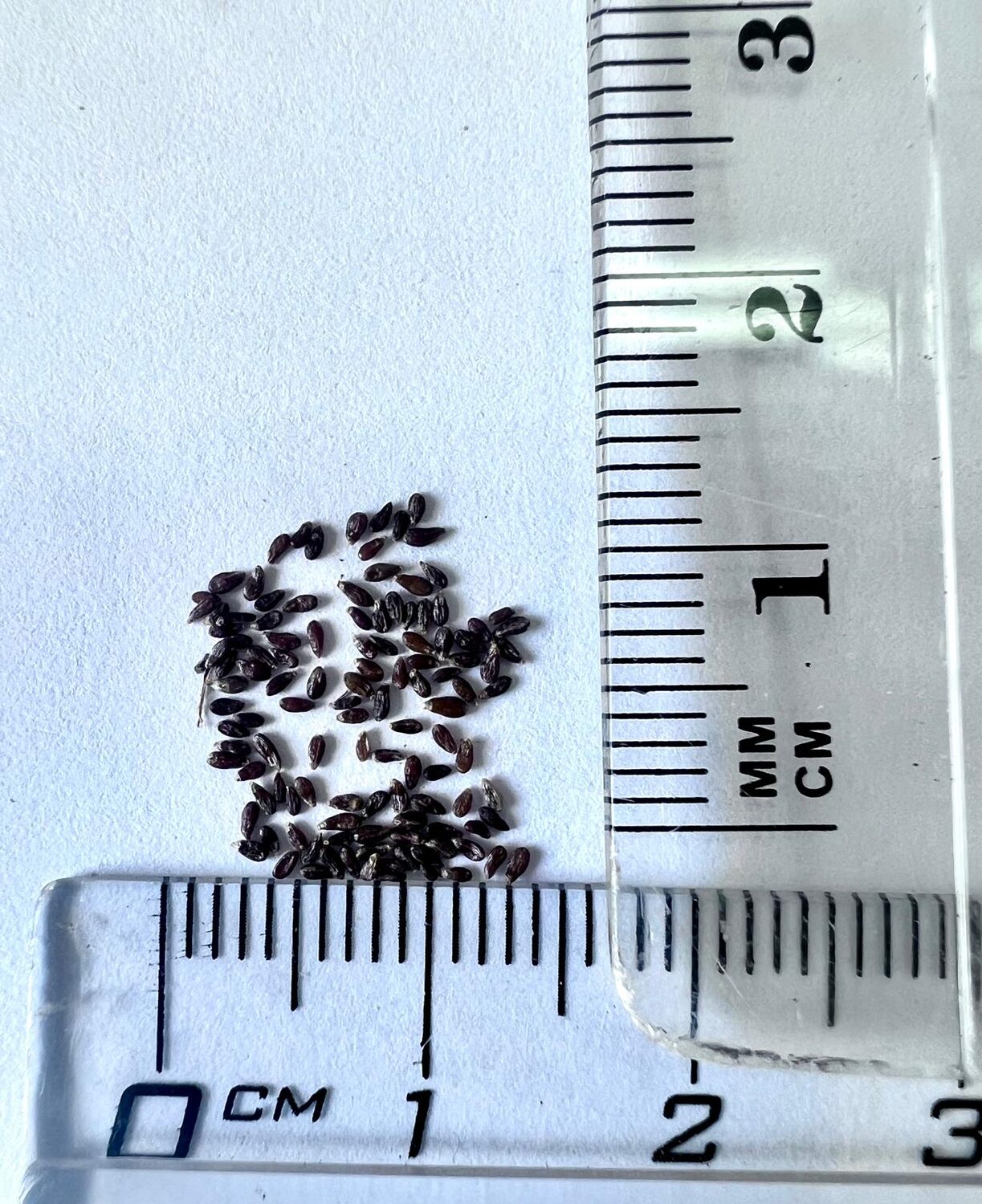
    Soaking in warm water for 24 hours helps break the tough seed coat
  • 🔨

    Mechanical scarification
    Gentle scarification with sandpaper or soaking in warm water for 24 hours can improve germination rates due to seed's tough coat
  • ❄️


    Warm then cold stratification — 14 days at 20°C
  • 📋

    Additional notes
    Light is required for germination; do not cover seeds completely. Surface sow and press lightly into soil.

Substrate & Container
Recommended substrate
Seed starting mix, loamy, well-draining, pH 6.5-7.5

Recommended container
Seed trays, pots with drainage holes, propagator or covered containers to retain moisture


Growing Tips
Surface sow seeds on moist seed-starting mix and press lightly—do not cover. Light is essential for germination. Maintain warm temperatures (65-75°F/18-24°C) and keep soil consistently moist but not waterlogged. Germination typically occurs in 7-14 days. Provide indirect light or grow lights initially; direct intense sunlight can scorch delicate seedlings. Once seedlings develop two sets of true leaves, harden off gradually before transplanting outdoors after last frost. Space plants 12-24 inches apart in well-draining soil. Note: French tarragon variety rarely produces viable seeds and should be propagated from cuttings or division.

Reviews

There are no reviews yet.

Only logged in customers who have purchased this product may leave a review.

Related Products