
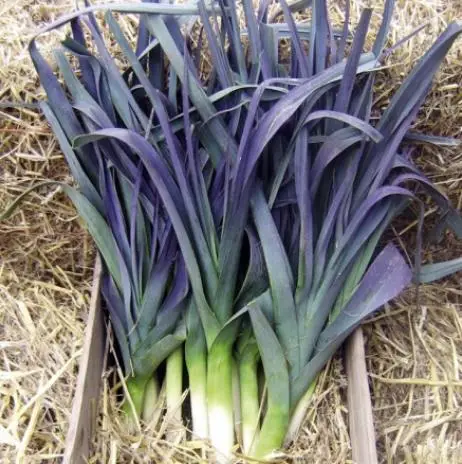
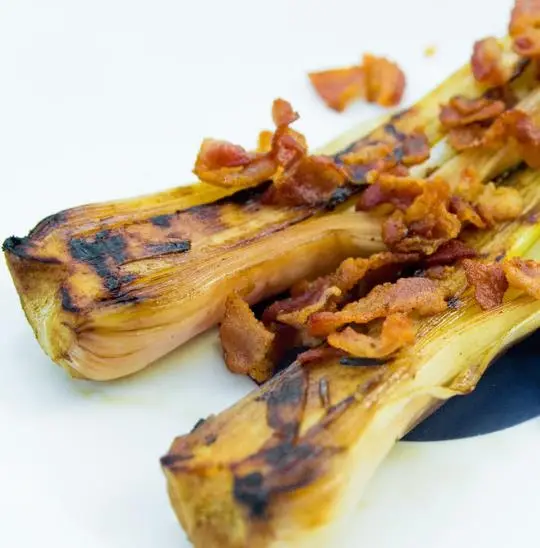



Discover the legendary French winter leek with violet-tinged foliage and exceptional flavor. This variety is very resistant to cold and frost for autumn and winter harvest, offering excellent flavor and very productive yields. Widely used in gourmet cuisine and appreciated by nouvelle cuisine lovers, it thrives from seed with straightforward cultivation. Harvest tender white shafts for soups, gratins,
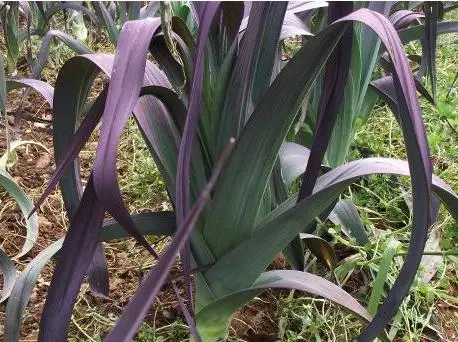
A beautiful French winter variety with green foliage that turns to deep blue-violet as cold increases—an eye-catcher in the garden. This is not just another leek. It is a heritage vegetable rescued from near-extinction, an improved variety of the famous ‘Solaize blue’, and it carries the weight of culinary history.
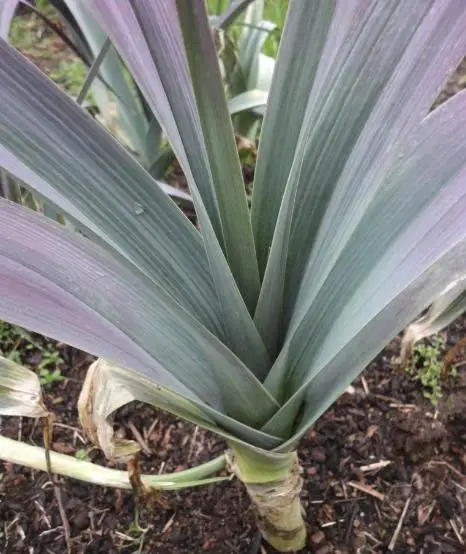
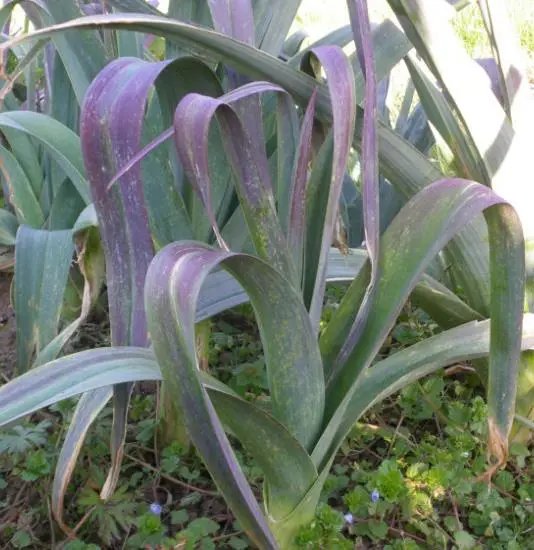
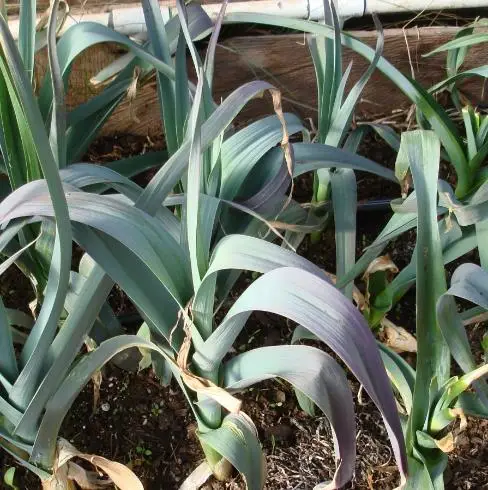
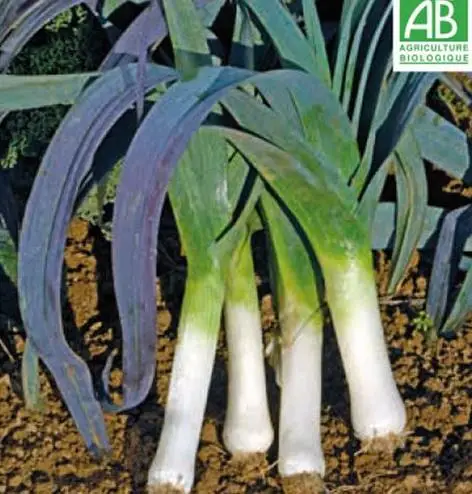
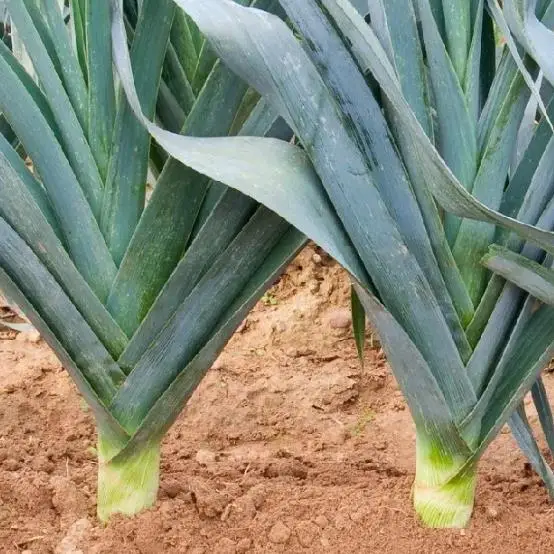
Leeks have been known since antiquity. In the bible it is mentioned the lack that leek made to the Jewish people during the crossing of the desert, already at that time its medicinal properties in the treatment of the respiratory system were known. But St. Victor d’Hiver earned its place in European kitchen gardens through sheer excellence. Short at its root end, it produces fairly short but quite thick stalks, recognized by its purplish-green foliage—the violet colour appears with the cold. This isn’t ornament for ornament’s sake; the color deepens as temperatures drop, signaling peak flavor and nutritional density.
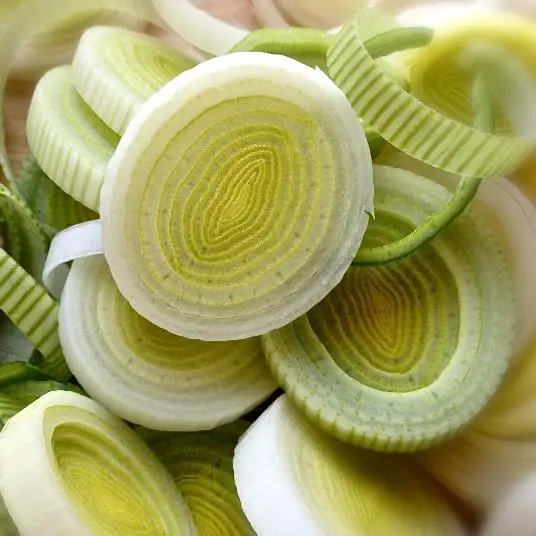
Here is where St. Victor d’Hiver becomes irresistible to serious growers and cooks: it is a culinary vegetable of genuine distinction. Leeks have the same medicinal virtues as garlic, but with a milder flavor and aroma, widely used in gourmet cuisine. This winter leek is very resistant to cold, freezing and worms, producing quite thick stalks recognized by its purplish-green foliage. Unlike modern hybrids bred for size alone and stripped of flavor, St. Victor was selected for taste. Its flesh is very tasty and suitable for all culinary variations. Use it in stews, hot soups like the ‘bonne femme’ or Parisian soup, in gratins or quiches. Its flavour is halfway between that of an onion and an asparagus, which has led to one of its nicknames, the ‘poor man’s asparagus’. The white shaft becomes tender and elegant when blanched; the green leaves flavor stocks and vinaigrettes. It contains vitamin a, c and b complex, iron, phosphorus, potassium, calcium and the functional substance called alysin which has anti-inflammatory action and collaborates with the good work of the immune system.
Growing St. Victor d’Hiver from seed is refreshingly straightforward. Its cultivation is easier than that of the onion, being able to be kept in the soil and making it possible to harvest an always fresh vegetable. Sow from March to May directly or under cover; transplant seedlings when they reach pencil thickness. Plant leeks in well-drained, sunny soil that is rich in organic matter, spacing plants about twenty centimetres apart to encourage their development. Leeks are more cold-tolerant than other cultivated Allium species and can be produced year-round in Europe, tolerating standing in the field for an extended harvest. Some winter varieties can withstand temperatures to -15 (-4°F). This means you harvest fresh leeks when other gardens lie frozen. Resistant to leek worm, it demands far less pest management than common varieties. Keep soil consistently moist, especially in establishment. Earth up the stems as they grow to blanch the tender white shaft—an ancient technique that transforms texture and mildness.
Grow St. Victor d’Hiver from seed and you reclaim a piece of European vegetable heritage. You transform winter from a season of scarcity into one of abundance. You’ll taste the difference—that subtle sweetness, that refined leek flavor unburdened by the harshness of modern breeding. From seed to table, this is a vegetable that rewards attention with unforgettable flavor. Plant it now for autumn and winter harvests that will make you wonder why you ever grew anything else.
Only logged in customers who have purchased this product may leave a review.
Reviews
There are no reviews yet.