FREE SHIPPING OVER €30 FREE SHIPPING OVER €30

Coffea arabica ‘Obatã’ — Premium Rust-Resistant Arabica | Grow Your Own Specialty Coffee

Grow the Brazilian cultivar that coffee professionals crave: Obatã delivers rust-resistant hardiness, stunning white flowers, and exceptional cup quality with balanced flavor notes of citrus, chocolate, and dark fruit. This compact, high-yielding plant thrives where others fail—perfect for home growers seeking both beauty and a remarkable harvest. Moderate difficulty, extraordinary rewards.

2.98

SKU: P-2359 Category: Tag:

You May Also Like

Description

There exists a coffee plant that whispers revolution—a cultivar born from decades of Brazilian breeding science that finally marries the grower’s dream with the drinker’s desire.

Coffea arabica ‘Obatã’ originated from a deliberate cross between Timor Hybrid (renowned for disease resistance) and Villa Sarchi (prized for cup quality), refined through rigorous selection at the Instituto Agronomico de Campinas and officially released in 2000. This is not a lucky accident; this is coffee breeding perfected. What makes Obatã legendary among coffee professionals is that it refuses to choose between yield and flavor. Where most rust-resistant varieties compromise on taste, Obatã stands apart—a bridge between the farmer’s need for productivity and the specialty coffee lover’s demand for complexity.

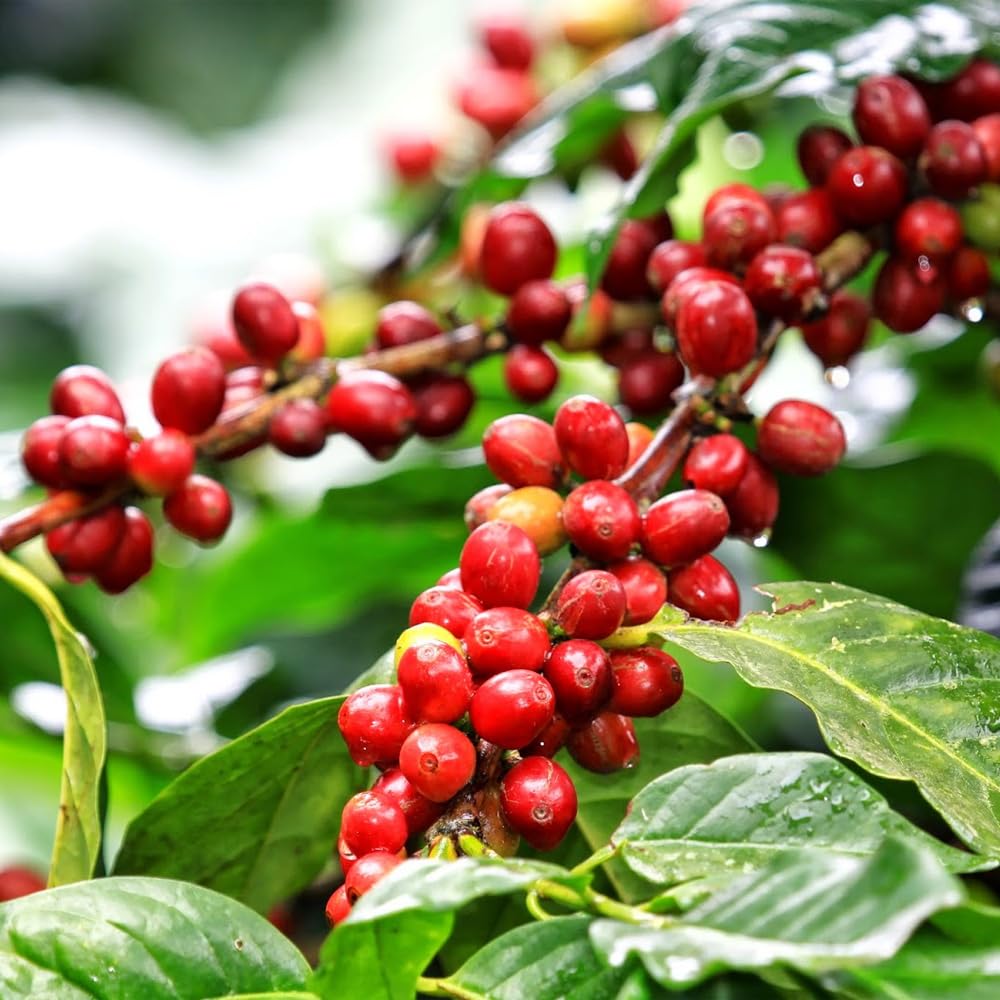
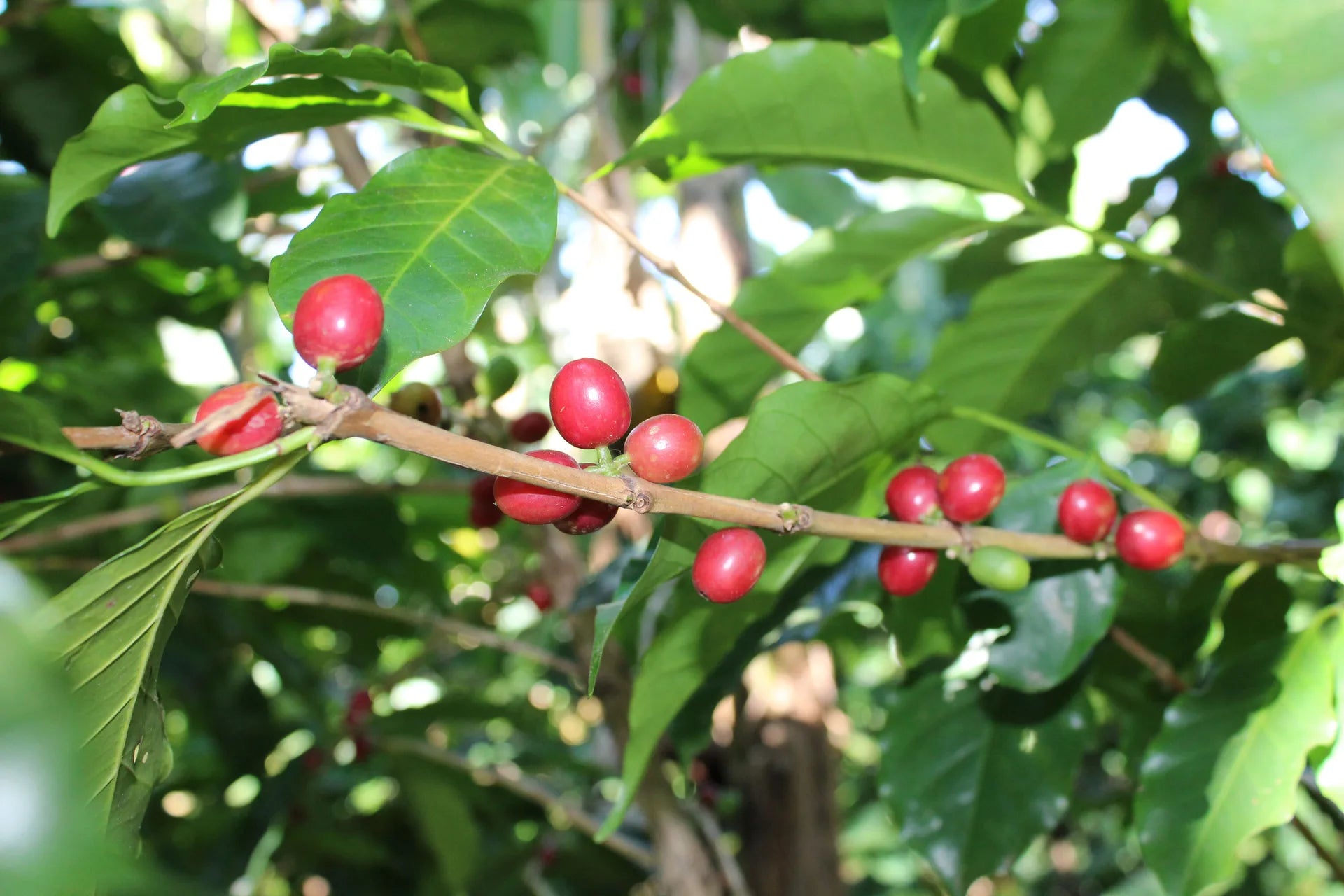
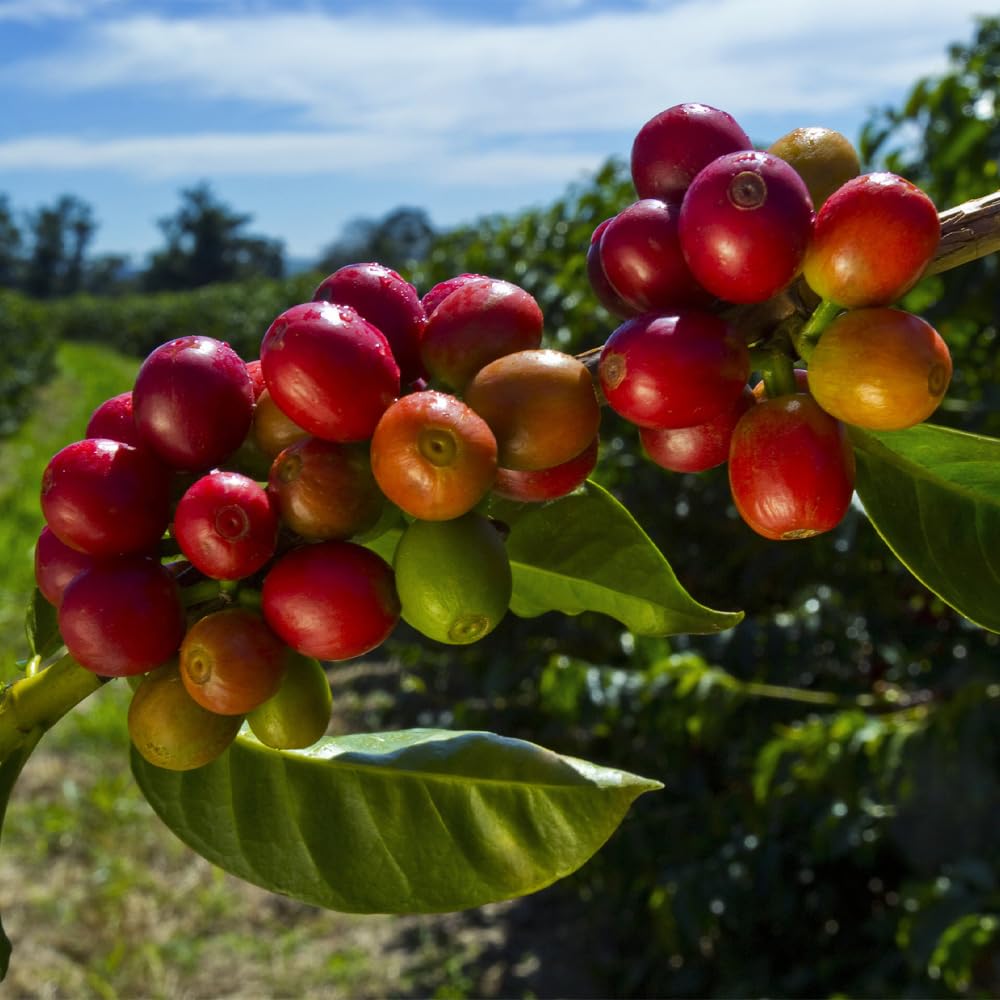
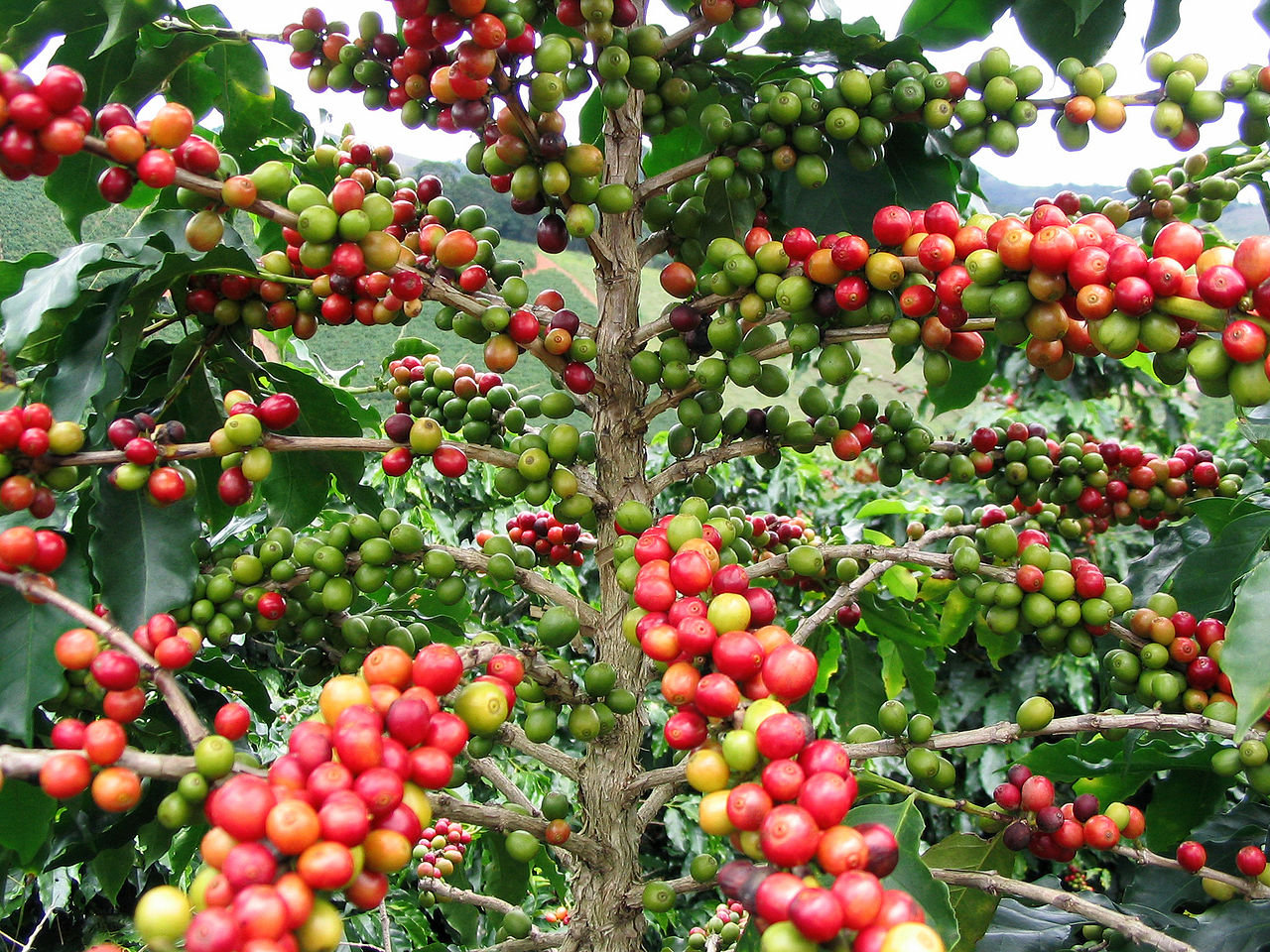
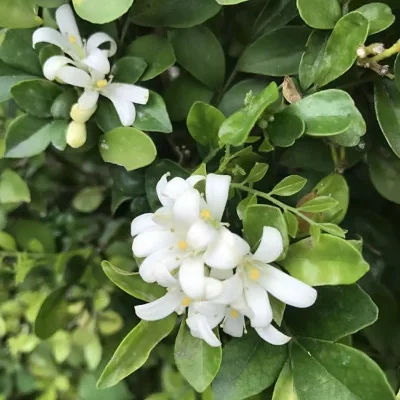
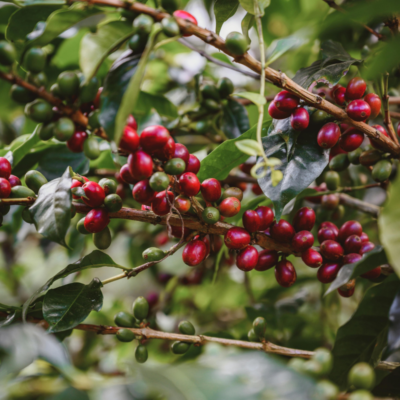
The true magic of Obatã lives in what it produces: beans of exceptional quality. Scientific evaluation places Obatã in the highest tier of specialty coffee cultivars, scoring consistently in the 85–89 range on the international quality scale—the domain of genuine, excellent coffee. When you roast these beans, you unlock a balanced flavor profile that swings elegantly between citrus brightness and chocolate depth, with dried-fruit undertones and nutty character that lingers long after the cup empties. This isn’t industrial coffee pretending to be special; this is genuinely special coffee that also happens to be practical. Growers love it because it produces abundantly; coffee enthusiasts love it because the cup is honest, complex, and genuinely delicious. The plant itself wears its excellence visibly: large, golden-yellow cherries ripen steadily from medium to late season, and fragrant white flowers announce each new generation of fruit. You’re not just growing a plant; you’re stewarding a living gateway to premium coffee—one that resists the leaf rust that devastates less fortunate varieties and adapts happily to various elevations and climates.

Cultivating Obatã is a rewarding journey rather than a trial. The plant reaches a comfortable 1.8–2.4 meters in mature height with a naturally bushy, branching structure that needs no architectural intervention. Its glossy, deep-green elliptical leaves create a lustrous canopy that serves as a living sculpture in any space. Provide bright, indirect light or dappled sunlight (it thrives in partial shade—mimicking its native understory origins). Water consistently but allow soil to dry slightly between waterings; well-draining, slightly acidic soil is essential. Temperature ideally stays between 15–24°C (60–75°F), though Obatã shows resilience to brief cooler spells. In subtropical or tropical climates, or under controlled conditions indoors with supplemental light, this cultivar rewards patient growers with genuine harvests. Container cultivation is entirely viable for home growers; a large pot (20+ liters) ensures deep rooting. The real triumph: Obatã’s robust resistance to coffee leaf rust and general hardiness means you spend less energy fighting disease and more time enjoying a vigorous, beautiful plant that actually produces the beans you crave.

Imagine opening your kitchen window, inhaling the intoxicating perfume of coffee flowers in bloom, tending a plant that connects you to centuries of coffee culture—all while knowing that when harvest comes, your beans will rival anything shipped from Brazil’s finest estates. Growing Coffea arabica ‘Obatã’ from seed transforms you from a passive coffee consumer into an active participant in one of humanity’s greatest agricultural stories. This is coffee as it should be: beautiful, productive, resilient, and genuinely delicious. Start your seeds today and meet the cultivar that changed specialty coffee forever.

Germination Guide

🌍 Ethiopia
Moderate

Coffea arabica 'Obatã' is a premium arabica coffee cultivar known for quality bean production. Seeds require extended germination periods of 30-70 days and demand consistent moisture, warm temperatures (20-25°C), and high humidity to successfully develop. This variety exhibits moderate germination difficulty due to the slow, lengthy germination process characteristic of coffee seeds.

Germination
Germination time
Expect germination in

30 – 70 days

Temperature

Min 20°C
Ideal 23°C
Max 25°C

Light
☁️ Indifferent

Substrate moisture
💧 Medium

Sowing depth
Lightly covered

Press seed
👆 Yes

Germination rate
85 %


Seed Pre-treatment
  • 💧

    Soaking — 48 hours
    Soak seeds for 48 hours before sowing to soften seed coat and speed germination
  • 📋

    Additional notes
    Use fresh seeds; viability drops significantly after 3 months unless stored at low temperature and high humidity. Seeds must maintain moisture content above 15% to remain viable.

Substrate & Container
Recommended substrate
Well-draining sandy loam with humus; 50% forest soil and 50% river sand mixture recommended

Recommended container
Seedbed, nursery tray, or individual pots with drainage holes; humidity dome recommended


Growing Tips
Soak seeds for 48 hours before sowing to accelerate germination. Keep substrate consistently moist but never waterlogged to prevent damping-off disease. Maintain humidity with a dome or plastic cover; remove it gradually after sprouting. Germinate seeds in darkness or under filtered light, maintaining temperature between 20-25°C. Use fresh seeds harvested within 3 months for best results. Place seeds flat-side down in substrate, lightly covered. Do not let soil dry out during germination phase. Radicle emergence begins around 3-4 weeks; cotyledon leaves appear at 4-6 weeks. Once seedlings emerge, gradually transition to bright indirect light.

Reviews

There are no reviews yet.

Only logged in customers who have purchased this product may leave a review.

Related Products