Description
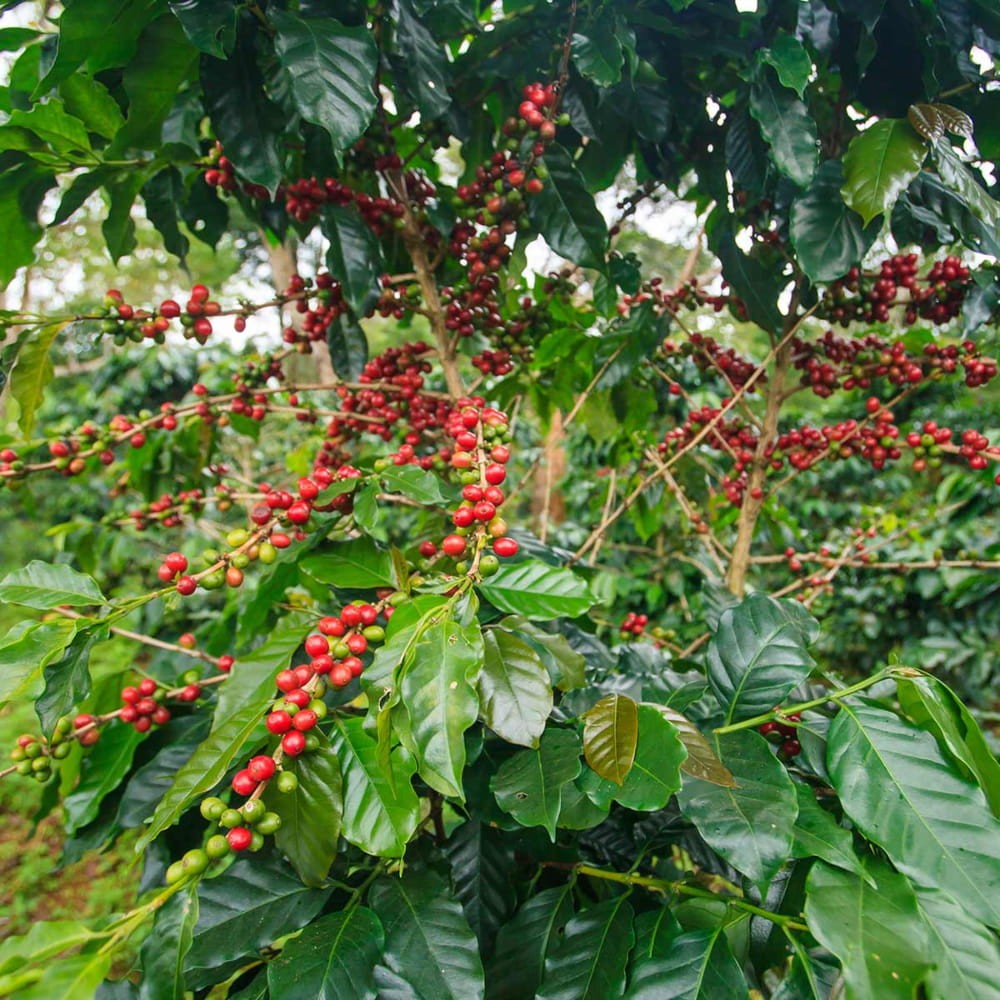
Coffea arabica ‘Himalaya’ is a distinctive Arabica coffee selection traditionally associated with cultivation in the Himalayan regions, valued for its adaptability to cooler highland conditions and its balanced cup quality. It forms an evergreen shrub or small tree, typically reaching 2 to 4 meters in height, with an open to moderately dense branching habit and glossy, dark green leaves.
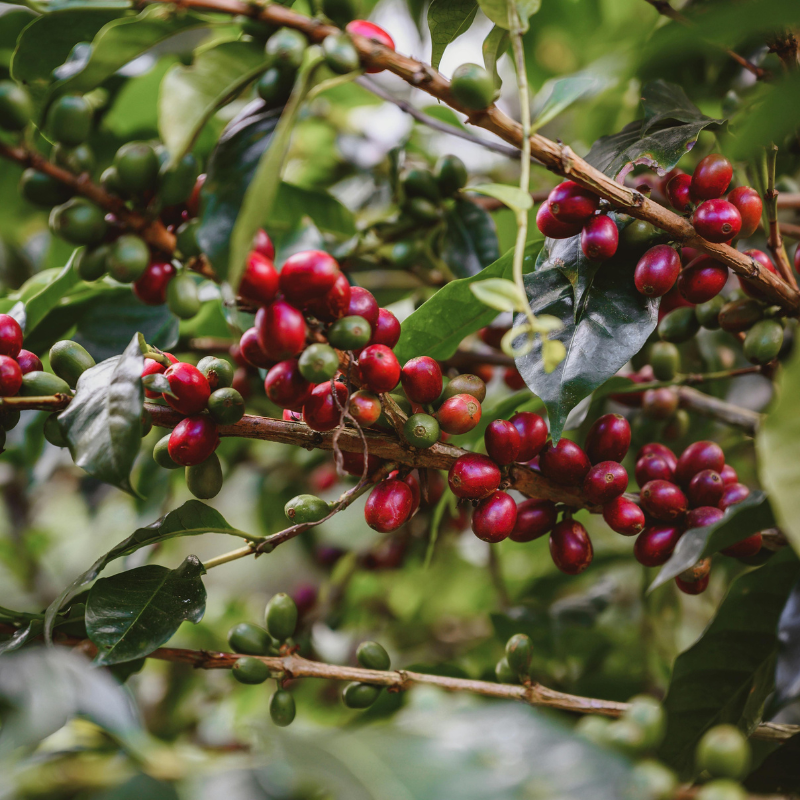
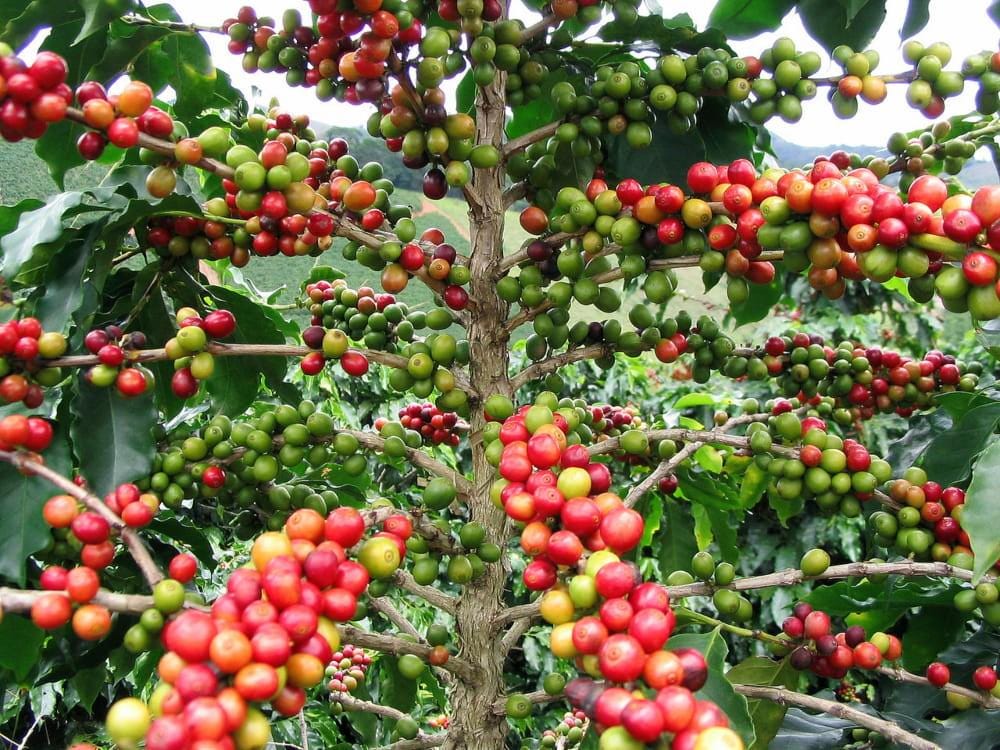
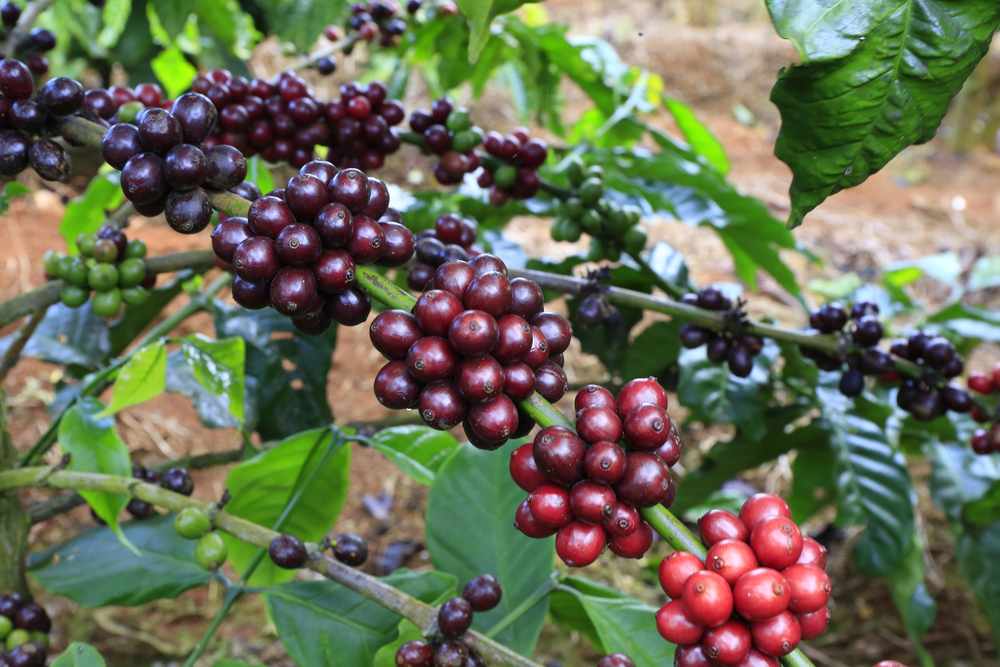
The plant produces clusters of small, fragrant white flowers, followed by green berries that ripen to red when mature. Each fruit contains two seeds, the coffee beans, which are appreciated for their smooth, mild flavor profile with gentle acidity and subtle aromatic complexity. This selection is often favored in regions where cooler temperatures and elevation influence slower fruit development and nuanced flavor.
Coffea arabica ‘Himalaya’ thrives in mild, tropical to subtropical highland climates. It prefers partial shade, fertile, well-drained soil rich in organic matter, and consistent moisture. Protection from strong sun, wind, and temperature extremes is important for optimal growth and productivity.
Germination Guide
🌍 Himalayan foothills, Nepal; originally from humid high rainforest of South and Southwestern Ethiopia
Moderate
Arabica coffee from Nepal's Himalayan foothills is prized for its complex flavor profile and smooth, nutty characteristics. Seeds have intermediate storage behavior and germinate slowly without dormancy, typically requiring 30-70 days depending on temperature and soil conditions. Fresh seed selection and proper moisture management are critical for successful germination.
Germination
Germination time
Expect germination in
30 – 70 days
Temperature
Min 20°C
Ideal 25°C
Max 30°C
Substrate moisture
💧💧 High
Sowing depth
Lightly covered
Seed Pre-treatment
-
💧
Soaking — 24 hours
Water soaking for 24 hours before sowing enhances emergence; seeds soaked for 72 hours show even better vigor; removing parchment coat improves germination significantly
-
📋
Additional notes
Fresh seeds must be used; viability drops sharply beyond three months unless stored at low temperature (15°C) with high humidity (65-70% RH); maintain seed moisture at 17-22% for optimal storage; remove parchment coat if possible to accelerate germination
Substrate & Container
Recommended substrate
50% forest soil and 50% river sand or potting mix with good drainage
Recommended container
Seedbed (20cm high, 1m wide) with wooden planks or seed trays with drainage holes; humidity dome recommended
Growing Tips
Use only fresh seeds from fully ripe cherries; pre-soak seeds in water for 24-72 hours before sowing to improve emergence. Remove parchment coat if possible to accelerate germination. Maintain high soil moisture (but not waterlogged) and warm temperatures (70-85°F ideal). Cover with humidity dome to retain moisture and warmth. Germination is faster under optimal conditions (around 50-60 days in warmer periods); lower temperatures increase emergence time to 90+ days. Protect seedlings from damping-off by ensuring good drainage and air circulation. Plant seed with curved side facing up, pressing lightly into moist substrate. A clear plastic tunnel or humidity dome significantly speeds germination in cold conditions.
Only logged in customers who have purchased this product may leave a review.


Reviews
There are no reviews yet.