
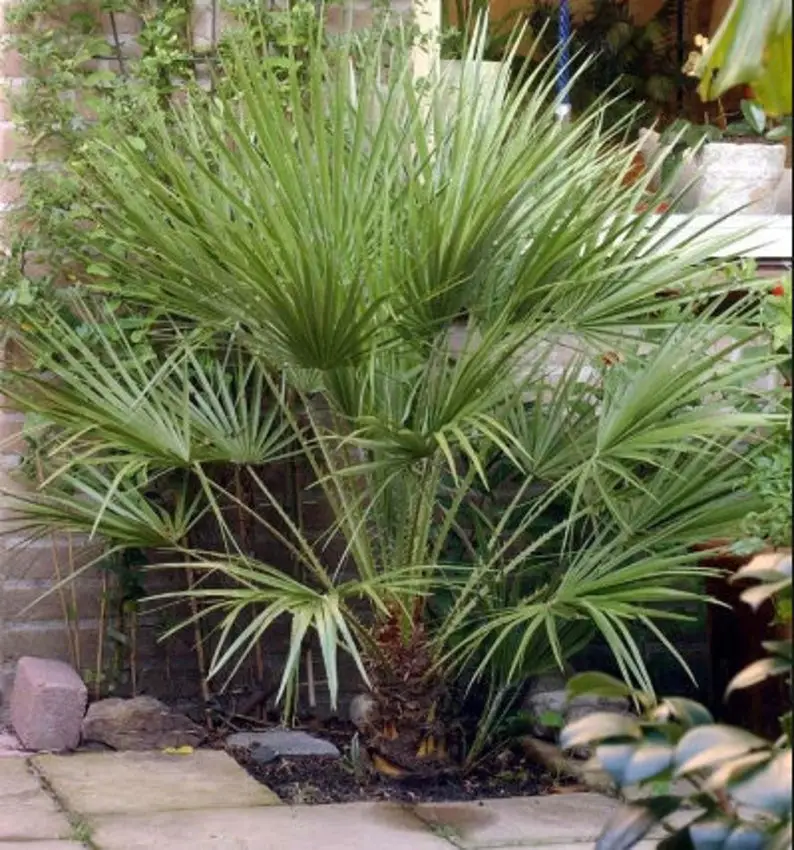
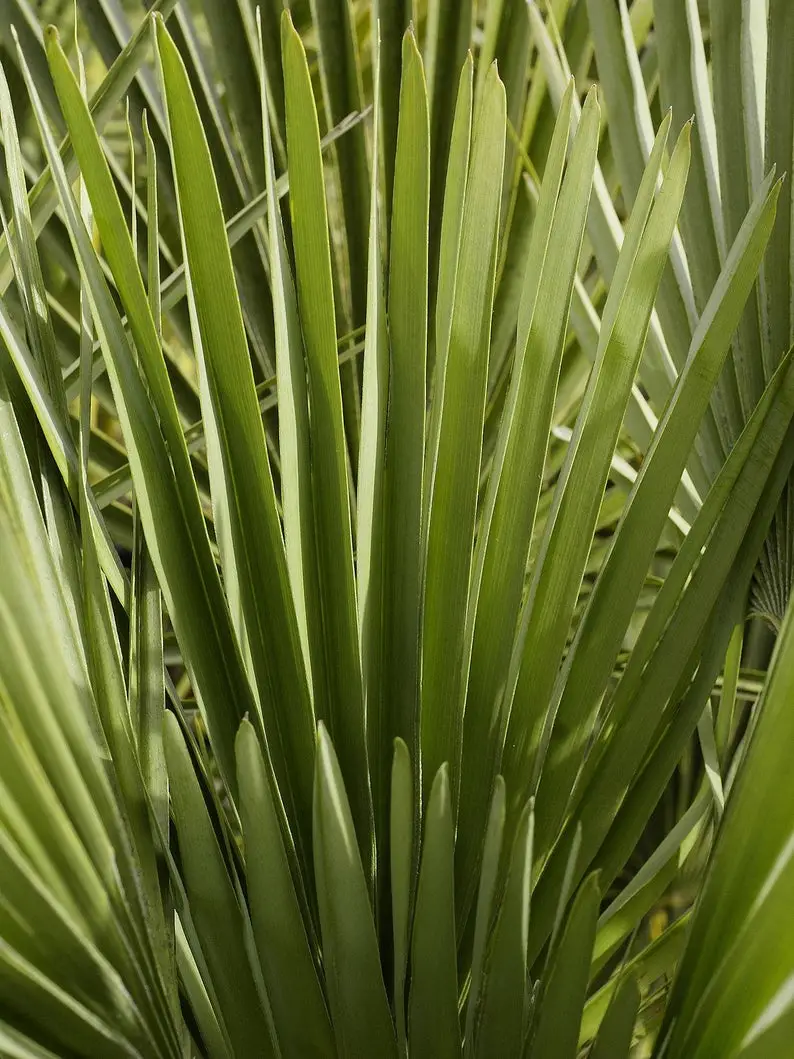
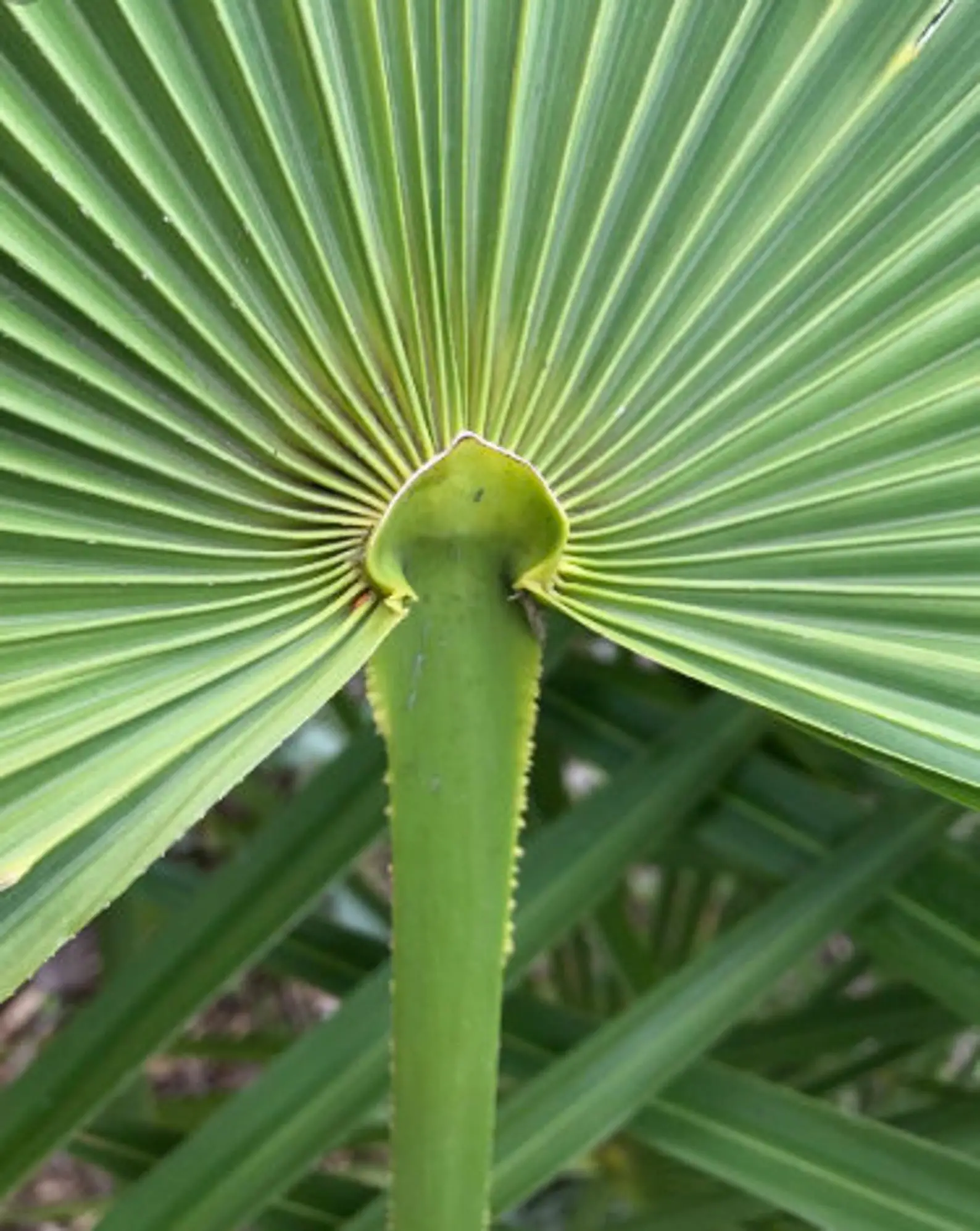
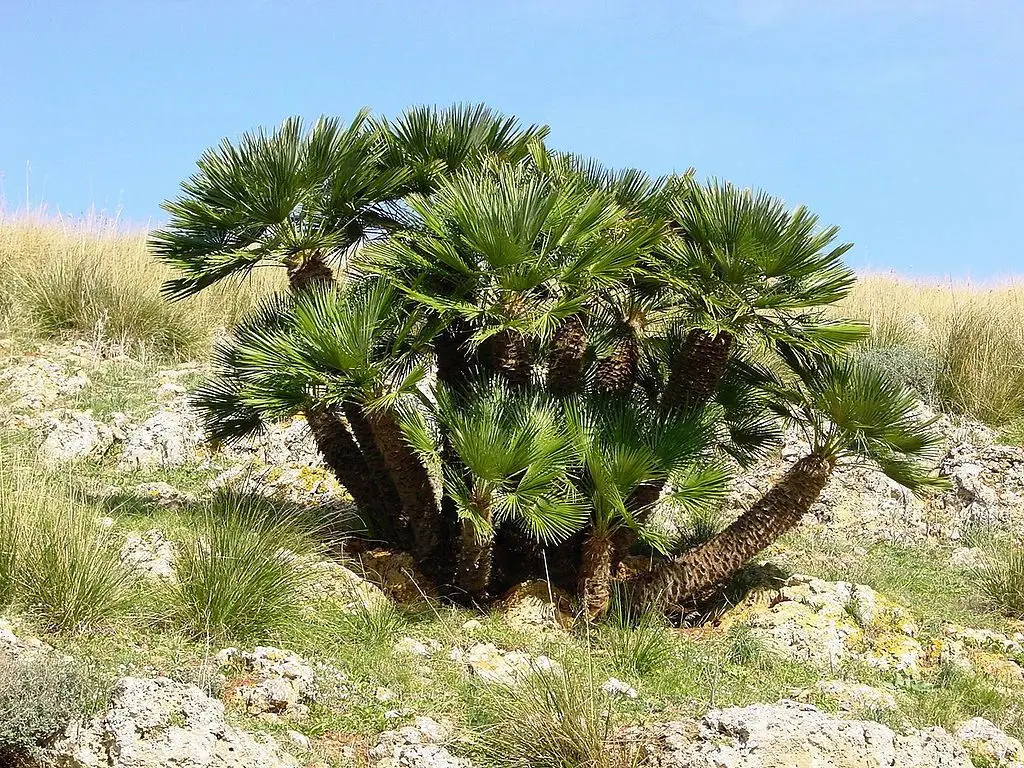
Imagine powder-blue fan fronds catching morning light like liquid silver. The Blue Mediterranean Fan Palm transforms any space into Mediterranean luxury. Its foliage displays an intense powdery blue silver on both surfaces, as silvery blue as the best Brahea armata. Effectively no-maintenance once established. Grow yours from seed and watch this cold-hardy Atlas Mountain native become your garden’s
€4.93
The Blue Mediterranean Fan Palm, which grows in the Atlas Mountains in Morocco up to 1700 m (5600 ft.), offers all the virtues a palm enthusiast from outside the tropics could wish for. You’re holding seeds from one of the world’s most exceptional palms—a living jewel that bridges the gap between tropical fantasy and temperate-zone reality.
Native to the Atlas mountains of Morocco and Algeria, this varietal represents a remarkable alpine adaptation. It is one of only two palm species native to continental Europe, and one of the northernmost naturally occurring palms in the world. Historically, seeds were first popularized in the early 1990s with the help of legendary Morocco nurseryman Sadek Tazi, and seeds are still collected in the High Atlas Mountains providing supplemental income for local folks.
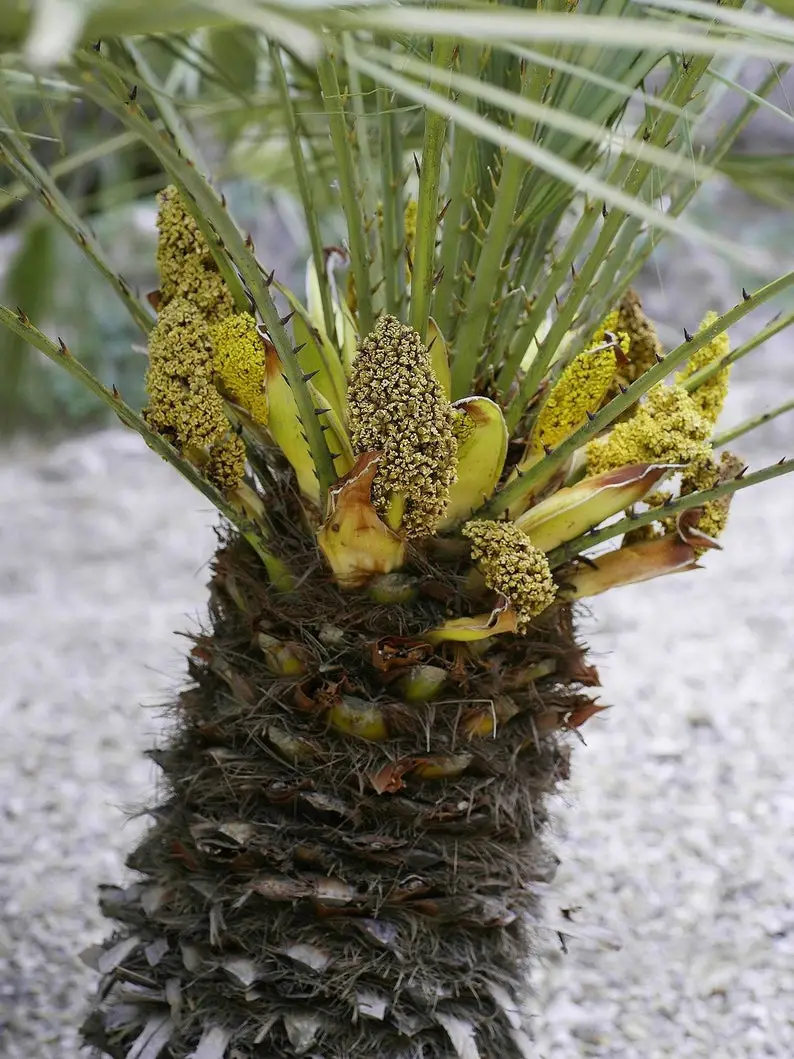
But here’s what makes you fall in love: the upper and lower surfaces of the leaf blade are an intense powdery blue silver—not just a whisper of gray, but a stunning, shimmering blue that deepens with maturity and intensifies in full sun. Each light blue-green to silver-green leaf reaches 24″ long and as wide, with 10-20 narrow, finger-like, deeply divided leaflets arranged in the shape of a fan. Creamy yellow blooms hang from long inflorescence in summer, creating unexpected delicate beauty against the bold blue foliage. Red, purple, or green berry-like fruit follows—architectural interest year-round. This is ornamental perfection: highly ornamental palmate leaves remain silvery blue throughout the winter, making it a living sculpture through every season.
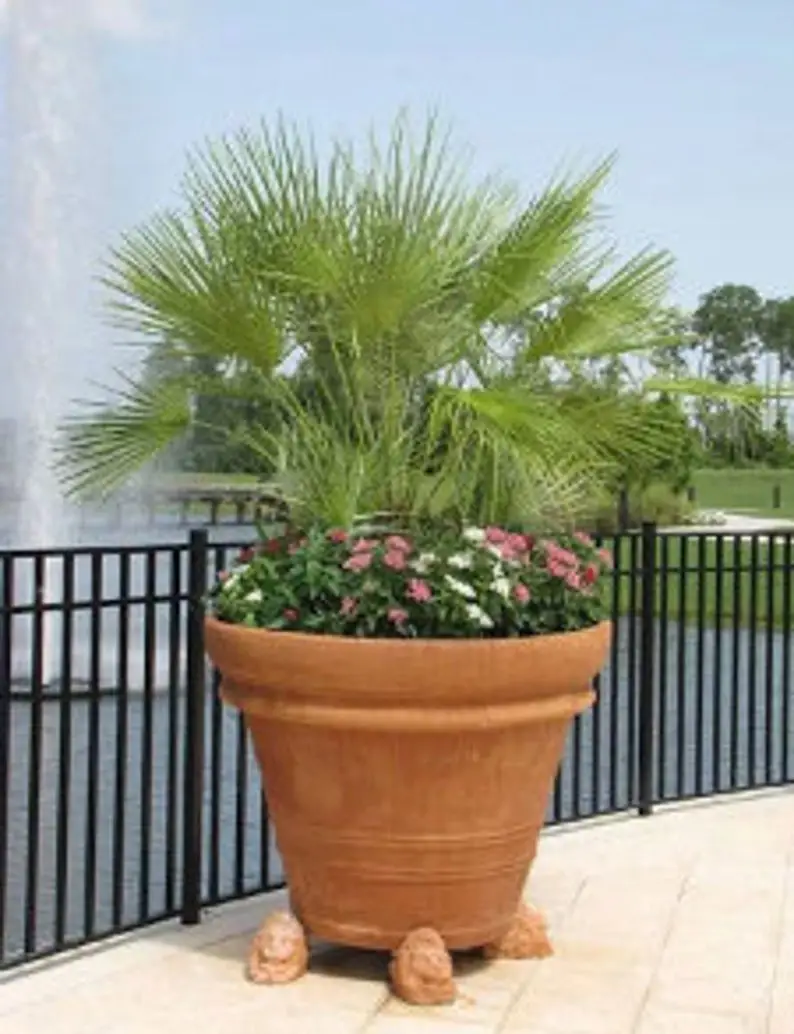
What elevates this palm beyond mere beauty is its robustness and adaptability—it tolerates extremes of cold and damp, heat and drought, and full sun and shade. More cold hardy than the standard species, it can reach heights of 6 to 12+ feet depending on climate conditions, and is hardy to at least USDA zone 7a, with parent trees seen temperatures below 0F with protection. It is one of the most cold-hardy palms and is used in landscaping in temperate climates. Considered amongst one of the best hardy palms suitable for growing in a UK climate—compact and demanding little more than a sunny position and relatively free draining soil. Excellent for outdoor pots and containers, often used as a ‘thriller’ in container combinations, and sizeable enough to be grown alone in a suitable container.
Growing from seed is straightforward and rewarding. Easily grown in a bright sunny location with well-drained soil; once established, it withstands drought and heat. One of the hardiest palms, it can withstand outdoor temperatures as low as -12°C. Not particular about soil type as long as well-drained; once established, withstands drought and heat. The slow, methodical growth means patience is rewarded—you’re not rushing nature, you’re partnering with it. Each frond that unfurls will be a small triumph.
Grow this seed. Watch the first seedlings emerge with their precious infant fronds. Shelter it through its youth, give it sun and good drainage, and within years you’ll possess one of the world’s most desirable specimen palms—a plant that draws gasps from garden visitors, that photographs like a dream, that tells a story of Moroccan mountains and Mediterranean resilience. The blue-silver foliage becomes deeper, richer, more luminous with age. This is the palm that transforms a garden into something unforgettable. This is the blue magic of the High Atlas, now yours to cultivate.
Only logged in customers who have purchased this product may leave a review.

Reviews
There are no reviews yet.