
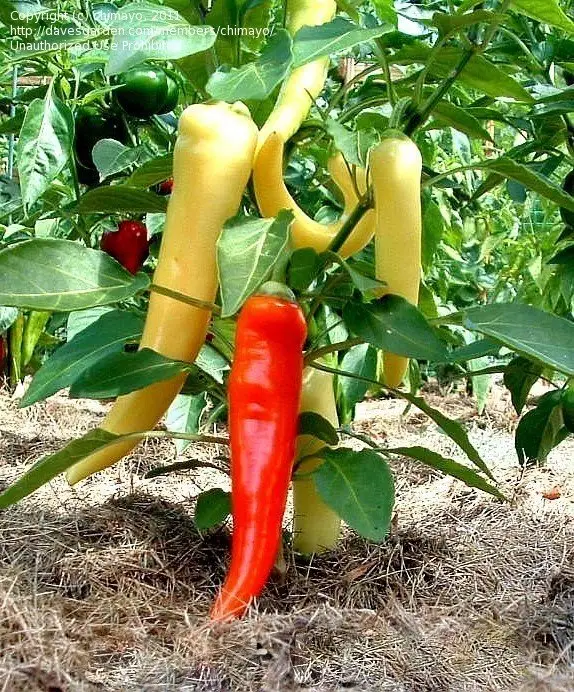
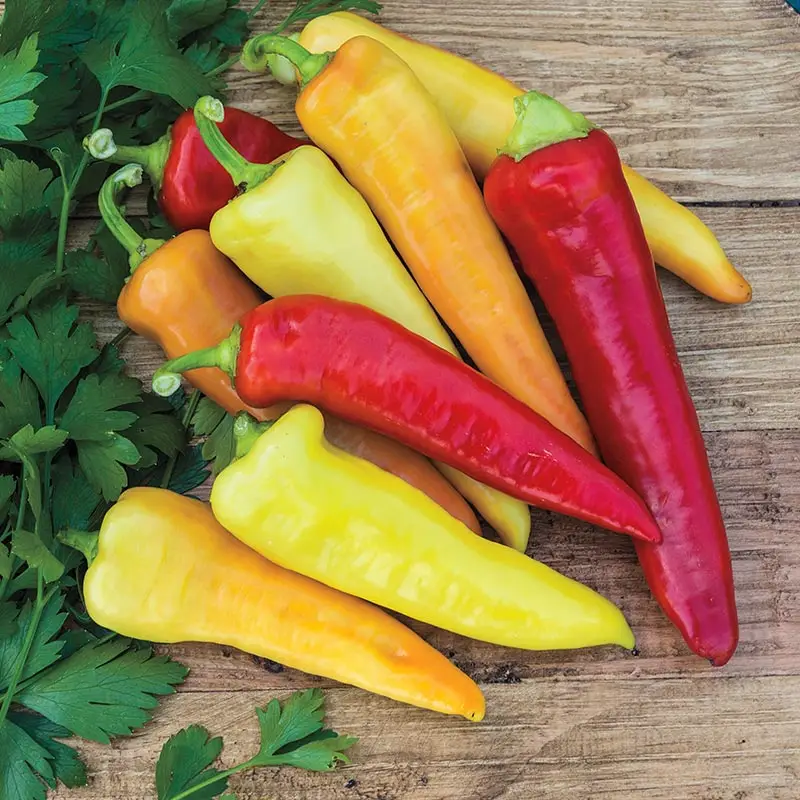
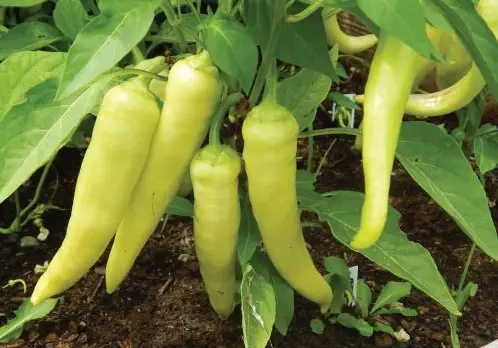
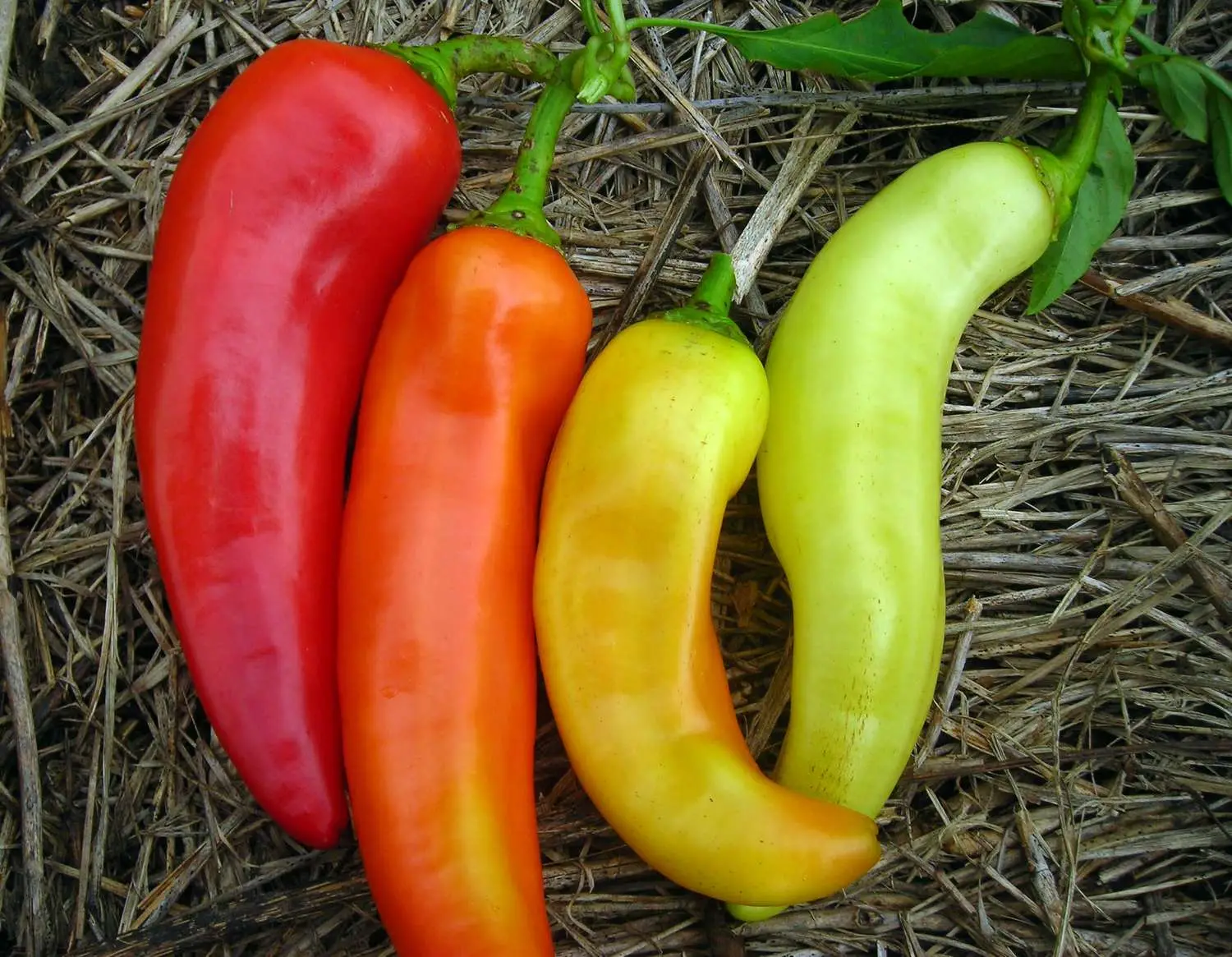
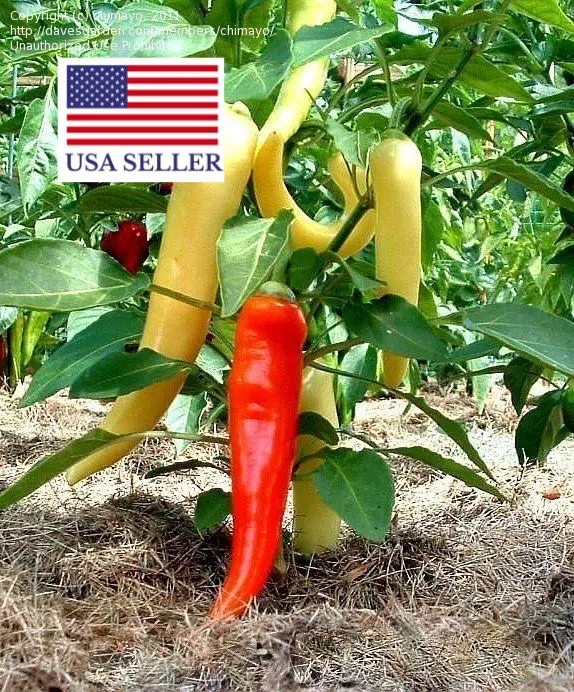
Grow tangy, sweet brilliance from seed: pale yellow tapered fruits that ripen to glowing orange-red. Easy to grow and very productive, each plant delivers 30+ peppers perfect for pickling, stuffing, or fresh-picked crunch. Ready to harvest in just 75 days. Container-ready. This is the pepper every gardener should have.
€1.94
There is nothing—absolutely nothing—like picking a sun-warmed Banana Pepper straight from your garden and biting into that glorious, waxy crunch. That moment changes everything.
The Banana Pepper’s ancestors were domesticated 5,000 to 7,000 years ago in South America’s tropical lowlands, and archaeological evidence shows peppers were among the earliest cultivated crops in the New World, predating even pottery in some regions. What began as an indigenous treasure has become a global kitchen staple—and now you’ll grow it from seed, watching each delicate plant transform into a golden-yellow producing machine.
**The Magic: Your Gateway to Culinary Genius**
The Banana Pepper rides the perfect line between jalapeño kick and pepperoncini zest, with cultivars ranging from completely sweet to gently spicy. Thicker-walled varieties are excellent for stuffed Banana peppers, while slender, crisp types are perfect for pickled peppers and fresh salads. This is not a one-trick pepper. This is versatility incarnate. Pickled Banana peppers are commonly sold sliced to garnish pizzas, sandwiches and Greek salads; pickled and stuffed varieties grace antipasto bars filled with prosciutto and cheese; stuffed peppers are served warm with Italian sausage and cheeses; chopped or diced peppers enhance relishes and salsas, adding sweetness while other peppers provide heat. Fresh salsas, charred and softened, fried as poppers, transformed into relish, layered onto Italian subs—every use tastes like a small victory.
**Why You’ll Become Obsessed**
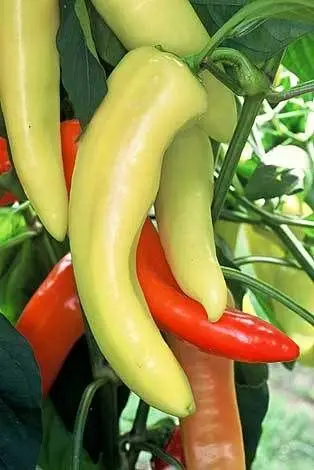
Five- to six-inch tapered fruits are pale yellow at the earliest stages of ripeness; if you leave them on the plant, they’ll eventually turn red. The skins are glossy and waxy, with thick flesh. When ripe, they’re architectural: elegant curves, burnished color, a visual promise of flavor. These warm-season plants thrive in sunny spots and produce long, colorful fruits that ripen from pale yellow to orange or bright red. In the garden, they’re ornamental. In the kitchen, they’re indispensable.
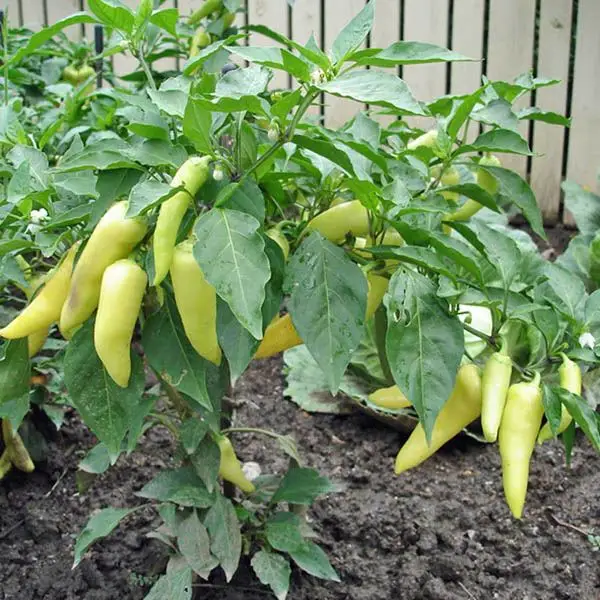
But the real obsession starts with productivity. Banana peppers produce heavily. You can expect at least 30 fruits from each plant and sometimes more. One plant. Thirty peppers. The abundance is intoxicating.
**Growing Is Effortless**
Banana peppers are easy to grow and very productive, making them a favorite for home gardeners who enjoy fresh salads, pickled peppers, and stuffed recipes. Sow seeds indoors in a pot or tray 6-8 weeks before the last frost date for propagation, then replant the new plants in warmed-up ground under direct sunlight. Full sun is essential—aim for 6–8 hours of direct sunlight daily. A nutritious and well-draining soil with a 6.0-6.5 pH range is what Banana Peppers enjoy the most. Container gardening? Choose containers that are at least 12 inches wide, and that will hold at least three gallons of soil. If you’re going to grow a larger variety that can reach four feet tall, consider installing supports when you transplant.
Banana peppers grow best between 70–85°F (21–29°C). Plant outdoors only after the last frost when nights stay warm. Usually, the peppers are ready for harvesting 75 days after planting. That’s a fast journey from seed to fork. That’s freedom.
**The Invitation**
Start your seeds now. Watch the first true leaves emerge. Feel the electricity of anticipation as flower buds form. Then taste the moment—that incredible instant when you harvest your first homegrown Banana Pepper. The tangy sweetness. The crisp, waxy texture. The knowledge that you grew this fr
Only logged in customers who have purchased this product may leave a review.

Reviews
There are no reviews yet.