Description
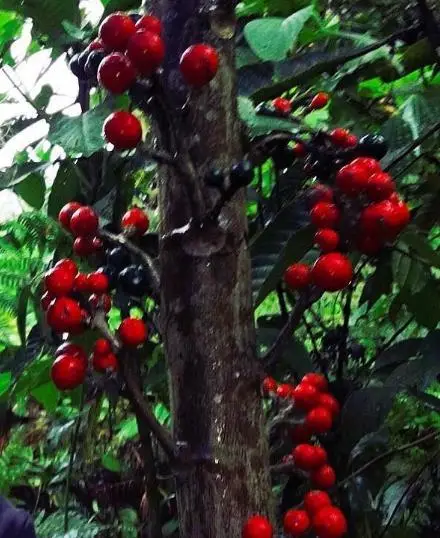
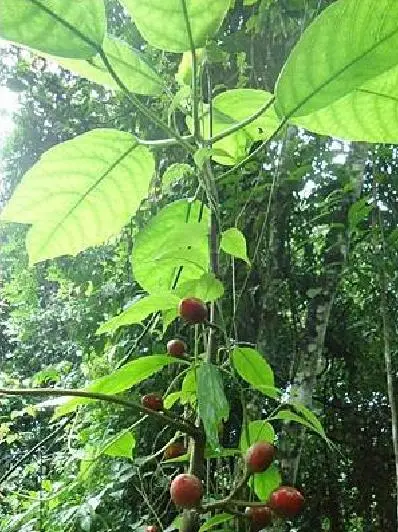
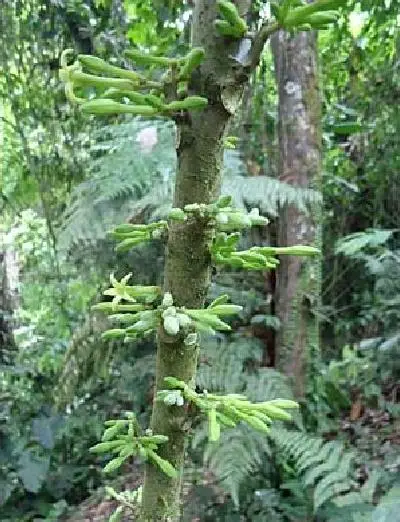
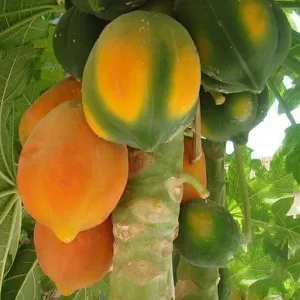
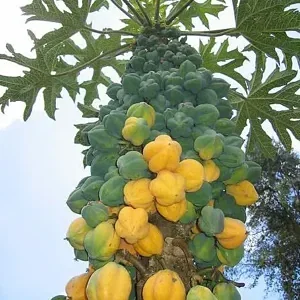
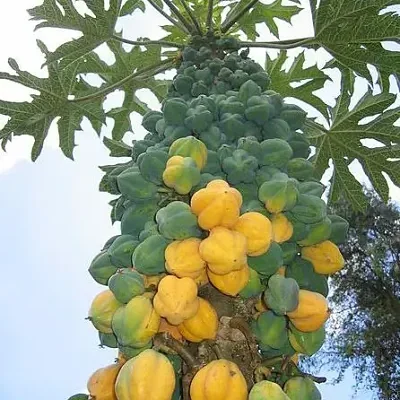
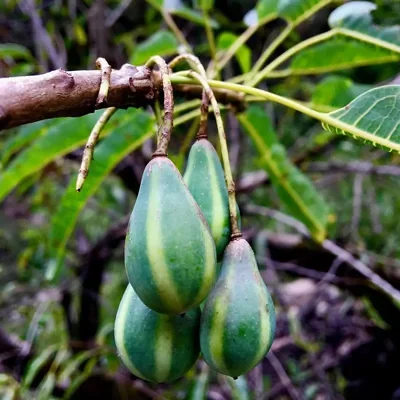
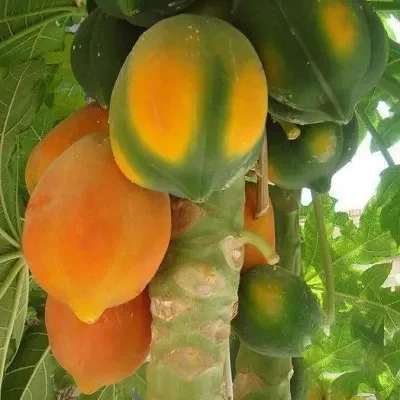
A small, fast-growing tree of non-equatorial tropical forests, which forms an unbroken trunk about 3 meters high, surmounted by a terminal crown of undivided leaves or claps.
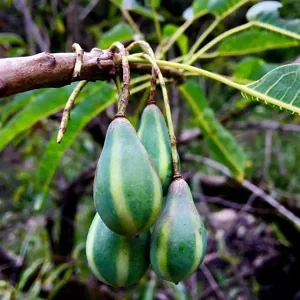
The flowers appear together between the leaves and without the foot and are followed by small edible and tasty fruits in natura.
This is one of the page of this page. However, save the name carica for convenience, because what else appears in most of the literature.
Leaves and fruits are edible.
The fruit is savored in nature as cooked in the preparation of jellies and a wide variety of sweet and savory dishes. How words are eaten in slices and as accompaniment of savory dishes.
Fruitful yet very rare in cultivation.
Germination Guide
Caricas - Caricaceae family (English)
Some species/varieties in the Caricaceae family benefit from the use of gibberellic acid.
For seed germination, use a high-quality substrate that is light, porous, and free of pathogens. Maintain a proper, constant, and appropriate temperature.
The seeds of this kind require light to germinate. They should be sown and lightly covered. Simply press the seeds into the substrate and cover them lightly.
We recommend sowing in a plastic pot with a transparent cover. Place it in a well-lit area but avoid direct sunlight. Maintain constant moisture and a temperature of around 22–28ºC. Open the pot at least once daily to allow air exchange and check the substrate's moisture level, then close it again.
Ensure that your seedlings are not exposed to direct sunlight. If necessary, use artificial lighting, such as fluorescent or LED lamps.
After germination, transfer the seedlings to individual pots and acclimate the small plants before transplanting them to their final location.
Only logged in customers who have purchased this product may leave a review.

Reviews
There are no reviews yet.