
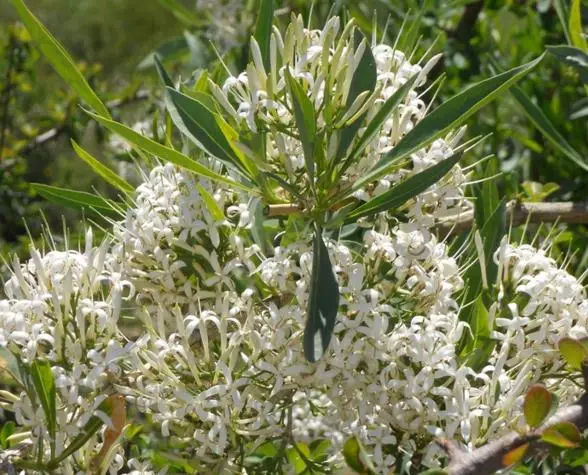
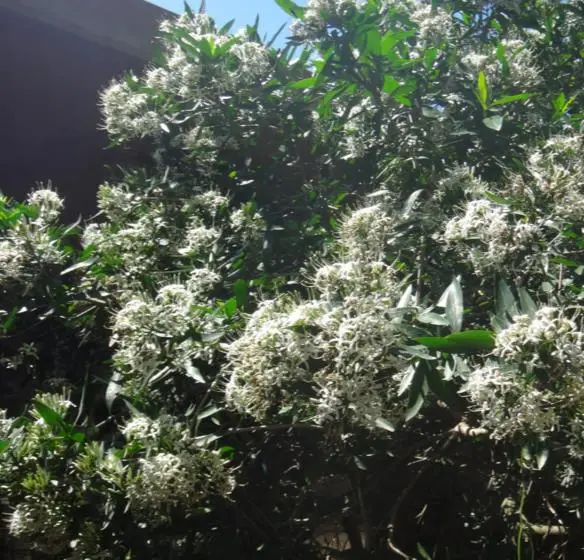
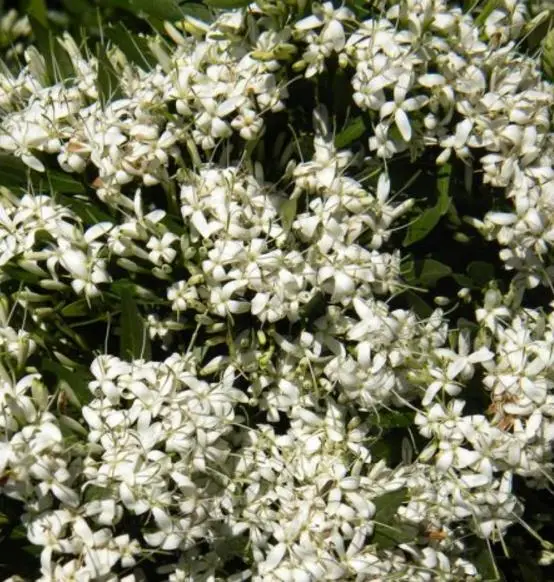
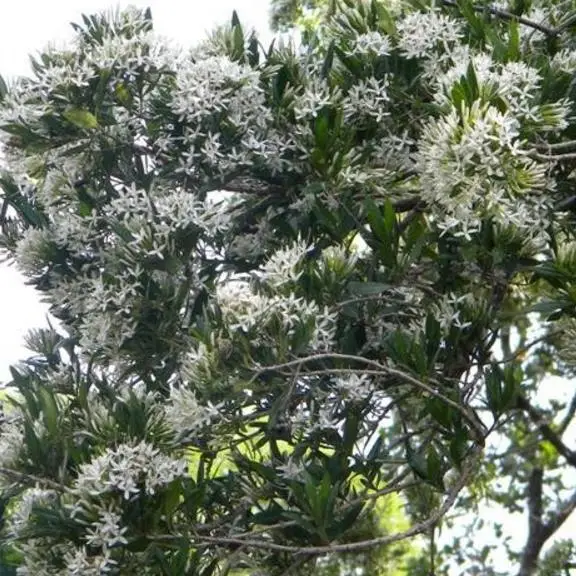
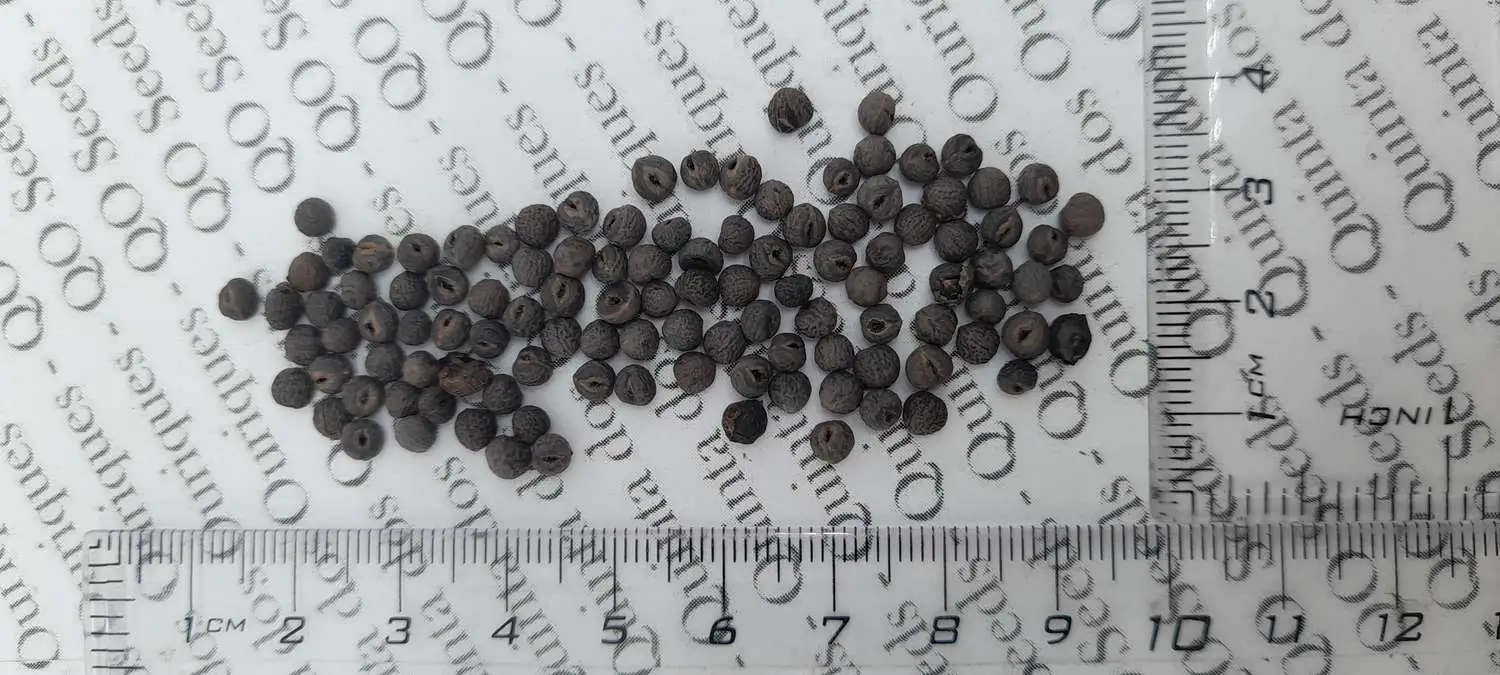
Transform your garden into a wildlife sanctuary. Pavetta lanceolata erupts in clouds of pristine white, intensely fragrant flowers—attracting birds, bees, moths, and butterflies in waves. These pincushion-like blooms cascade from October through January, with peak splendor at Christmas. Its edible leaves add garden utility, while dense foliage screens and shelters pollinators. Easy to grow from seed; germinates readily.
€1.92
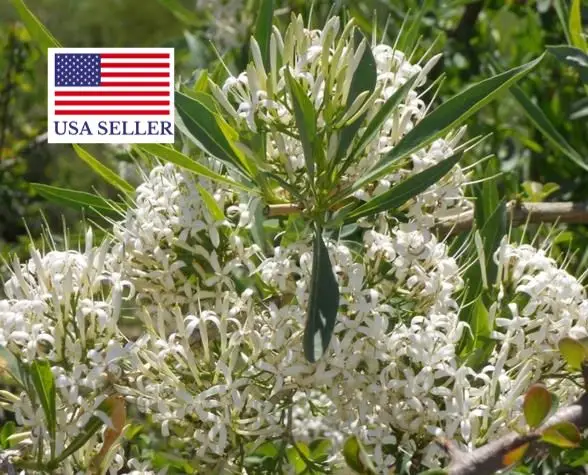
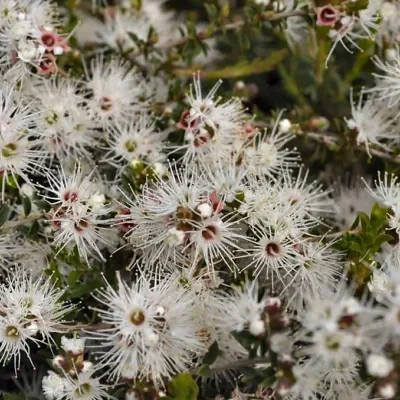
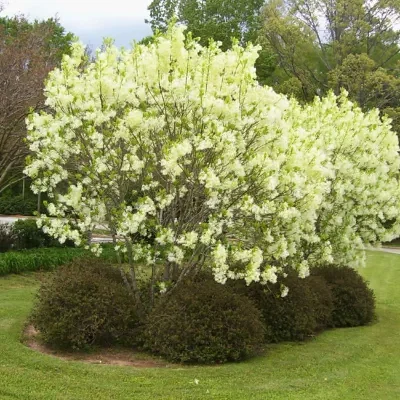
Imagine your garden wreathed in ethereal clouds of pure white fragrance, alive with the humming of bees, the flutter of butterflies, and the songs of birds—this is Pavetta lanceolata in full glory. This South African evergreen shrub or small tree has earned its poetic common names—Bridal Bush, Christmas Bush, Forest Bride’s Bush—by dressing itself in wedding-white florals that bloom from October through January, reaching their breathtaking peak during the Christmas season. When in full flower, the plant becomes so densely laden with blossom that you can barely see the glossy, dark green foliage beneath. The sweetly scented, dainty white flowers with protruding ivory stamens are arranged in compact, pincushion-like clusters at the ends of gracefully drooping branches, creating a display that seems to glow against the tree’s silvery-grey bark.
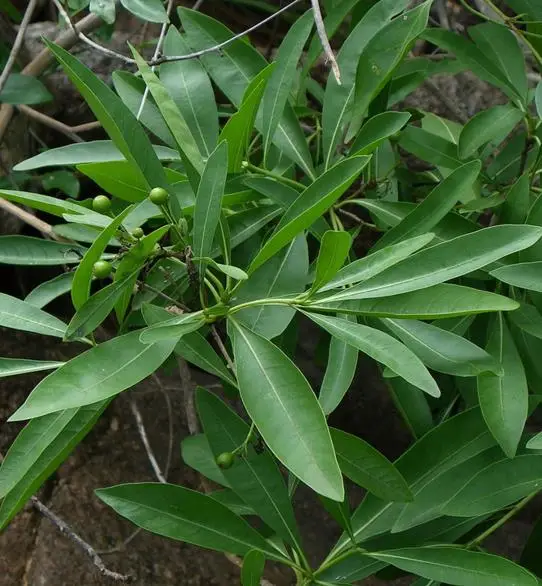
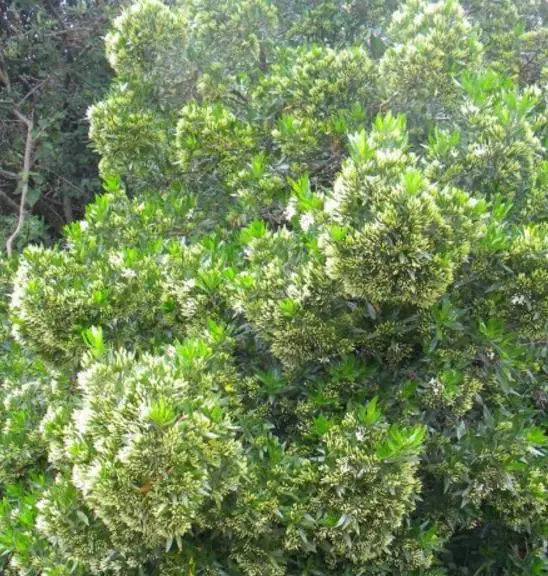
Native to the summer-rainfall regions of South Africa—from coastal forests to rocky hillsides and riverine thickets—Pavetta lanceolata has adapted to diverse habitats across Limpopo, Mpumalanga, KwaZulu-Natal, and the Eastern Cape. This is the most widely cultivated Pavetta species worldwide, and for good reason: it’s a living magnet for the creatures that make a garden come alive. The genus name itself may derive from an ancient description of a “mosaic of stones”—a reference to the distinctive dark bacterial nodules scattered across the leaves, adding subtle textural character even in the off-season. The species name lanceolata refers to its beautifully shaped, narrow, lance-like leaves that remain glossy and dark green year-round.
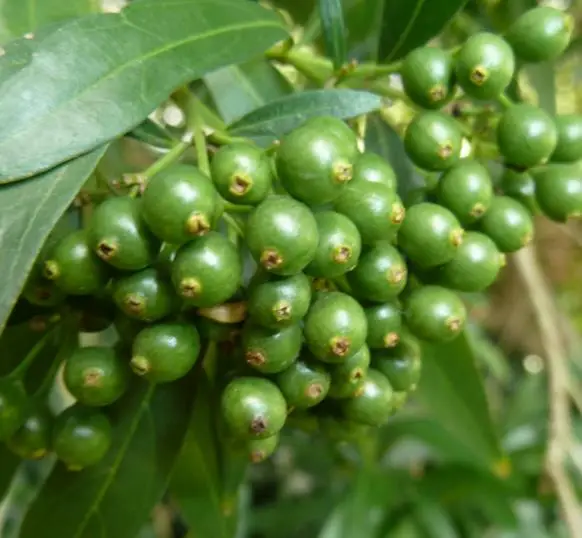
**The Wildlife Sanctuary Effect:** This is where Pavetta lanceolata truly shines as a premium garden investment. Those intensely fragrant, nectar-laden flowers are a siren call to every pollinator in the neighbourhood. Birds—especially Collared Sunbirds—will visit obsessively. Bees arrive in orchestrated waves. Wasps, beetles, ants, and night-flying hawk moths (Sphingidae family) all converge on the blooms, particularly after dusk. Even butterflies cannot resist. Once flowering ends, the tree produces abundant small, pea-sized black fruits that birds devour with gusto, and this fruiting encourages year-round visitation. Beyond simple beauty, you’re creating an ecosystem engine—a living pollinator hotel that will attract beneficial insects and birds to every corner of your garden. Additionally, the leaves are edible and have been traditionally harvested and used as a vegetable, offering a quiet culinary dimension for the adventurous gardener. The dense, evergreen foliage also makes it ideal as a hedge, screen, or accent plant that can be lightly pruned to shape.
**Cultivation & Climate:** Pavetta lanceolata is refreshingly forgiving to grow. Start your seedlings in partially shaded or semi-shaded conditions—they appreciate shelter from harsh sun and wind when young. Seeds germinate quite readily and easily, especially when bird-deposited fruits fall naturally; you’ll often find volunteer seedlings appearing under established trees. Young plants need regular watering initially to get established. Once the root system matures (typically within 1-2 seasons), the tree becomes remarkably drought-tolerant and will thrive in full sun, partial shade, or even dappled woodland settings. Provide well-draining soil and avoid waterlogging, though it adapts to a range of soil types. The naturally arching, graceful growth habit requires minimal intervention—just light pruning after flowering, if desired. It responds beautifully to pruning and can fill a 3-5 metre space. Non-invasive roots make it safe to plant near pools, paving, and structures. Growing it in containers is perfectly feasible given its neat, controlled growth. One caveat: in cold zones (below 10°C), young plants should be sheltered or kept indoors during their first few years, as this tropical-origin species is not very frost-hardy; in frigid areas, position it against a north-facing wall or under the canop
Only logged in customers who have purchased this product may leave a review.

Reviews
There are no reviews yet.