Description
The most common and popular edible bromelia is pineapple (ananas comosus) … For a good reason. But there are other bromelies that are also excellent food sources and as tasty as.
Various species of the genus bromelia have their fruits (technically a berry), harvested and eaten.
Let’s talk about bromelia karatas today with a huge ripe berry collection, commonly known as piñuelas.
Piñuela is a common name given to various species of bromelia, including bromelia karatas.
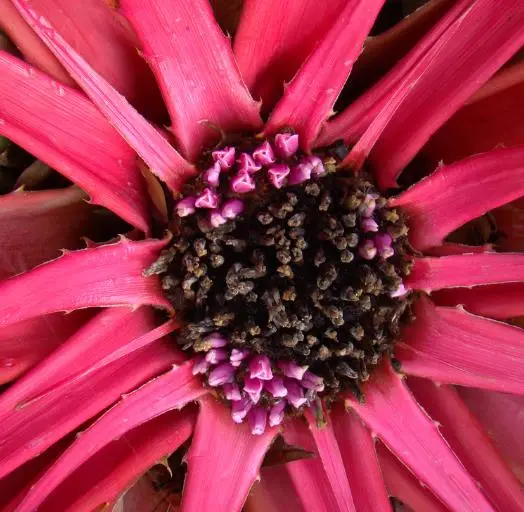
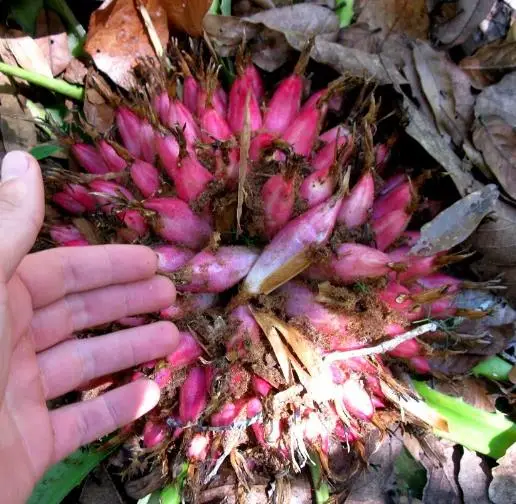
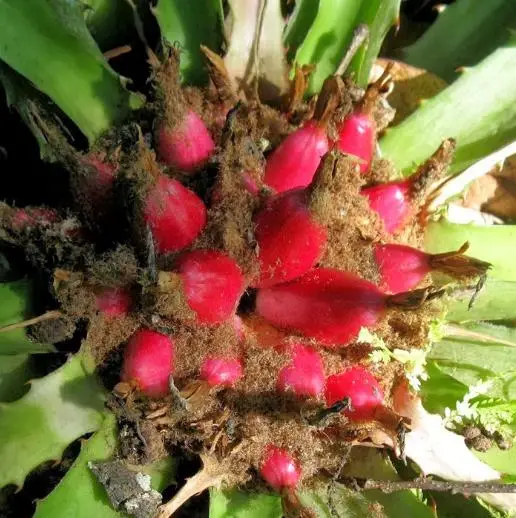
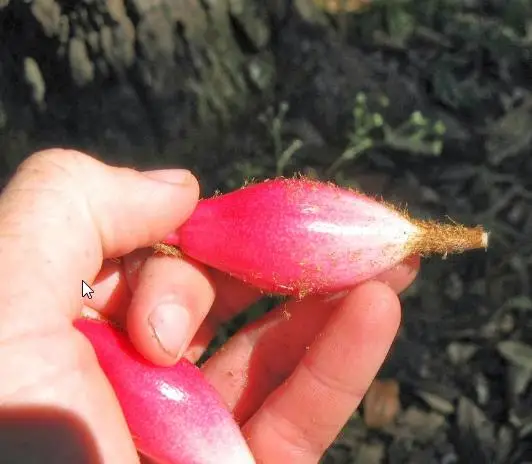
Bromelia karatas makes its fold flowers and juicy berries on the leaf roseta. A massive head of delicious berries and when genually when ripes are taste in natura, yes, delicious and cooling in natura.
Berries are ripe for in natura tasting when more of their half is pink and remaining only a small white part.
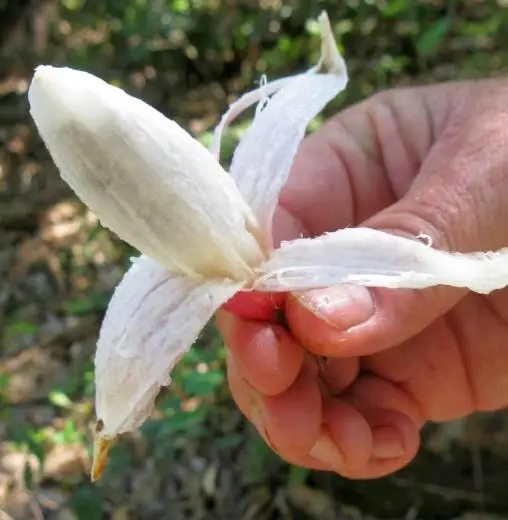
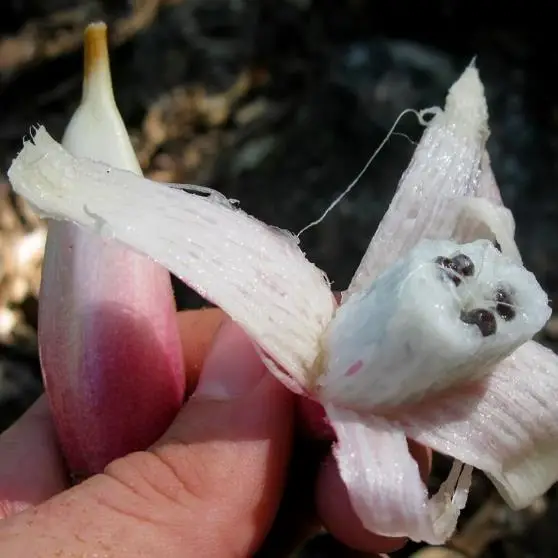
Shelled as mini bananas, a true treat in taste and sweet.
Refreshing how to taste a crocating watermelon, and the opportunity to prove the famous drink made from your fruits (pina atol).
Already forgetting; very ornamental and very easy to grow, does not require special care and can be planted to half shadow or full soil.
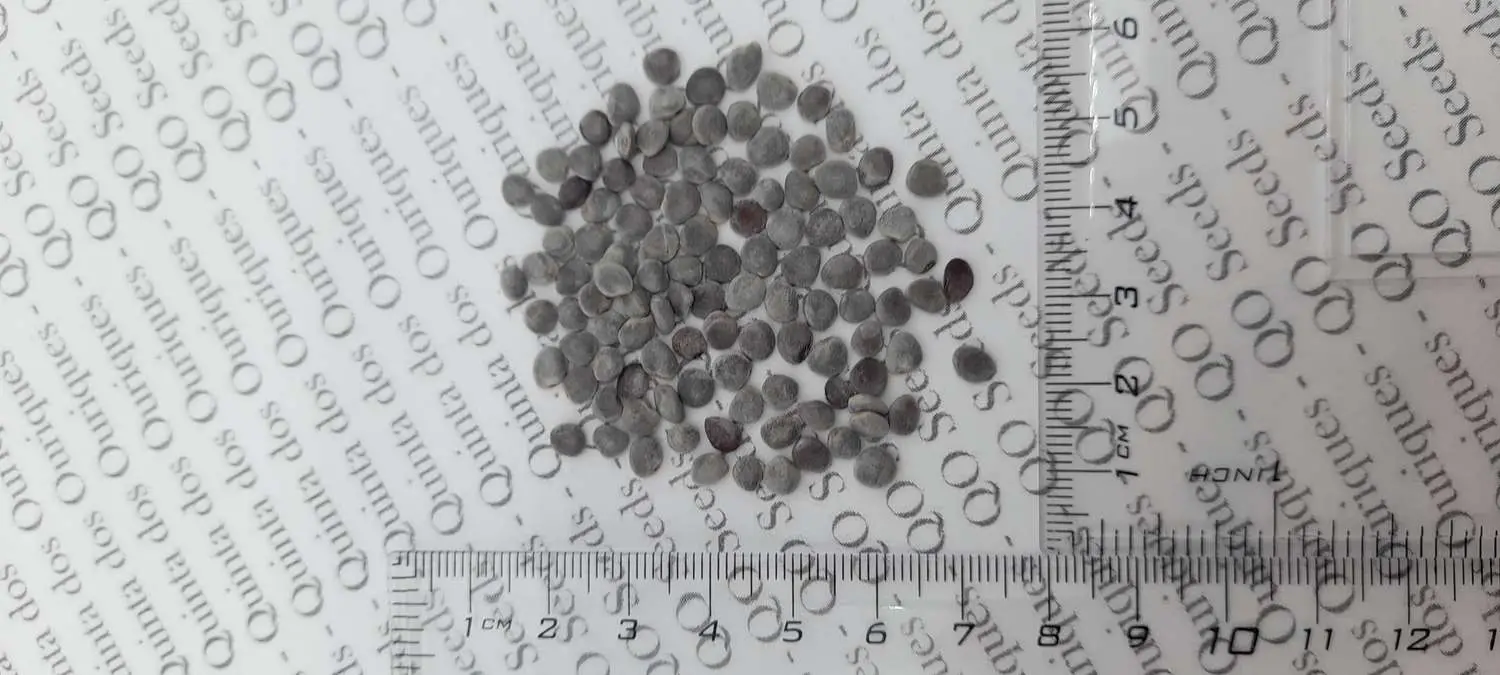
Very fresh seeds generally germin within 15 – 45 days.
A joker in our garden that presents us with its delicious fruits.
Germination Guide
🌍 West Indies, Mexico, Central America, Colombia, Ecuador, Brazil
Moderate
Bromelia karatas is a terrestrial bromeliad up to 3 m tall, distributed from southern Mexico and the Caribbean south to Brazil, Colombia and Ecuador. The edible fruit is used to prepare 'Atol de Pina' drink.
Germination
Germination time
Expect germination in
15 – 45 days
Temperature
Min 20°C
Ideal 24°C
Max 29°C
Substrate moisture
💧💧 High
Substrate & Container
Recommended substrate
well-draining seed mix, orchid bark and sphagnum moss
Recommended container
container with clear plastic dome or bag for humidity
Growing Tips
Very fresh seeds germinate better. Keep high humidity (70-80%). Sow seeds on surface of sterile mix. Inconsistent germination reported. Cannot grow in shade. Requires full sun or partial shade in mature plants.
Only logged in customers who have purchased this product may leave a review.



Reviews
There are no reviews yet.