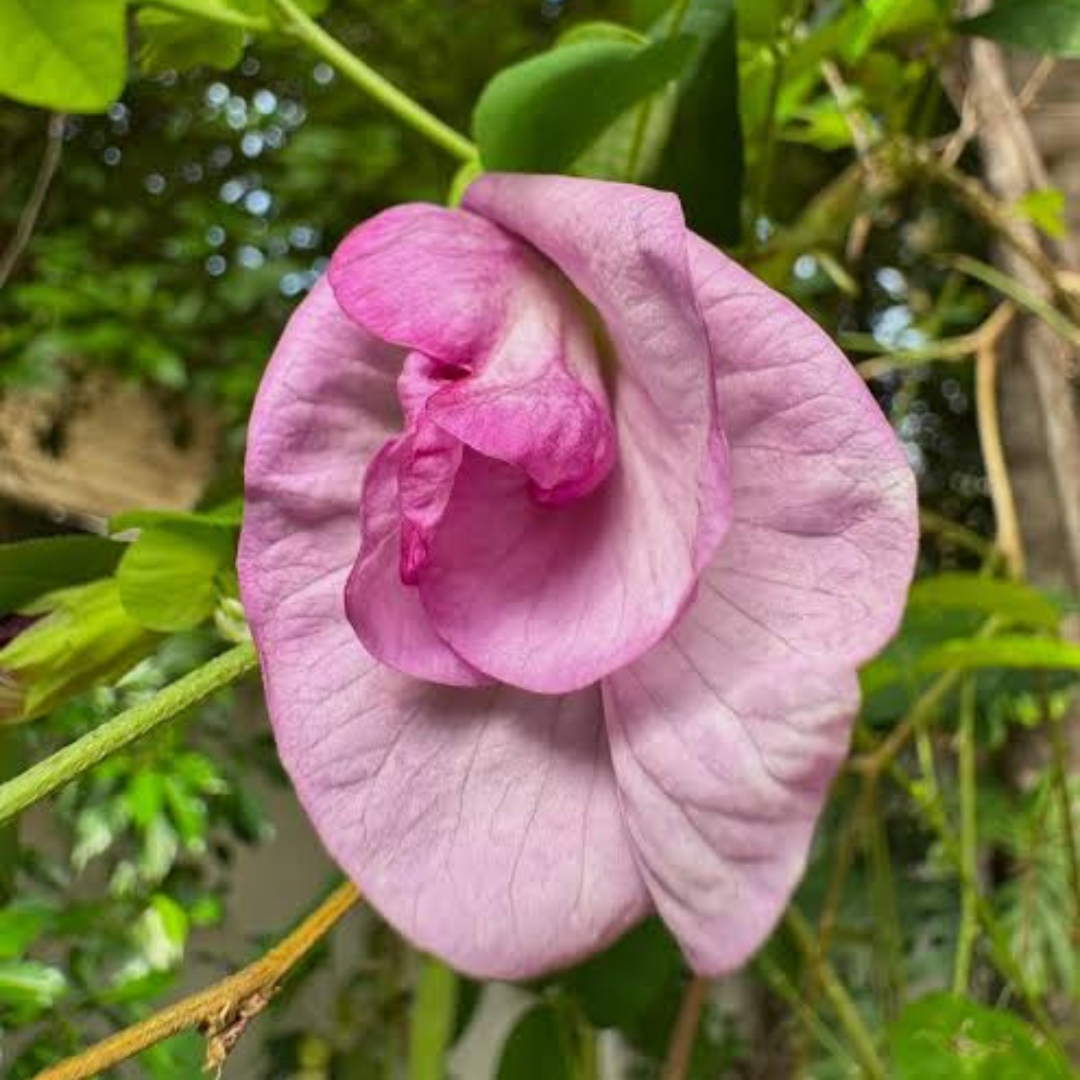
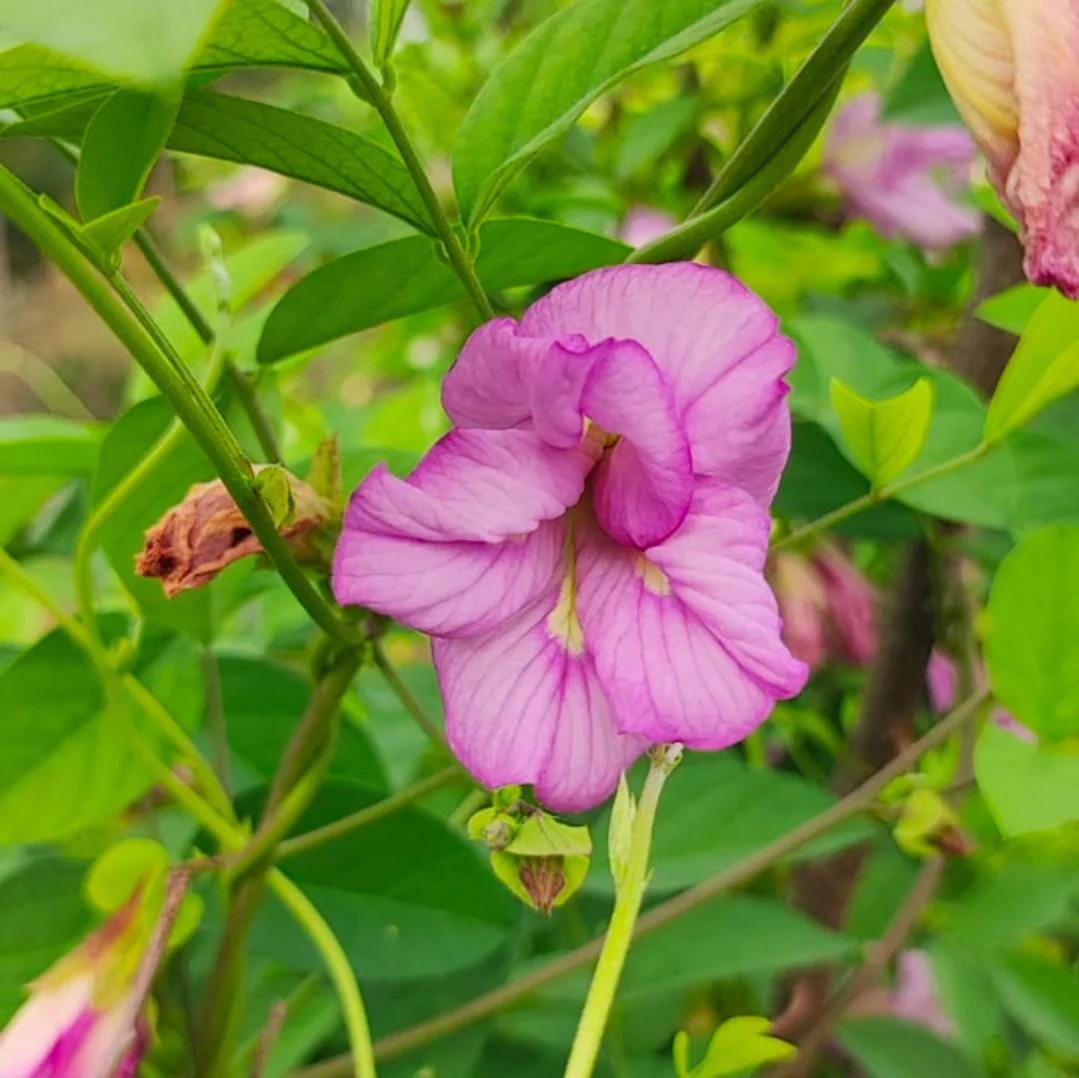
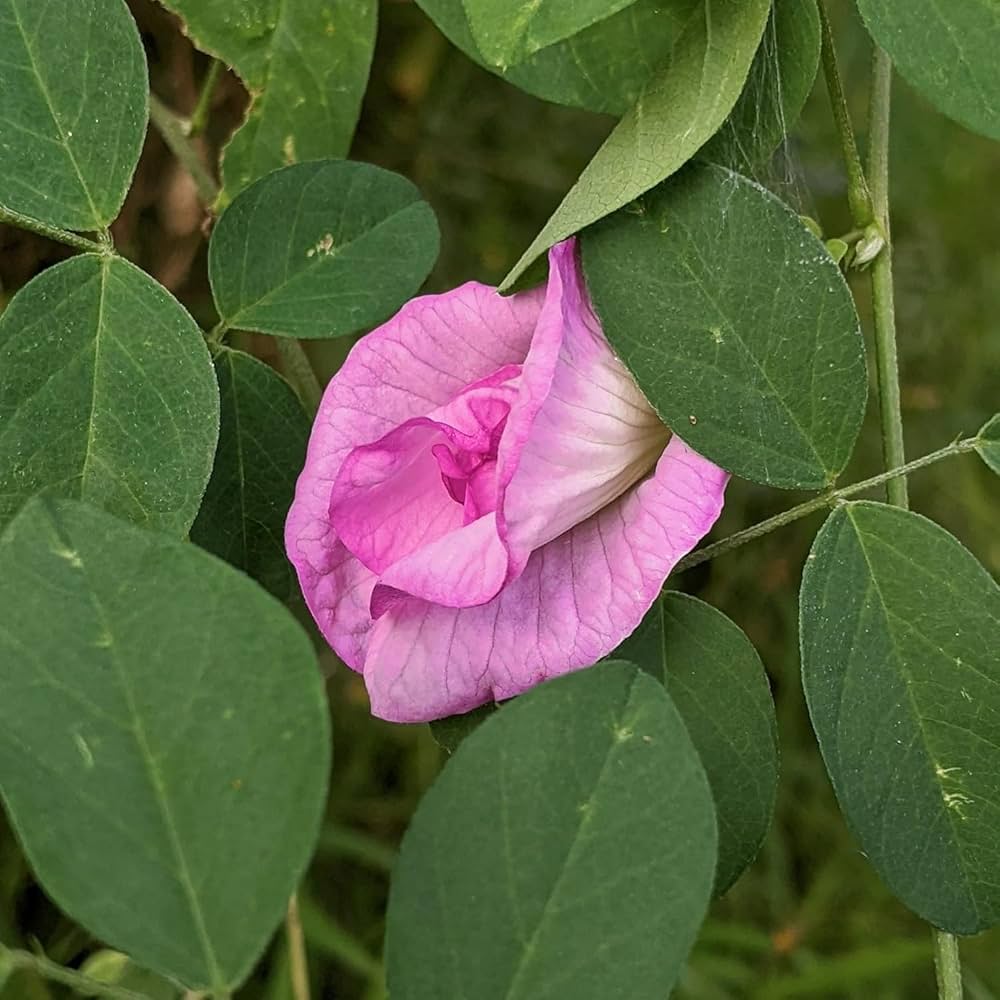
Clitoria ternatea ‘Double Pink’ — Pink Butterfly Pea | Color-Changing Tea & Cocktail Magic

This rare double-flowering cultivar produces exquisite layered petals in soft pink, transforming your garden into a living work of art. Brew stunning butterfly pea flower tea that changes color depending on what you add to it, with lemon juice turning it purple—the ultimate interactive beverage. Edible flowers are known for their antioxidant properties, and this

3.48

SKU: P-2350 Category:

You May Also Like

Description

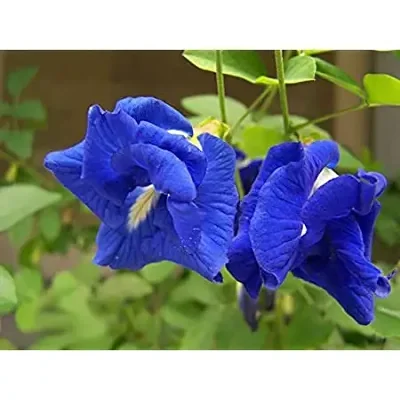
This exotic tropical vine is known for its vivid blue (and sometimes purple or white) pea-shaped flowers—but the ‘Double Pink’ variety offers something rarer: delicate, doubled petals in blushing pink tones that will stop every visitor in their tracks.

Native to the Indonesian island of Ternate, Clitoria ternatea has captivated Asian cultures for centuries. In Ayurveda, butterfly pea flower tea is called Anchan tea, used in devotional ceremonies to represent love, serenity and protection, and is associated with the powerful Hindu goddess Aparajita (whose name means “the undefeated one”). Your ‘Double Pink’ will carry that same spiritual weight—but with the added allure of romantic pink rather than traditional blue.

Here’s what makes this variety truly special: the flower extract possesses the ability to change color; four different colored forms of the anthocyanin exist, and they can be changed back and forth purely based on the pH. Brew a cup of delicate pink-flower tea, and when the pH is lowered, usually through the addition of a mild acid like lemon or lime juice, the extract will appear pink or light purple instead. This color-shifting alchemy makes butterfly pea the darling of contemporary bartenders and chefs—chefs and mixologists love this feature and use the butterfly pea flower to create visually stunning dishes and drinks. Imagine cocktails that bloom from pink to lavender, desserts and rice dishes that transform at the table. In Burmese and Thai cuisines, the flowers are also dipped in butter and fried, and the flowers are edible and used to make herbal tea known for its antioxidant properties. Beyond the spectacle, the plant has been widely used in traditional medicine, particularly as a supplement to enhance cognitive functions and alleviate symptoms of numerous ailments including fever, inflammation, pain, and diabetes.

Growing ‘Double Pink’ is genuinely rewarding. This plant is easy to grow from seed and is low maintenance once established and climbing its way up a trellis. The butterfly pea requires at least 6 hours of direct sunlight per day, which energizes the plant for effective photosynthesis and aids in the development of vibrant and healthy flowers. It prefers well-draining loamy soil with good drainage to prevent root rot, and a slightly acidic to neutral pH is ideal. Keep daytime temperatures around 68–85°F (20–30°C), and avoid letting it drop much below about 60°F (16°C). Growing butterfly pea prefers regular watering in the first growing season, and once mature, it requires small but additional amounts of irrigation, especially in hot and dry weather conditions. As a legume, its nitrogen fixing capabilities mean it needs little fertiliser if you’ve prepared the soil beforehand. Whether grown in tropical gardens, containers on sun-drenched patios, or brought indoors in cooler climates, this vine becomes a conversation starter—and a source of pure joy each time you harvest your own color-changing flowers.

You’re not just growing a plant; you’re cultivating magic. Each seed you sow becomes a climbing vine of extraordinary beauty and utility—a living bridge between ancient botanical medicine and modern culinary alchemy. Watch your Double Pink Butterfly Pea unfurl its precious double blooms, knowing that what you’ve grown will infuse your kitchen, your teacup, and your garden with rare, radiant life.

Germination Guide

🌍 Tropical Asia, Indian subcontinent, Southeast Asia
Difficult

Butterfly pea (Clitoria ternatea) is a tropical legume with striking blue flowers used as natural food colorant and in traditional medicine. Despite hardy features, it is notoriously difficult to germinate without proper seed treatment.

Germination
Germination time
Expect germination in

3 – 21 days

Temperature

Min 20°C
Ideal 21°C
Max 30°C

Light
☀️ Light required

Substrate moisture
💧 Medium

Sowing depth
1 cm

Germination rate
81 %


Seed Pre-treatment
  • 💧

    Soaking — 24 hours
    Soak in warm water for 12-24 hours after scarification to soften seed coat and promote germination.
  • 🔨

    Mechanical scarification
    Seeds have a hard coat requiring scarification. Nicking with knife, razor blade, or sandpaper followed by 24-hour warm water soak achieves 80.95% germination rate.
  • 📋

    Additional notes
    Freshly harvested seeds have dormancy issues. Storing seeds 6 months promotes germination in 15-20% of seeds. Chemical scarification (sulfuric acid) can achieve 100% germination.

Substrate & Container
Recommended substrate
Rockwool, well-draining potting soil, seed starting mix

Recommended container
6-inch pots or seed-beds


Growing Tips
Plant requires full sun and heat for best growth. Do not tolerate cold temperatures. Radicle emerges within 48-72 hours after proper treatment. Optimal germination at 21°C with scarified and soaked seeds in rockwool substrate. Plants produce flowers within 2 months and reach mature bush within 6 months.

Reviews

There are no reviews yet.

Only logged in customers who have purchased this product may leave a review.

Related Products