
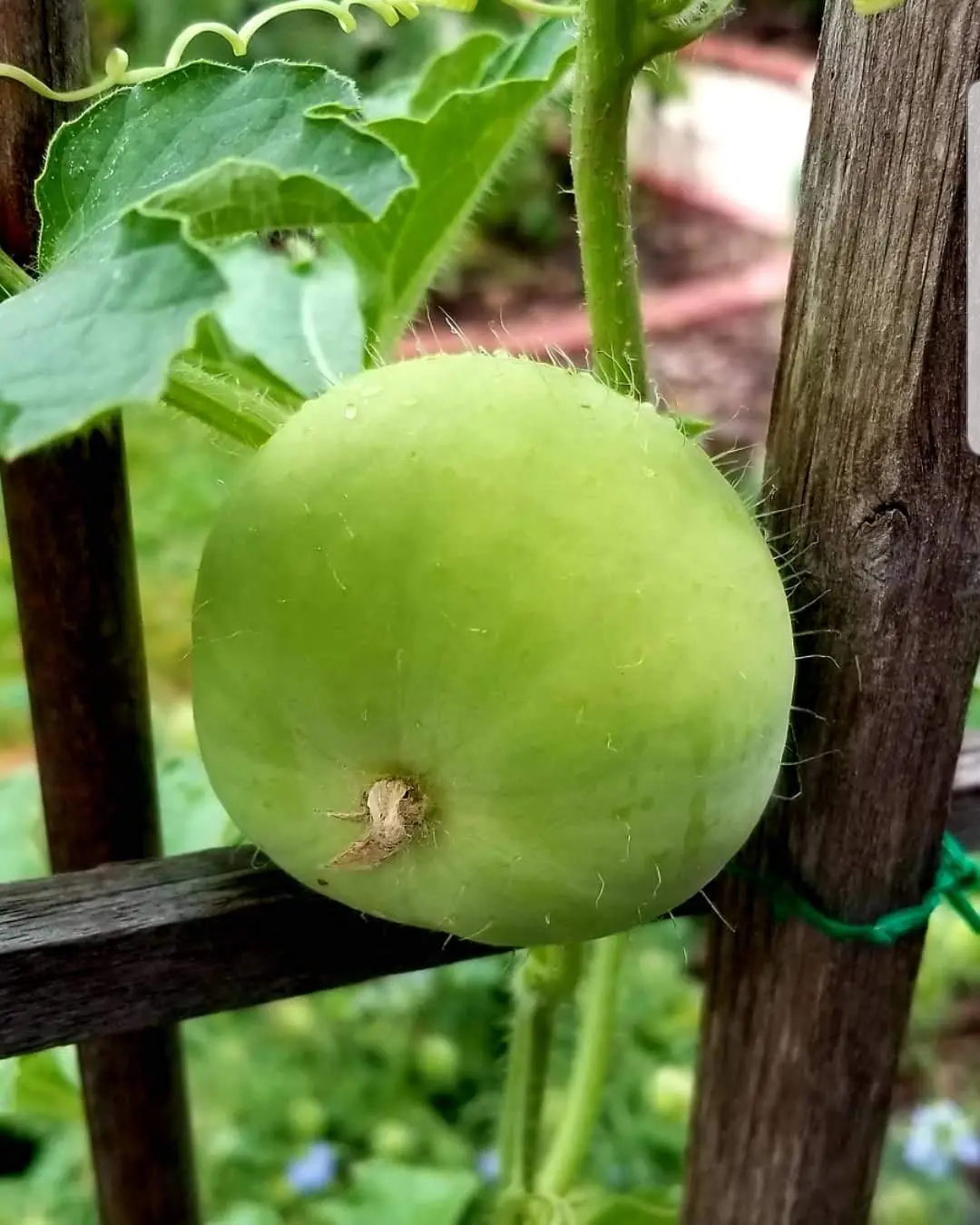
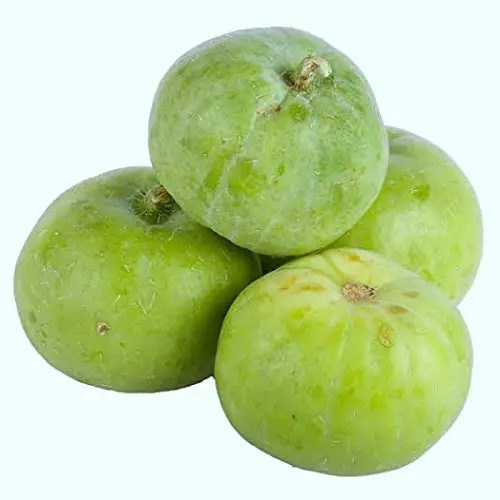
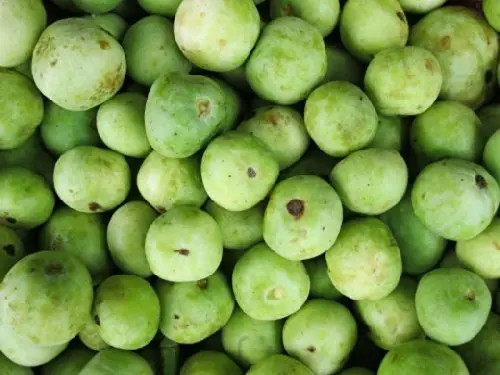
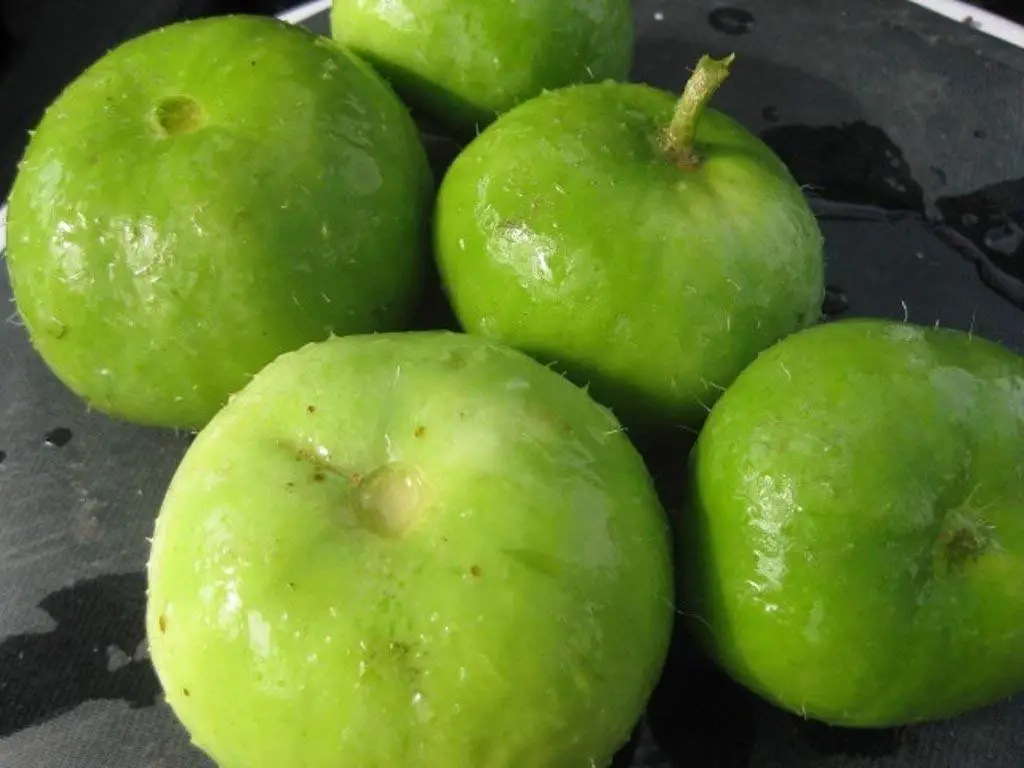
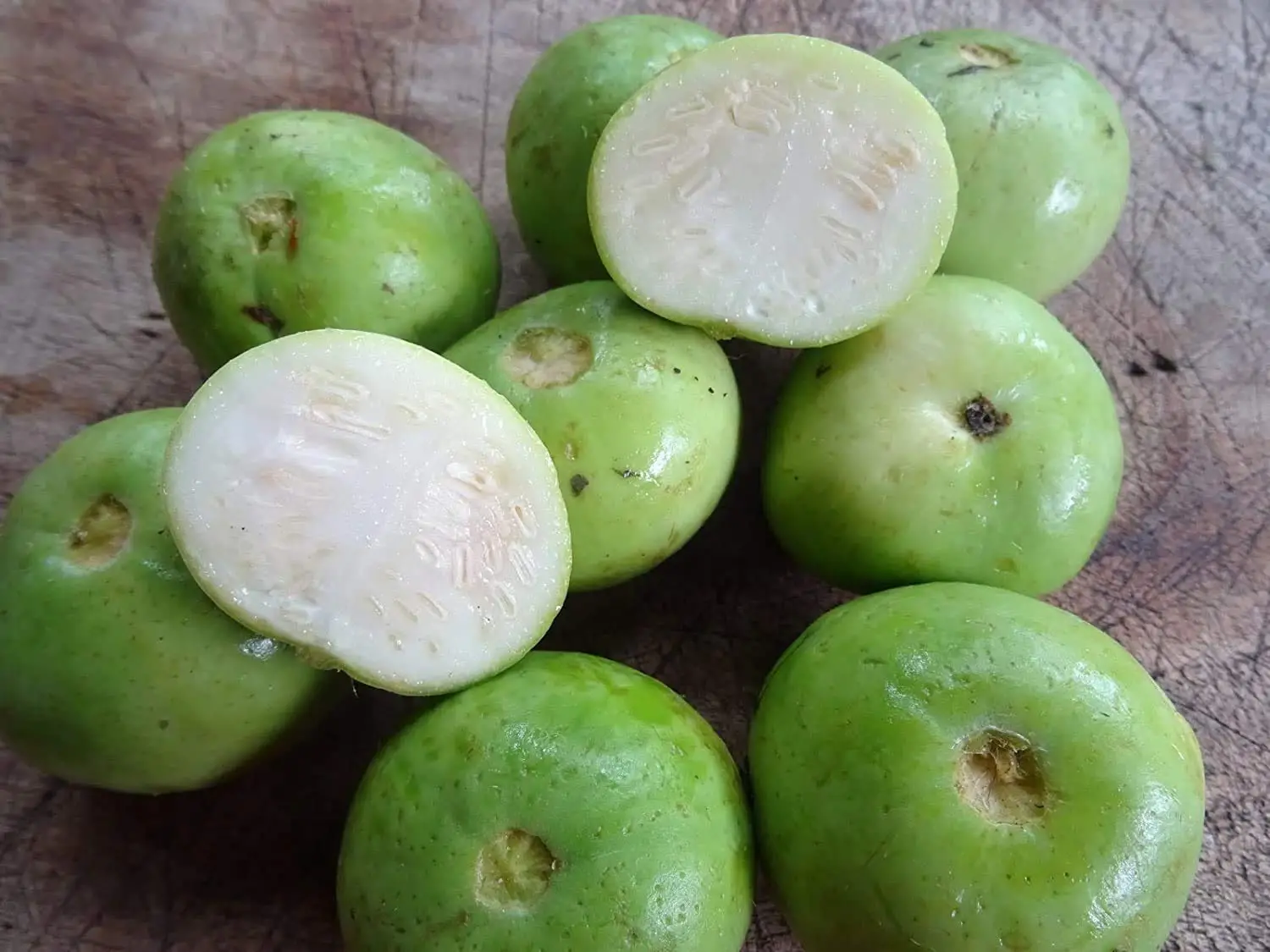
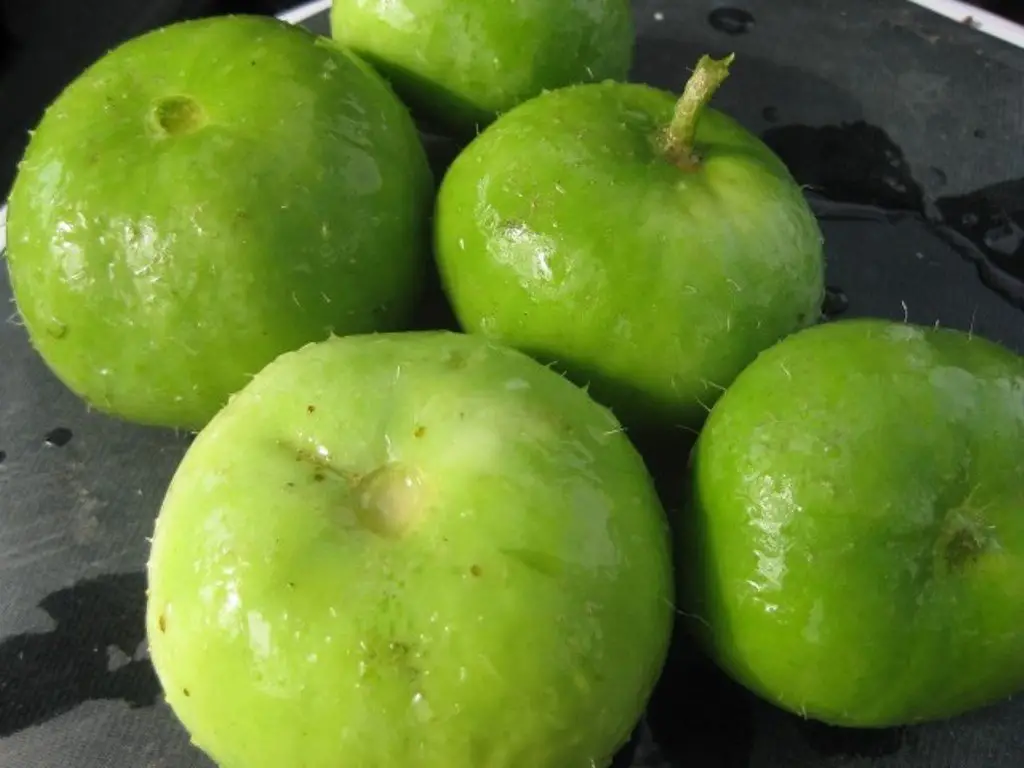

Grow the legendary Tinda—India’s legendary medicinal gourd with a cooling, hydrating flesh prized in Ayurveda for centuries. Tender at harvest, these apple-sized fruits deliver white, cucumber-like flesh that aids digestion and soothes inflammation. Vigorous vines produce abundantly in just 70 days. Perfect for warm climates; grown easily from seed on trellis or ground.
Imagine plucking small, green, apple-sized orbs from your garden—each one a living pharmacy wrapped in soft spines, ready to transform into a cooling elixir or warming curry that your body craves.
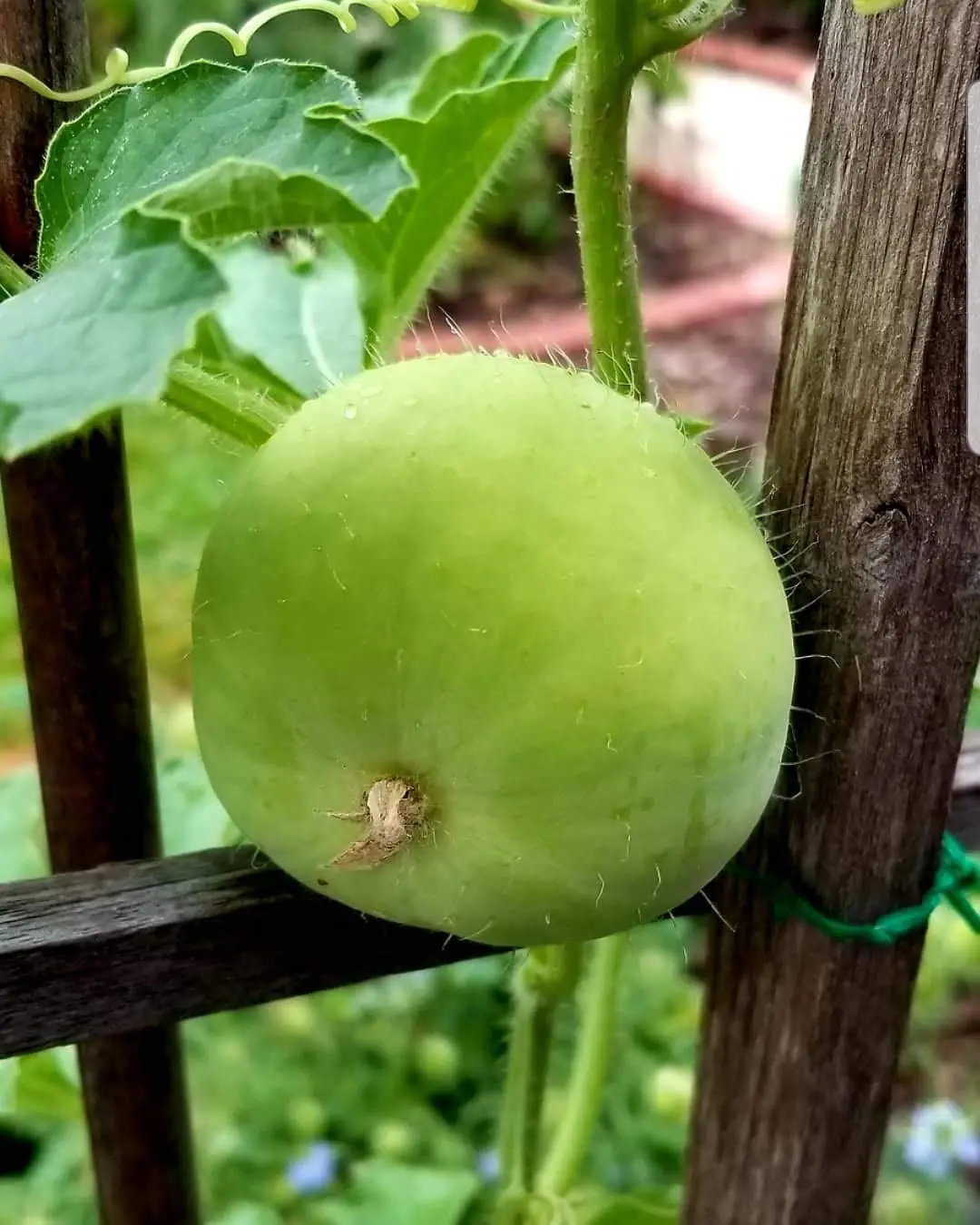
Benincasa fistulosa, also known as Indian round gourd, apple gourd, or Indian baby pumpkin, is a small, spherical vegetable in the Cucurbitaceae family, native to India and commonly cultivated in South Asia for its tender, immature fruits. The plant is an annual climber or trailer with robust, hairy stems, pinnately divided leaves, and yellow flowers that produce round fruits measuring 5-8 cm in diameter, featuring light green to yellowish skin covered in soft hairs and dimples when young. This isn’t just another gourd—it’s an heirloom treasure, the heritage crop of Punjabi families for generations, earning its affectionate name “Tinda.”
Here lies the magic: The Ayurveda medicinal system believes ash gourds have immense medicinal properties. In Ayurveda, ash gourd is considered tridoshic, meaning it balances all three doshas (vata, pitta, and kapha). Its cooling nature is especially useful for soothing pitta dosha, which is associated with heat, inflammation, and acidity. Traditionally, it has been used in Ayurvedic medicine to treat digestive disorders, reduce inflammation, and support kidney health. It is often cooked in soups, stews, and desserts, serving as a cooling agent in hot climates due to its hydrating properties. Many communities use ash gourd as a home remedy for fever, dysentery, and other illnesses. The immature fruit has white, moist, cucumber-like flesh surrounding small, edible cream-colored seeds, offering a mild, slightly sweet flavor—perfect raw in salads, roasted into tender sweetness, or simmered into curries that cool and heal from within. The tender fruit is rich in water content and low in carbohydrates, making it the vegetable healers reach for when seeking gentle nourishment.
Growing Tinda is refreshingly simple. Tinda thrives in warm climates with full sun and well-drained soil, maturing in 58-60 days on prolific vines that can reach 1-2 meters in length. Plants are vigorous, productive and begin to bear fruits in 70 days after planting. Well-drained, fertile loamy soil with a slightly acidic to neutral pH of 6.0-7.0 is optimal, and enriching soil with compost or well-rotted manure improves yield. Its climbing, vigorous and fast-growing habit renders it excellent for a gazebo but it can also be cultivated on the ground, and in the years of cultivation it has not shown any particular problems with peronospora or powdery mildew. Seeds typically germinate in 7-14 days at temperatures of 22°C-30°C. This is a plant that rewards effort with abundance—no fussing, no struggle, just pure prolific growth.
From the moment your seedlings emerge, you’ll sense something ancient awakening in your garden. You’re not just growing a vegetable; you’re growing a bridge to centuries of Indian wisdom, a living embodiment of cooling vitality. Harvest when the fruit is still tender and green for the best taste and texture, and feel the satisfaction of translating garden bounty into healing food. Whether you’re seeking the gentle cooling of Ayurveda, the flavor of authentic regional cuisine, or simply the joy of growing something remarkable from seed—Tinda calls to you. Begin your journey now.
Only logged in customers who have purchased this product may leave a review.
Reviews
There are no reviews yet.