
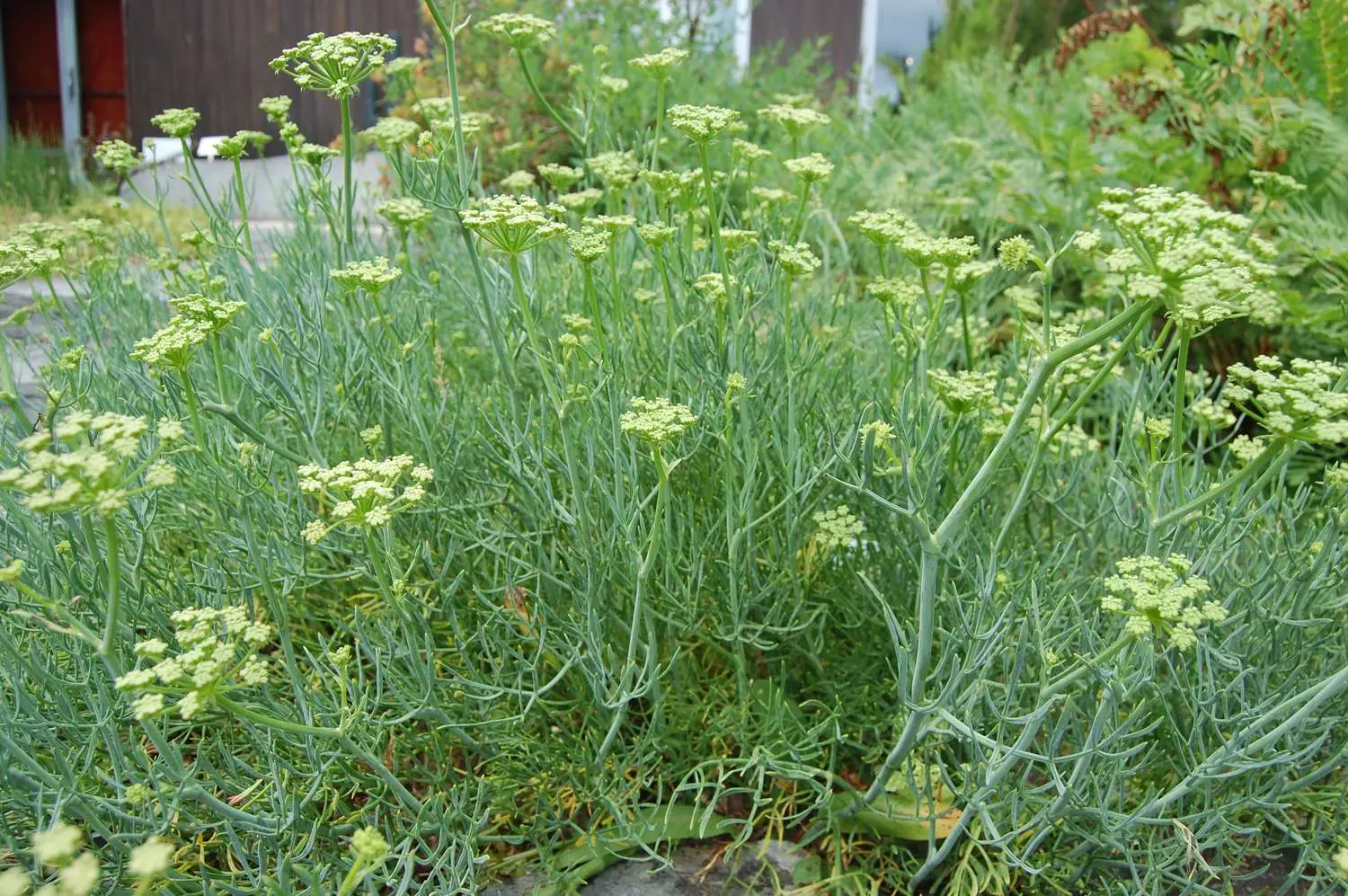
Grow your own legendary pickled delicacy. Rock Samphire, prized since antiquity for its crisp, salty, citrus-bright leaves, transforms into addictively tangy pickles—the same ones 19th-century Londoners paid fortunes for. Fleshy blue-green foliage, chartreuse summer flowers, and zero fuss in well-drained soil. From seed to jar-ready harvest in months. Pure coastal magic.
€1.92
Imagine plucking tender, salt-kissed leaves from your own garden—leaves that have captivated palates since ancient Greece and fueled European trade routes for three centuries.
Crithmum maritimum is that rare plant: a culinary time capsule wrapped in stunning coastal aesthetics. Native to rocky shores and sea cliffs from the Mediterranean to the Atlantic coasts of Europe, this succulent perennial is far more than decoration. It’s a gateway to flavors and history most modern gardeners have never tasted.
Here’s where rock samphire becomes irresistible: **the pickle**. Traditionally harvested in spring, the tender leaves and stems are briefly blanched and packed into vinegar with salt—a preparation that has survived empires. In 19th-century England, rock samphire from Dover’s cliffs and the Isle of Wight commanded 4 shillings per bushel in London’s markets. Pickled samphire was so prized that desperate harvesters dangled from cliff faces to gather it. Today, chefs rediscover it in haute cuisine: a piquant garnish, a briny condiment with seafood, a conversation-starting accent on the gourmet table. The flavor is unforgettable—crisp, salty, with whispers of lemon and subtle aniseed notes. Use the fresh tender shoots raw in salads; steam or blanch the leaves like asparagus; pickle the seed pods like capers. Each part of the plant earns its place on your plate.
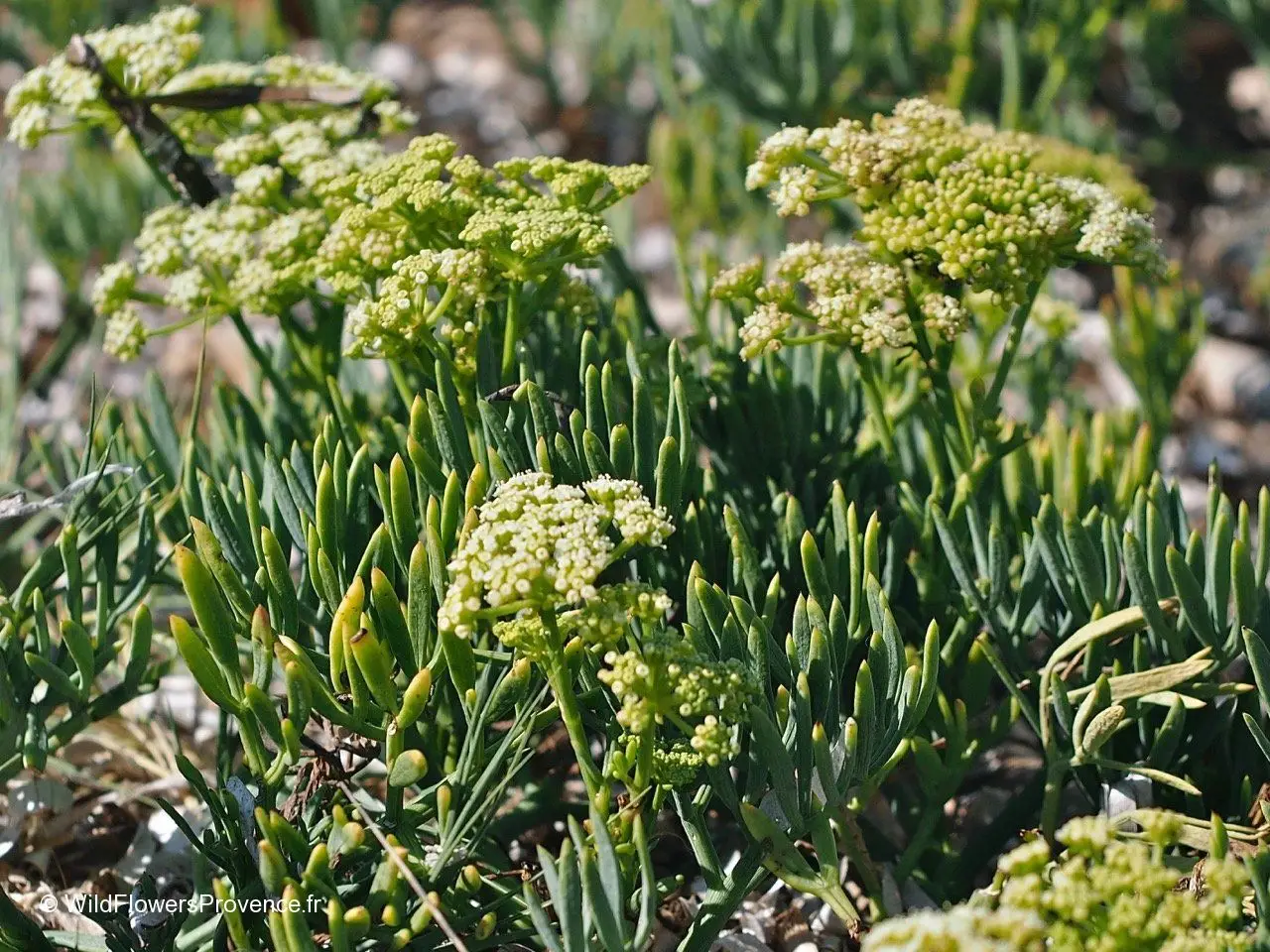
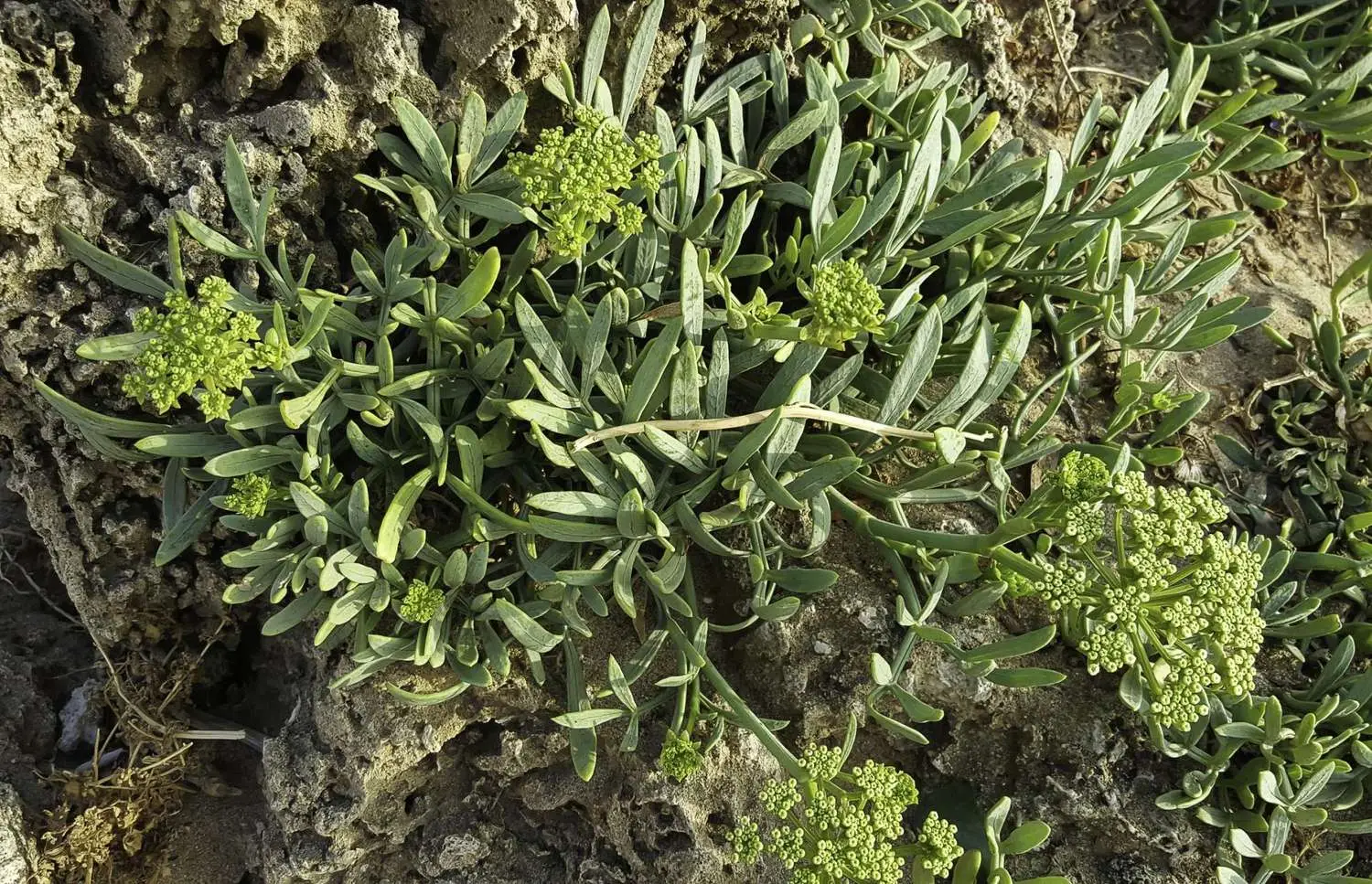
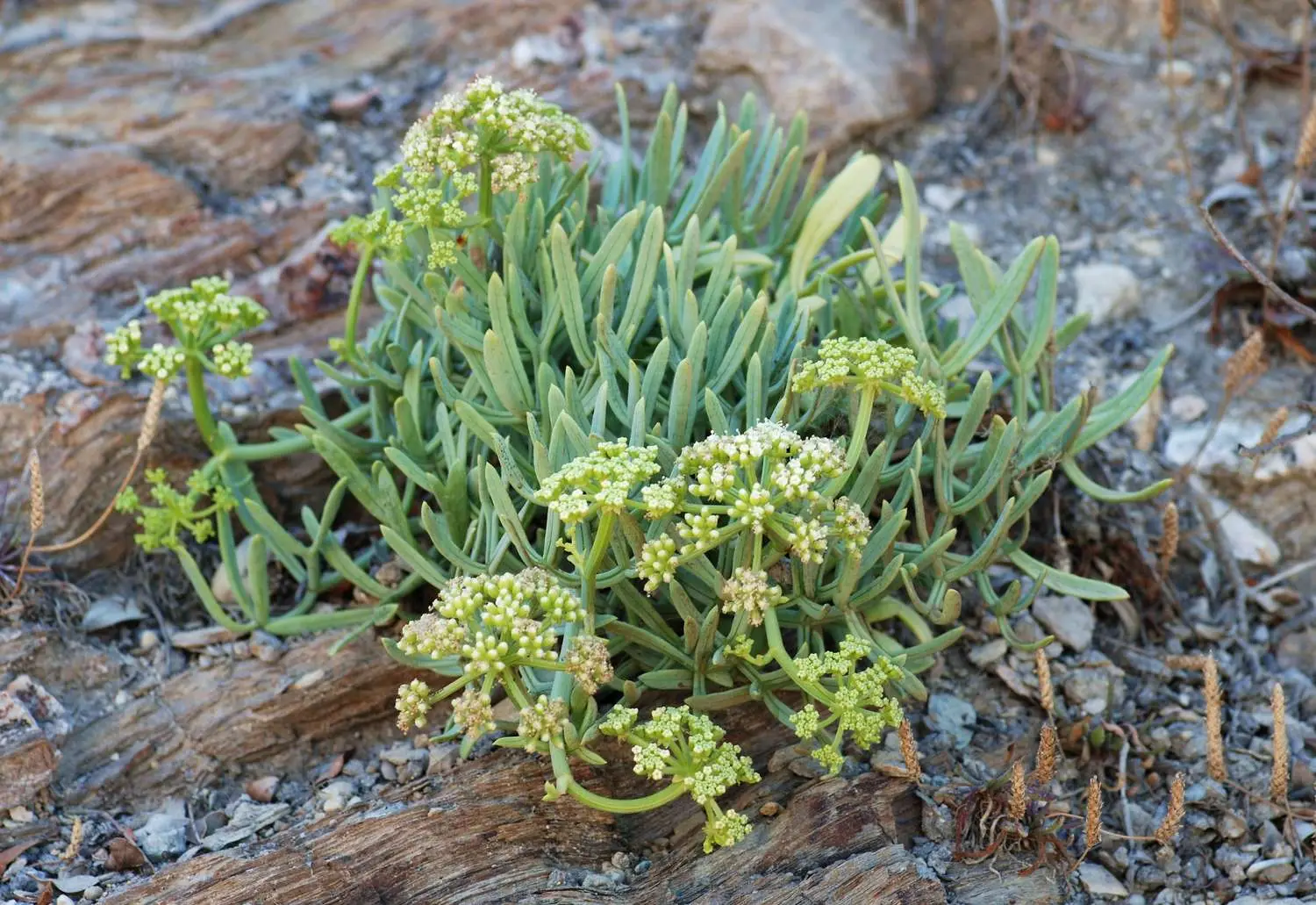
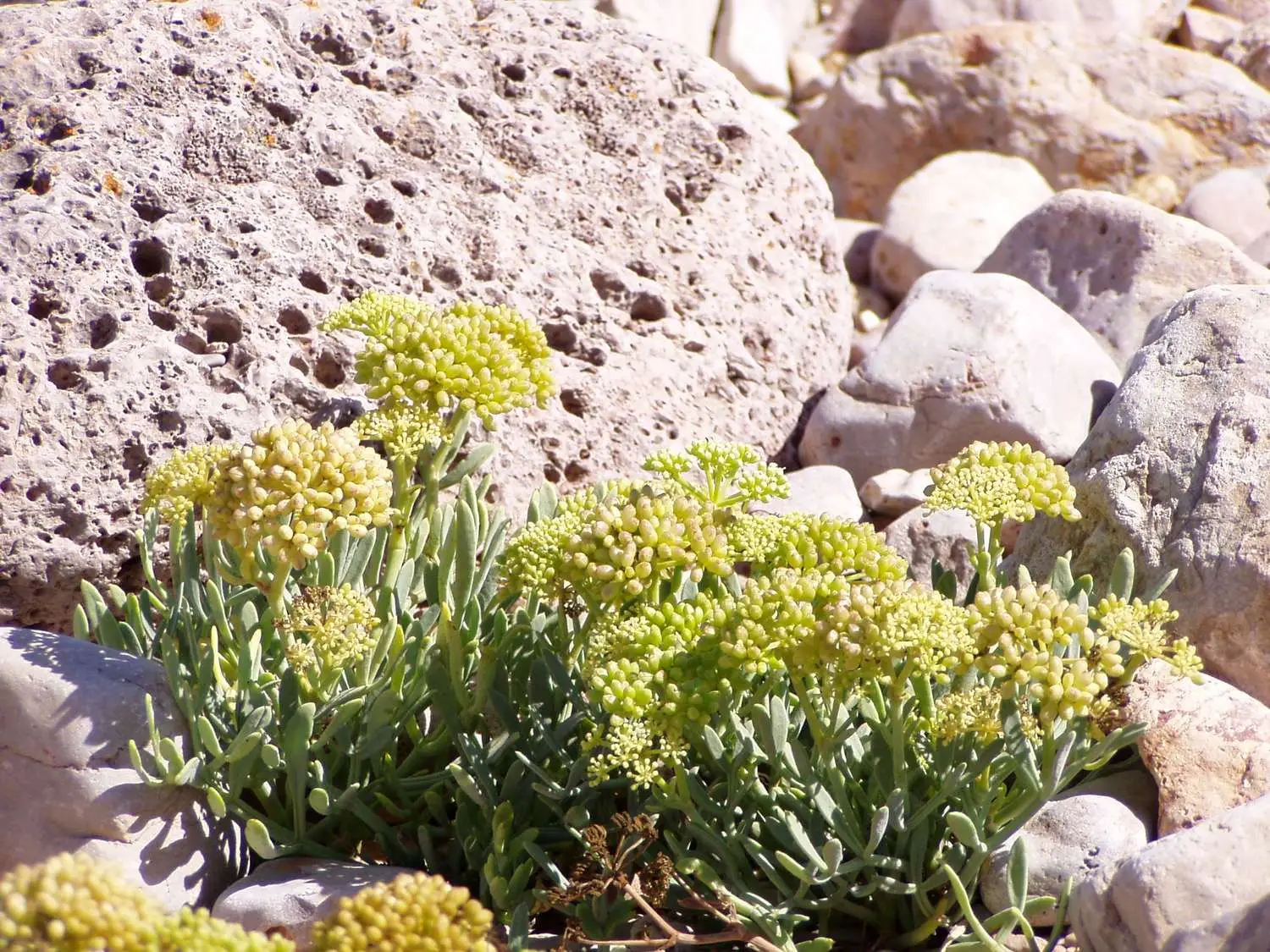
Beyond the kitchen, rock samphire glows as an ornament. Fleshy, finely divided blue-green foliage forms dense, low-spreading mats (30-50 cm tall). In summer, chartreuse-yellow umbels (those umbels everyone is craving right now) float above the leaves, attracting bees and pollinators. The plant even enriches skin cosmetics—its essential oils and antioxidants have ancient credentials and modern applications.
**Growing rock samphire is genuinely easy.** This is a plant that evolved on wind-battered cliffs and salt-sprayed rocky shores. Once established, it laughs at drought, poor soil, and salt. It demands only full sun and sharply drained soil—perfect for coastal gardens, gravel beds, rock gardens, containers, and even challenging seaside exposures where tender ornamentals fail. It tolerates gravelly, sandy, even nutritionally poor substrates. No rich feeding required; minimal water once rooted. It is frost-hardy (zones 5–9) and evergreen, so your investment looks good year-round. The only thing it cannot forgive is wet feet—ensure drainage, and you’ll have a resilient, long-lived perennial that returns year after year, producing harvestable leaves from spring through fall.
Seeds germinate readily in spring. Sow on the surface of well-draining seed mix; they need light to sprout. Keep moist until established, then stand back. You are literally growing something that warriors and merchant ships once fought over—and you’re doing it from seed, on your own terms, in your own soil.
This is the plant the Victorians cultivated in kitchen gardens. It’s the one Shakespeare knew. The one sailors relied on to prevent scurvy, loaded with vitamin C and antioxidant-rich aromatic oils. Now it’s your turn to bring this forgotten delicacy home—and taste the sea, history, and gourmet pride in every pickle.
Only logged in customers who have purchased this product may leave a review.
Reviews
There are no reviews yet.