Description
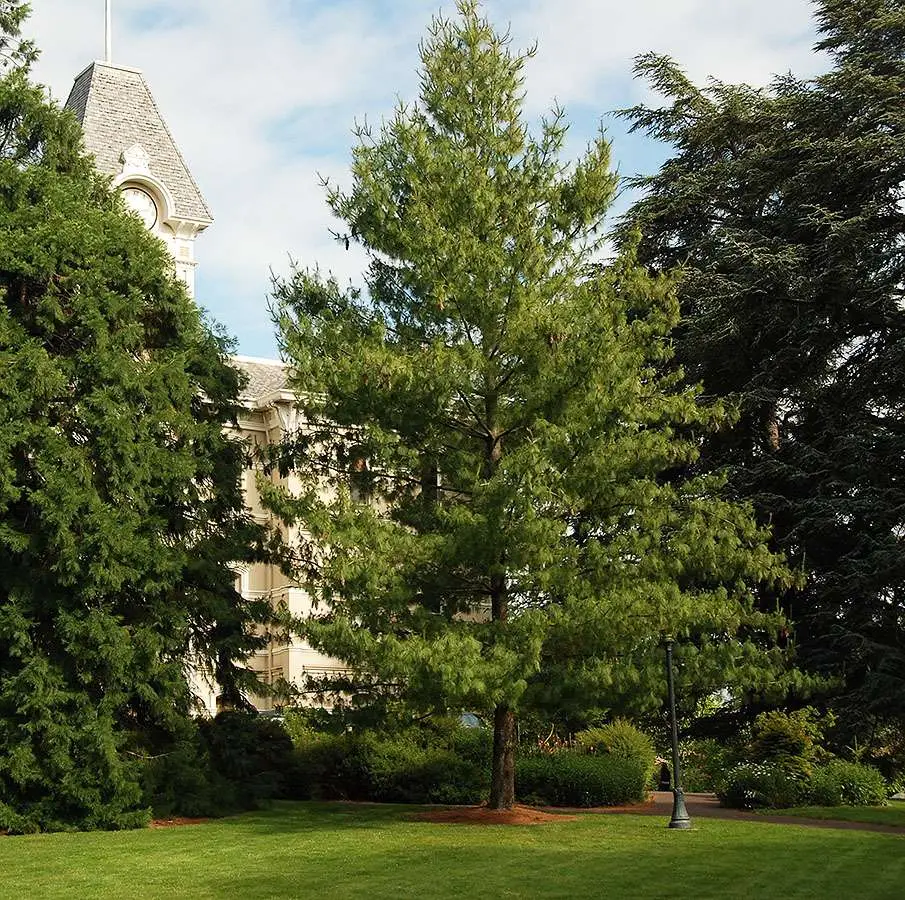
Pinus wallichiana, commonly known as Himalayan pine, Bhutan pine, or blue pine, is a large, graceful evergreen conifer native to the Himalayan region. It’s admired for its elegant, drooping foliage and is widely used for timber, turpentine, and as an ornamental tree.
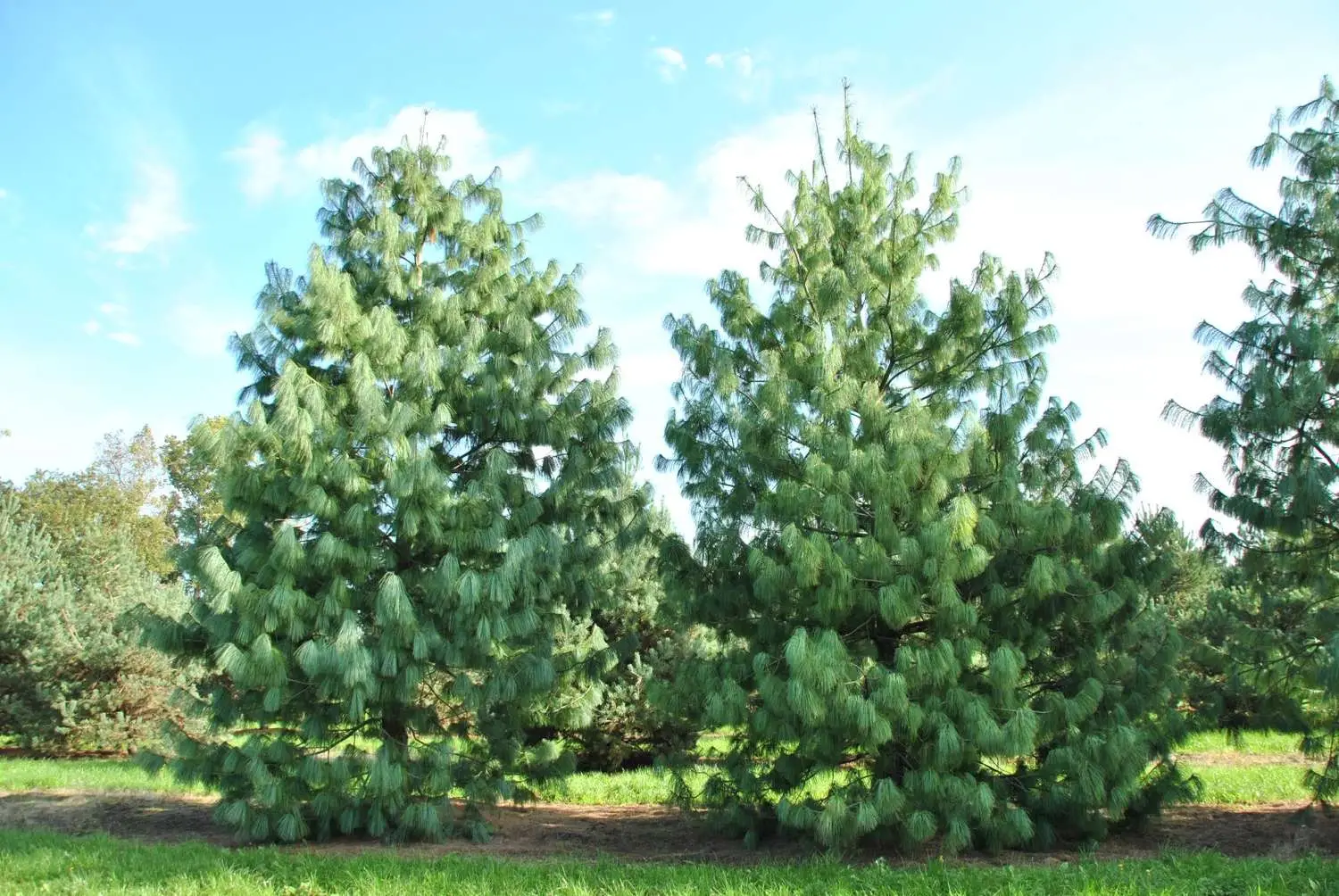
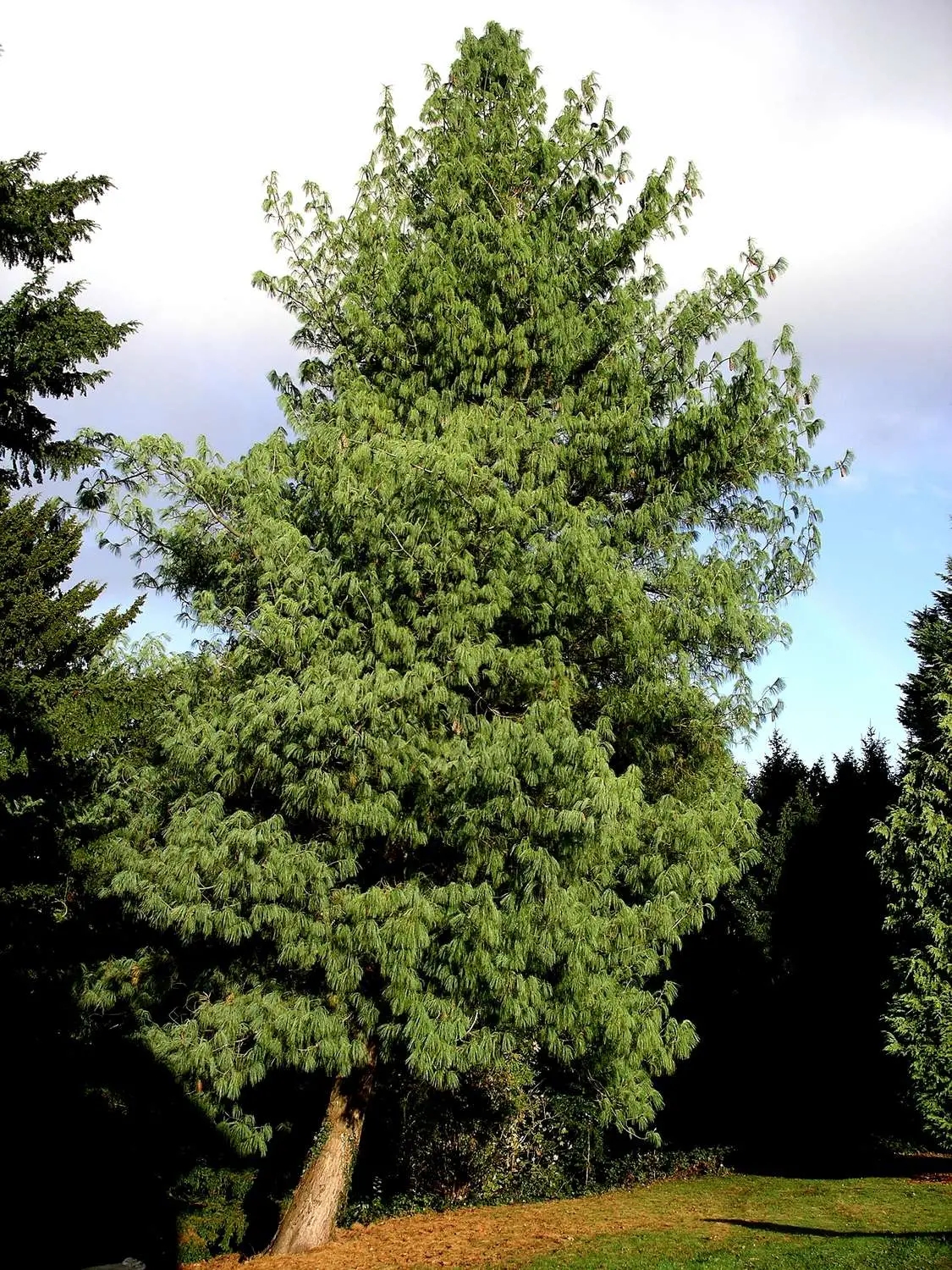
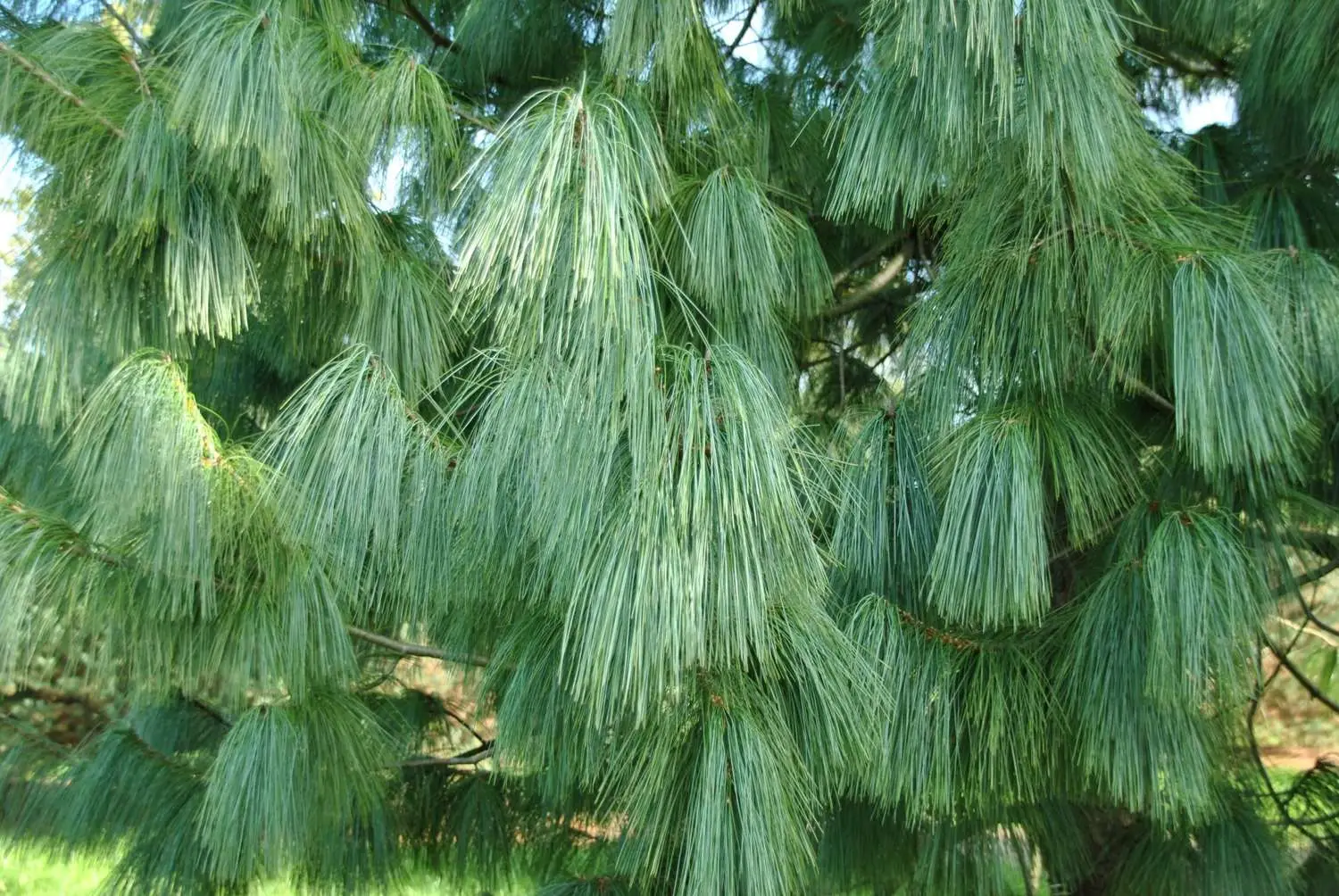
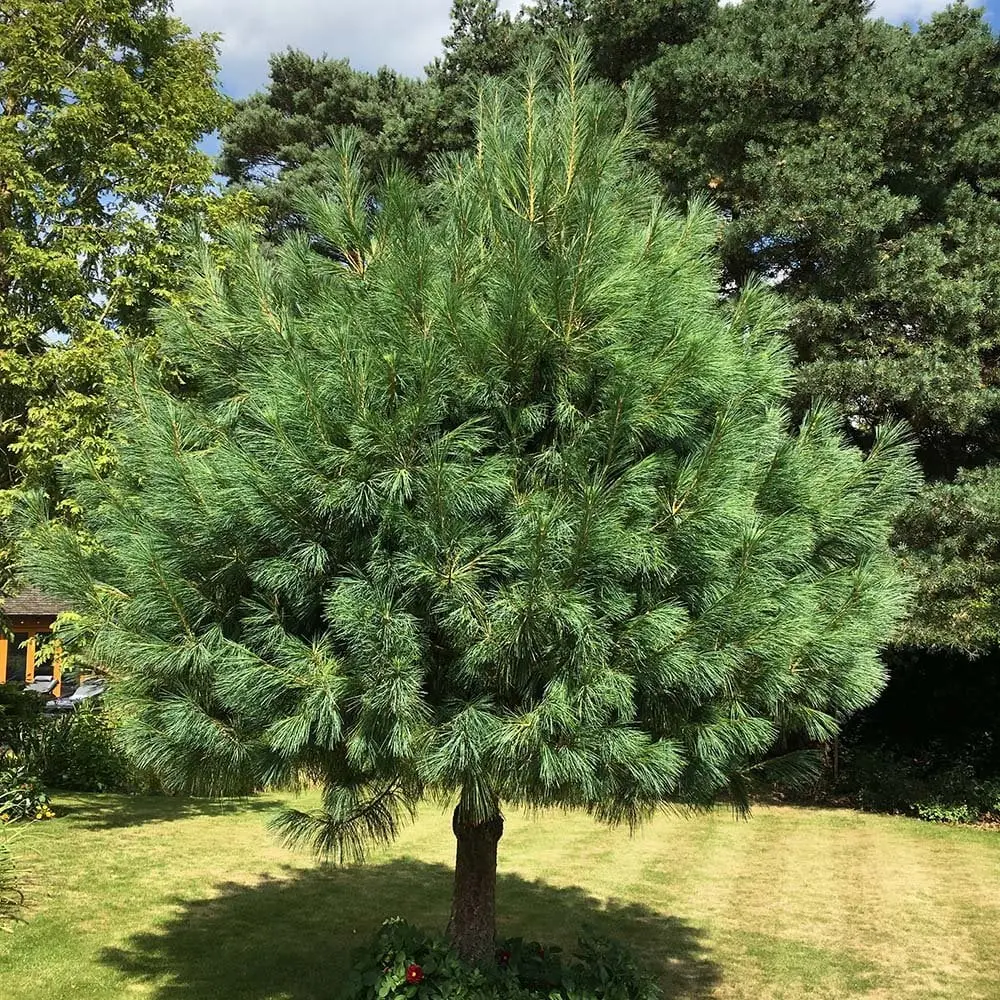
This tree can grow to 30-50 meters tall with a straight trunk and a broad, pyramidal crown that becomes more open and irregular with age. The bark on young trees is smooth and gray but becomes fissured and darker with maturity. The needles are a striking feature: they are long (12-20 cm), soft, slender, and arranged in bundles of five. They are typically a bluish-green or grayish-green color, and they often hang down, giving the tree a soft, flowing appearance.
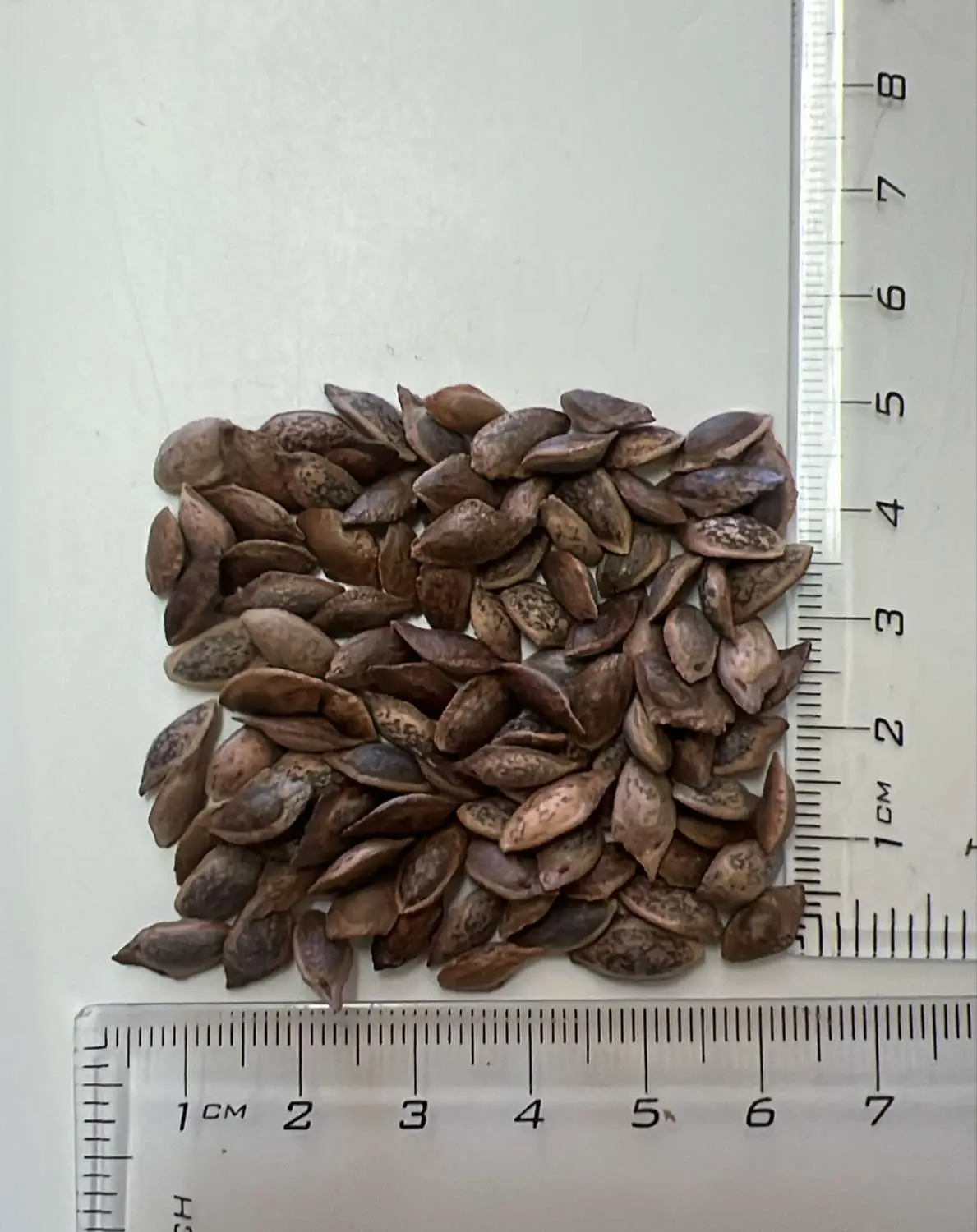
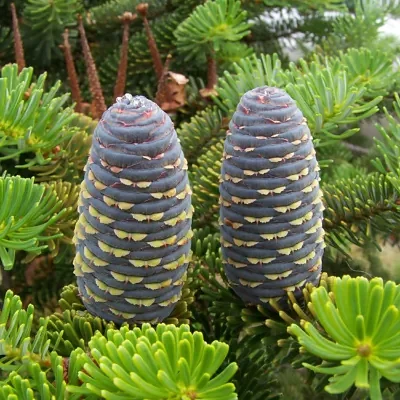
The cones of Pinus wallichiana are long and slender, measuring 15-30 cm. They are erect when young but become pendulous as they mature. The cones are initially bluish-green and turn a light brown when they ripen. The seeds are small, about 5-6 mm long, and have a long wing (20-30 mm) that helps with wind dispersal. They are enclosed within the scales of the cone and are released when the cone opens, typically while still on the tree.
Germination Guide
🌍 Himalaya, Karakoram and Hindu Kush mountains, from eastern Afghanistan east across northern Pakistan and northwest India to Yunnan in southwestern China; elevations 1800-4300 m
Moderate
Pinus wallichiana, commonly known as Himalayan pine or blue pine, is a majestic conifer native to high-altitude Himalayan regions from Afghanistan to southwestern China. The species has morphophysiological dormancy requiring cold stratification to break seed dormancy, with optimal germination achieved after 120 days of moist cold stratification followed by sowing at warm soil temperatures. Its distinctive long, drooping blue-green needles and decorative cones have made it popular in ornamental plantings worldwide.
Germination
Germination time
Expect germination in
14 – 28 days
Temperature
Min 10°C
Ideal 15°C
Max 25°C
Substrate moisture
💧 Medium
Seed Pre-treatment
-
💧
Soaking — 24 hours
Soak seeds in water for 24 hours before stratification and sowing.
-
🔨
Hot water scarification
Soak seeds in room temperature water for 24 hours before sowing to improve germination.
-
❄️
Cold stratification — 120 days at 4°C
-
📋
Additional notes
Stratify in moist sand or at cold temperatures before sowing; best germination occurs with 120 days stratification followed by sowing at 15-20°C soil temperature.
Substrate & Container
Recommended substrate
Sandy loam or loamy sand, well-drained soil, moist sand for stratification
Recommended container
Individual pots in cold frame or containers with good drainage
Growing Tips
Soak seeds in room temperature water for 24 hours, then stratify in moist sand at 4°C for 120 days (shorter 6-week stratification can improve stored seed germination). Sow seeds 1/4 inch deep, tamp soil firmly, and mulch the seed bed. Maintain soil temperature of 15-20°C during germination. Use well-drained sandy loam soil in individual pots within a cold frame. Seeds are light-demanding, so provide adequate light after germination. Retain seedlings in pots for at least two years before transplanting outdoors.
Only logged in customers who have purchased this product may leave a review.


Reviews
There are no reviews yet.