Description
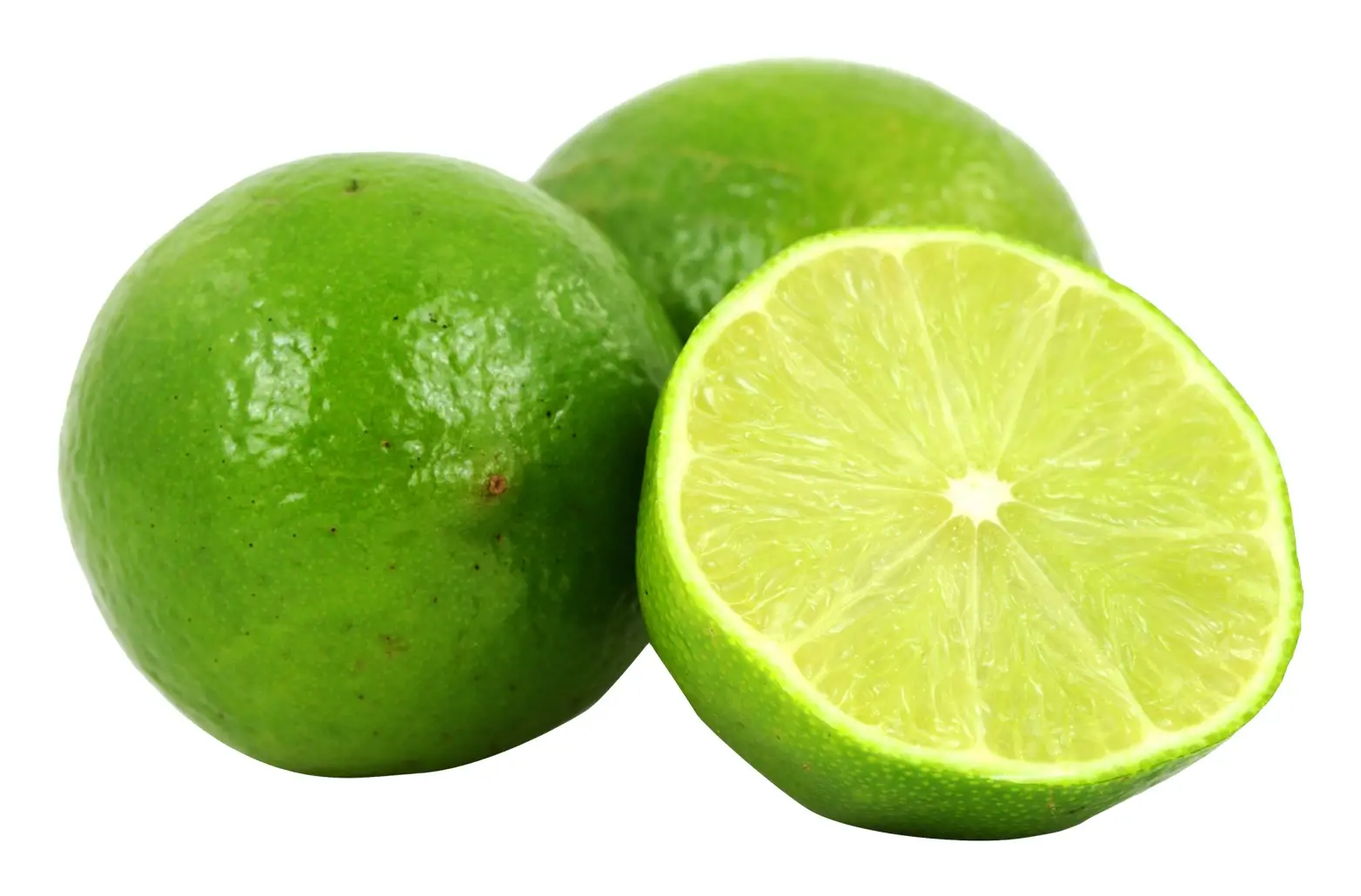
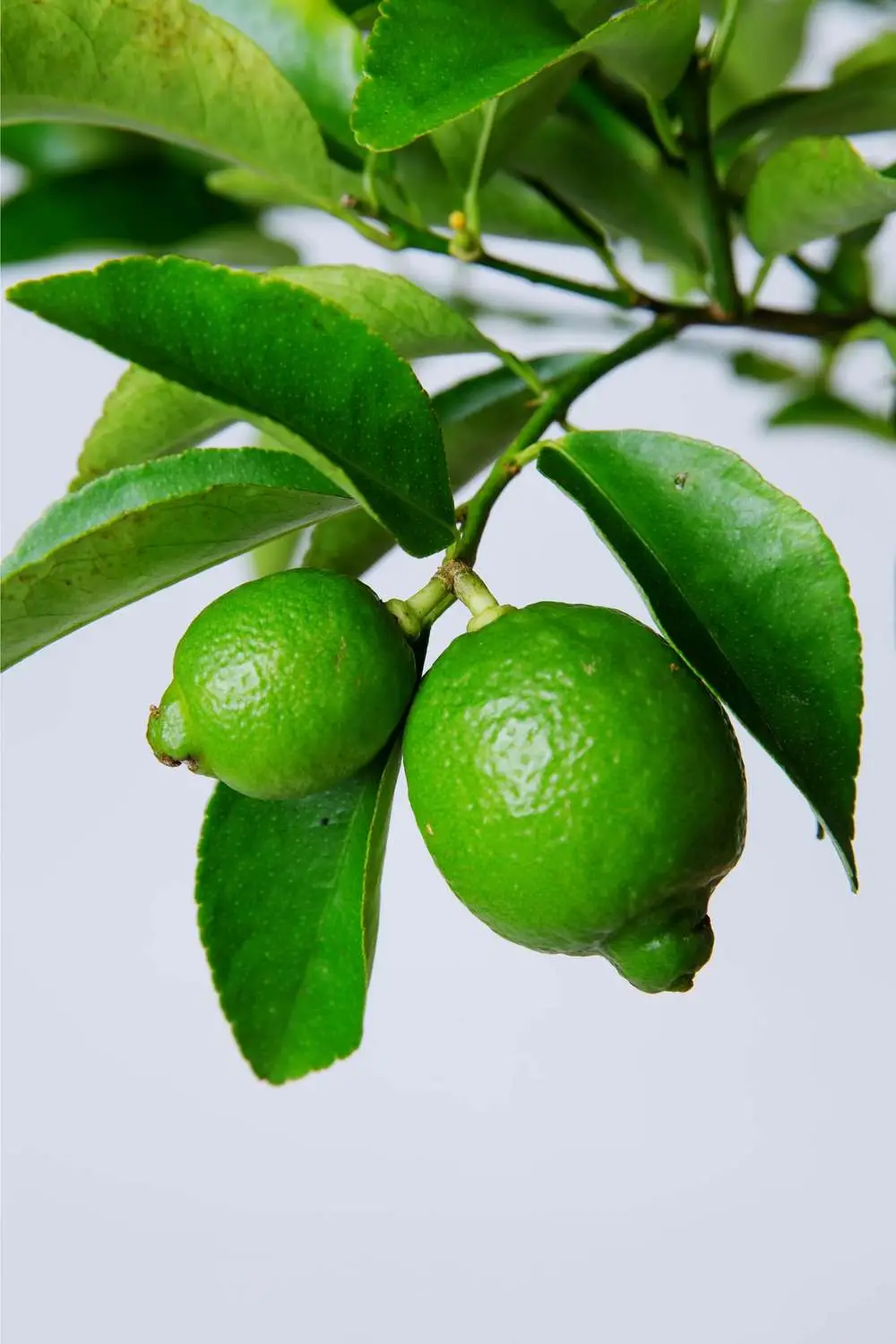
The Key lime or acid lime (Citrus × aurantiifolia or C. aurantifolia) is a citrus hybrid (C. hystrix × C. medica) native to tropical Southeast Asia. It has a spherical fruit, 25–50 mm (1–2 in) in diameter. The Key lime is usually picked while it is still green, but it becomes yellow when ripe.
The Key lime has thinner rind and is smaller, seedier, more acidic and more aromatic than the Persian lime (Citrus × latifolia). It is valued for its characteristic flavor. The name comes from its association with the Florida Keys, where it is best known as the flavoring ingredient in Key lime pie. It is also known as West Indian lime, bartender’s lime, Omani lime, or Mexican lime, the last classified as a distinct race with a thicker skin and darker green colour. Philippine varieties have various names, including dayap and bilolo.
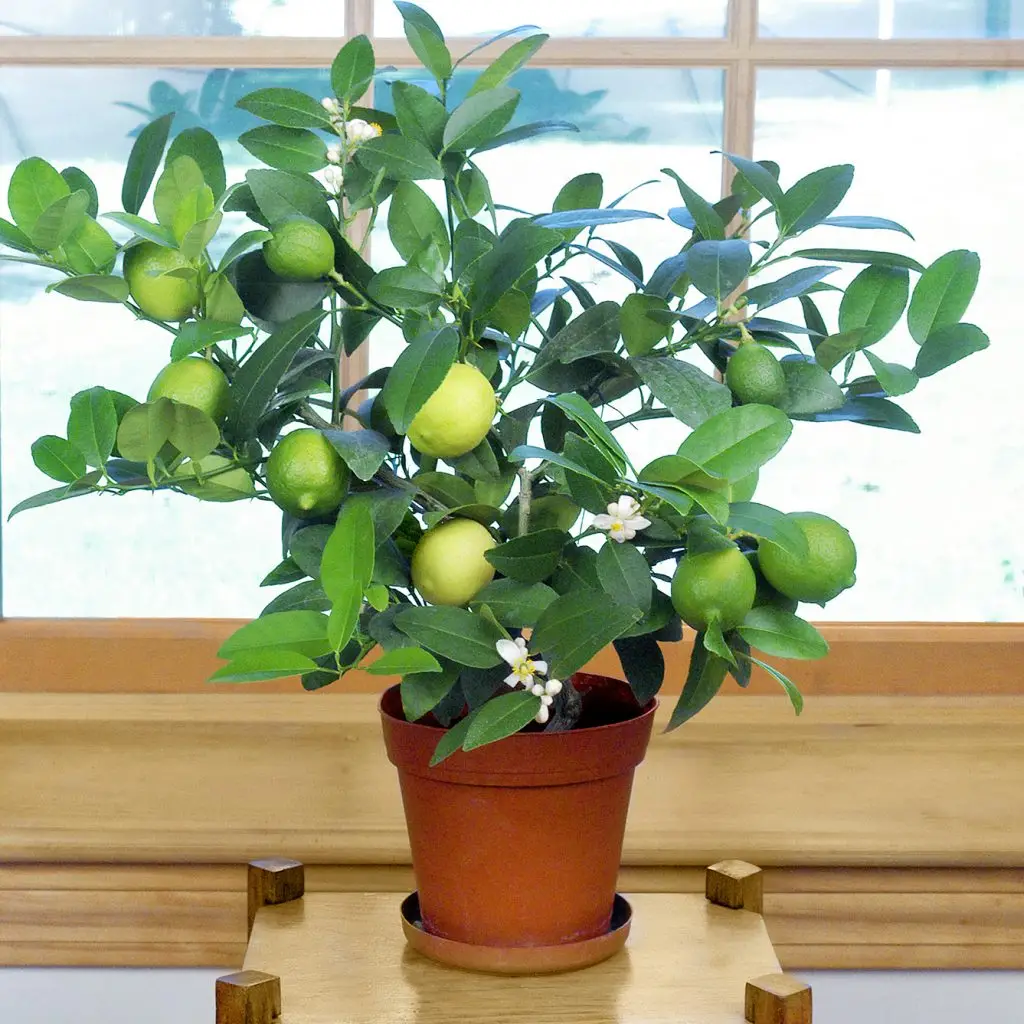
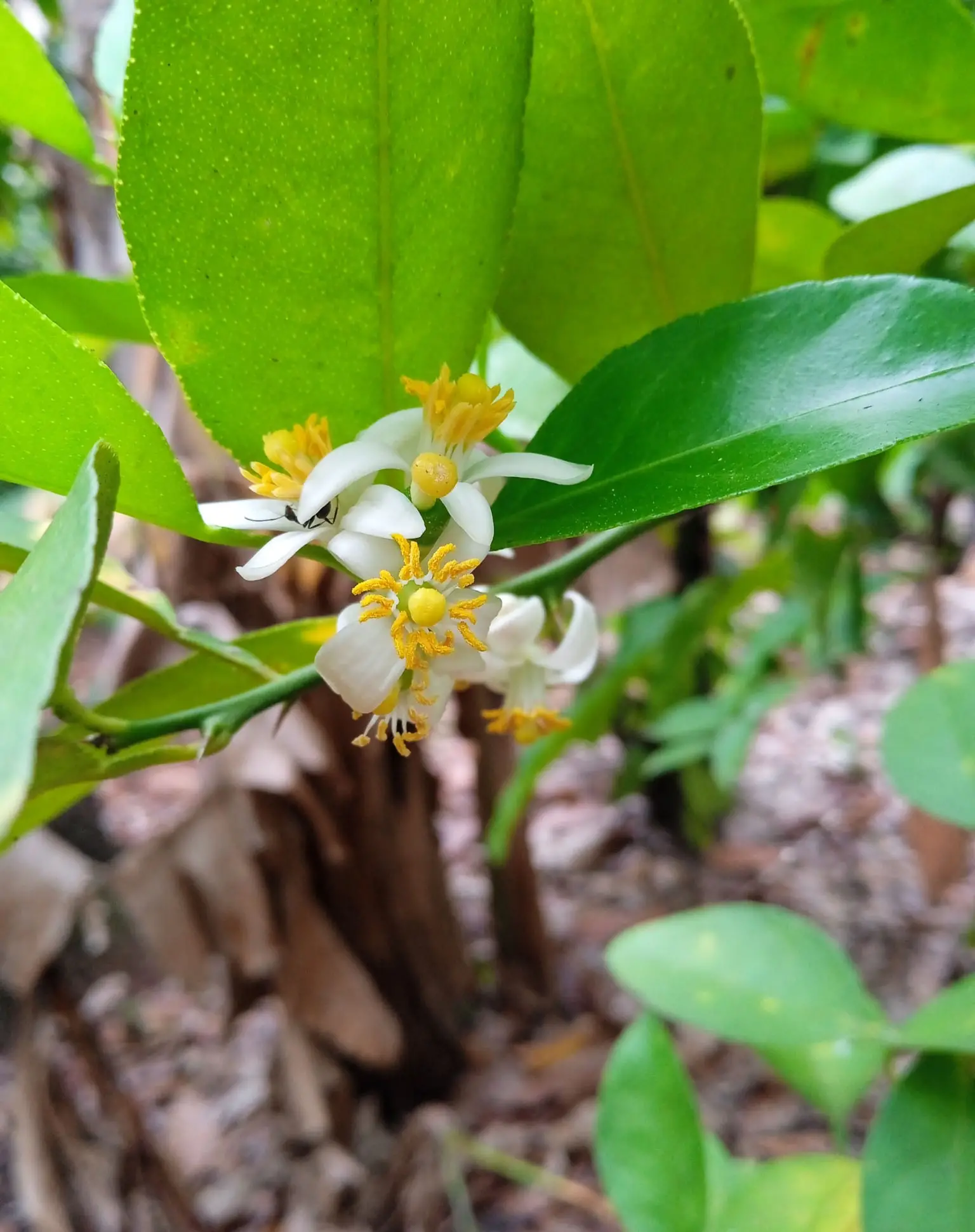
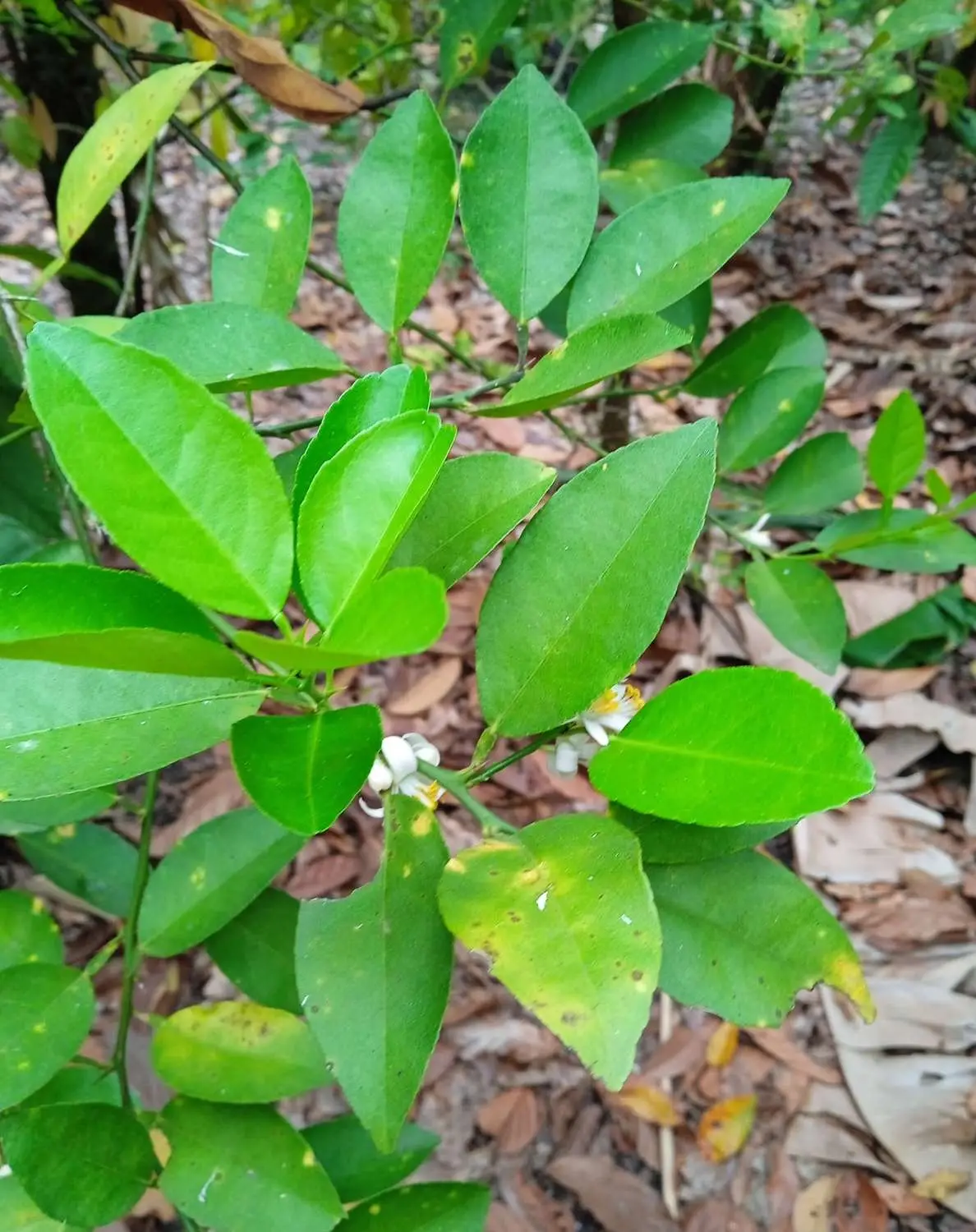
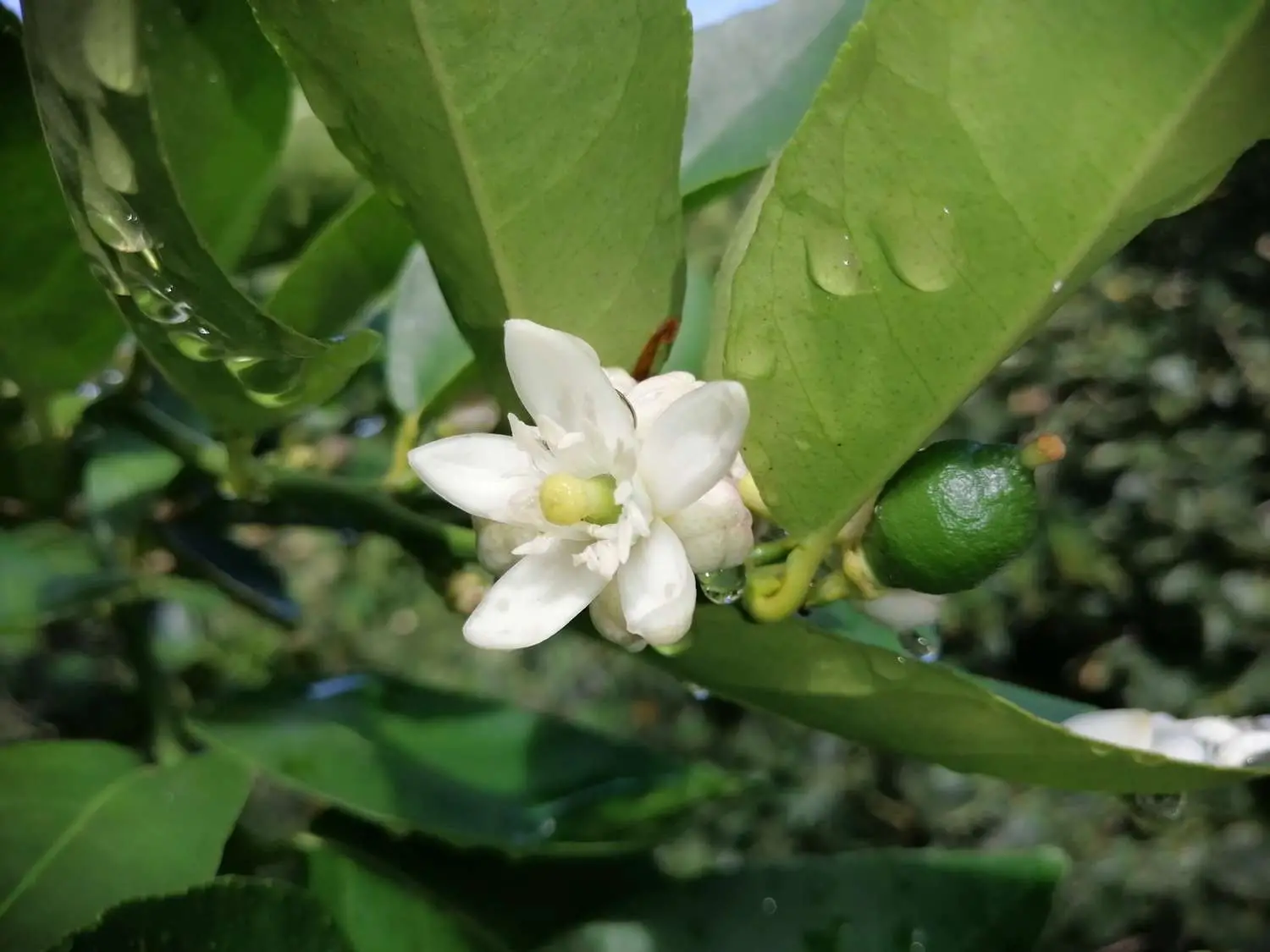
C. aurantiifolia is a shrubby tree, to 5 m (16 ft), with many thorns. Dwarf varieties exist that can be grown indoors during winter months and in colder climates. Its trunk, which rarely grows straight, has many branches, and they often originate quite far down on the trunk. The leaves are ovate, 25–90 mm (1–3+1?2 in) long, resembling orange leaves (the scientific name aurantiifolia refers to this resemblance to the leaves of the orange, Citrus aurantium). The flowers are 25 mm (1 in) in diameter, are yellowish white with a light purple tinge on the margins. Flowers and fruit appear throughout the year, but are most abundant from May to September in the Northern Hemisphere.
Skin contact can sometimes cause phytophotodermatitis, which makes the skin especially sensitive to ultraviolet light.
Germination Guide
🌍 Southeast Asia
Moderate
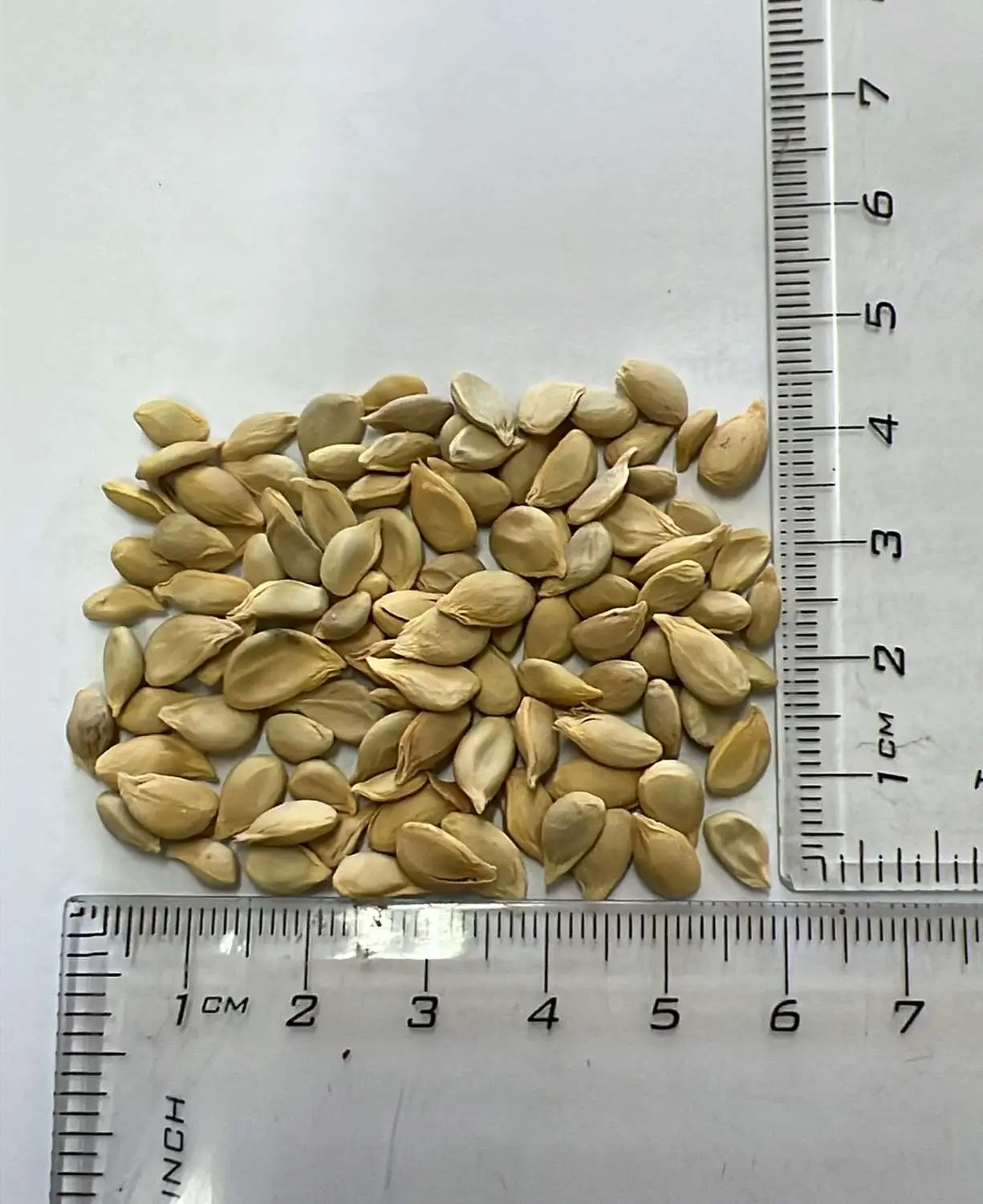
Citrus aurantifolia, commonly known as Key Lime or Mexican Lime, is a small tropical citrus tree native to Southeast Asia and grown worldwide for its aromatic, tart fruit. Seeds are highly recalcitrant and must be kept moist; they propagate reliably from fresh seeds without requiring dormancy breaking, making germination relatively straightforward with proper moisture and temperature control.
Germination
Germination time
Expect germination in
7 – 21 days
Temperature
Min 20°C
Ideal 25°C
Max 30°C
Substrate moisture
💧 Medium
Seed Pre-treatment
-
💧
Soaking — 24 hours
Soak seeds in tepid water (25-30°C) for 12-24 hours to soften seed coat and improve germination
-
📋
Additional notes
Soak fresh seeds in warm water to soften seed coat; seeds must remain moist as they will not germinate if allowed to dry out
Substrate & Container
Recommended substrate
Well-draining seed mix (equal parts seed compost, perlite, and horticultural sand or 60% potting soil + 40% perlite)
Recommended container
Individual 4-inch pots with propagation dome or plastic wrap cover
Growing Tips
Use fresh seeds whenever possible. Keep substrate barely moist but not waterlogged to prevent rot; water with spray bottle to maintain light moisture. Maintain constant warmth with germination mat set to 75-80°F (24-27°C) for fastest germination. Use shallow sowing depth of 1/4 to 1/2 inch. Expect germination within 2-3 weeks under optimal conditions. Remove propagation dome once first true leaves unfurl. Provide bright, indirect light and gradually acclimate seedlings to direct sun over 2 weeks before transplanting. Transplant at 2 inches tall into citrus-formula potting soil. Seeds exhibit polyembryony (multiple embryos per seed). Trees from seed typically produce fruit in 3-6 years but may take up to 8 years.
Only logged in customers who have purchased this product may leave a review.



Reviews
There are no reviews yet.