Description
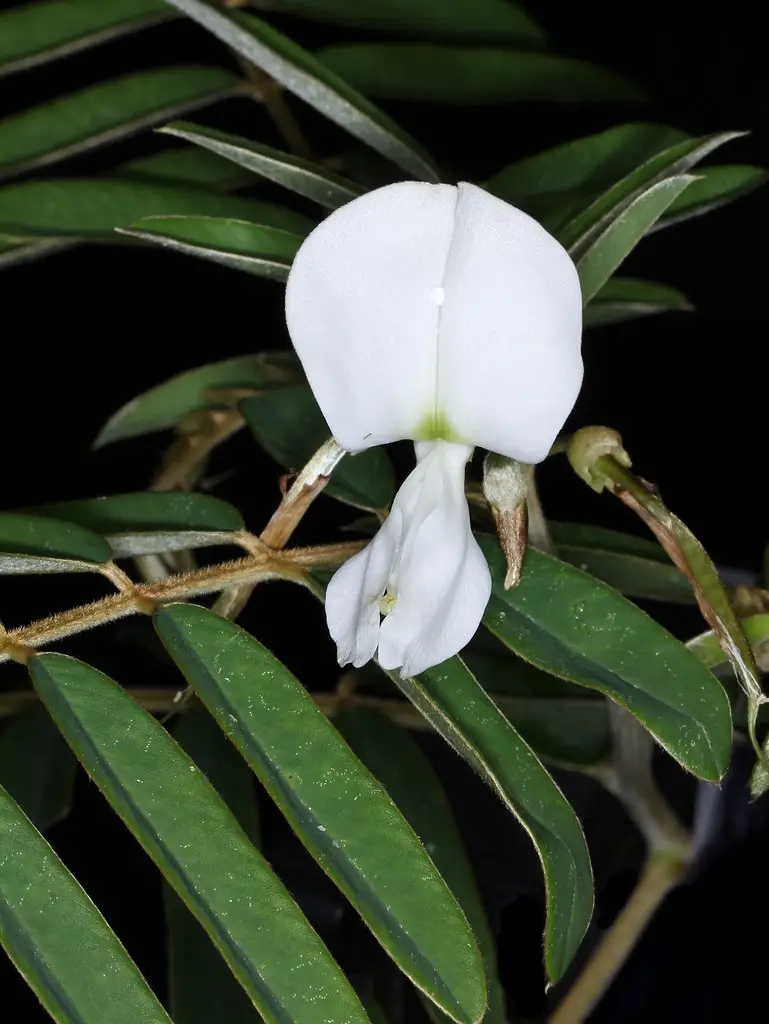
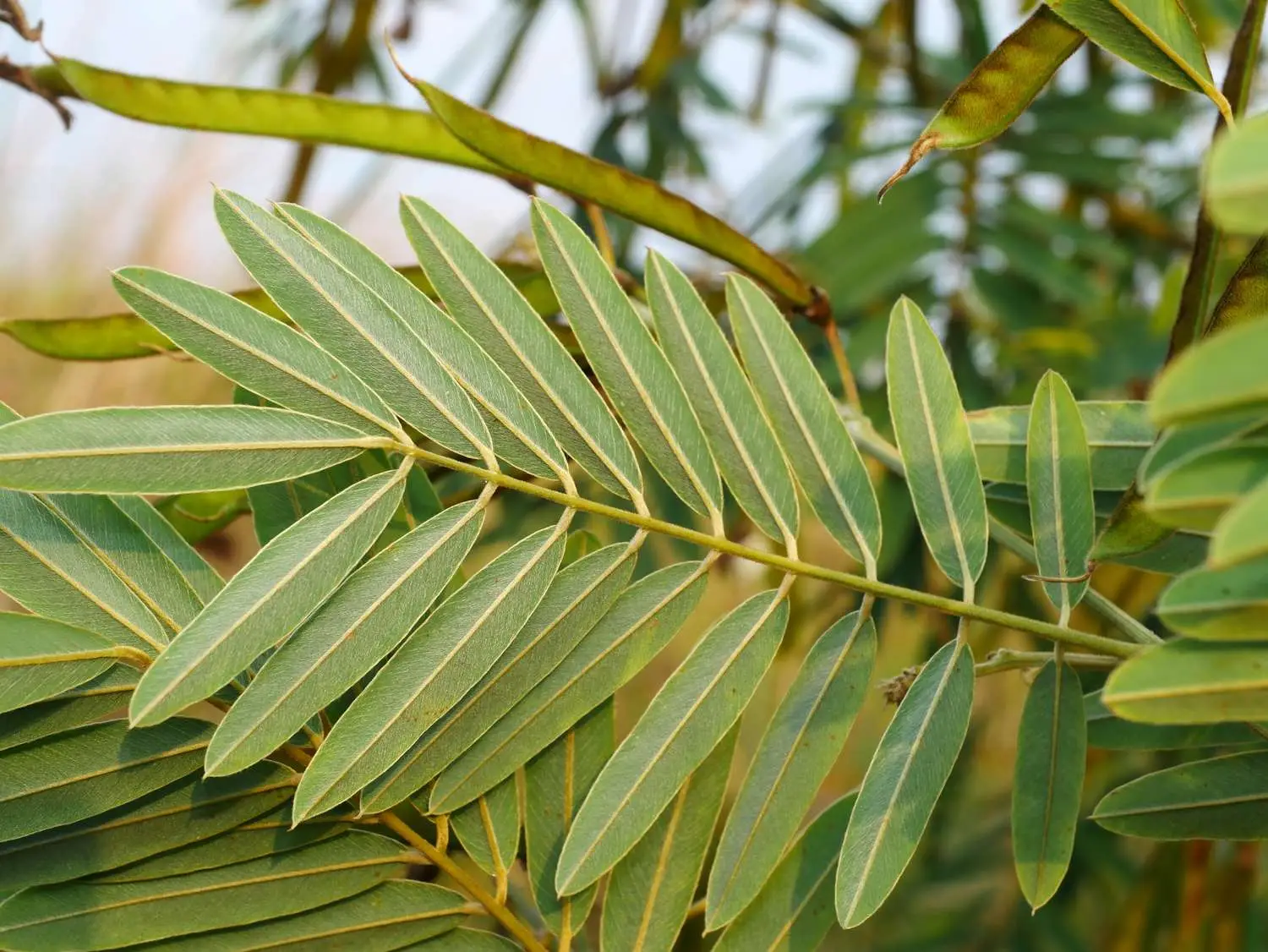
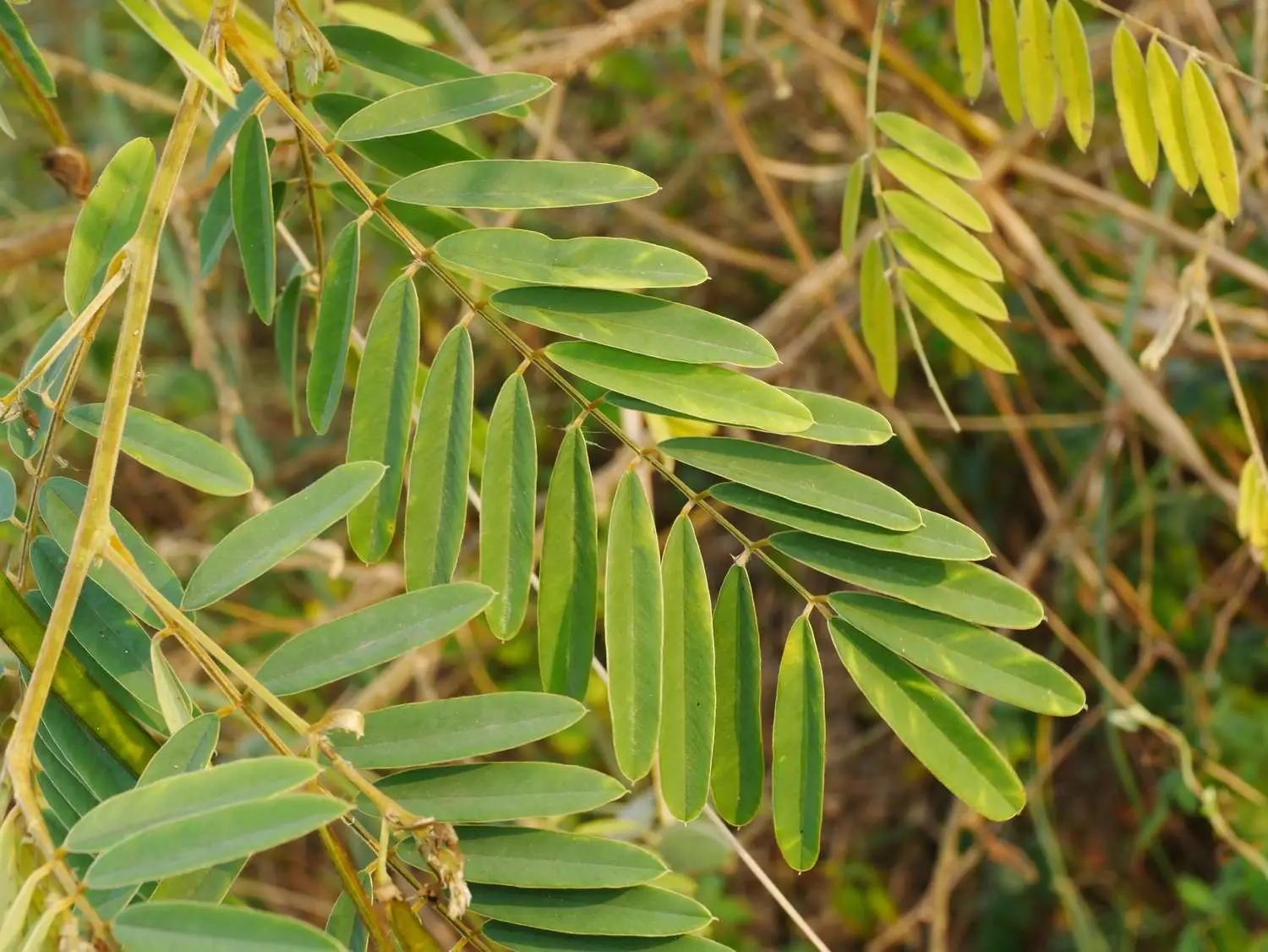
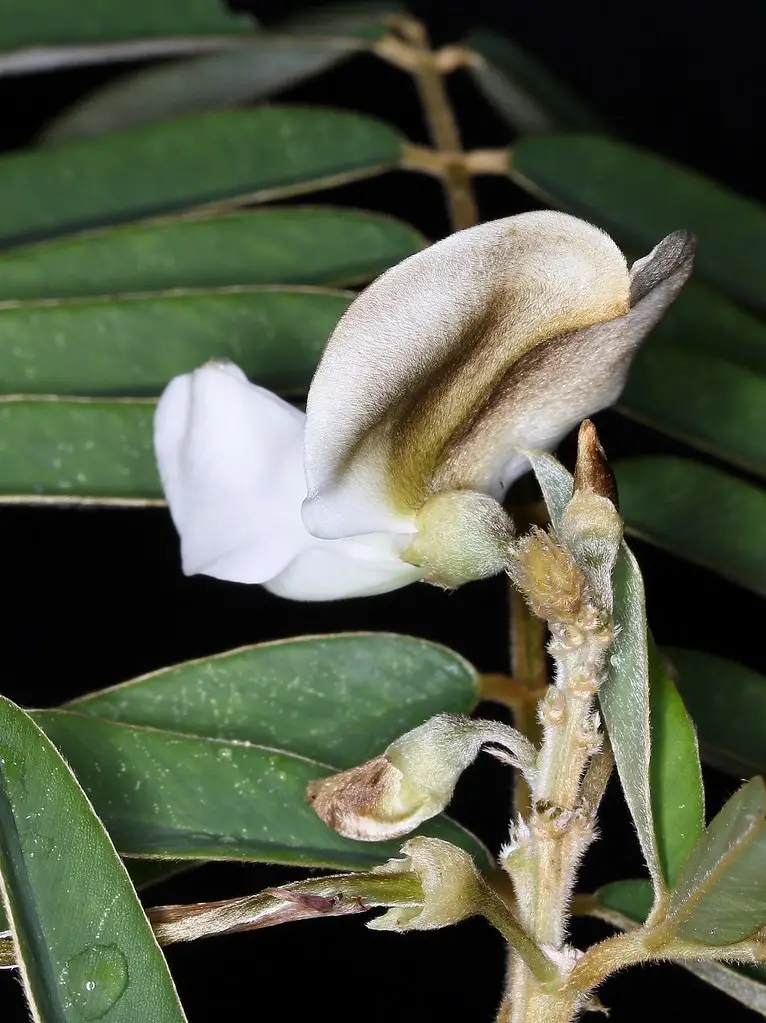
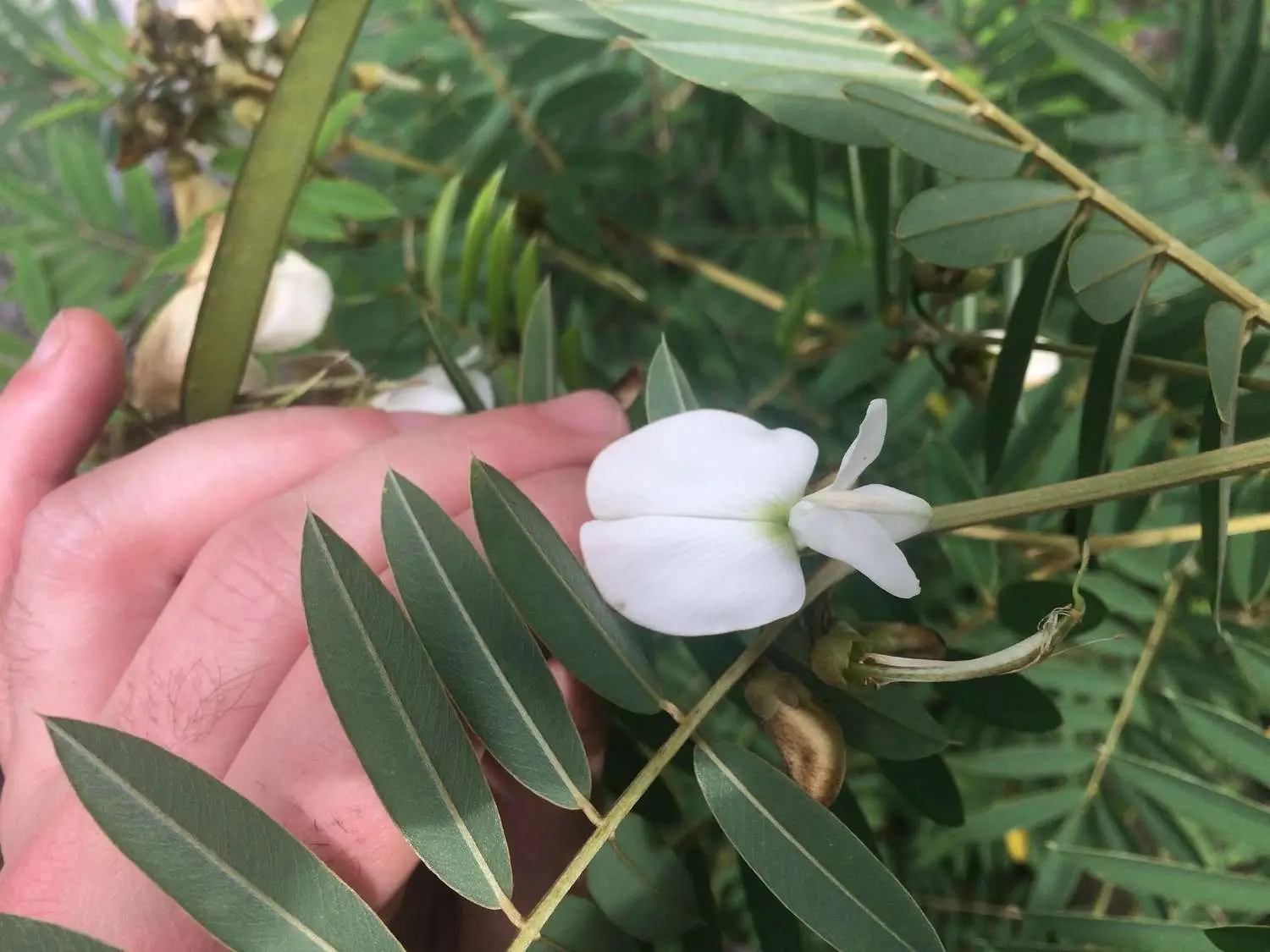
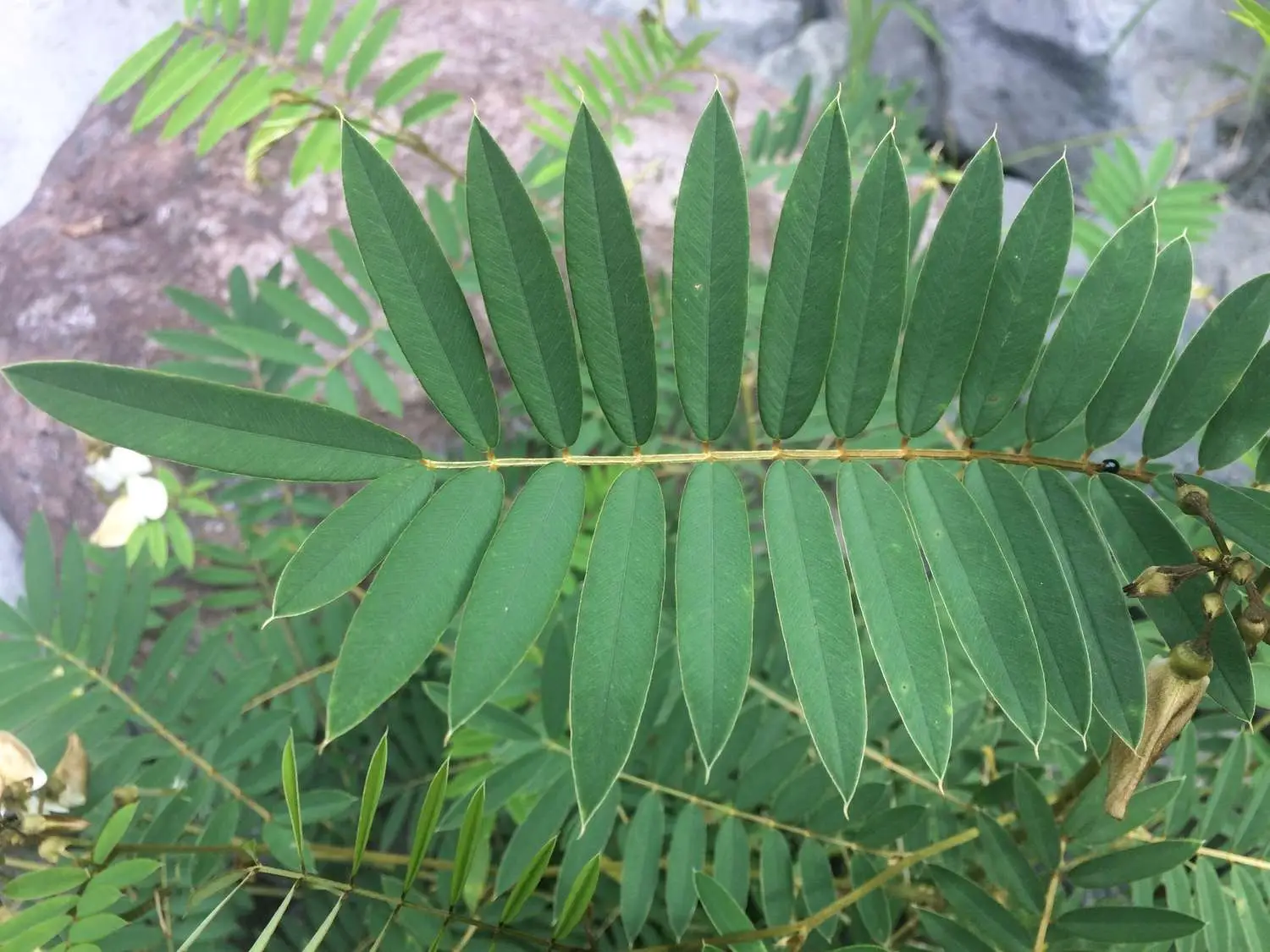
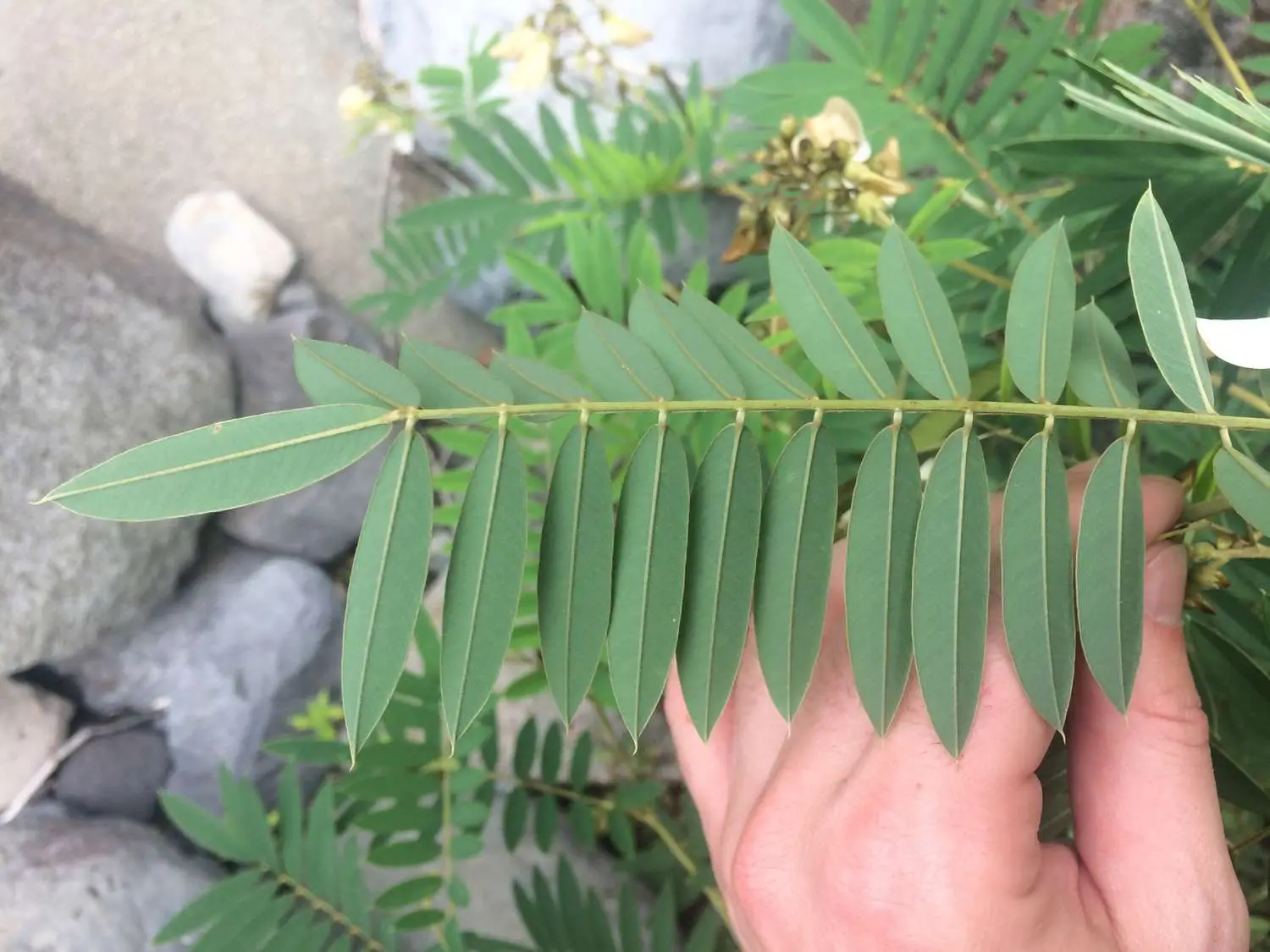
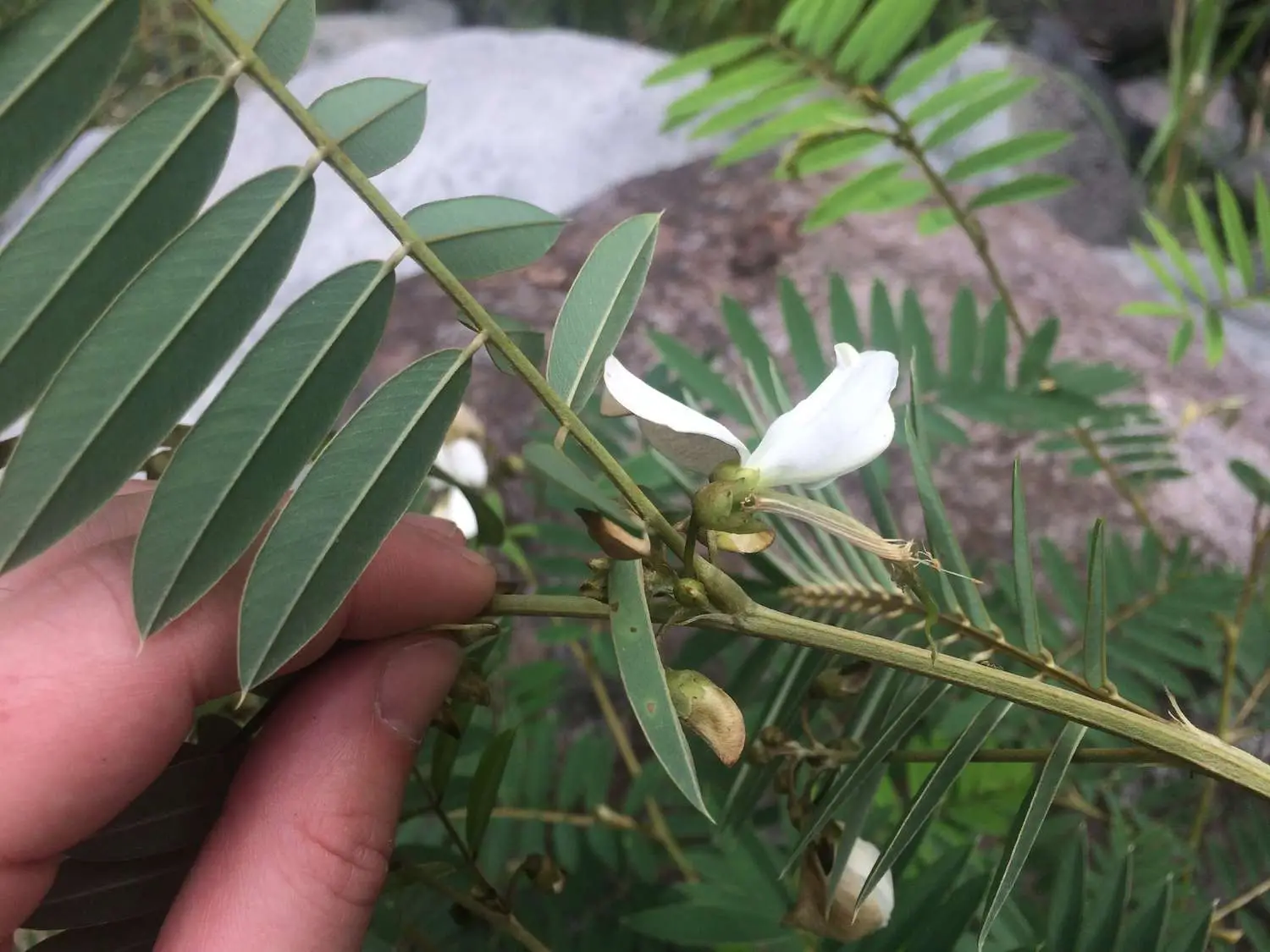
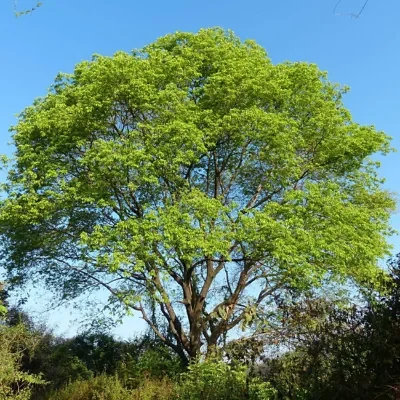
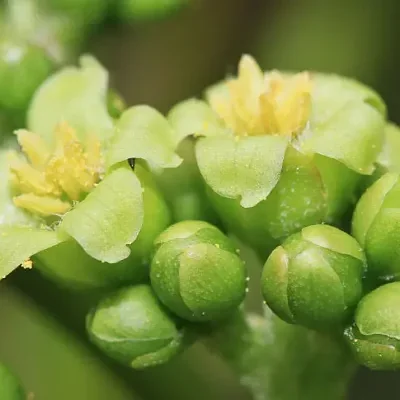
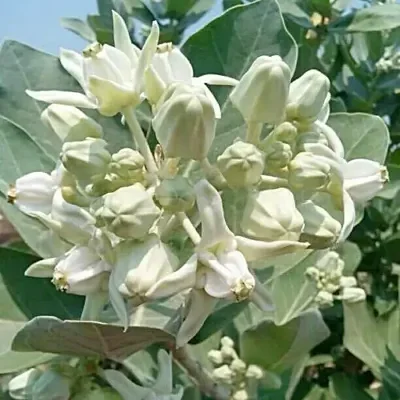
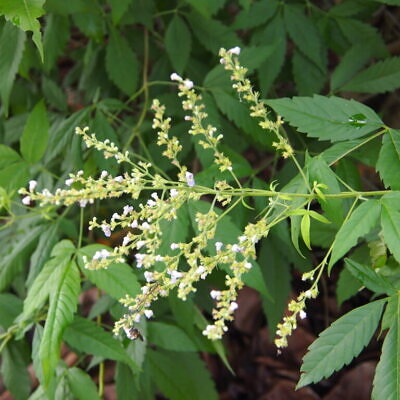
Tephrosia candida, the white hoarypea, is a perennial shrub, native to India, in the legume family. It has been introduced to Malesia, South America, Africa, South East Asia and Australia.
The genus name, Tephrosia, derives from the Greek tephros (ash-coloured) and refers to the fact that most of the species are covered with grey hairs. The species epithet, candida, derives from the Latin adjective, candidus,-a,-um, meaning pure white.
In Zimbabwe, the use of different taxa of the genus Tephrosia has been studied as a way to enrich soils by intercropping when growing maize. This allows continual nourishment of the soil. Specifically, T. candida was proven to successfully grow in conditions of high population density, yet further research into this growth option is required. To further investigate the genus Tephrosia and its effective growth in stressful habitats, researchers at the University of Zimbabwe studied carbon and nitrogen mineralization patterns of this legume. Mineralization, or the decomposition of organic matter, provides fixed nitrogen for other plants to use. They found that Tephrosia released nitrogen at a slow rate. This pattern could be due to nitrogen binding to polyphenols, or natural organic molecules. This prevents subsequent loss of nitrogen and promotes crop uptake along with nitrogen release. Polyphenol to nitrogen ratios within plants can give evidence toward the quality of biomass and can predict the nitrogen release pattern. While there exist several Tephrosia taxa that exhibit slow nitrogen release, many possess rapid rates of nitrogen release as well. Rapid release is not necessarily compatible with intercropping because it does not share this pattern with maize. However, the slow release of nitrogen in the T. candida species is able to synchronize with the nitrogen demand of maize, benefiting the remaining maize in the following season. Other benefits of T. candida include higher biomass production, nematode resistance, closed canopy growth and weed suppression.
It is on the Global Register of Introduced and Invasive Species for the following countries and islands: Brazil, Palau, Samoa, Cook Islands, Federated States of Micronesia (Pohnpei, Yap and State of Chuuk), Democratic Republic of the Congo, Niue, and Saint Vincent and the Grenadines.
Germination Guide
🌍 Tropical foothills of the Himalayas in India
Easy
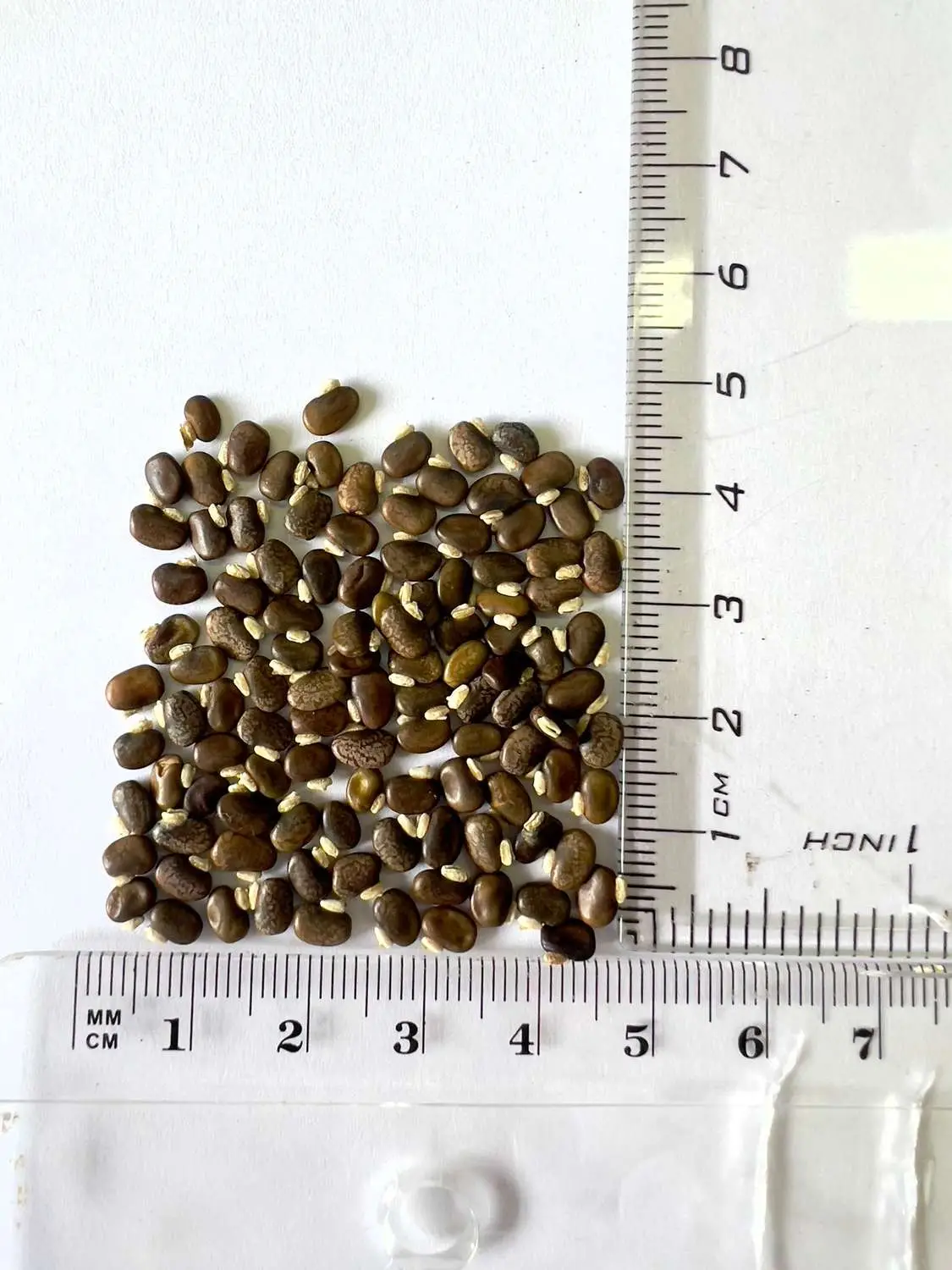
Tephrosia candida, commonly known as white tephrosia or white hoary pea, is a nitrogen-fixing legume shrub native to tropical India. The species exhibits innate seed dormancy that is effectively overcome by mechanical scarification combined with hot water soaking. With proper seed treatment and warm growing conditions, this species achieves very high germination rates (95-100%) and typically germinates within 2-4 weeks.
Germination
Germination time
Expect germination in
14 – 28 days
Temperature
Min 20°C
Ideal 23°C
Max 25°C
Substrate moisture
💧 Medium
Sowing depth
Lightly covered
Seed Pre-treatment
-
💧
Soaking — 4 hours
Soak seeds for 4-5 hours in warm water before sowing
-
🔨
Mechanical scarification
Mechanical scarification with sandpaper or hot water treatment
-
📋
Additional notes
Scarify seeds mechanically, then soak in warm water for 4-5 hours. Alternative: soak in boiled water for 30 seconds to 5 minutes for optimal dormancy alleviation
Substrate & Container
Recommended substrate
Well-draining seed sowing mix or sandy soil
Recommended container
Seed trays or individual pots with drainage holes
Growing Tips
Use fresh seeds for optimal germination rates as viability decreases rapidly; sow just before or during the rainy season for best field results; maintain consistent soil moisture during germination without waterlogging; the species prefers well-drained soils and does not tolerate frost or waterlogging; seeds stored at cool, dry conditions (13% moisture) retain viability for 3+ years; this legume provides excellent nitrogen fixation and soil improvement benefits.
Only logged in customers who have purchased this product may leave a review.

Reviews
There are no reviews yet.