Enterolobium cyclocarpum — Guanacaste | The National Tree that Creates Paradise Shade

Grow the legendary shade tree of Central America from seed. Enterolobium cyclocarpum erupts into a massive hemispherical crown that shelters everything beneath—perfect for coffee estates, livestock, or your own escape from relentless sun. Bonus: edible green pods, incredible germination rates, and striking ornamental ear-shaped seed pods. Fastest way to architectural shade. Start your guanacaste now.

2.13

SKU: P-2072 Categories: , Tags: , , ,

You May Also Like

Description

This is the tree you’ve been dreaming about without knowing its name.

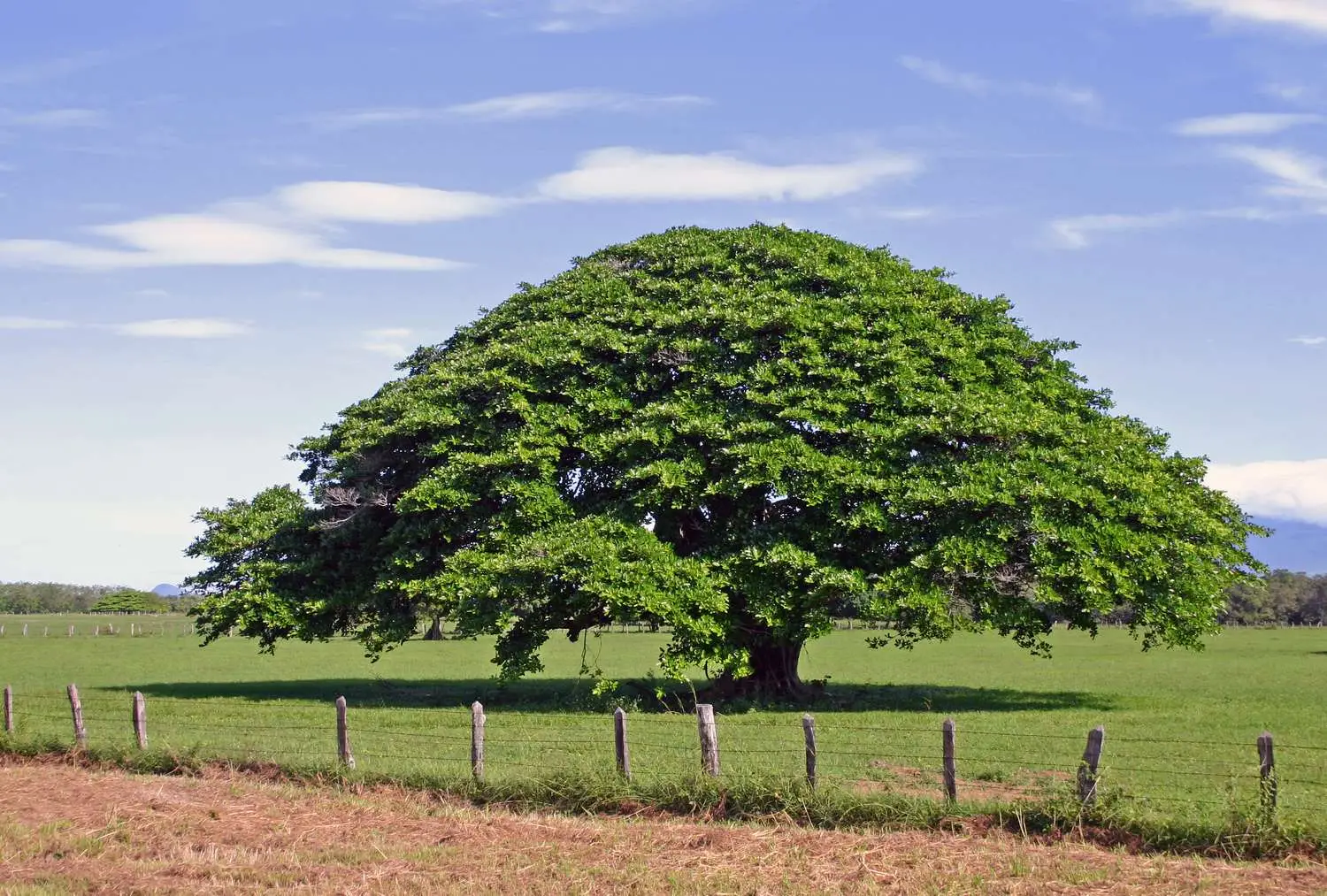
Enterolobium cyclocarpum—the Guanacaste, or Elephant Ear Tree—is one of Central America’s most majestic species, and for good reason: it creates a living cathedral of shade wherever it grows. It is the national tree of Costa Rica, revered across tropical Americas as the ultimate solution for turning scorched land into a cool, productive paradise.

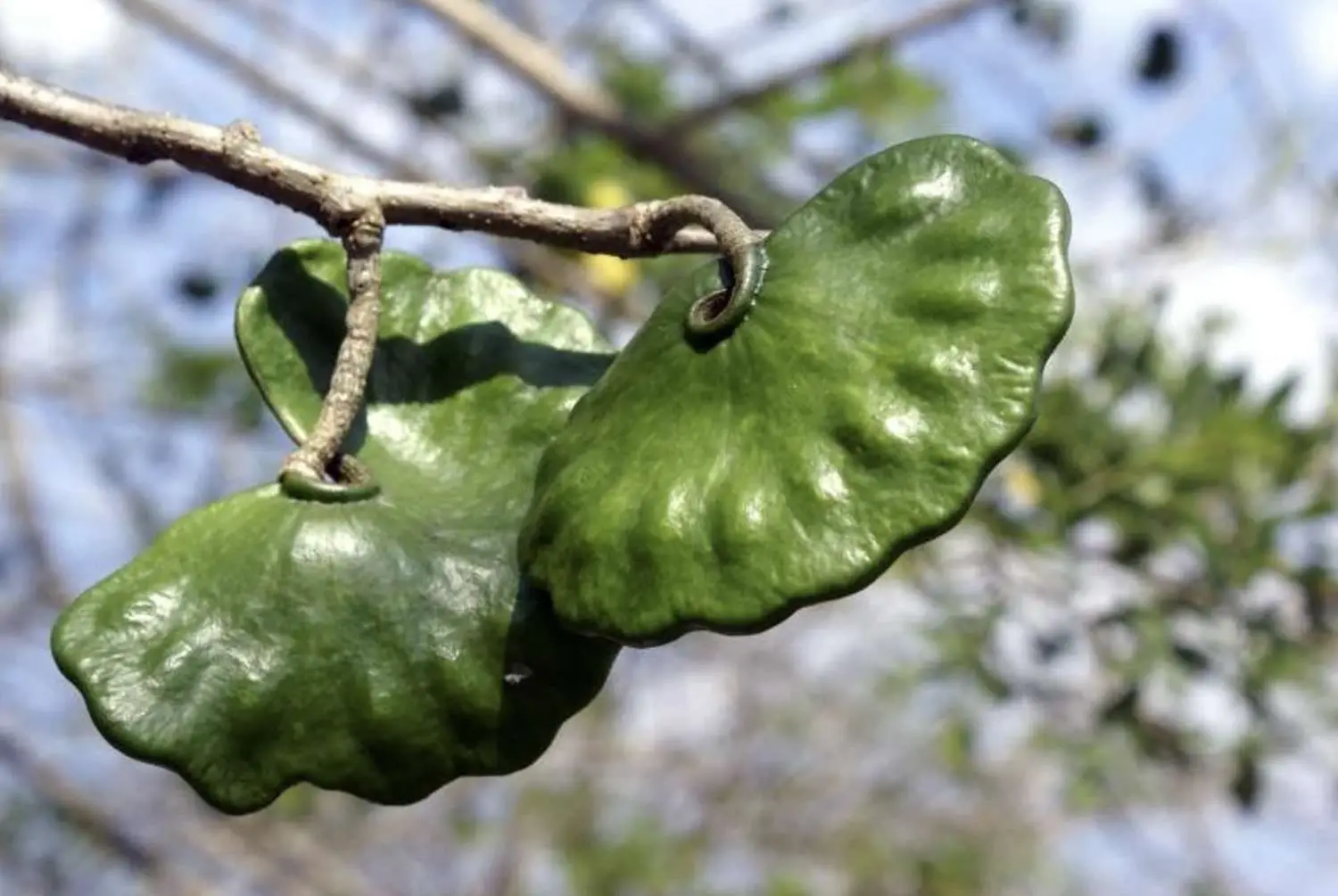
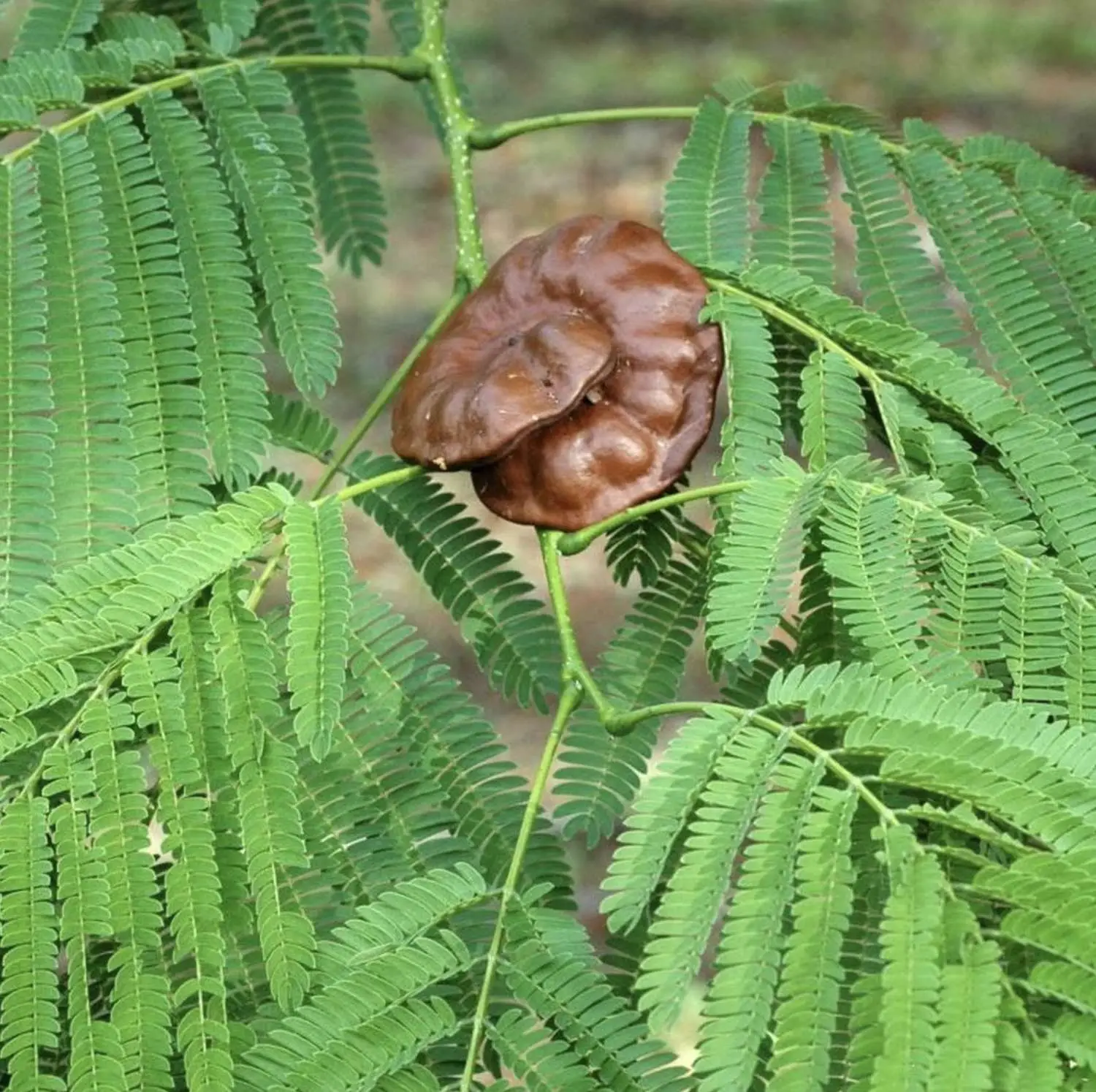
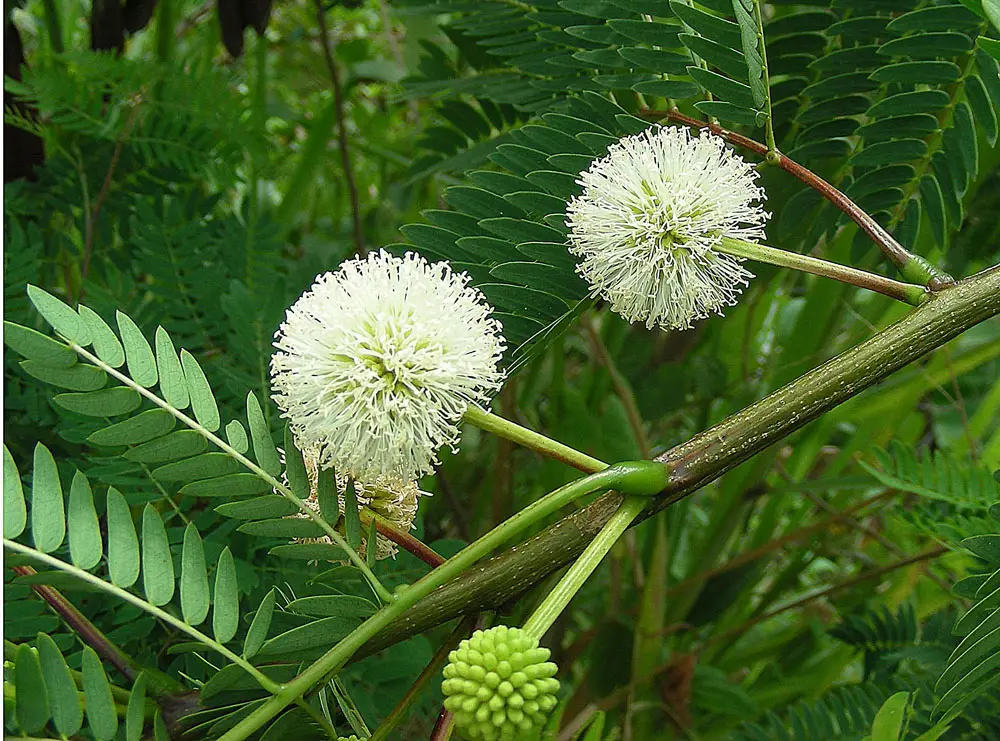
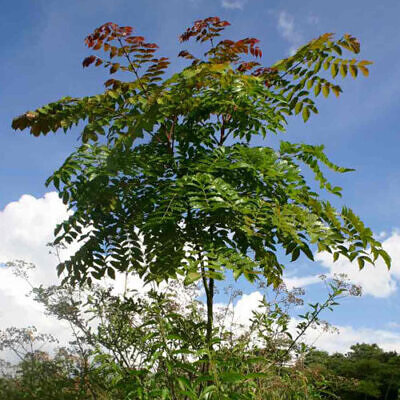
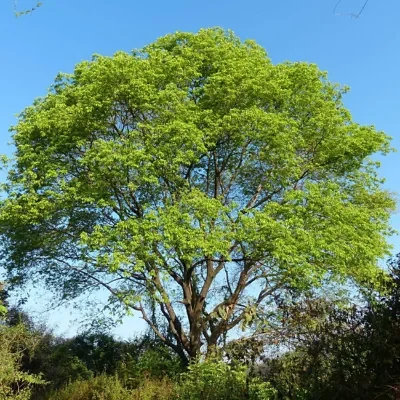
Native to the warm, dry forests stretching from Mexico through Central America and into northern Brazil, this giant legume arrived in Hawaii over a century ago and earned designation as an “exceptional tree” at Honolulu’s Foster Botanical Garden—a specimen still standing today. It is a fast-growing tree, adding 1 to 1.5 m (3.3 to 5 ft) in height per year, and mature trees can tower 30+ meters with its large proportions, its expansive, often spherical crown, and its curiously shaped seedpods. The foliage is delicate and feathery—The leaves are up to 40 cm (1.3 ft) long and twice-feathered, consisting of small oval leaflets closely arranged in pairs along each leaf branch—yet dense enough to create that glorious, unbroken canopy. Even the bark speaks of character: corky and light grey or brown.

But here’s where Enterolobium cyclocarpum becomes truly exceptional: it is incomparably practical. Elephant Ear is cultivated as an amenity shade tree in its native range and to shade crops such as coffee because of its wide-spreading crown, fast growth and nitrogen-fixing ability, helping to enrich the soil as it grows. Unlike ordinary shade trees that merely block sun, this legume actively improves the earth beneath it, fixing atmospheric nitrogen and creating better conditions for everything growing under its umbrella—a gift to your soil that pays dividends year after year. The main forage/livestock-related value of this tree lies in the fact that it provides (1) highly nutritious pods in the dry season, (2) shade and shelter to grazing livestock and (3) improved pasture growth under its canopy. If you work with livestock or run an agricultural operation, this tree becomes infrastructure.

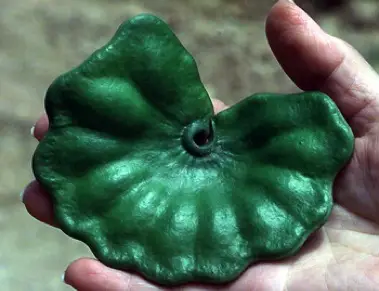
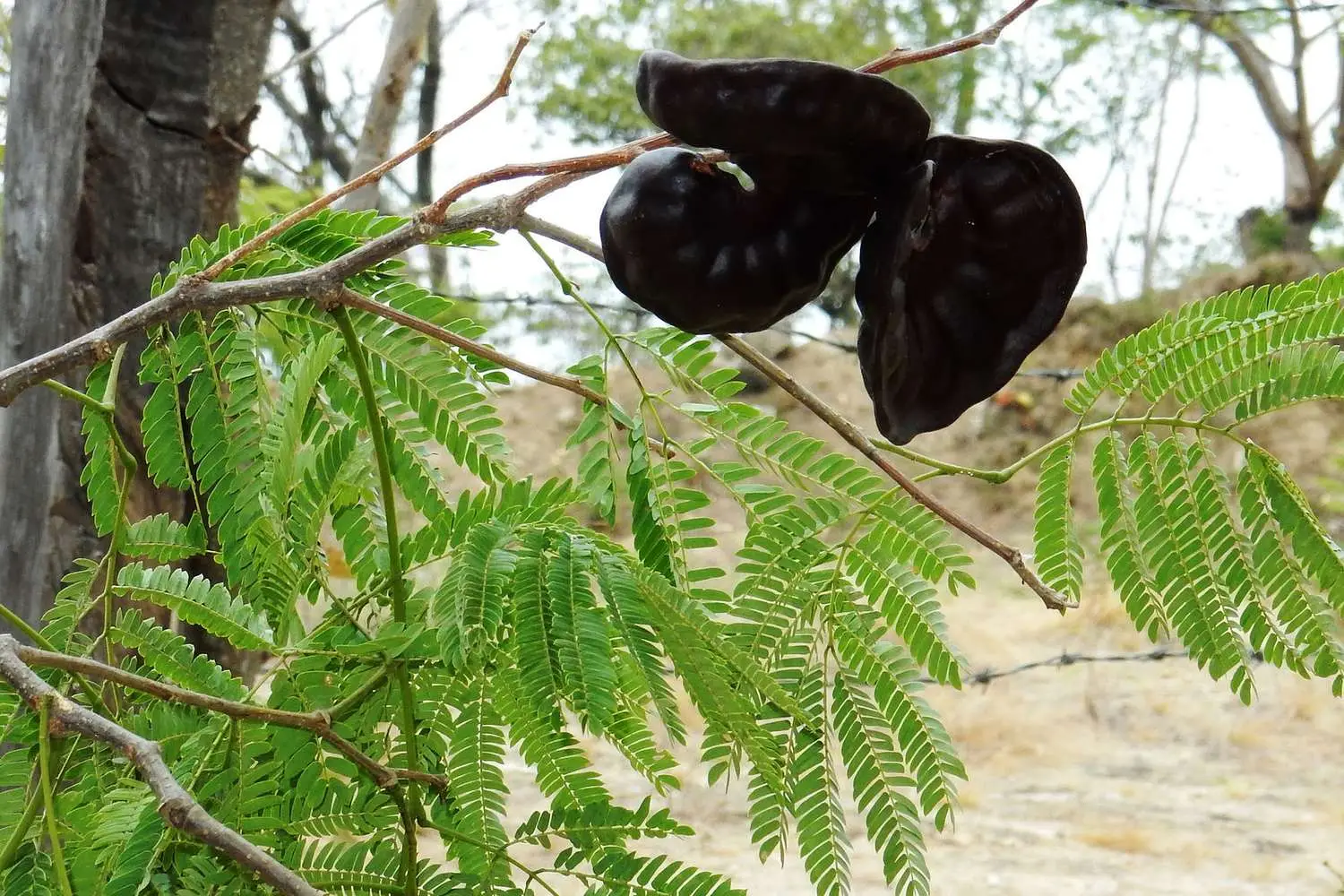
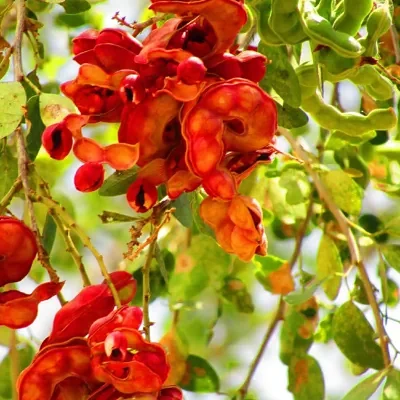
Yet there are treasures beyond shade. While the seed pods are still green, they are harvested and the seeds eaten boiled in Mexico—a traditional food that connects you to generations of cultivation. The mature pods curl into astonishing ear-like shapes, and the attractive seeds are used in Costa Rica to make jewelry, meaning your tree produces not just beauty, but artisanal material. Healthy guanacaste trees generate massive, nearly annual crops of seeds. These seeds demonstrate germination rates of nearly 100%. Guanacaste seedlings then grow rapidly, often reaching over one meter in height in their first year of life. Starting from seed is not a patient gamble—it’s nearly guaranteed success.

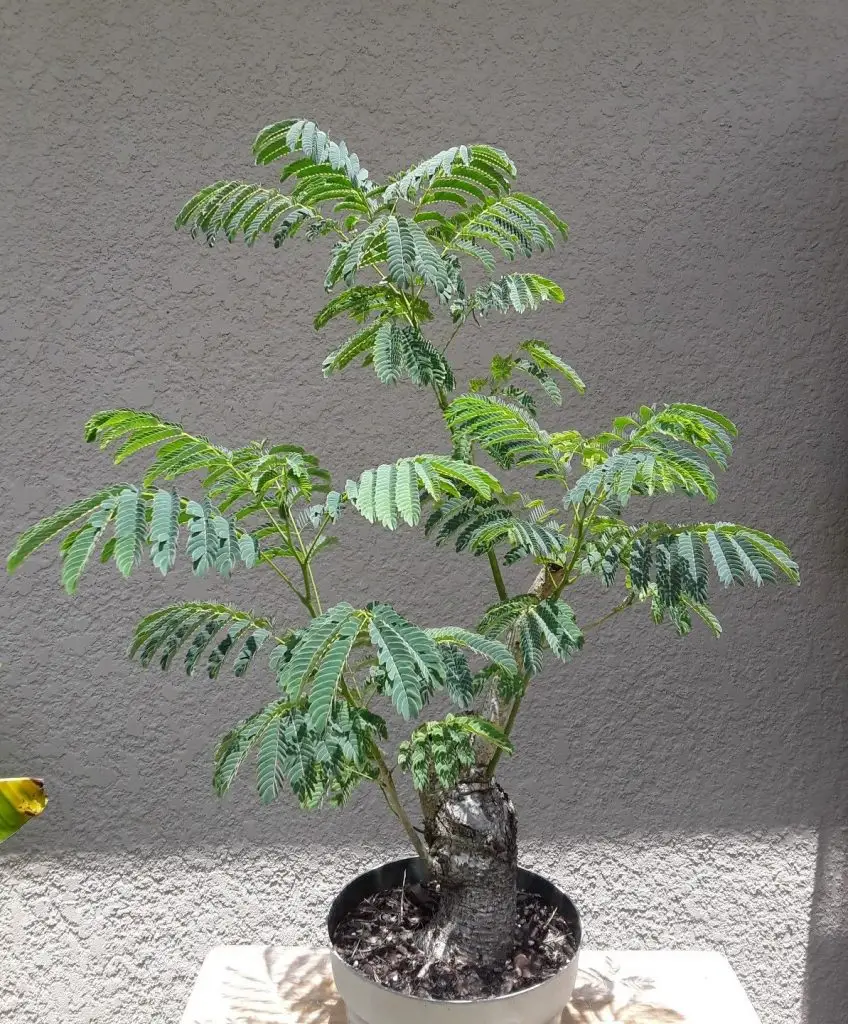
Cultivating Enterolobium cyclocarpum is refreshingly straightforward for a tree of its grandeur. Earpod trees need a frost-free climate and a location with full sun and well-drained soil. It can grow in a wide range of soil types, including clayey, sandy, and alkaline soils. It prefers moist soil and can tolerate drought, making it adaptable to various conditions once established. In tropical and subtropical zones (USDA 10–12), this is a tree that asks little and gives abundantly. From seed, germination is nearly assured; seedlings grow with visible vigor, reaching heights of over one meter in their first year. Choose a location with full sun, give it well-draining soil, water regularly during establishment, and you’re on your way to owning a living monument.

Imagine this: In five years, your Enterolobium c

Germination Guide

🌍 Mexico to Central America and northern Brazil
Moderate

Enterolobium cyclocarpum is a fast-growing, deciduous tree native to dry forests of Central America and Mexico. Seeds exhibit physical dormancy with extremely hard seed coats requiring scarification for successful germination. Without treatment, germination is null to negligible; with scarification, germination reaches 85-90%.

Germination
Germination time
Expect germination in

3 – 10 days

Temperature

Min 18°C
Ideal 25°C
Max 36°C

Light
☀️ Light required

Substrate moisture
💧 Medium

Sowing depth
1 cm

Press seed
👆 Yes

Germination rate
85 %


Seed Pre-treatment
  • 💧

    Soaking — 24 hours
    Seeds soaked in room temperature water for 24 hours following hot water treatment
  • 🔨

    Mechanical scarification
    Mechanical scarification with sandpaper (88% germination). Hot water scarification (30 seconds boiling followed by 24 hours room temperature soaking) or immersion in boiling water for 5-15 seconds also effective
  • 📋

    Additional notes
    Physical dormancy: extremely hard and thick seed coat requires scarification. Untreated seeds show nil to negligible germination (3-9%)

Substrate & Container
Recommended substrate
potting mix, loamy or well-drained soil

Recommended container
nursery beds, germination trays, or pots


Growing Tips
Seeds remain viable for several years under cool, dry conditions. Seedlings require full sunlight and show little shade tolerance. Ready for field planting after 6 months in nursery. Growth rate is exceptionally rapid, especially in early stages. Temperature above 75°F enhances germination rate.

Reviews

There are no reviews yet.

Only logged in customers who have purchased this product may leave a review.

Related Products