Description
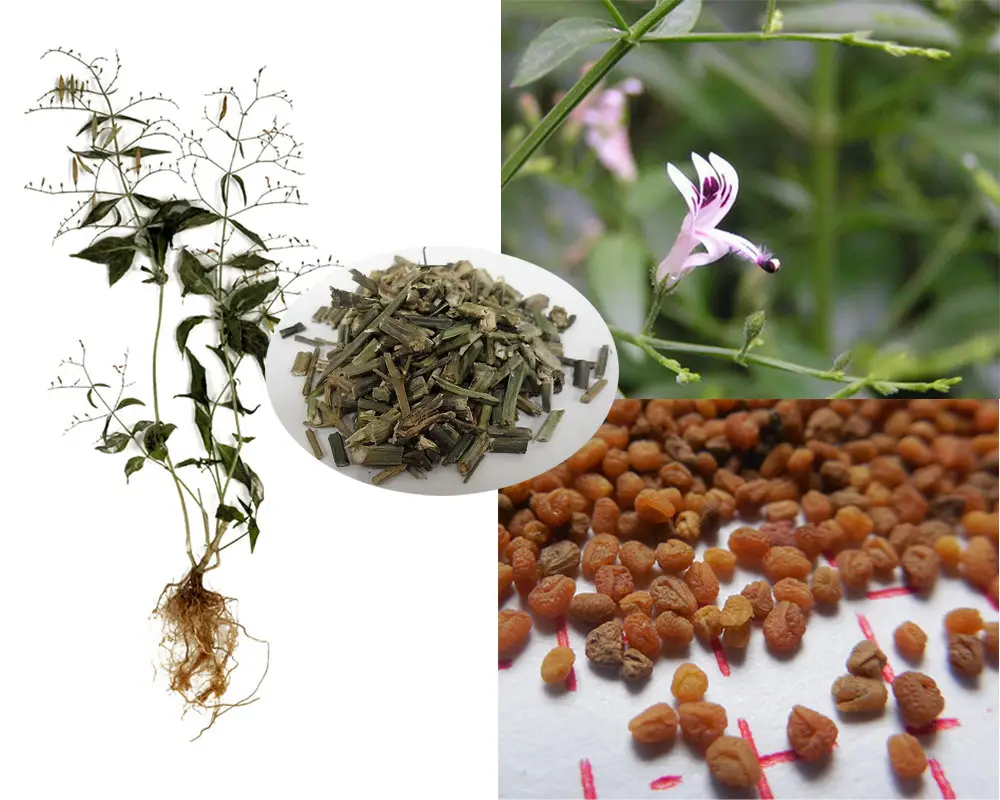
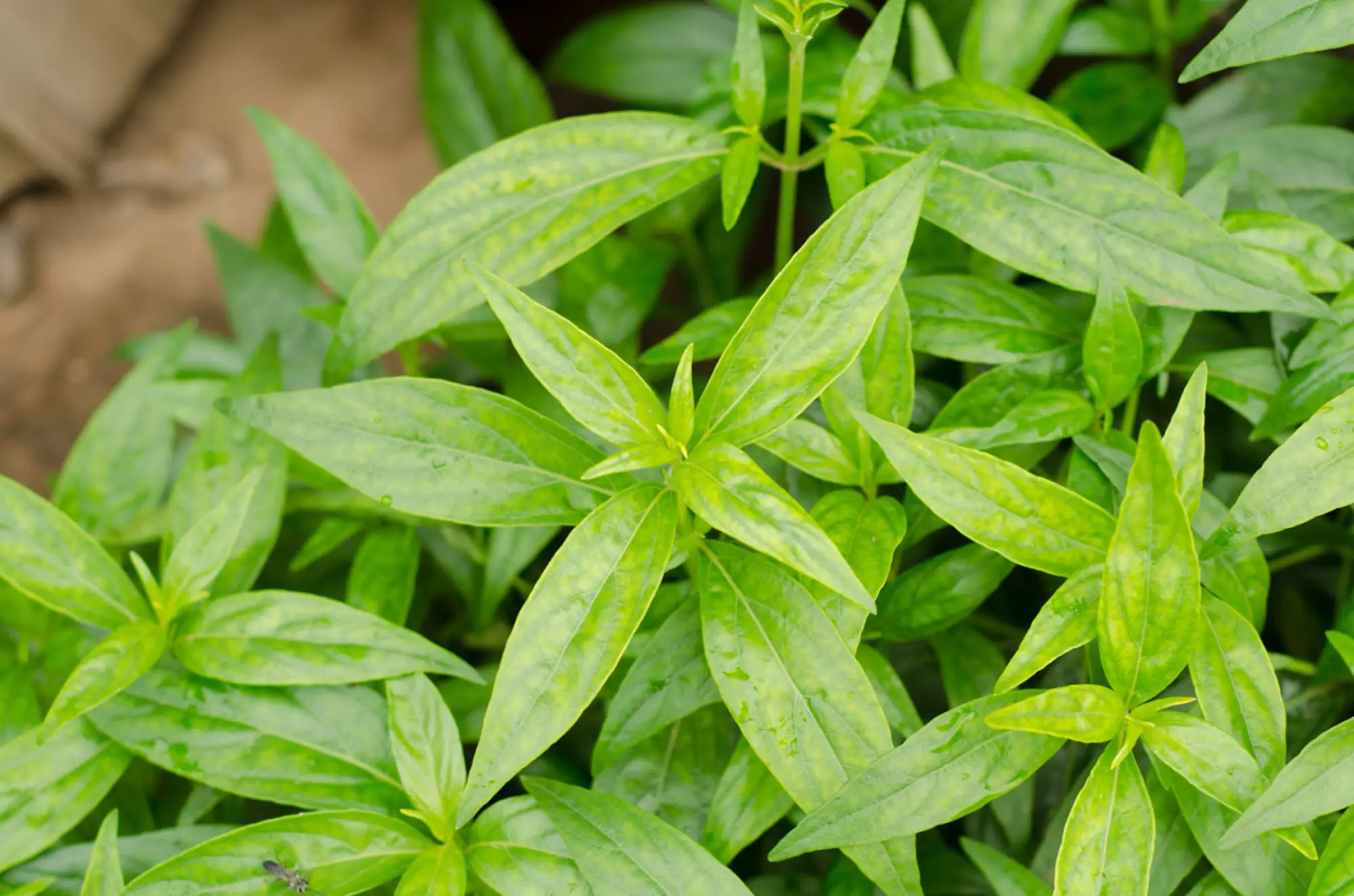
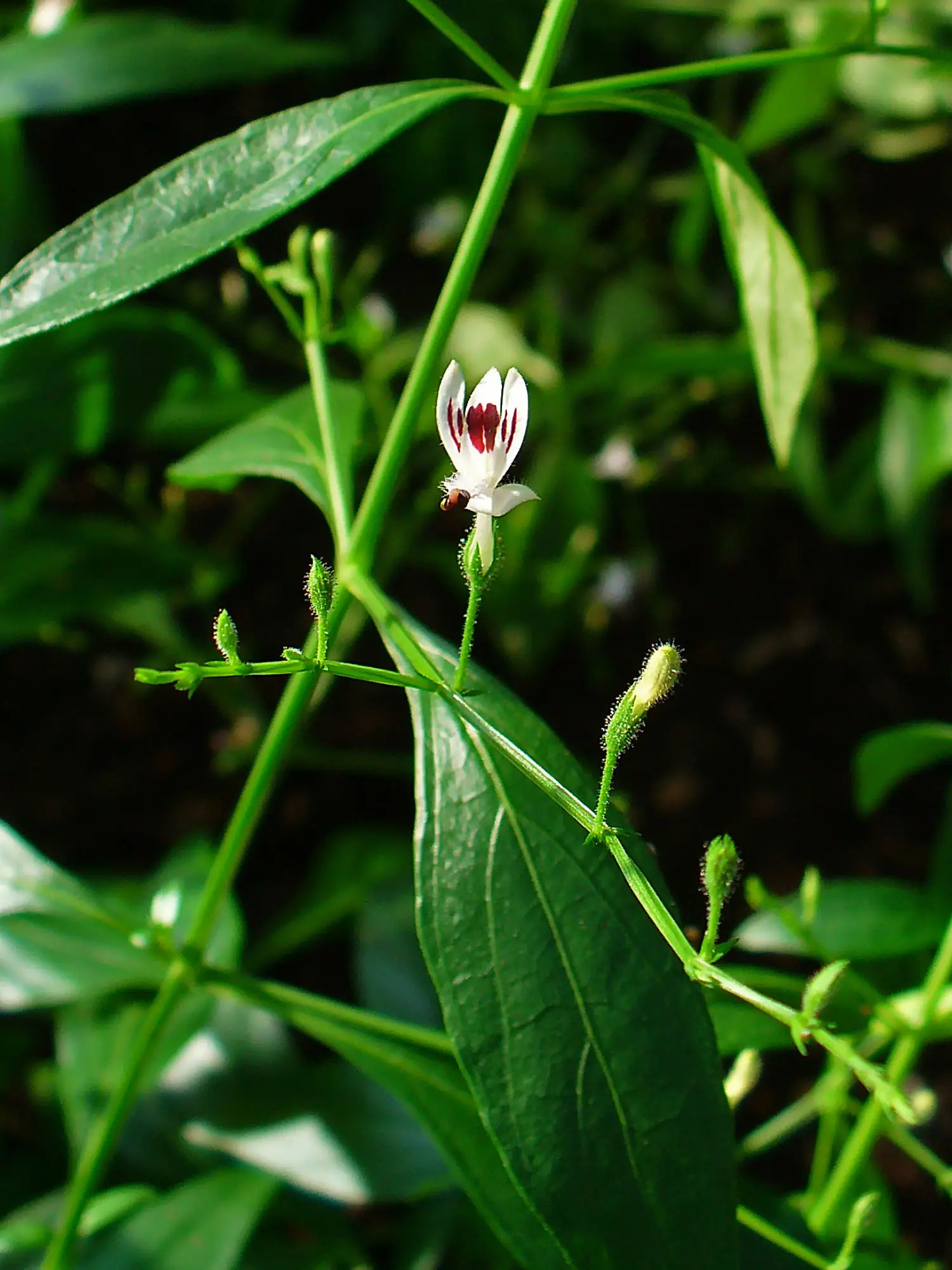
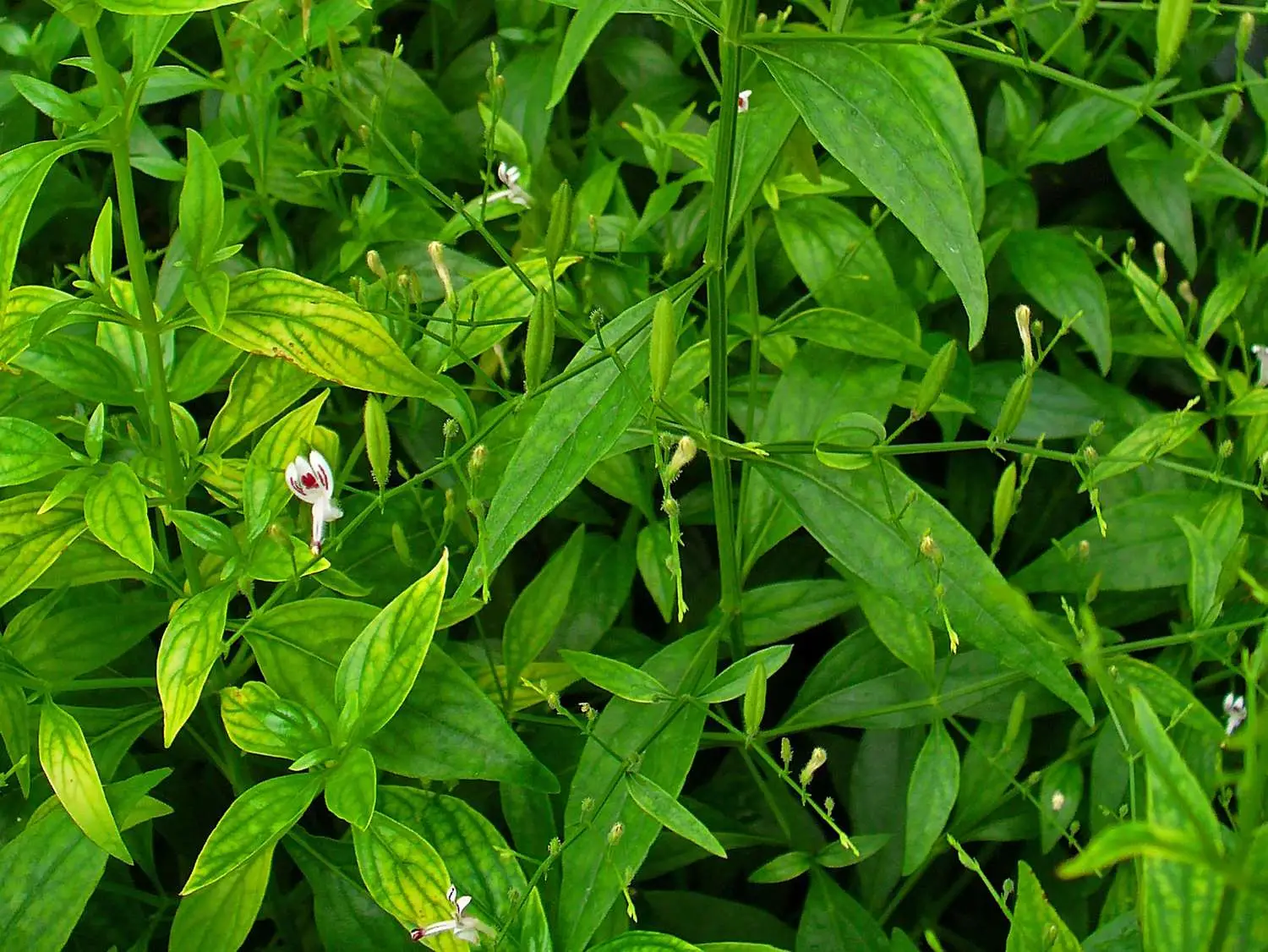
Andrographis paniculata is an erect annual herb extremely bitter in taste in all parts of the plant body. The plant is known in north-eastern India as Maha-tita, literally “king of bitters”, and known by various vernacular names. As an Ayurveda herb it is known as Kalmegh or Kalamegha, meaning “dark cloud”. It is also known as Bhumi-neem, meaning “neem of the ground”, since the plant, though being a small annual herb, has a similar strong bitter taste as that of the large Neem tree (Azadirachta indica). In Malaysia, it is known as Hempedu Bumi, which literally means ‘bile of earth’ since it is one of the most bitter plants that are used in traditional medicine.
Habitats: Village groves, roadsides, waste places, open sandy locations and fields, but also in monsoon and teak forest receiving only 10-20% of full light, at elevations from sea level to 1,600 metres[ 310 ].
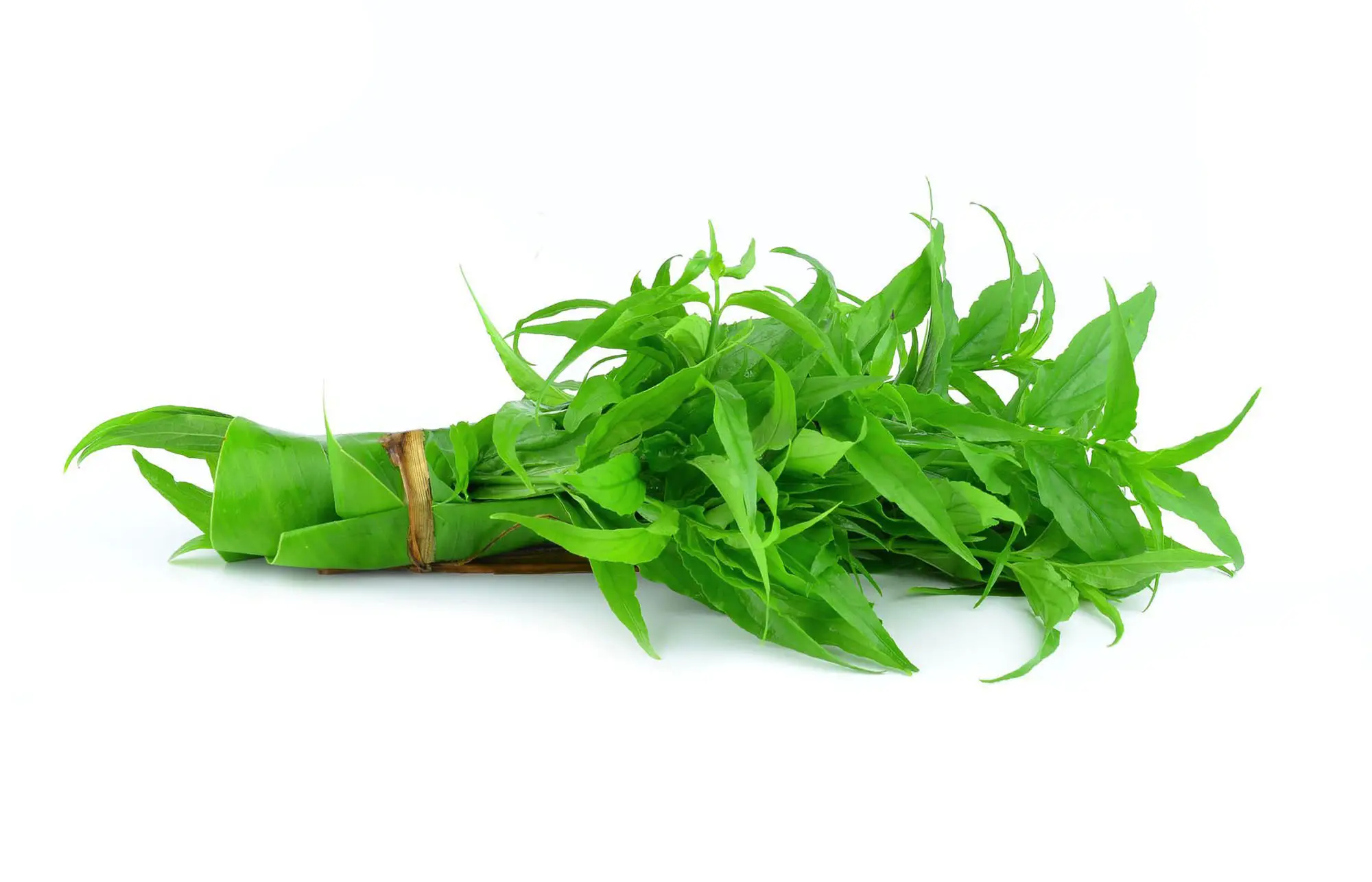
A tropical and subtropical herb known for its bitter taste, Green Chireta or Andographis paniculata, is found in Asia, Australia, India, Laos, and Northeastern India. It is widely used as a medicinal plant. The roots and leaves are primarily used to reduce fever, tone the stomach, increase appetite, and generally improve one’s health condition. It also has a significant anti-inflammatory effect and inhibits oedema. Powdered leaves are found to have the capacity to aid in common colds by shortening their duration. It can also be used as a treatment for fever and sore throat. Decoction of the leaves or roots can be used as a treatment for stomach pain, dysentery, typhus, cholera, influenza, and bronchitis. Infusion can be used for treating female disorders, dyspepsia, hypertension, gonorrhoea, jaundice, rheumatism, amenorrhoea, and torpid liver. When used as a poultice, it cures swollen legs or feet, vitiligo and piles. Further, the plant is used locally as a remedy for snake bites and for insect bites as well. It can also be a remedy for diabetes when used together with Orthosiphon aristatus. To attain maximum effect, leaves should be harvested when the inflorescence axis starts to grow. For the roots, harvesting should be made when the leaves start discolouring or wilting. The leaves are edible, occasionally mixed with vegetables. Green chireta is attractive to bees, butterflies and/or birds. Its leaf extract is reported as an effective pest control against various crop pests. Propagation is through seeds or herbaceous stem cuttings. Other Names: Bhuin, Chirota, Neemba.
Germination Guide
🌍 South and Southeast Asia, India, Pakistan
Moderate
Andrographis paniculata, commonly known as King of Bitters or green chiretta, is an important medicinal herb native to South and Southeast Asia. The plant exhibits significant seed dormancy with a hard seed coat that typically inhibits germination. Pre-treatment with scarification and/or soaking is essential for successful propagation. With proper techniques, germination rates of 85-95% are achievable.
Germination
Germination time
Expect germination in
5 – 21 days
Temperature
Min 8°C
Ideal 25°C
Max 35°C
Substrate moisture
💧💧 High
Seed Pre-treatment
-
💧
Soaking — 24 hours
Soak seeds for 24 hours before sowing. Alternatively, soak in 50°C warm water for 5 minutes. Unsoaked seeds can remain dormant for extended periods.
-
🔨
Mechanical scarification
Mechanical scarification with sandpaper or chemical scarification with H2SO4 significantly improves germination. Sandpaper scarification achieved 71.33% at day 3, increasing to 94% after 20 days. Chemical scarification with 5% H2SO4 for 10 minutes also effective.
-
📋
Additional notes
Seed dormancy is significant and requires pre-treatment. Best results: scarification plus soaking. Hot water treatment (50°C for 5 minutes) can improve germination to ~85%.
Substrate & Container
Recommended substrate
Seed starting mix, peat moss and perlite, well-draining soil with slightly acidic pH (6.0-7.0)
Recommended container
Seed trays or small pots
Growing Tips
Seeds require light to germinate; do not cover with soil. Keep substrate consistently moist. Optimal germination temperature is 25°C; germination slows below 20°C. Seeds can germinate in 2-3 weeks under ideal conditions, though some sources report up to 6 months for untreated seeds. Plant prefers warm, humid conditions and does not tolerate temperatures below 8°C. Transplant seedlings when they reach 6cm height with 3-4 leaves.
Only logged in customers who have purchased this product may leave a review.

Reviews
There are no reviews yet.