Description
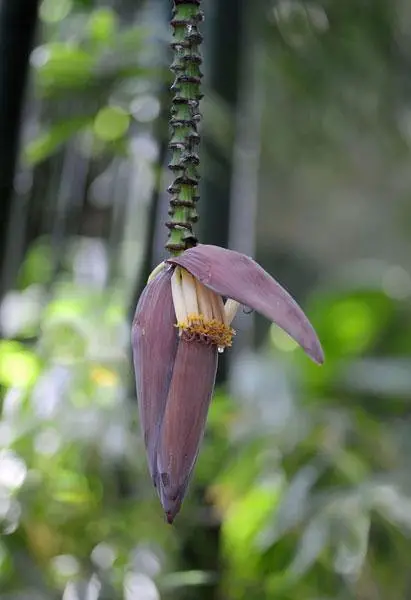
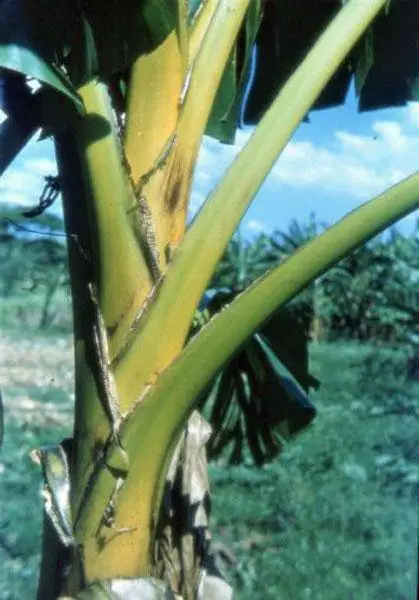
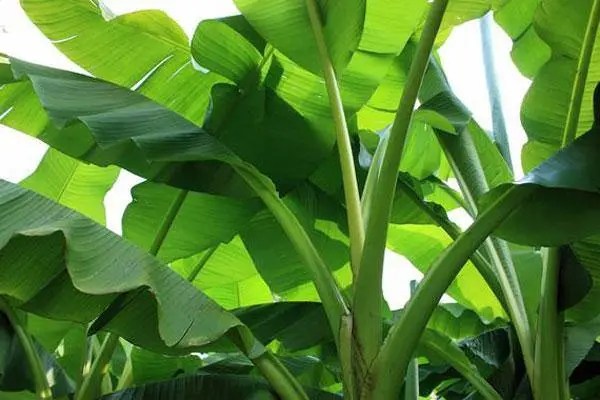
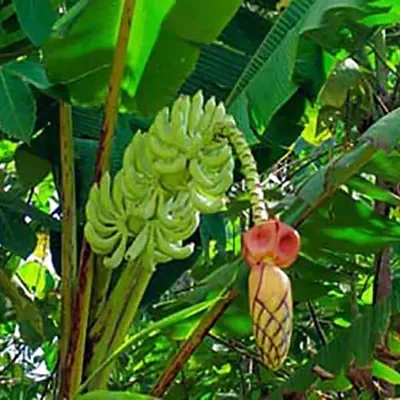
A smallish banana that forms small, dense clusters of slender pseudostems to 3 m tall. The slender leaf stalks have wide, wrinkly margins towards the base. The erect inflorescences that have yellowish green to purplish brown bracts. Musa ochracea is native to rainforests in the foothills of the eastern Himalayas below 400 m. It will make a very attractive ornamental for tropical and warm temperate climates.
Germination Guide
🌍 Tropical Asia, Eastern Himalayan foothills of India
Difficult
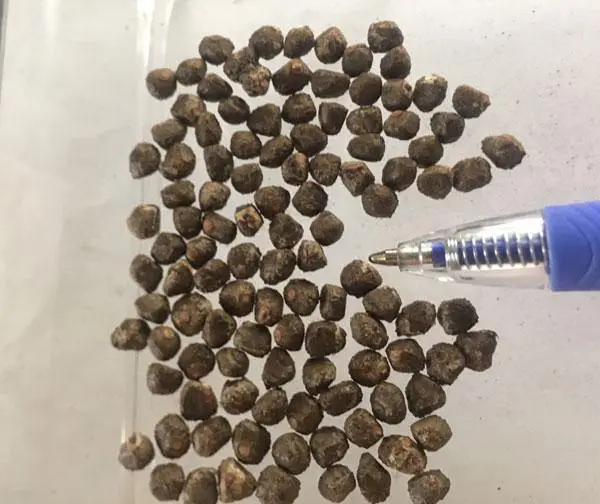
Musa ochracea, commonly known as the yellow-stem banana or pink-flower banana, is a rare ornamental banana species native to the eastern Himalayan foothills of tropical Asia. This distinctive plant features a brilliant yellow-orange pseudostem and produces attractive purple-pink flowers followed by small, seeded fruits. Germination is challenging and requires patience, as seeds can take 1 to 9 months to sprout, necessitating precise environmental conditions including warmth, humidity, and proper seed preparation.
Germination
Germination time
Expect germination in
14 – 270 days
Temperature
Min 25°C
Ideal 27°C
Max 30°C
🌡️ Temperature alternation recommended
— Most bananas benefit from temperature alternation. Some sources recommend constant warmth (25-30°C) while others suggest day/night temperature fluctuation for better results
Substrate moisture
💧 Medium
Sowing depth
Lightly covered
Seed Pre-treatment
-
💧
Soaking — 48 hours
Soak seeds in warm water (30-35°C or 86-95°F) for 24-48 hours to soften hard coats. Change water every 12 hours if possible
-
🔨
Mechanical scarification
Lightly scarify with sandpaper, nail file, or nick with sharp knife to help water penetrate and speed up germination
-
📋
Additional notes
Use well-draining potting mix, coco coir, peat moss, or perlite mixture. Substrate should be moist but not waterlogged. Place seeds in transparent container (pot or tray) covered with plastic cover or dome to maintain humidity. Label with species name and date
Substrate & Container
Recommended substrate
Well-draining potting mix, coco coir, peat moss, perlite, or sand mixture
Recommended container
Seed tray, pots, or transparent container with clear plastic cover or dome to retain humidity
Growing Tips
Light mechanical scarification combined with warm water soaking dramatically improves germination rates. Maintain consistent warmth (27-29°C or 80-85°F) using a heat mat if necessary. Keep substrate moist but never waterlogged to prevent fungal issues. Do not discard seed containers prematurely as germination can be extremely delayed and irregular. Use fresh seeds whenever possible as viability decreases with age. Monitor weekly for white root emergence. Provide bright, filtered light but avoid direct intense sunlight during germination. After sprouting and developing several true leaves, transplant seedlings to larger containers with well-drained substrate and gradually acclimate to brighter conditions. The plant prefers high humidity and protection from wind during establishment.
Only logged in customers who have purchased this product may leave a review.


Reviews
There are no reviews yet.